That choice matters more than it seems. About four in 10 U.S. adults over age 30 have some form of periodontitis, according to CDC's 2024 data, and that number climbs to roughly 60% among adults 65 and older. Plaque control, gum comfort, and consistency all play into which tool actually gets used daily instead of sitting in a drawer.
There's no universal winner here. The right pick depends on your tooth spacing, whether you have braces or implants, your dexterity, your budget, and honestly, which method you'll stick with. Let's break it down.
Key Takeaways
- String floss uses direct mechanical contact to scrape plaque off tooth surfaces
- Water flossers rely on pulsating water to flush debris and disrupt bacteria near the gumline
- Braces, bridges, implants, and limited dexterity often favor water flossers
- Tight contacts and good technique make string floss a cheap, effective standby
- Neither tool removes hardened tartar or replaces brushing and professional cleanings


Water Flossers vs String Floss: Quick Comparison
Effectiveness
String floss, used correctly, physically scrapes plaque from the tooth surface, which is why it remains the benchmark in most clinical trials. Cochrane's 2019 review found that interdental cleaning devices offer possible plaque and gingivitis benefits, though the certainty of evidence is low.
Water flossers work differently. They flush loose food particles and disrupt bacterial deposits with pressurized water, especially useful around the gumline and dental work. They're less proven at matching the direct scraping contact floss provides on tightly packed teeth.

Ease of Use and Technique
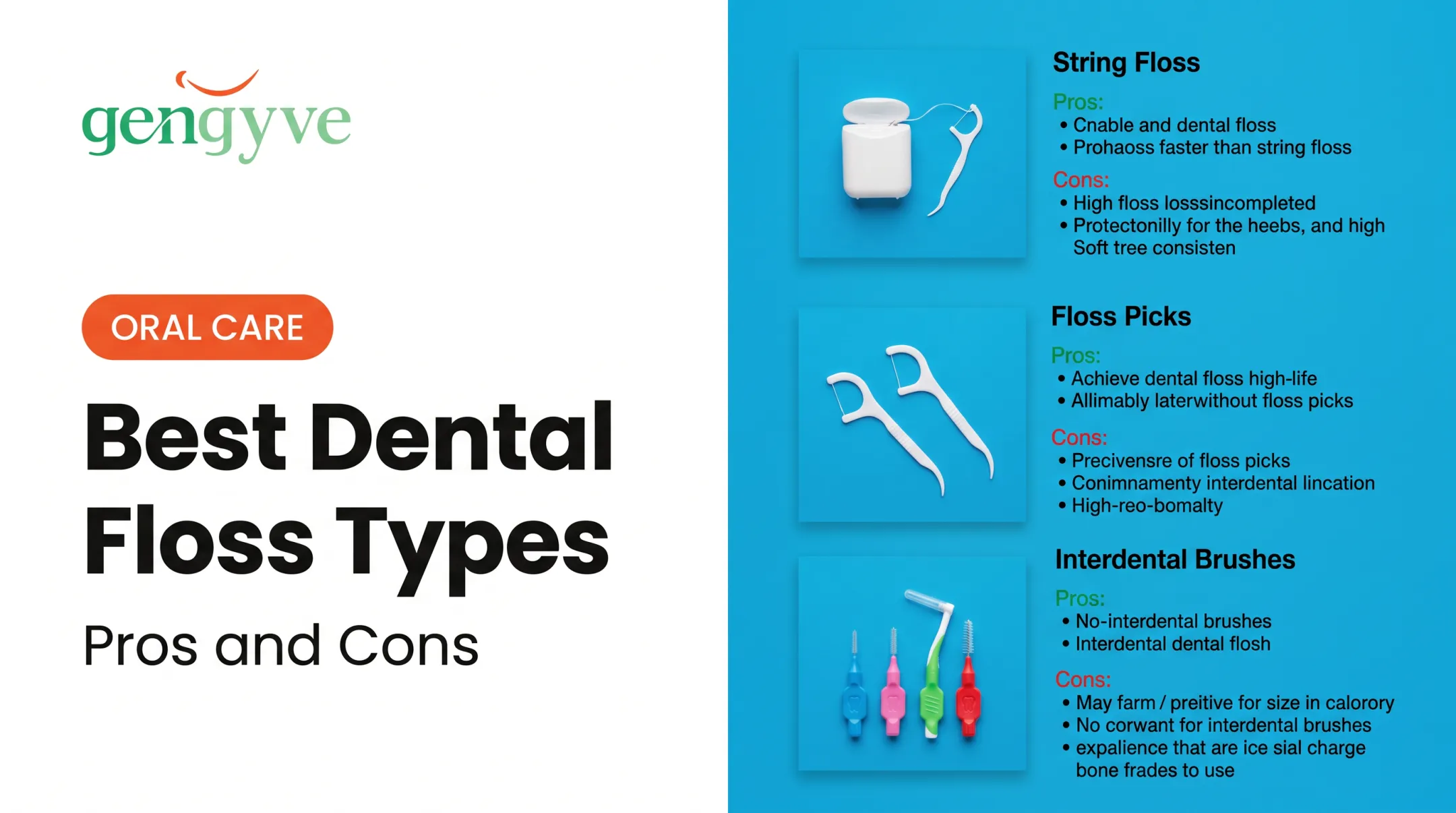
- String floss: Wrap into a C-shape around each tooth, clean both sides, and avoid snapping into the gums
- Water flosser: Trace the gumline with the tip; still requires filling the reservoir, correct angling, and post-use cleaning
Best for Specific Needs
String floss suits natural teeth with tight contacts, travels in a pocket, and costs next to nothing. It works best for people with steady hands and reliable technique.
Water flossers tend to help more with:
- Braces, bridges, and implants
- Wider interdental spaces
- Gumline and periodontal pocket cleaning
- Arthritis or other dexterity limitations
Cost, Portability, and Maintenance
- String floss: A few dollars per spool; fits in a pocket or bag
- Water flosser: Higher upfront cost, plus reservoir, power or batteries, and regular internal cleaning to prevent buildup
Comfort and Consistency
Sensitive or bleeding gums usually need gentler pressure, whether that means a softer floss technique or a lower water-flosser setting. The method you'll actually use every night beats the "ideal" one gathering dust.
Water Flossers and String Floss: How They Work and Where They Fit
String Floss
String floss is a thin strand moved between teeth and slightly beneath the gumline to mechanically dislodge plaque and trapped debris. The technique matters more than the product:
- Curve the floss into a "C" shape around one tooth
- Move it gently up and down against that surface
- Repeat against the adjacent tooth
- Avoid sawing or snapping it into the gums
Waxed, unwaxed, tape, and floss picks all exist, but ADA's oral health guidance notes there's no meaningful difference in effectiveness between waxed and unwaxed floss. The product doesn't replace proper technique.
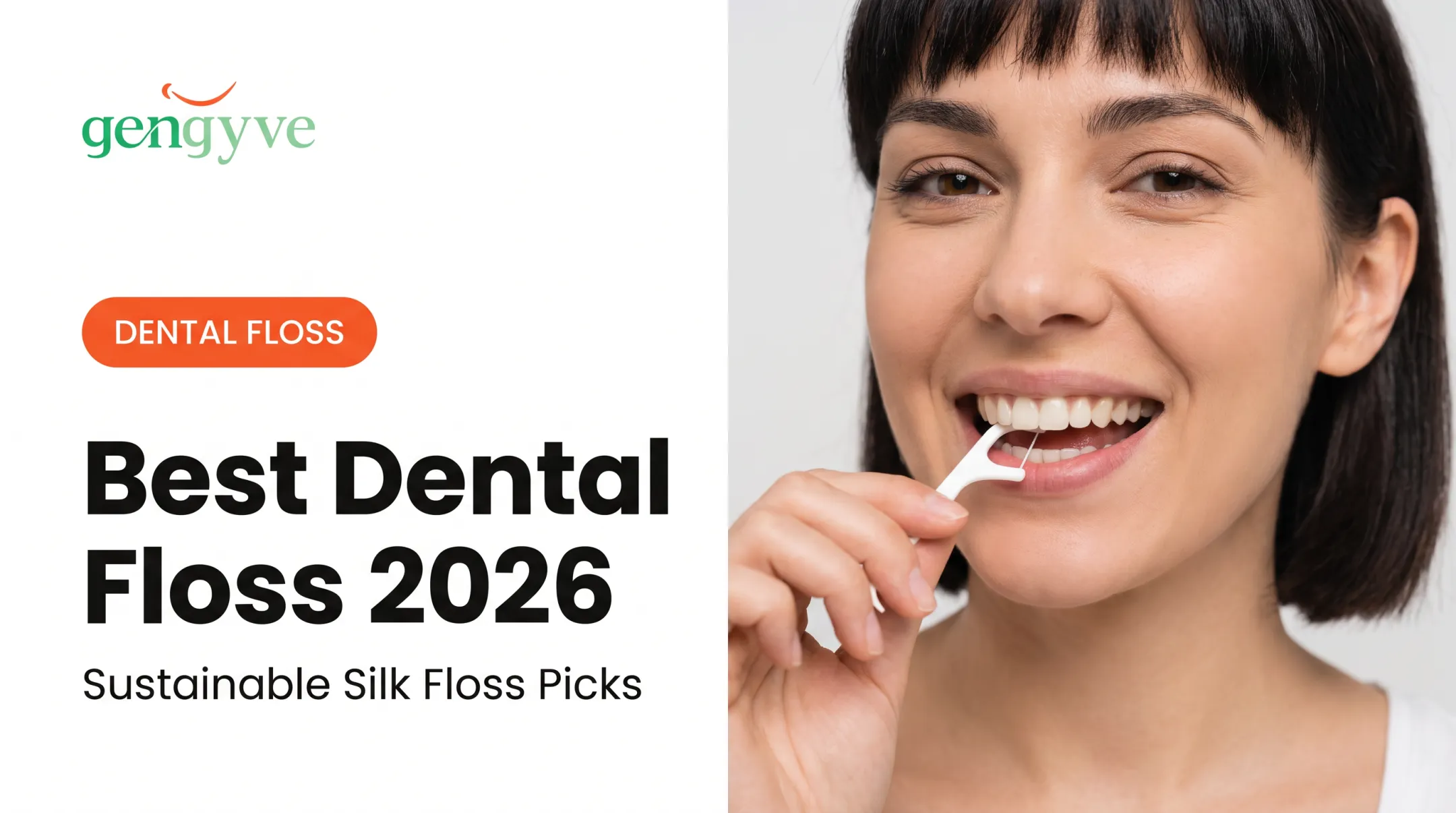
This is where Gengyve USA's Silk Floss fits in. It's made from 100% natural silk, lightly coated in plant-based wax, and designed to glide between teeth without shredding on tight contacts.
The instructions are simple: cut about 18 inches (45 cm), curve it into a C against each tooth, and slide up and down. It ships in a refillable glass container with compostable packaging, and runs $6.97 per bottle, which keeps the cost argument firmly in floss's favor.

Water Flossers
A water flosser, also called an oral irrigator, directs a controlled stream of water between teeth and along or beneath the gumline. The hydraulic action flushes debris and disrupts bacterial buildup, though it isn't identical to scraping plaque directly off the tooth.
Modern devices usually include:
- Adjustable pressure settings
- Specialized orthodontic or implant tips
- Cordless or countertop designs
- Varying reservoir sizes for longer sessions
They're particularly practical around braces, bridges, implants, and periodontal pockets, areas where threading string floss can be awkward or outright impossible.
Water Flosser vs String Floss: What Is Better for You?
The right answer depends on a handful of factors: tooth spacing, gum health, restorations, orthodontic hardware, dexterity, sensitivity, budget, and whether you'll actually use the tool daily.
Choose string floss if you have:
- Tight natural tooth contacts
- Healthy gums with no major restorations
- Good manual dexterity
- A consistent C-shape technique you can maintain
Consider a water flosser if you have:
- Braces, bridges, or implants
- Wider interdental spaces
- Periodontal concerns or sensitive gums
- Limited hand mobility, such as from arthritis
A water flosser can feel easier, but it still demands the right pressure, correct positioning, and regular cleaning of the unit itself. Either tool can cause occasional light bleeding when inflamed tissue adjusts to regular cleaning. Persistent bleeding, pain, swelling, or gum recession warrants a dentist visit rather than just switching tools.
Combining both methods works well for some people: string floss for tight contacts, a water flosser for the gumline and dental work, provided the routine stays manageable. Anyone with periodontal disease, recent oral surgery, or implants should ask their dental professional about the appropriate tip, pressure, and timing before adding a new tool.
Real-World Scenarios and Evidence to Consider
Scenario 1: Braces, bridges, or implants. A 2024 implant trial found bleeding on probing improved in 18 of 20 implants using irrigation versus 6 of 20 using floss over 30 days. That is a meaningful signal, though it was a single-center study on single implants, not bridges or multi-tooth restorations.
For orthodontic patients, a 2024 14-day fixed-appliance trial found both methods reduced plaque and bleeding with no significant difference between them. Water flossers improve access without necessarily outperforming floss.
Scenario 2: Tight natural contacts, strong technique. For someone with healthy gums and no restorations, string floss remains a low-cost, effective choice. A university-funded 2022 orthodontic trial comparing specialized floss and irrigation found no significant overall difference in plaque reduction, reinforcing that proper technique matters more than the tool itself.
On the evidence overall: Systematic reviews show inconsistent results. Some studies favor irrigation for plaque; others find no difference.
Keep these caveats in mind:
- Industry-funded and independently funded trials both appear in the literature
- Reviewers often rate certainty as low to very low
- Treat any single-brand study as context, not universal proof
What neither tool does: remove hardened tartar. That requires a professional cleaning. A complete routine still looks like brushing twice daily, cleaning between teeth once daily, and following up with a dentist about ongoing bleeding or gum symptoms.

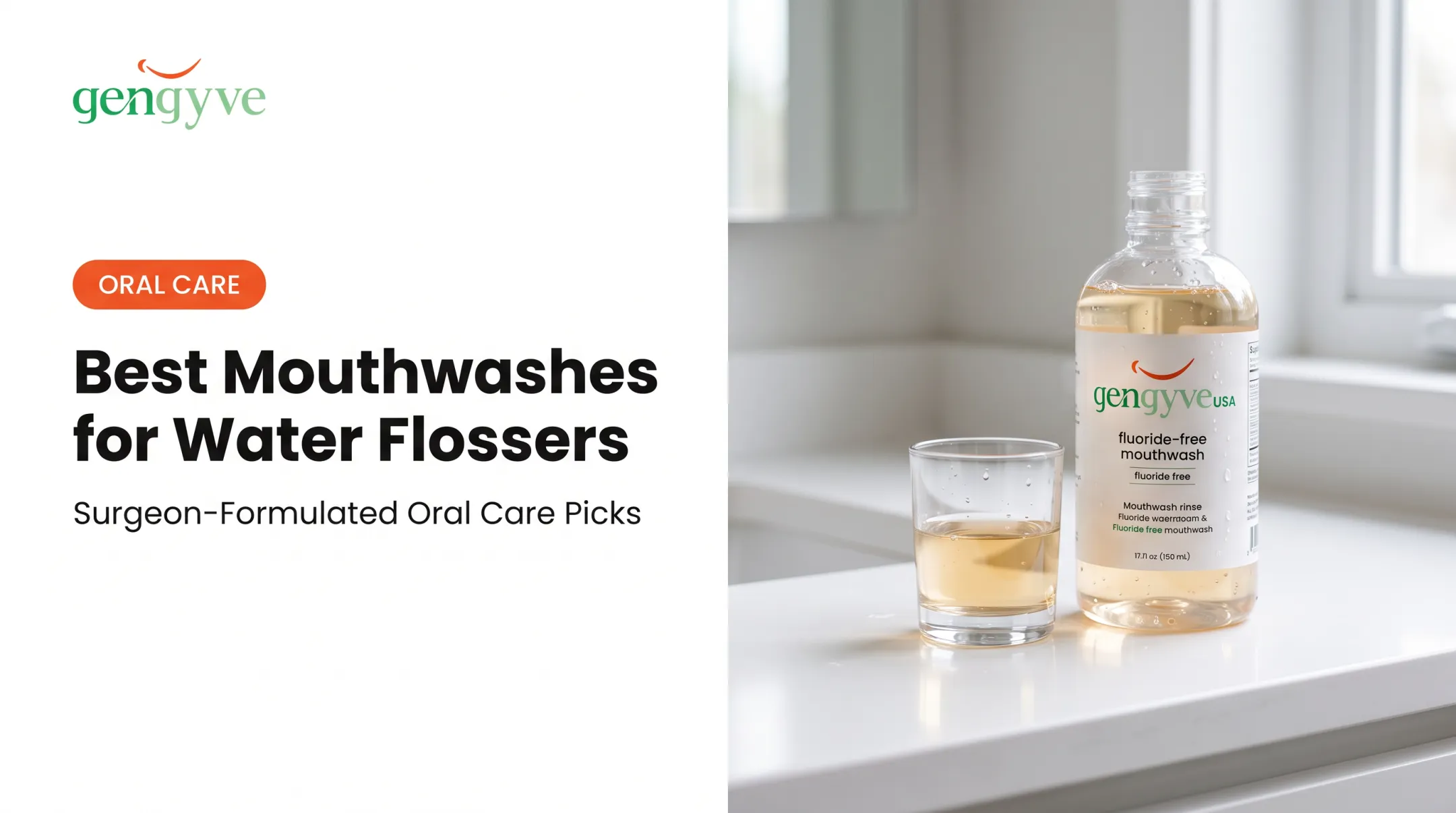
Some people also add an alcohol-free mouthwash to this routine as a rinse-based adjunct. Gengyve USA's CPC and hyaluronic acid mouthwash, developed by a practicing oral and maxillofacial surgeon, is designed to complement brushing and interdental cleaning rather than replace either one. It's not a substitute for flossing or a dental visit.
If you have braces, implants, periodontal concerns, persistent bleeding, or you're simply unsure which method fits your mouth, ask your dental professional for a personalized recommendation.
Conclusion
String floss remains a strong, inexpensive option for anyone who can use correct technique consistently. Water flossers earn their keep around complex dental work, accessibility challenges, and for people who've never been able to stick with a floss routine.
The best choice is whichever one safely reaches your problem areas and actually becomes a daily habit. Using both isn't overkill for some people; it's practical. Either way, neither tool replaces brushing, professional cleanings, or individualized dental guidance, especially if you're dealing with bleeding, pain, swelling, or diagnosed gum disease.
Frequently Asked Questions
Is it better to use a water flosser or string floss?
Both support interdental cleaning effectively. String floss offers direct mechanical contact, while water flossers make irrigation around dental work or for limited dexterity easier. Choose based on your needs and which one you'll use consistently.
What do dentists think of water flossers?
Dental professionals generally view water flossers as a legitimate interdental-cleaning option, particularly for braces, implants, bridges, or dexterity challenges. Correct technique and individualized advice still matter.
Can a water flosser get plaque off teeth?
Yes, water flossers can disrupt and remove plaque and debris in treated areas, but they don't remove hardened tartar and may not fully replicate the scraping action of string floss on tight contacts.
Can a water flosser replace string floss?
For some people, especially those with braces, implants, or limited dexterity, a water flosser can serve as the primary method if recommended by a dental professional. Others may benefit from using both.
Is it better to use both a water flosser and string floss?
String floss handles tight contacts well, while a water flosser flushes around the gumline and dental work. A simpler routine you'll stick to daily often beats a more complex one you abandon.
Which is better for braces, implants, or bridges?
Water flossers are typically easier to maneuver around orthodontic hardware and fixed restorations. Anyone with implants or recent dental work should follow their dentist's specific pressure and technique instructions.