Introduction
Persistent bad breath, bleeding gums, or a rinse that burns like rubbing alcohol on a paper cut. These are the reasons many people start researching chlorine dioxide oral mouthwash in the first place.
People often treat chlorine dioxide as a single magic ingredient. Real-world results depend on the specific formulation, how you use it, and what your mouth actually needs.
This article breaks down the potential benefits, how it stacks up against other mouthwash ingredients like chlorhexidine, safety considerations, and why no rinse replaces a full oral-hygiene routine.
Key Takeaways
- Chlorine dioxide oxidizes odor-causing sulfur compounds and may suppress select oral bacteria
- Benefits like fresher breath and plaque support depend heavily on the specific product and consistent use
- Alcohol-free formulas tend to feel gentler for dry or sensitive mouths, though that's not a universal fix
- Mouthwash supports, but never replaces, brushing, flossing, and dental visits
- Bleeding, pain, or ongoing symptoms always warrant a conversation with your dentist
What Is Chlorine Dioxide Oral Mouthwash?
Chlorine dioxide oral mouthwash is a rinse containing a carefully controlled amount of chlorine dioxide, or a chemical system designed to generate it, formulated specifically for safe use in the mouth.


It is not the same as the chlorine dioxide used in industrial water treatment, and it should not be confused with homemade or unapproved "chlorine dioxide solutions" sold outside proper oral-care channels.
Chlorine dioxide is an oxidizing compound. In oral care, that oxidation reacts with volatile sulfur compounds, the molecules largely responsible for bad breath, and can affect certain odor-producing microorganisms along the way.

Safety and effectiveness still come down to the full formulation, not one ingredient on the label. That includes:
- Concentration and chemical stability
- How long the product stays in contact with oral tissue
- Manufacturing quality controls
- Clear, accurate label instructions
Never mix, dilute, or ingest a non-approved chlorine dioxide product. Stick to finished, labeled oral-care formulas only.
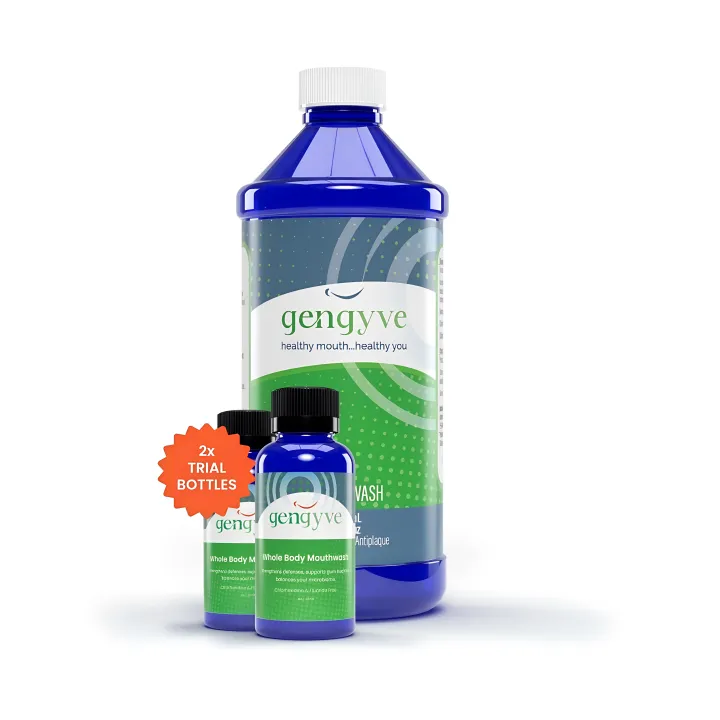
Not every alcohol-free, chlorhexidine-free rinse relies on chlorine dioxide. Gengyve USA, developed by Dr. S. Thaddeus Connelly, an oral and maxillofacial surgeon and UCSF Full Clinical Professor, takes a different route.
Its formula combines cetylpyridinium chloride, hyaluronic acid, pullulan, polyvinylpyrrolidone, and castor oil instead of chlorine dioxide, while still fitting the gentle, professional-grade category many people want. When you compare options, check the current label rather than assuming every alcohol-free rinse uses the same active ingredient.
Key Benefits of Chlorine Dioxide Oral Mouthwash
These are potential, formulation-dependent benefits backed by available research, not a guarantee that every chlorine dioxide product performs identically.
Fresh-Breath Support
Chlorine dioxide tackles bad breath through chemistry. It oxidizes volatile sulfur compounds directly rather than masking them with mint flavoring.
A 2008 breath-odor trial involving 15 men found significantly lower organoleptic breath scores and reduced sulfur-gas measurements for up to four hours after a single rinse, compared to placebo. That's meaningful short-term evidence, but it's a small, single-gender sample with no long-term follow-up.
Persistent bad breath often isn't just about surface odor. It can point to:
- Gum disease or tongue coating
- Dry mouth
- Infection or tobacco use
- Acid reflux
If a rinse isn't fixing the problem, the cause probably needs a dental look, not a stronger mouthwash.
Gum and Plaque Support
Some chlorine dioxide formulas reduce selected oral bacteria or shift the oral environment in ways that support plaque and gum-health goals, but only as a complement to brushing and interdental cleaning.
The evidence here is mixed. A 2008 plaque-comparison trial of 77 participants found chlorhexidine inhibited plaque more effectively than chlorine dioxide over a 3-day accumulation period.
A separate 15-day study of 85 people with gingivitis found both rinses improved plaque and gingival scores with no significant difference between them. Those findings reflect different designs and timeframes more than a true contradiction.

Neither study proves chlorine dioxide matches chlorhexidine for plaque control, and neither removes hardened calculus. Only a professional cleaning does that.
Comfort Compared With Harsh-Feeling Rinses
Alcohol-based mouthwash can sting, dry out tissue, or just feel unpleasant, especially for people already dealing with dry mouth or sensitive gums. An alcohol-free formula, whether it contains chlorine dioxide or another active, often feels more comfortable day to day.
That said, alcohol-free doesn't automatically mean irritation-free. Some people still react to flavoring agents, preservatives, or the active ingredient itself.
Compared to chlorhexidine specifically:
- Chlorhexidine is usually short-term for gingivitis and may cause staining, taste changes, and more calculus with extended use
- Chlorine dioxide scored better on taste in trials, but weaker on plaque control head-to-head
Anyone with active periodontal disease, recent oral surgery, implants, mucositis, severe dry mouth, or known allergies should get a dentist's input before picking a rinse. The same goes for young children.
Possible Post-Procedure or Professional-Use Relevance
Some dental professionals use antimicrobial rinses around procedures or recovery protocols. Chlorine dioxide has been studied in that context, including an ongoing peri-implant mucositis trial and a pilot study on radiation-related oral mucositis in head and neck cancer patients.
These are research protocols, not blanket endorsements. Product choice, timing, and duration for post-surgical or oncology care should come from the treating clinician, not a label alone. Supporting oral comfort is a reasonable claim. Accelerating healing or preventing infection is not, unless a product's evidence specifically supports it.
What Happens When Mouthwash Is Misused or Oral Hygiene Is Ignored
Using more than directed, swallowing a rinse, or mixing an unapproved concentrated solution raises the risk of irritation and, in larger exposures, more serious effects. Formulated oral rinses are typically very dilute, often under 1% active ingredient. That is not a reason to try homemade versions or ignore the label.
If someone swallows a significant amount, contact Poison Control at 1-800-222-1222 or seek medical advice promptly.
Watch for these warning signs that mouthwash shouldn't mask:
- Persistent bleeding or swelling
- Mouth ulcers or ongoing pain
- Loose teeth
- Pus or fever
- Bad breath that doesn't improve with consistent rinsing
Treating mouthwash as a substitute for brushing, flossing, professional cleanings, or prescribed periodontal care stalls real progress. Plaque builds up quietly and can delay diagnosis of a problem that needed attention months earlier.

Side effects such as dryness, taste changes, or irritation vary by product. Check the specific label rather than assuming any rinse is reaction-free.
How to Get the Most Value from Chlorine Dioxide Mouthwash
Results come down to picking a properly labeled product, using it the way the label says, and being honest about whether it actually addresses your oral-health need.
Choose and Use the Product Responsibly
Before buying, check:
- Active ingredients and concentration
- Age recommendations and warnings
- Expiration date
- Manufacturer's rinsing instructions, including contact time and whether to dilute
Follow the label exactly. Don't assume one brand's instructions apply to another. Stop use and call a dentist or doctor if you notice significant burning, swelling, rash, trouble breathing, or any unusual reaction.
Build It Into a Complete Oral-Care Routine
Mouthwash goes after brushing and flossing, not instead of it. A typical routine looks like:
- Brush twice daily with fluoride toothpaste
- Clean between teeth daily with floss or an interdental brush
- Rinse as directed, often for about 60 seconds following brushing
Gengyve's directions, for example, call for brushing and flossing first, then rinsing twice daily, morning and night. People with dry mouth, orthodontic appliances, implants, gum disease, or a history of oral surgery or cancer treatment may need a rinse chosen specifically for their situation. Regular dental visits let a professional track whether bleeding, plaque, or comfort levels are actually improving.
Consider a Dental-Surgeon-Developed Option
If you're drawn to the idea of a gentle, alcohol-free rinse but want something developed with clinical input, look past the marketing copy and check what's behind the label.
Gengyve was formulated by practicing dental surgeons with the goal of something powerful enough for in-office use yet gentle enough for daily home care. It's alcohol-free and chlorhexidine-free, carries an OTC designation, and is documented as non-toxic at recommended concentrations in its safety data. It's positioned as a cosmetic oral rinse, meaning it isn't marketed to treat, cure, or prevent disease. Review the current label and any published research yourself rather than taking a single source's word for it.
Conclusion
Chlorine dioxide oral mouthwash can support fresher breath and contribute to plaque and gum-health goals through oxidation and antimicrobial activity. Whether it delivers on that depends heavily on the specific formulation and how consistently you use it.
Safe use means choosing an approved oral-care product, following the label, keeping expectations realistic, and looping in a dental professional for symptoms or higher-risk situations like surgery, implants, or ongoing bleeding.
Mouthwash, chlorine dioxide or otherwise, is one piece of an ongoing routine. It works alongside brushing, flossing, and regular dental visits. It doesn't replace any of them.
Frequently Asked Questions
What does chlorine dioxide do for your teeth?
It mainly targets odor-related compounds and may help control select oral microorganisms, supporting fresher breath and some plaque-related goals. It doesn't replace fluoride toothpaste, brushing, flossing, or dental treatment.
What are the potential side effects of using chlorine dioxide mouthwash?
Possible effects include irritation, taste changes, or allergic reactions, which vary by product. Swallowing significant amounts or using an improperly prepared solution raises the risk of more serious harm, so always follow the label.
Is chlorine dioxide mouthwash better than chlorhexidine?
Not definitively. Each has different formulations, evidence, and side-effect profiles, with chlorhexidine showing stronger plaque control in some trials and chlorine dioxide rated more favorably on taste. A dentist can recommend the right one for your situation.
Can you use chlorine dioxide mouthwash every day?
It depends on the specific product label and your oral-health needs. Don't exceed the directions, and check with a dental professional if symptoms persist despite regular use.
Does chlorine dioxide mouthwash replace brushing and flossing?
No. It's an adjunct that can't remove all plaque or any hardened calculus. Brushing with fluoride toothpaste, interdental cleaning, and professional care remain essential.
Who should ask a dentist before using chlorine dioxide mouthwash?
Anyone with gum disease, recent oral surgery, implants, persistent ulcers or bleeding, severe dry mouth, or allergies should check first. This also applies to young children and anyone undergoing oncology or radiation treatment.