That's the core problem this article tackles. Tartar-control mouthwash can help slow down new buildup and support healthier gums, but it won't dissolve calculus that's already hardened on your teeth. Only a dental hygienist can do that.
Below, we compare active ingredients, alcohol content, evidence quality, and daily comfort across several widely available rinses, so you can pick one that actually matches your oral-health goals.
Key Takeaways
- Tartar-control mouthwash prevents new buildup; it doesn't remove existing calculus
- CPC, zinc chloride, and essential oils each address a different oral-care goal
- Alcohol-free formulas suit dry mouths and sensitive tissue better
- Your best pick depends on whether you want tartar prevention, gum support, or cavity protection
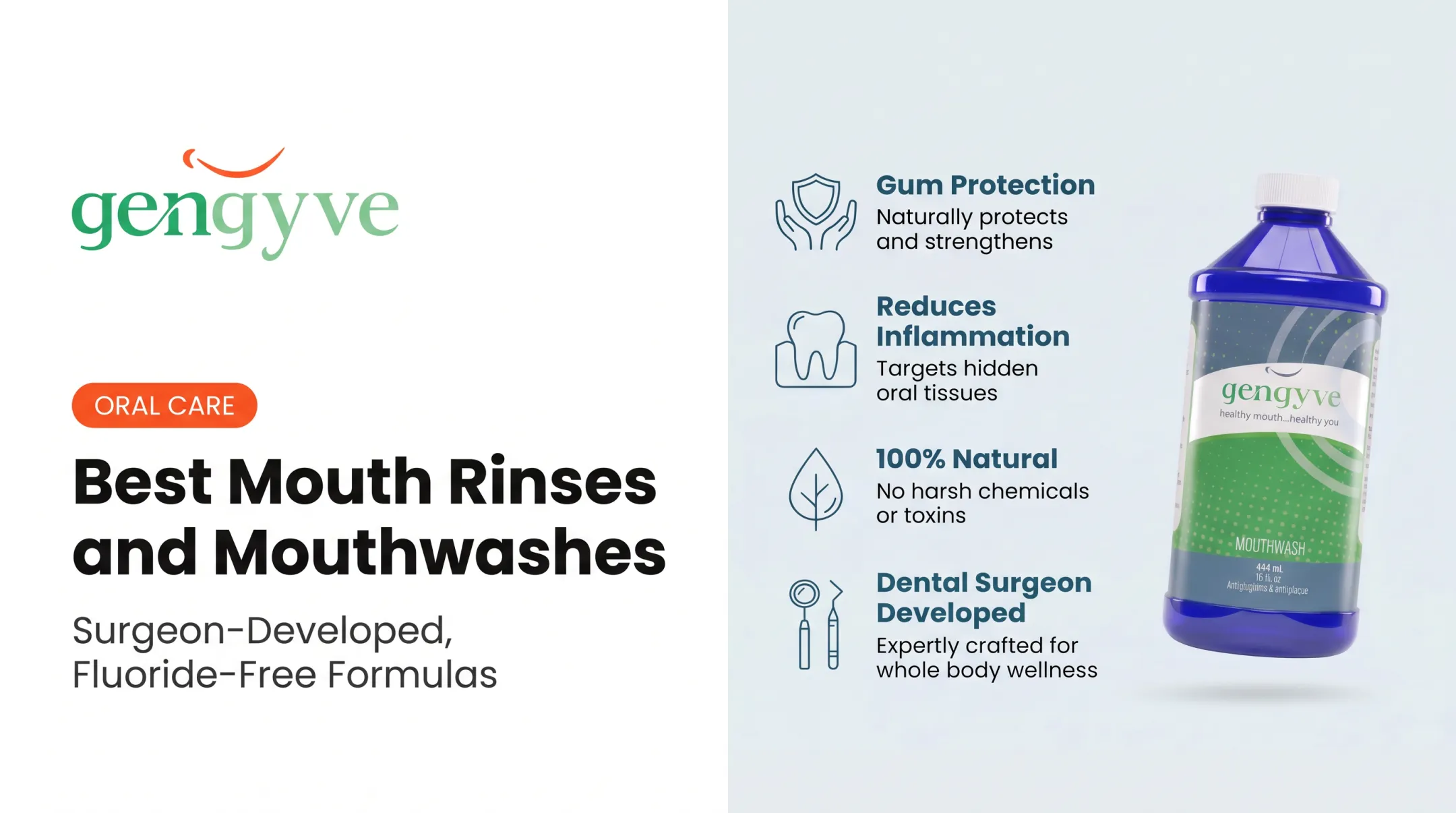
- Gengyve offers a natural, alcohol-free, chlorhexidine-free option for gentle daily use



Overview of Tartar-Control Mouthwash
How Plaque Turns Into Tartar
Plaque is a soft bacterial film that builds up on teeth throughout the day. Left undisturbed, minerals in your saliva start converting it into hard calculus, a process that can begin within 4 to 8 hours and typically takes 10 to 12 days to fully harden, according to Colgate's research.

Once calculus forms, it bonds tightly to enamel and root surfaces. Brushing, flossing, or rinsing can't dislodge it. A dentist or hygienist has to remove it with scaling instruments.
Not All Rinses Do the Same Job
Mouthwash labels throw around a lot of terms, and they're not interchangeable:
- Tartar-control rinses aim to reduce new calculus formation
- Antibacterial/antiplaque rinses target the bacteria that cause plaque
- Antiseptic rinses reduce germ counts broadly
- Fluoride rinses protect enamel against cavities, not tartar
- Cosmetic rinses mainly freshen breath without a therapeutic claim
A single bottle can check more than one box. What matters is the active ingredient list and what it's actually indicated to do, not the marketing on the front label.
Where Mouthwash Fits In Your Routine
Mouthwash is a supplement, not a substitute. The strongest tartar-prevention routine still includes:
- Brushing twice daily with proper technique
- Cleaning between teeth daily, whether with floss or another interdental tool
- Scheduling regular dental checkups and professional cleanings
- Adding a mouthwash that matches your specific goal
With that foundation in mind, here's how several current, widely sold options stack up.
Top Tartar Control Mouthwashes
We selected products that make a relevant tartar, plaque, or gum-maintenance claim, then checked current labels, active ingredients, and available evidence for each.
Gengyve Mouthwash
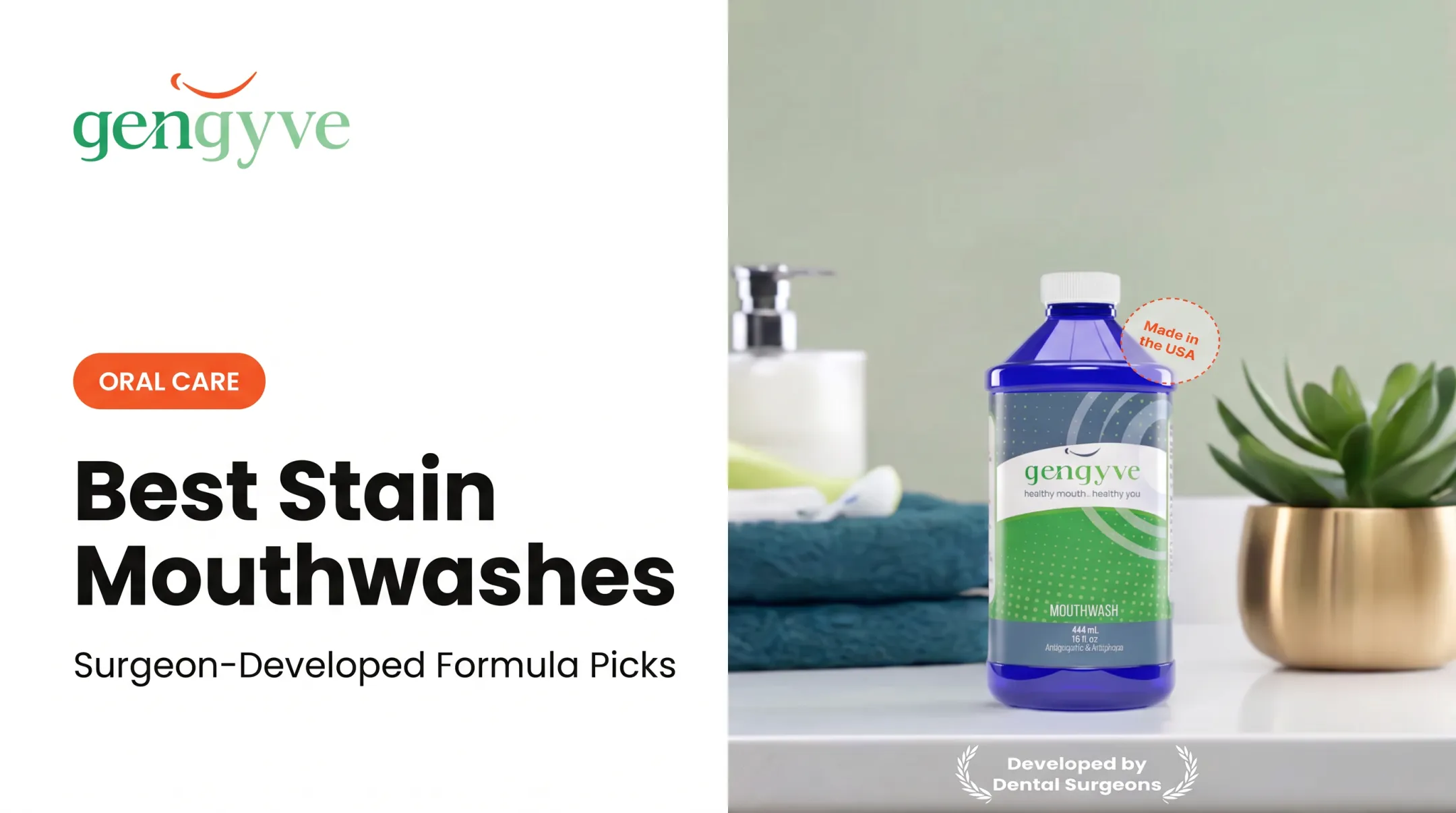
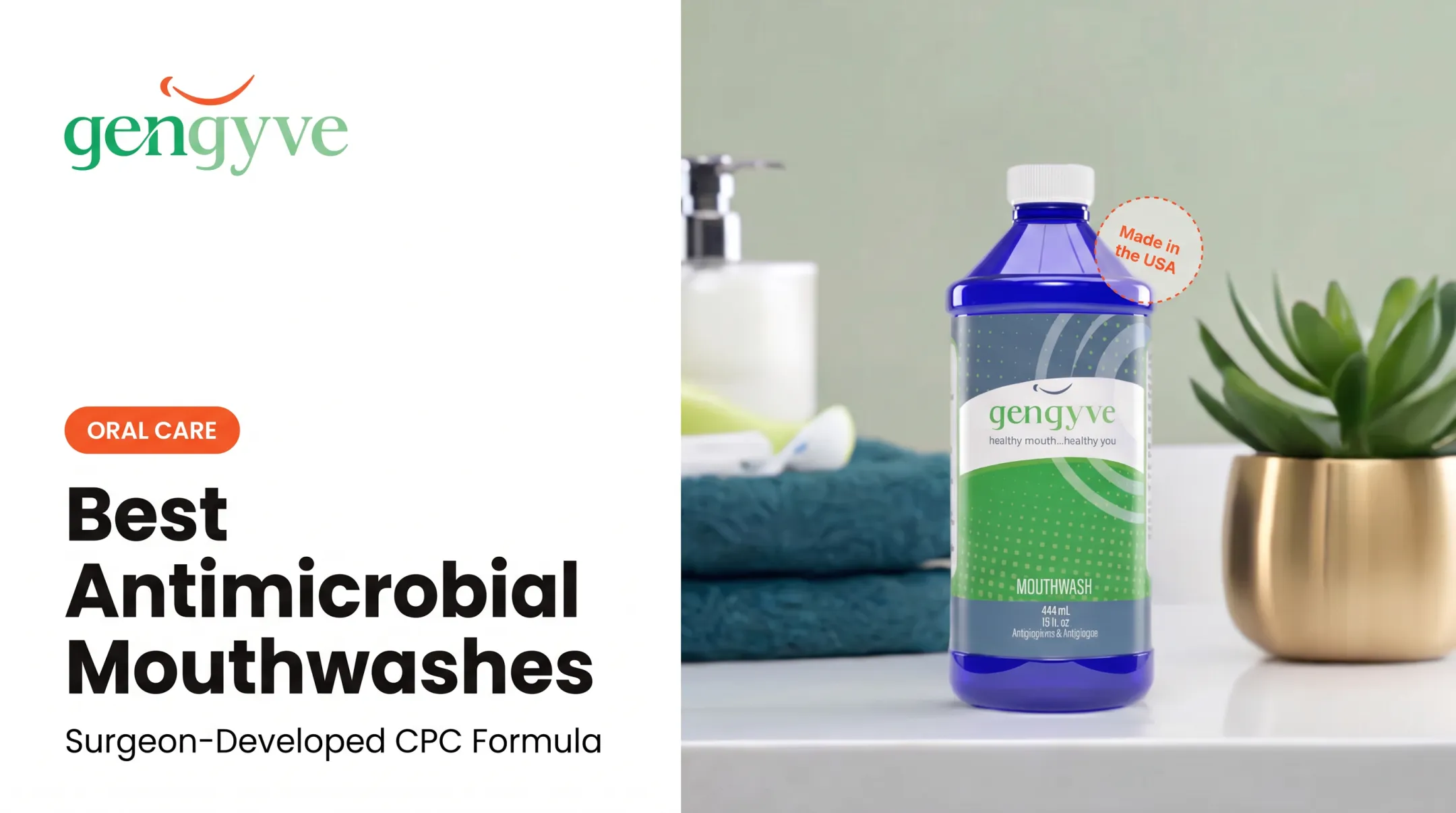
Gengyve is a USA-developed, natural oral-care mouthwash created with input from practicing dental surgeons and educators. It's built around cetylpyridinium chloride (CPC) paired with hyaluronic acid, a combination studied for its effect on gum health and comfort.
What sets it apart for everyday use:
- Alcohol-free and chlorhexidine-free formulation, so there's no harsh burn
- No fluoride, no artificial dyes, positioned as a natural alternative
- Dual-weight hyaluronic acid intended to hydrate and soothe gum tissue
- Labeled for antigingivitis and antiplaque use, with a 60-second swish after brushing twice daily
A 2019 study by Tartaglia and colleagues found a hyaluronic acid and CPC mouthwash improved gingival health, reduced plaque, and was more comfortable than traditional rinses. That's relevant context, but it's not the same as a tartar-removal claim, and Gengyve doesn't currently publish tartar-specific evidence.
Treat it as a gentle daily maintenance rinse, not a replacement for professional scaling. Always check the current label for the full ingredient list and directions before use.
Crest Pro-Health (CPC Tartar-Control Rinse)
Crest's Multi-Protection Clean Mint rinse uses 0.07% CPC as its antigingivitis and antiplaque active ingredient. It's alcohol-free, and the current label doesn't list fluoride among the actives.
A few things worth knowing before you buy:
- Directions call for 20 mL swished for 30 seconds, twice daily, for ages 6 and up (supervise ages 6 to 12)
- Crest acknowledges a small percentage of users see temporary brown surface staining
- Some users report a temporary taste change that typically resolves after stopping use
- The exact SKU's ADA Seal status should be checked directly, since acceptance doesn't automatically transfer between product lines
This is a solid fit for someone who wants a widely available, alcohol-free antibacterial rinse as part of a standard routine.
Listerine (Essential-Oil Rinse)
Essential-oil rinses, like Listerine's Cool Mint Antiseptic, combine eucalyptol, menthol, methyl salicylate, and thymol. The formula is labeled to help prevent and reduce plaque and gingivitis.
Important caveat: that familiar burning sensation isn't proof of extra tartar-fighting power. It's the alcohol (this formula contains 21.6%) and essential oils at work.
A review of 16 studies covering over 4,000 participants found essential-oil rinses produced meaningfully larger reductions in plaque and gingivitis scores than placebo, according to a 2016 systematic review. The underlying studies varied in quality.
Note: Listerine Total Care Intense is a different, fluoride-based anticavity formula with a similar alcohol content. Don't confuse the two when shopping.
Best for: People who don't mind alcohol and want a strong, familiar antiseptic feel. Better served elsewhere: Anyone with dry mouth, sensitive tissue, or a tendency to skip rinsing because of the burn.
TheraBreath Plaque Control (Alcohol-Free Rinse)
TheraBreath's Plaque Control Pre-Brush rinse uses 0.075% CPC, slightly higher than Crest's concentration, and it's also alcohol-free with no fluoride listed.
The key difference is timing. This one is designed for use before brushing, not after, with directions calling for 20 mL swished for 30 seconds, twice daily. The brand markets it for 24-hour plaque and gingivitis protection when paired with consistent brushing, which is a manufacturer claim rather than independently verified superiority.
It's a reasonable pick for:
- People with braces or orthodontic appliances who want to loosen debris before brushing
- Dry-mouth sufferers who need a mild, non-burning formula
- Anyone more likely to stick with a routine when the mouthfeel is comfortable
ACT Anticavity (Fluoride Rinse)
ACT's Anticavity Fluoride Rinse Mint contains 0.05% sodium fluoride (0.02% fluoride ion) and is alcohol-free. This is a cavity-prevention product first and foremost, not a tartar-control formula.
Directions specify 10 mL once daily after brushing, swished for a full minute, with no eating or drinking for 30 minutes afterward. Fluoride mouthrinses have strong backing here: a Cochrane review of 37 trials involving nearly 16,000 children and adolescents found fluoride rinsing reduced caries on permanent teeth by 27%.

If cavities are your bigger concern, this category deserves priority over a pure tartar-control rinse. If you're dealing with multiple issues, such as cavities and gum sensitivity, talk to your dentist about combining strategies rather than picking one bottle to do everything.
Specialized Option: Zinc-Based Rinse
Listerine's UltraClean Intense Antiseptic adds zinc chloride to the standard essential-oil blend, alongside 21.6% alcohol and no fluoride. The brand positions it against tartar buildup specifically.
A 2001 clinical trial involving 334 subjects over 16 weeks found a 0.09% zinc chloride rinse reduced calculus formation by 21% compared to a negative control.
That's a meaningful result, but today's UltraClean formula doesn't disclose its zinc concentration, so you can't assume an identical outcome. Treat this as a differentiated option worth asking your dentist about, not a guaranteed match to the original study.
How We Chose the Best Tartar Control Mouthwashes
We prioritized prevention and maintenance claims that hold up under scrutiny, not vague promises to dissolve or scrape away tartar that's already hardened.
Evidence Behind Each Ingredient
| Ingredient | What the research shows |
|---|---|
| Pyrophosphates | A 2019 trial improved a calculus index score, but researchers stopped short of confirming anticalculus efficacy |
| Zinc chloride | 21% calculus reduction in one 16-week trial; not proven across all zinc formulas |
| CPC | A 2008 review of 8 studies found small but significant plaque and gingivitis reductions as an add-on to brushing |
| Essential oils | Moderate-to-large reductions in plaque and gingivitis across 16 reviewed studies |
| Fluoride | Strong, consistent evidence for cavity prevention; not studied for calculus |
Several of these studies had industry funding or author affiliations, which doesn't invalidate the findings. Still, you shouldn't treat one manufacturer's trial as proof for every competitor's product.
Safety and Everyday Tolerability
The ADA notes that alcohol can contribute to dryness, making alcohol-free formulas a sensible choice for people with xerostomia. That said, a 2025 trial comparing alcohol-containing and alcohol-free essential-oil rinses found similar outcomes over two weeks, so alcohol-free isn't automatically superior on effectiveness. Pick alcohol-free for comfort when dryness is an issue.

Other checks we applied:
- Staining or taste-alteration warnings on the label
- Age restrictions and supervision guidance
- Allergy or sensitivity warnings
- Whether the product is meant for short-term or indefinite daily use
Matching the Rinse to Your Goal
Your priority should drive the pick:
- Tartar prevention → CPC or zinc-based formulas
- Bleeding or inflamed gums → essential-oil or CPC rinses with gingivitis claims
- Cavity risk → fluoride rinse
- Dry mouth or sensitivity → alcohol-free formula, regardless of active ingredient
- Braces, implants, or recent procedures → ask your dentist before adding a new rinse to your routine
Common Selection Mistakes
Avoid these traps when shopping:
- Assuming a burning sensation means a rinse is "working harder"
- Treating "natural" as automatic proof of enamel safety
- Using prescription-strength rinses without professional guidance
- Expecting any mouthwash to replace brushing, flossing, or scaling appointments
Conclusion
The best tartar-control mouthwash matches your oral-health needs and comfort level. That may mean CPC for plaque, zinc for calculus, fluoride for cavities, or a gentle alcohol-free formula for daily comfort. None of them replace a professional cleaning once tartar has hardened.
Use mouthwash as one piece of a complete routine alongside brushing, interdental cleaning, and regular dental visits. See a dentist promptly if you notice:
- Bleeding gums
- Persistent bad breath
- Loose teeth or gum recession
- Pain or visible calculus
If you're looking for a gentle, natural, alcohol-free option for everyday maintenance, Gengyve's dental-surgeon-developed mouthwash is worth a look. Review the current product label and talk with your dentist about what fits your specific situation.
Frequently Asked Questions
What is the best mouthwash for tartar removal?
No mouthwash reliably removes tartar that's already hardened on your teeth. For existing calculus, professional scaling is the only real solution. Mouthwash can help control plaque and slow new buildup between visits.
Does tartar-control mouthwash really work?
Effectiveness depends on the specific active ingredient, how closely you follow the directions, and consistent daily use. These rinses reduce new buildup; they don't dissolve tartar that's already hardened.
What removes hardened tartar?
A dentist or dental hygienist removes it using professional scaling instruments. Don't attempt to scrape tartar off at home, as it can damage enamel and gum tissue.
What's the difference between a mouthwash and a rinse?
The terms are mostly used interchangeably. "Rinse" sometimes appears on labels for a formulation with a specific purpose, like fluoride protection or dry-mouth relief.
Can mouthwash prevent tartar from forming?
Some formulas support plaque control and reduce conditions that lead to new tartar. Brushing, interdental cleaning, and regular dental visits still matter most for prevention.
Is alcohol-free mouthwash better for tartar control?
Alcohol-free doesn't automatically mean more effective. It's often more comfortable for dry mouth or sensitive tissue. Compare the active ingredients and intended use before choosing.