
That's partly true. Flossing removes plaque, trapped food, and some surface buildup from between your teeth. It does not bleach enamel or change your tooth's actual color. What it does is clear away the grime that makes teeth look duller and less even than they really are.
This article covers how flossing supports a brighter-looking smile, the technique that actually works, which types of discoloration it can't touch, and when it's time to call a dentist instead of reaching for more floss.
Key Takeaways
- Flossing removes plaque and debris; it doesn't bleach teeth chemically
- Clearing buildup between teeth can stop stain-causing pigments from settling in
- Healthy, non-inflamed gums make a smile look brighter by framing it well
- Daily flossing works best alongside brushing, dental visits, and safe whitening methods
- Deep or internal discoloration needs a dentist, not more flossing
What Is Natural Whitening Through Flossing?
"Natural whitening," in this context, doesn't involve any chemical process. It means removing the external buildup sitting on top of your enamel that dulls its appearance: plaque, food particles, and loose surface stain. Clear that film away, and teeth look cleaner and more uniform, even though the enamel underneath hasn't shifted shade at all.
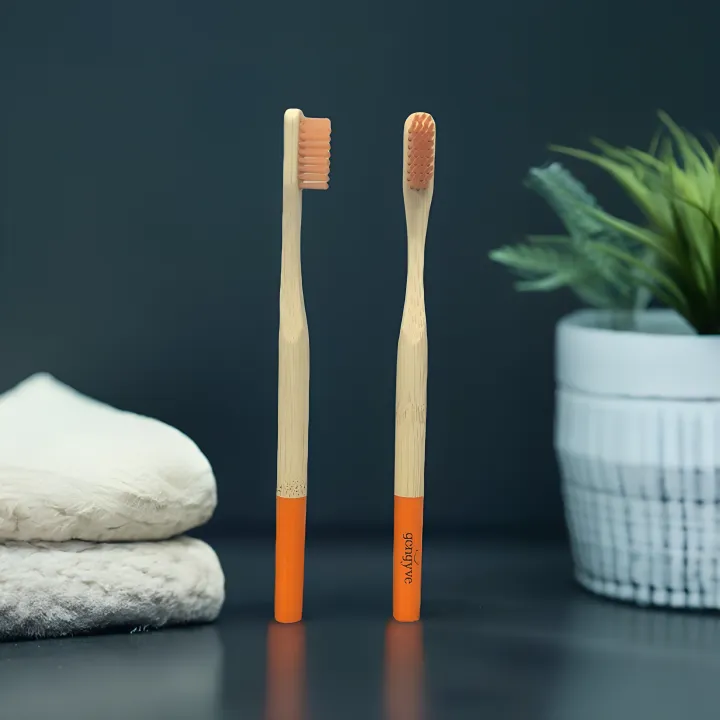

A toothbrush handles the flat, outer surfaces of teeth well. It can't reach the tight contact points between teeth or slide just under the gumline, where plaque likes to collect. That's where floss earns its keep.
According to ADA's flossing guidance, interdental cleaners remove trapped food and the bacterial film along the gumline before it hardens into tartar.
Two terms matter here:
- Extrinsic stain: colored compounds sitting on the enamel surface, usually from food, drink, or tobacco
- Intrinsic stain: discoloration inside the tooth, within the enamel or dentin, that no amount of cleaning will touch
Gengyve's silk floss, for example, is built to glide through tight contacts and lift away trapped debris without shredding or snapping against the gums. That's a cosmetic improvement through cleanliness, not a whitening treatment.
Key Advantages of Flossing for a Brighter-Looking Smile
Flossing and whitening handle two different jobs: cleaning away buildup and chemically bleaching enamel. Flossing does the first. Peroxide-based whitening, whether applied at the dentist's office or bought over the counter, does the second. Both belong in a smile routine, but neither replaces the other.
Removes Plaque and Trapped Debris Between Teeth
Plaque and food particles collecting between teeth can make that entire area look darker, duller, or patchy compared to the rest of your smile. It's usually not a true stain; it's grime sitting where a toothbrush can't quite reach.
Gently working floss along each tooth surface, including just under the gumline, clears that buildup away. The result is a more even, cleaner-looking smile. Enamel shade stays the same; you're only clearing what was covering it.
Helps Limit New Surface Staining
Coffee, tea, red wine, tobacco, and richly colored sauces all contain pigments that latch onto plaque and hardened deposits more easily than onto clean enamel.
Lab research on tea and red wine has shown that pigmented compounds stick readily to the thin protein layer on tooth surfaces. With repeated exposure, those deposits build up and get harder to remove.
Flossing regularly clears the sticky film away before pigments have much to grab onto. Floss can't break down tartar or lift stains that have already hardened into it, though. At that point, a professional cleaning is what's needed.
Supports Healthier Gums That Frame the Smile
Plaque sitting at the gumline doesn't just raise cavity risk. It can trigger redness, swelling, and bleeding that make even white teeth look less healthy overall. A smile surrounded by puffy, inflamed gum tissue reads as "unwell," regardless of tooth shade.
A 2019 Cochrane review covering 35 clinical trials and nearly 4,000 adults found that adding floss to brushing reduced gingivitis compared with brushing alone. Effects showed up at one, three, and six months, according to Cochrane's 2019 review.

The certainty behind that evidence is rated low, so treat it as a meaningful trend rather than a guarantee. It still tracks with what most hygienists see chairside: flossing won't treat existing gum disease on its own, but it helps keep gum tissue calm and pink instead of red and swollen.
Helps Maintain a More Even-Looking Smile Around Dental Work
Crowns, bridges, implants, orthodontic brackets, and tightly spaced teeth all create extra nooks where plaque hides in plain sight. Left alone, that buildup shows up as a visible haze right where the restoration meets your natural tooth.
Ask your dentist or hygienist which tool fits your specific situation:
- Traditional string floss works for many restorations
- A floss threader helps around bridges and orthodontic wires
- Interdental brushes or water flossers suit wider gaps or hard-to-reach spots
Gengyve's silk floss pairs well with most routine maintenance, though braces or implants sometimes call for something more specialized. One caveat worth repeating: flossing doesn't whiten the restoration itself. Crowns, veneers, and fillings are made of materials that don't respond to cleaning or whitening products the way natural enamel does.
What Happens When Flossing Is Missing or Ignored
Skip interdental cleaning for long enough, and plaque simply stays put, building up until it hardens into tartar that neither floss nor brushing can remove at home. That trapped debris is exactly what catches stain pigments, so the dullness people try to fix with whitening often starts right here.

Common, well-documented downsides of inconsistent flossing include:
- Persistent bad breath from decaying food particles and bacteria
- Red, swollen, or bleeding gums
- Higher risk of cavities developing between teeth
- Visible plaque buildup along the gumline
According to NIDCR's gum disease guide, plaque left in place can harden into tartar, and bacteria in both can inflame and damage gum tissue over time. That's general risk information, not a diagnosis.
If your gums bleed every time you floss, or you notice loose teeth, persistent pain, swelling, or a tooth that suddenly changes color, see a dentist instead of managing it with more flossing or a whitening product.
One more thing: technique matters as much as consistency. Snapping floss down hard against the gums doesn't clean better or whiten anything. It just causes soreness and bleeding. Gentle, controlled movements do the job better.
How to Get the Most Value from Flossing
Flossing works best as one piece of a full routine, not a standalone fix. Pair it with:
- Brush twice daily with fluoride toothpaste
- Choose an interdental tool suited to your mouth
- Limit all-day sugar and pigment exposure on teeth
- Keep regular dental checkups and professional cleanings
A Simple Flossing Technique
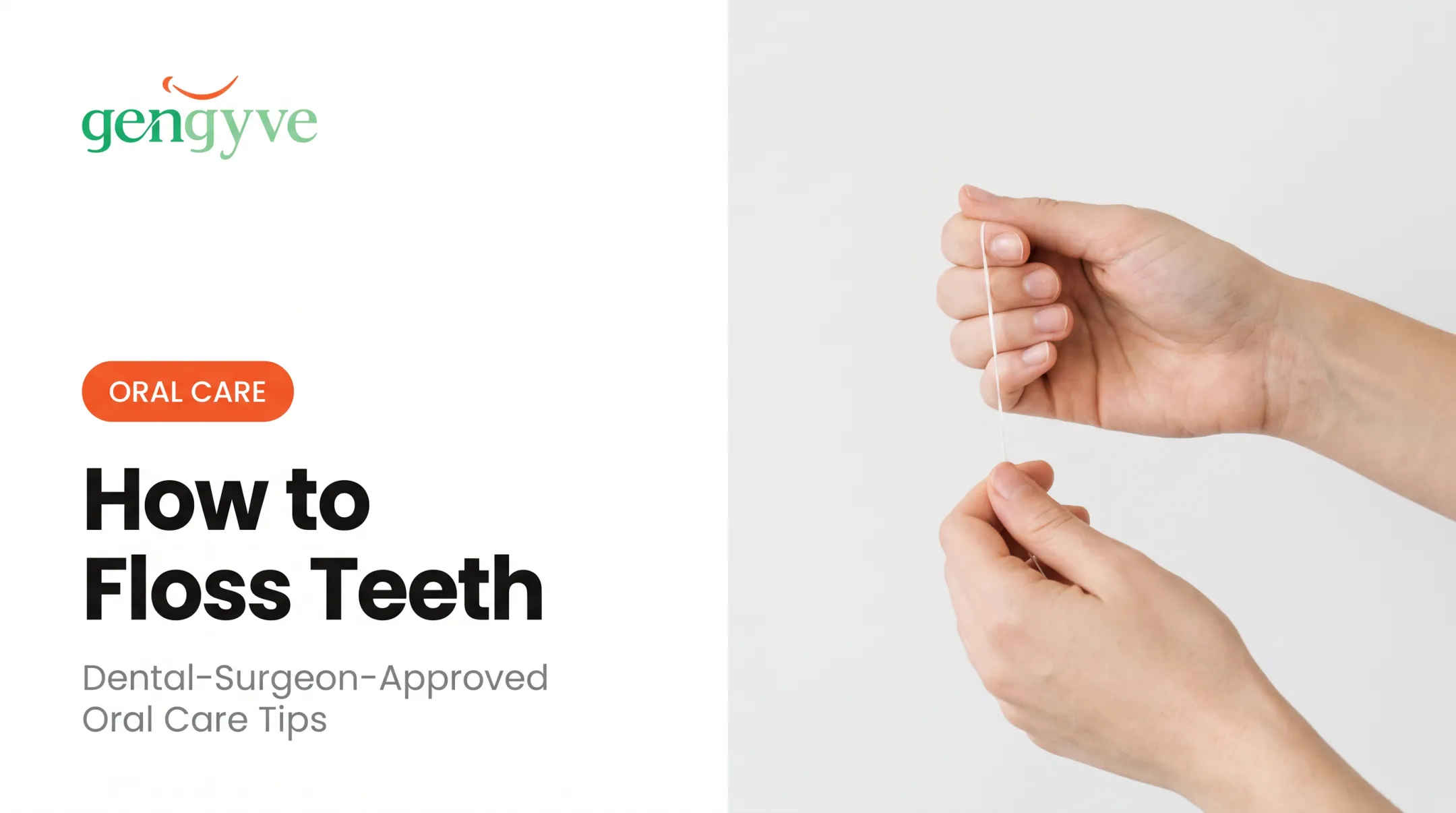
- Cut about 18 inches of floss and wind most of it around your middle fingers, leaving a few inches to work with
- Guide it gently between teeth, never snap or force it downward into the gums
- Curve it into a C shape against one tooth, then slide it up and down along the surface, including just under the gumline
- Move to a clean section of floss for the next space, and don't skip the back teeth, where food and plaque hide most often
Gengyve USA's silk floss is built for this same gentle C-shape motion, so you lift plaque and debris instead of sawing side to side.
Once-daily interdental cleaning is a reasonable baseline for most adults. If you have braces, implants, bridges, or existing gum disease, ask your dentist about personalized instructions.

Choosing the Right Tool
| Tool | Best For | Note |
|---|---|---|
| String floss | Tight contacts between teeth | Most versatile; needs correct technique |
| Floss picks | Quick use, less dexterity needed | Good backup, same cleaning principle |
| Interdental brushes | Wider gaps, braces, some bridges | May outperform floss for gum health in some studies |
| Water flossers | Braces, bridges, implants | Useful when string floss is hard to maneuver |
The best tool is simply the one you'll use correctly, every day. Perfect technique with the "wrong" tool beats sporadic use of the "right" one.
Many people find it easier to floss before brushing, since loosened debris gets brushed away afterward. The order matters less than doing it thoroughly, every single day.
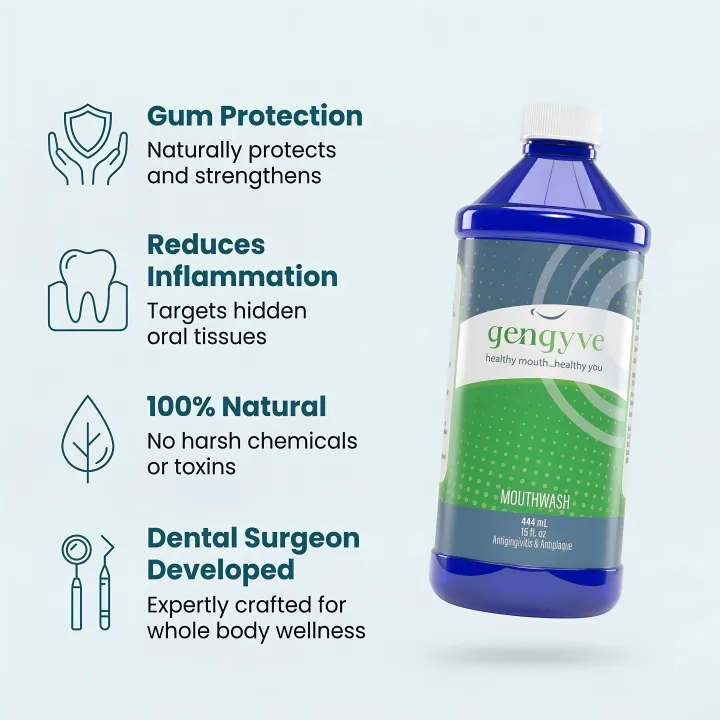
A daily mouthwash can round out the routine, too. Gengyve USA's alcohol-free, dental-surgeon-developed rinse is designed to support a fresh feel and daily gum care. Use it as a complement to flossing and brushing, not a substitute for either, and not a whitening treatment.
Conclusion
Flossing earns its place in a brighter-looking smile by clearing plaque, debris, and surface pigment that make teeth look duller and less even. The difference is real and visible, without bleaching enamel.
Focus on gentle, consistent daily cleaning between teeth, paired with regular brushing and dental visits.
If stains persist despite good habits, or you notice bleeding, swelling, pain, or a tooth that has suddenly changed color, talk with your dentist. Extra floss will not fix those issues.
Paired with solid daily habits, and a natural mouthwash as a finishing touch if you want one, flossing keeps your smile looking as clean and healthy as it actually is.
Frequently Asked Questions
What is the healthiest way to whiten my teeth?
Start with an oral health check-up, since some discoloration needs professional attention. From there, consistent brushing, daily interdental cleaning, and cutting back on staining habits go a long way, with evidence-based whitening added if your dentist recommends it.
How often should I floss each day?
Most adults do well with one thorough round of interdental cleaning daily, paired with twice-daily brushing. If you have braces, implants, bridges, or gum disease, ask your dentist whether you need a different frequency or tool.
Does flossing actually whiten your teeth?
Not in the chemical sense; floss doesn't bleach enamel. It can make teeth look brighter by clearing out plaque, trapped debris, and some surface staining that builds up between teeth.
Can flossing remove yellow stains from teeth?
It depends on the cause. Flossing clears loose surface buildup, but not tartar, hardened stains, or yellowing from inside the tooth. Persistent yellowing is worth a dental visit.
Is flossing better than whitening toothpaste for a brighter smile?
They do different jobs. Flossing cleans between teeth and supports gum health, while whitening toothpaste, used as directed, may help lift certain surface stains. Neither one replaces the other.