CoQ10 is a naturally occurring antioxidant your cells use to produce energy, and researchers have studied it in connection with gum health for years. But here's the catch: most of that research looked at CoQ10 in gels, capsules, or toothpaste — not mouthwash. Evidence for one delivery format doesn't automatically transfer to another.
This guide walks through what CoQ10 may offer, where the evidence gets thin, how to read a label, and when a dental visit beats another bottle of rinse.
Key Takeaways
- CoQ10's antioxidant role is well documented, but mouthwash-specific evidence lags behind supplement and gel research
- A natural CoQ10 rinse supports a hygiene routine; it doesn't replace brushing, flossing, or professional dental care
- Check the ingredient list, CoQ10 form, and alcohol content before assuming "natural" means gentle or effective
- Persistent bleeding, swelling, pus, or loose teeth call for a dentist, not a new mouthwash
What Is CoQ10 and Why Is It Used in Mouthwash?
Coenzyme Q10, also called ubiquinone, is a compound your body produces naturally to help mitochondria generate cellular energy. It also acts as an antioxidant, neutralizing the reactive oxygen species that build up during inflammation.


That dual role is why researchers got curious about gum tissue in the first place. Periodontal disease involves both oxidative stress and chronic inflammation, so a molecule that addresses both looked promising on paper.
Ubiquinone vs. Ubiquinol
You'll see two forms on labels:
- Ubiquinone – the oxidized form, more common in oral-care products
- Ubiquinol – the reduced, active antioxidant form
They convert back and forth in the body, but that doesn't mean they perform identically in a mouthwash bottle. If a product doesn't specify which form it uses, that's a gap worth noting before you buy.
Why Delivery Format Matters
Swallowing a CoQ10 capsule is a completely different exposure than swishing a liquid for 30 seconds and spitting it out. A capsule gets absorbed systemically. A rinse only contacts tissue briefly, and how much actually penetrates depends on:
- Concentration in the formula
- Solubility of the CoQ10 used
- Contact time during swishing
- Whether the formulation helps the compound reach gum tissue at all
A mouthwash seems like a logical delivery method because it reaches most surfaces in the mouth at once. But reaching tissue and being absorbed in a clinically meaningful amount are two different things, and that gap is where a lot of marketing claims outrun the science.
Potential Oral-Health Benefits and the Evidence
This is where things get nuanced. CoQ10 research exists, but it's scattered across different delivery methods, and the results don't always agree.
A 2025 systematic review in the European Journal of Oral Sciences pooled 10 trials, four testing local gel application and six testing swallowed supplements. The gel trials showed no significant pooled benefit for pocket depth or attachment loss.
The supplement trials found a modest additional improvement, about 0.4 mm in probing depth, when CoQ10 was taken alongside professional treatment. The authors behind the Fernandez review rated the overall evidence as very low certainty.
Other reviews don't even agree with each other:
- A 2022 meta-analysis of 11 trials found CoQ10 gel improved bleeding and pocket-depth measurements
- A 2023 review of 17 trials concluded effectiveness couldn't yet be established
- Both reviews flagged high heterogeneity and inconsistent study quality
What About Mouthwash Specifically?
Here's the honest answer: this body of research identified no published human trial testing a stand-alone CoQ10 mouthwash. The positive findings above came from gels applied directly into periodontal pockets, capsules swallowed daily, or toothpaste used for brushing, not a rinse.
A 2022 trial gave 42 patients with diabetes and chronic periodontitis either CoQ10 capsules or a placebo alongside scaling and root planing. The CoQ10 group showed improvement in several measurements, but gingival index didn't differ significantly between groups. Again, that's a swallowed supplement, not a rinse.

Receding Gums and Bacteria Claims
Be skeptical of any product claiming to regrow lost gum tissue. A 2024 pilot study testing CoQ10 after gum-recession surgery found no significant improvement in early wound healing or root coverage after six months.
Recession typically involves gum and bone loss from mechanical or periodontal factors. Reversing it generally requires surgical intervention, not rinsing.
Similarly, claims about CoQ10 killing bacteria or rebalancing the oral microbiome aren't supported by the trials reviewed here. Antioxidant activity isn't the same as antibacterial activity.
How to Choose a Natural CoQ10 Mouthwash
Before buying anything marketed as a "natural CoQ10 mouthwash," read the label the way you'd read a nutrition label, not an advertisement.
Check for:
- The exact CoQ10 form (ubiquinone or ubiquinol) and concentration, if disclosed
- Full active and inactive ingredient lists, not just the headline ingredient
- Directions for use, warnings, and an expiration date
- Manufacturer contact information for questions
"Natural" Isn't a Clinical Claim
"Natural" describes sourcing, not safety or effectiveness. Alcohol-free, chlorhexidine-free, essential-oil-based, dye-free — these are all different categories, and none of them is automatically "best."
Someone with dry mouth might do better avoiding alcohol. Someone with canker sores might react to strong essential oils regardless of how natural they are. The ADA's mouthrinse guidance notes that alcohol can be drying, which is a comfort consideration, not proof that alcohol-free automatically means more effective.
How CoQ10 Rinses Compare to Other Categories
| Rinse Type | Primary Purpose |
|---|---|
| Fluoride rinse | Cavity prevention |
| Antimicrobial rinse | Reduces bacteria linked to plaque or gingivitis |
| Prescription chlorhexidine | Clinician-directed plaque/gingivitis control |
| Salt-water rinse | Bland, supportive cleansing |
| CoQ10 rinse | Proposed antioxidant support (limited direct rinse evidence) |
These categories solve different problems. None substitutes for another.
Where Gengyve Fits
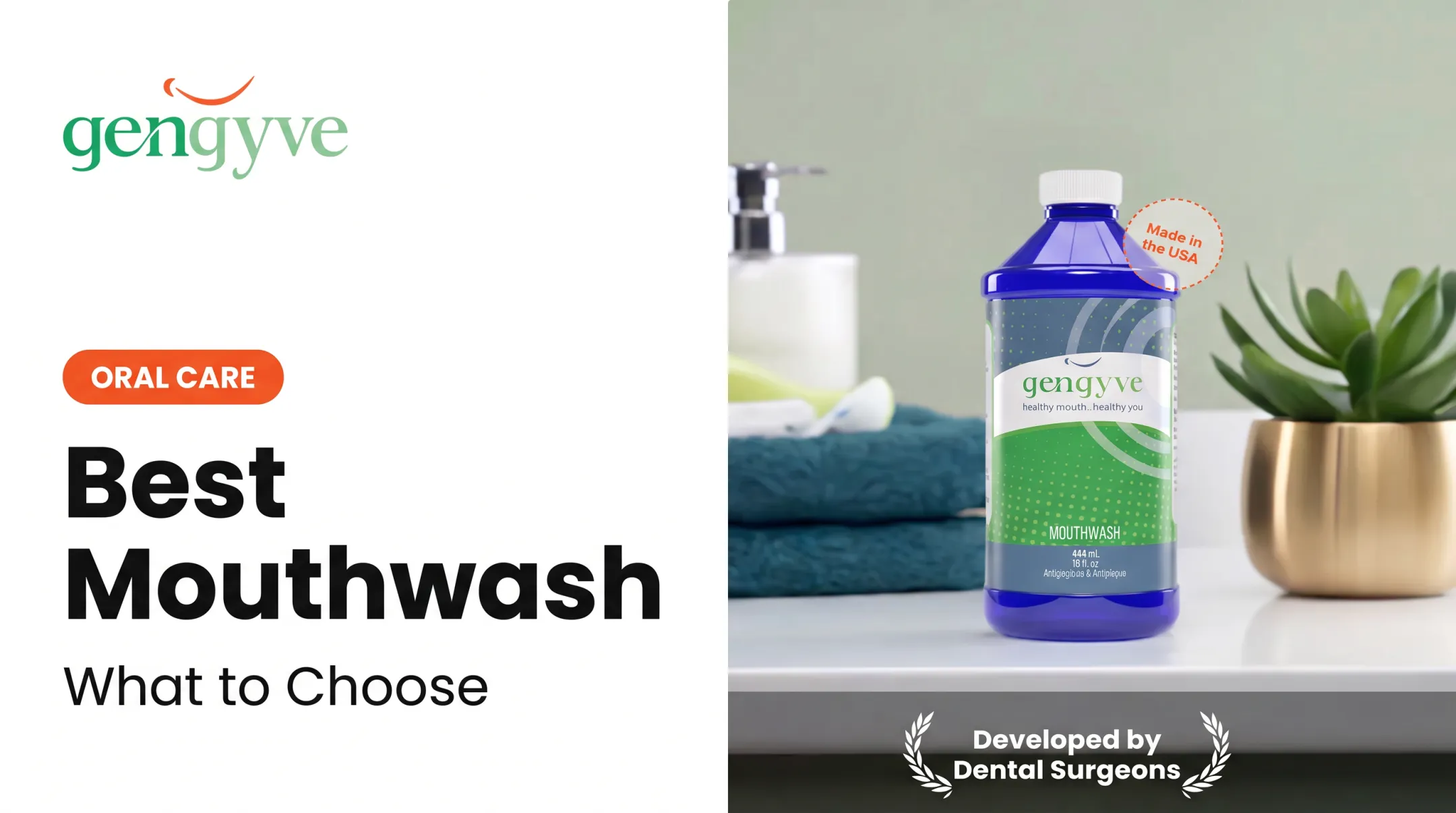
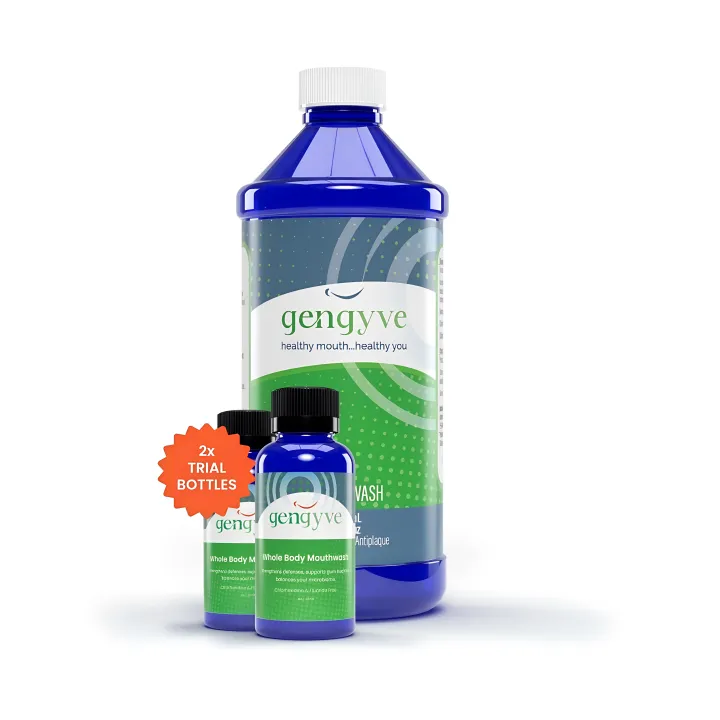
Not every natural, alcohol-free mouthwash contains CoQ10, and that's fine. Gengyve USA, developed by a practicing oral and maxillofacial surgeon, is built around a different formula entirely: cetylpyridinium chloride (CPC), hyaluronic acid, pullulan, PVP, and castor oil. CoQ10 isn't part of that ingredient list, so Gengyve isn't marketed or described here as a CoQ10 mouthwash.
What it does offer is an alcohol-free, chlorhexidine-free, artificial-dye-free formulation aimed at reducing irritation and the burning sensation common with traditional rinses. If you're comparing natural mouthwash options generally, and CoQ10 specifically isn't a deal-breaker for you, it's a relevant alternative to have on your radar while you research.

Before buying any product, run through this checklist:
- Does the label disclose the exact CoQ10 form and amount?
- Are usage directions clear and specific?
- Does the marketing avoid disease-treatment claims the evidence doesn't support?
- Is there a patch-test or trial option if you have sensitive tissue?
How to Use It Safely
There's no universal CoQ10-mouthwash protocol established in the research, so your best guide is the product label itself.
General safe-use habits:
- Measure the recommended amount rather than guessing
- Swish for the stated duration, then spit; don't swallow
- Don't dilute the product unless the manufacturer says to
- Keep brushing with toothpaste and cleaning between teeth; rinsing doesn't replace either
Who Should Check With a Dentist First
- Children who may swallow rinse instead of spitting
- Anyone with known allergies or current medication concerns
- Patients undergoing head-and-neck radiation or chemotherapy
- People recovering from oral surgery or managing dental implants
NCCIH notes that oral CoQ10 supplements can occasionally cause insomnia or digestive upset and may interact with blood thinners like warfarin or with insulin. That's NCCIH's CoQ10 overview describing swallowed supplements, not a rinse you spit out. Don't assume the same side-effect profile applies.

When to Stop and See a Dentist
Stop using any mouthwash and seek care if you notice:
- Worsening irritation, rash, or swelling
- Persistent mouth ulcers or severe pain
- Facial swelling, fever, or signs of infection
- Bleeding, pus, or looseness around teeth lasting more than two weeks
A rinse should never mask symptoms that need professional attention.
Frequently Asked Questions
Is Coenzyme Q10 good for receding gums?
CoQ10 has shown some promise in gum-tissue research, but it hasn't been shown to regrow lost gum tissue. A 2024 surgical pilot study even found no significant healing benefit. See a dentist for recession.
What are the dental benefits of Coenzyme Q10?
CoQ10's proposed benefits come from its antioxidant and cellular-energy roles, but topical mouthwash evidence remains limited. It's best viewed as a possible adjunct to daily brushing and professional care, not a standalone treatment.
Is there any downside to taking CoQ10?
Oral supplements have been linked to occasional insomnia, digestive upset, and interactions with medications like warfarin. These findings apply to swallowed CoQ10, not necessarily a rinse-and-spit mouthwash. Always follow the specific product label.
Does CoQ10 mouthwash replace regular brushing and flossing?
No. Mechanical plaque removal through brushing and interdental cleaning remains the foundation of oral hygiene. A rinse is a supplement to that routine, not a substitute for it or for professional cleanings.
How often should you use a natural CoQ10 mouthwash?
Frequency depends on the specific formulation, concentration, and your oral health needs. Follow the product label, and ask your dentist if you're unsure how it fits alongside your current routine.