This matters if you've noticed morning breath that lingers, a filmy white layer on your tongue, or a weird taste that won't go away. Nearly half of adults report dealing with bad breath at some point, according to the American Dental Association, and a lot of people assume a stronger mouthwash is the fix.
This guide breaks down what mouthwash actually does, how to clean your tongue properly, where rinsing fits into your routine, and when it's time to call a dentist instead of reaching for another bottle.
Key Takeaways
- Mouthwash supports oral hygiene but doesn't physically remove tongue buildup like a scraper or brush does
- Gentle mechanical cleaning, not aggressive scraping, is the safest way to lift surface coating
- Always follow the product label for swish time, swallowing warnings, and frequency
- See a dentist for coating, soreness, or bad breath that doesn't improve with consistent home care


Does Mouthwash Clean Your Tongue?
Chemical Rinsing vs. Physical Removal
Mouthwash works chemically. It's liquid, so it flows over the tongue's surface and can reduce certain bacteria or temporarily neutralize odor compounds. What it doesn't do well is lift.
A tongue scraper or toothbrush physically drags debris off the surface, pulling away the coating, dead cells, and trapped food particles that liquid alone tends to slide past.
The tongue's texture makes this worse. Its surface is covered in small bumps called papillae, and the back third of the tongue sits in a spot most people barely touch while brushing. Debris settles into these grooves and stays there unless something physically scrapes it away.

What the Research Actually Shows
The ADA's tongue-scraper guidance calls tongue cleaning optional and says there isn't strong evidence that scraping or brushing prevents bad breath or fixes chronic halitosis. Neither mouthwash nor a scraper is a guaranteed cure for persistent breath problems.
Persistent odor is usually a sign something else is going on, like gum disease, dry mouth, or a cavity.
Antimicrobial ingredients also vary by product. Common ones in over-the-counter rinses include cetylpyridinium chloride (CPC), essential oils like eucalyptol and thymol, and chlorine dioxide. Chlorhexidine is another antimicrobial, but it's prescription-only, so you won't find it in a drugstore rinse.
Here's how the three tools stack up:
| Tool | What it does | Limitation |
|---|---|---|
| Mouthwash | Reduces bacteria, freshens breath temporarily | Doesn't physically lift coating |
| Tongue scraper | Mechanically removes debris from the surface | Can irritate tissue if used too forcefully |
| Soft-bristled toothbrush | Dislodges buildup during regular brushing | Less precise than a dedicated scraper |
The takeaway: mouthwash and mechanical cleaning solve different problems. Using one doesn't replace the other.
The Best Way to Clean Your Tongue
If you want to actually remove that coating, mechanical cleaning is the way to go. Here's how to do it without hurting yourself.
Using a Tongue Scraper
- Stick your tongue out as far as comfortably possible.
- Place the scraper toward the back of the tongue, before the point where you gag.
- Pull forward with light, even pressure. One or two passes are usually enough.
- Rinse the scraper under warm water between passes.
- Rinse your mouth with water once you're finished.
Cleveland Clinic notes that scraping should never hurt. If it does, you're pressing too hard or using a damaged tool.
Using a Soft-Bristled Toothbrush
No scraper on hand? A soft-bristled toothbrush works too. Brush the tongue gently from back to front, a few strokes total, then rinse the brush head before putting it away.
Avoiding Common Mistakes
- Skip sharp or rigid tools not designed for tongue cleaning
- Stop once tissue feels irritated; extra passes will not help
- Leave natural color variation alone; it is not always coating
Managing a Sensitive Gag Reflex
Start farther forward on the tongue and work backward gradually over several days. Nose breathing, a smaller tool, and a slower pace also help. Give it time—most people's tolerance improves with practice.
Where does mouthwash fit in? Check the label. Some products are designed to be used right after brushing and tongue cleaning; others ask you to wait. There's no single universal order, so the bottle's instructions win.

Signs Your Tongue May Need Attention
A light white or yellow film most mornings is usually just normal buildup. Bacteria, food particles, and dead cells accumulate overnight, and routine cleaning typically clears it.
Signs that often respond to better home care:
- Mild morning coating
- Occasional bad breath
- A slightly off taste that fades after brushing and tongue cleaning
Signs that need professional evaluation:
- Thick patches that don't budge with gentle cleaning
- Soreness, bleeding, or ulcers
- Swelling or a burning sensation
- Color changes that persist or worsen
So how do you know if your tongue is actually clean? Look for less removable coating and a comfortable, non-irritated feel rather than a perfectly uniform pink surface. Natural tongues vary in color and texture, and that's normal.
How to Build a Complete Tongue-Care Routine
Tongue care works best as one piece of a bigger routine, not a standalone fix.
A solid daily routine looks like this:
- Brush twice daily with fluoride toothpaste
- Clean between teeth once a day (floss or an interdental brush)
- Gently clean your tongue with a scraper or soft-bristled brush
- Use mouthwash as a supplement, not a substitute, following the label's directions
Choosing the Right Mouthwash
Not every rinse serves the same purpose. Before buying one, consider:
- Active ingredients: antimicrobial agents like CPC target bacteria differently than purely cosmetic rinses
- Alcohol content: alcohol-based rinses can dry out the mouth
- Dry-mouth concerns: an alcohol-free option may be gentler for daily use
- Age restrictions: mouthwash generally isn't recommended for children under 6 unless a dentist says otherwise
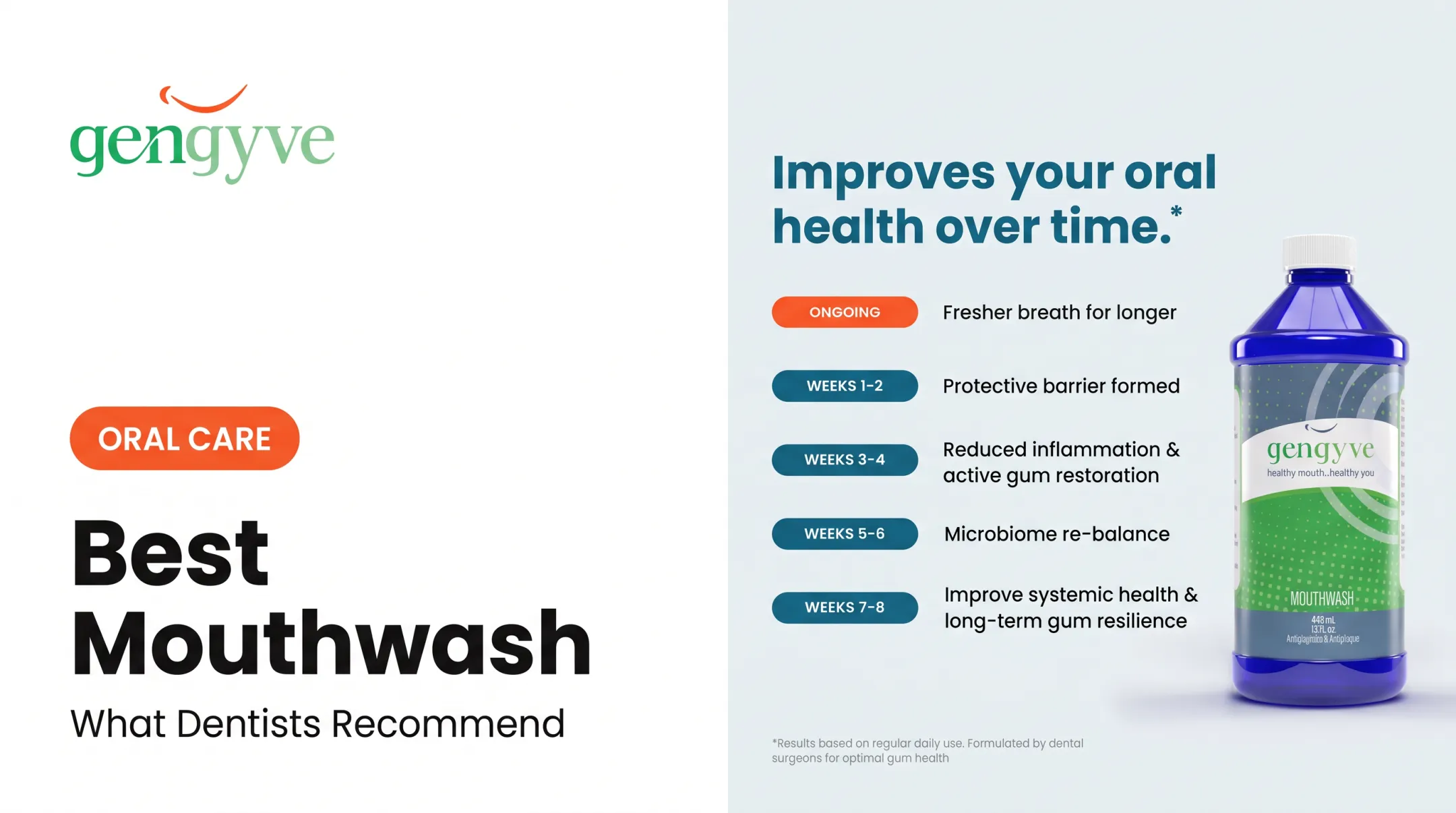
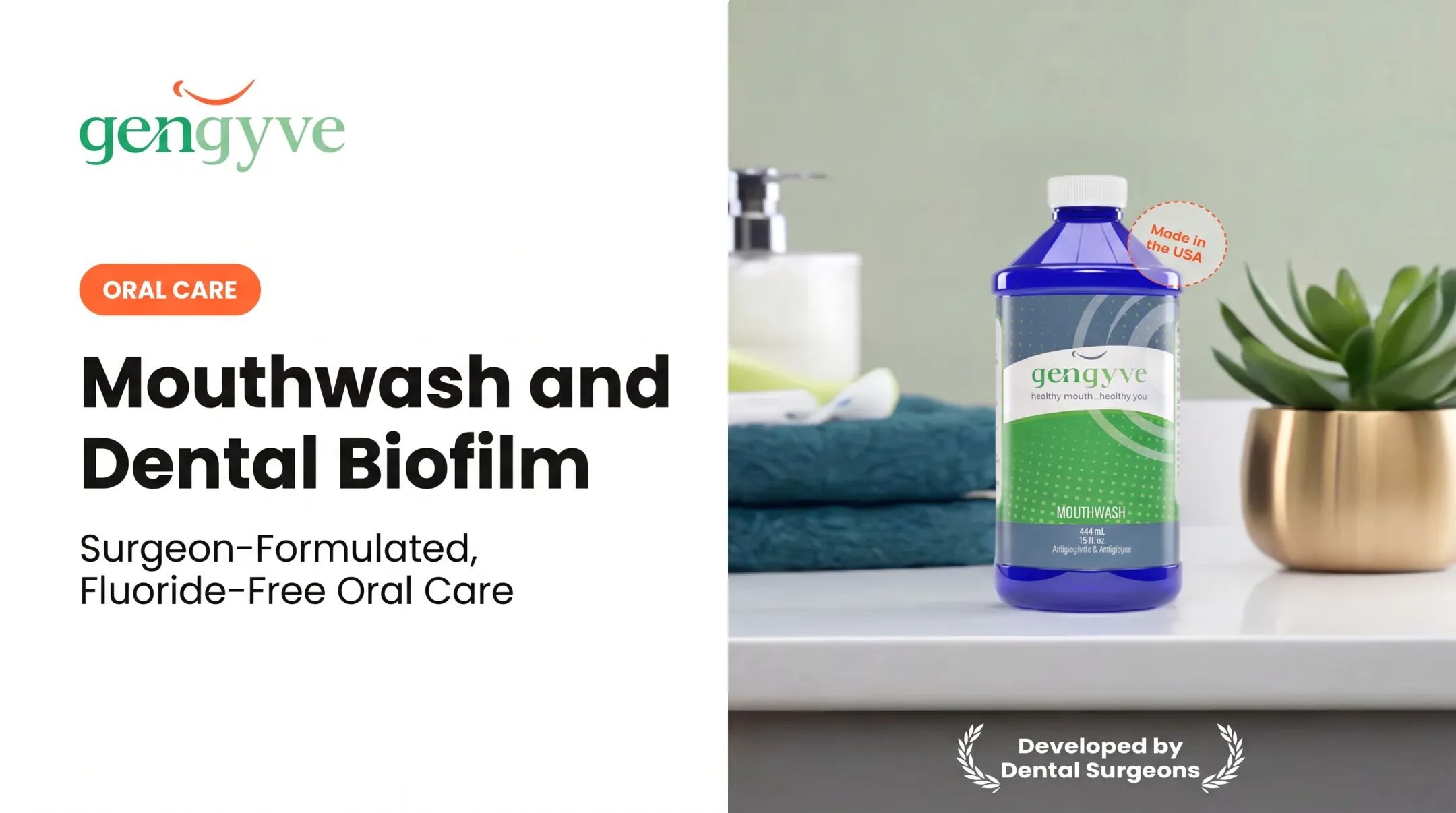
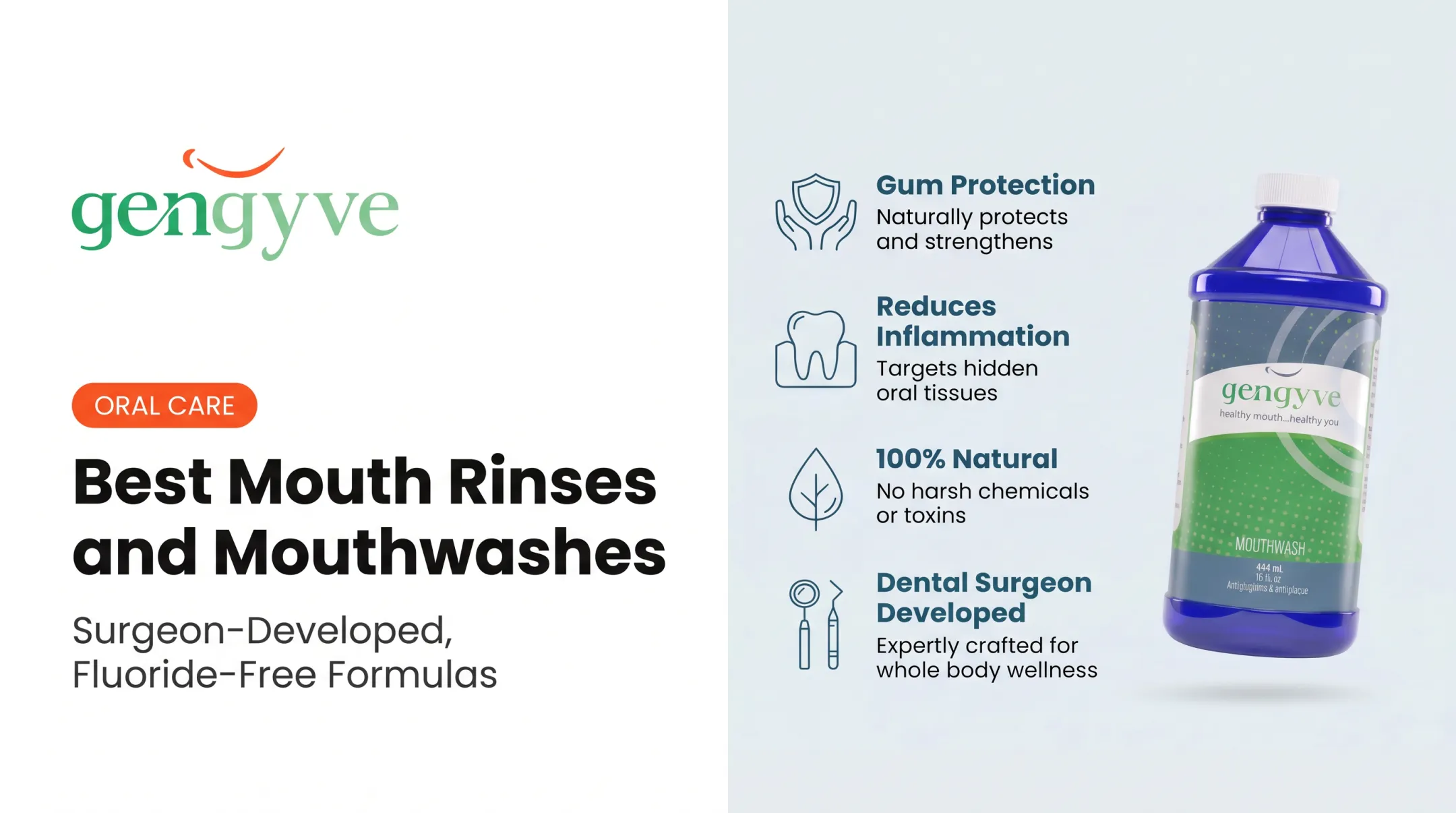
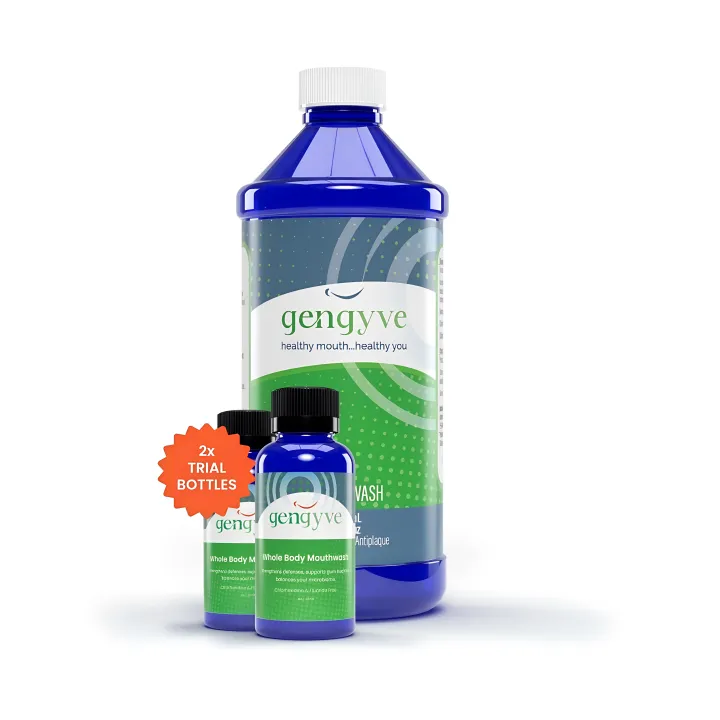
Gengyve USA's daily rinse, for example, was developed by a practicing oral and maxillofacial surgeon. It pairs cetylpyridinium chloride with hyaluronic acid in an alcohol-free, chlorhexidine-free formula.
It supports everyday comfort rather than replacing mechanical tongue cleaning. The label directs users to swish for 30 seconds after brushing, twice daily, and not to rinse afterward so the formula can keep supporting the gums.

Supportive Habits Worth Keeping
- Stay hydrated to reduce dryness-related buildup
- Limit tobacco use, which contributes to coating and odor
- Keep up with regular dental checkups
People with braces, implants, gum disease, dry mouth, recent oral surgery, or medication-related oral effects should ask their dentist for individualized guidance. A generic routine may not fit every situation.
When to Speak With a Dental Professional
Mouthwash and gentle tongue care handle everyday maintenance. They're not meant to manage the following, which call for professional evaluation:
- Bad breath that persists despite consistent brushing, flossing, tongue care, and mouthwash use
- White patches, sores, or discoloration lasting more than two weeks
- Bleeding, unexplained swelling, or pain
- Fever or difficulty swallowing alongside a tongue change
Special situations need a clinician-directed plan, not a standard routine:
- Recovering from oral surgery, where rinsing may need to be paused or adjusted entirely
- Undergoing chemotherapy or head-and-neck radiation, where tissue is more fragile
- Managing ongoing dry mouth, where the underlying cause needs to be identified first
A dentist or physician can pinpoint whether the real issue is gum disease, oral thrush, dry mouth, or a medication side effect, and recommend treatment that addresses it.
Frequently Asked Questions
How do you know if your tongue is clean or dirty?
A clean tongue generally shows less removable coating and feels comfortable, without soreness or burning. Color and texture naturally vary between people, so don't expect perfect uniform pink. Persistent coating or discomfort is worth having checked.
How do I get my tongue pink again?
Gentle daily cleaning with a scraper or soft brush, consistent brushing, staying hydrated, and using an appropriate mouthwash usually help. If white, yellow, red, or patchy changes persist or cause pain, see a dentist or doctor.
Can mouthwash remove a white coating from my tongue?
Mouthwash may reduce some surface bacteria, but it typically can't lift an adherent white coating on its own. Mechanical cleaning with a scraper or brush works better for physical removal, and persistent patches need professional assessment.
Is it better to use a tongue scraper or toothbrush?
Both work. A scraper is often more precise for removing coating in one motion, while a toothbrush is convenient if you're already brushing. Whichever you choose, use light pressure. It shouldn't hurt.
Should I use mouthwash before or after brushing my tongue?
Follow the product label since instructions vary by formula. Generally, mouthwash is an add-on step used after brushing and tongue cleaning, not a replacement for either.