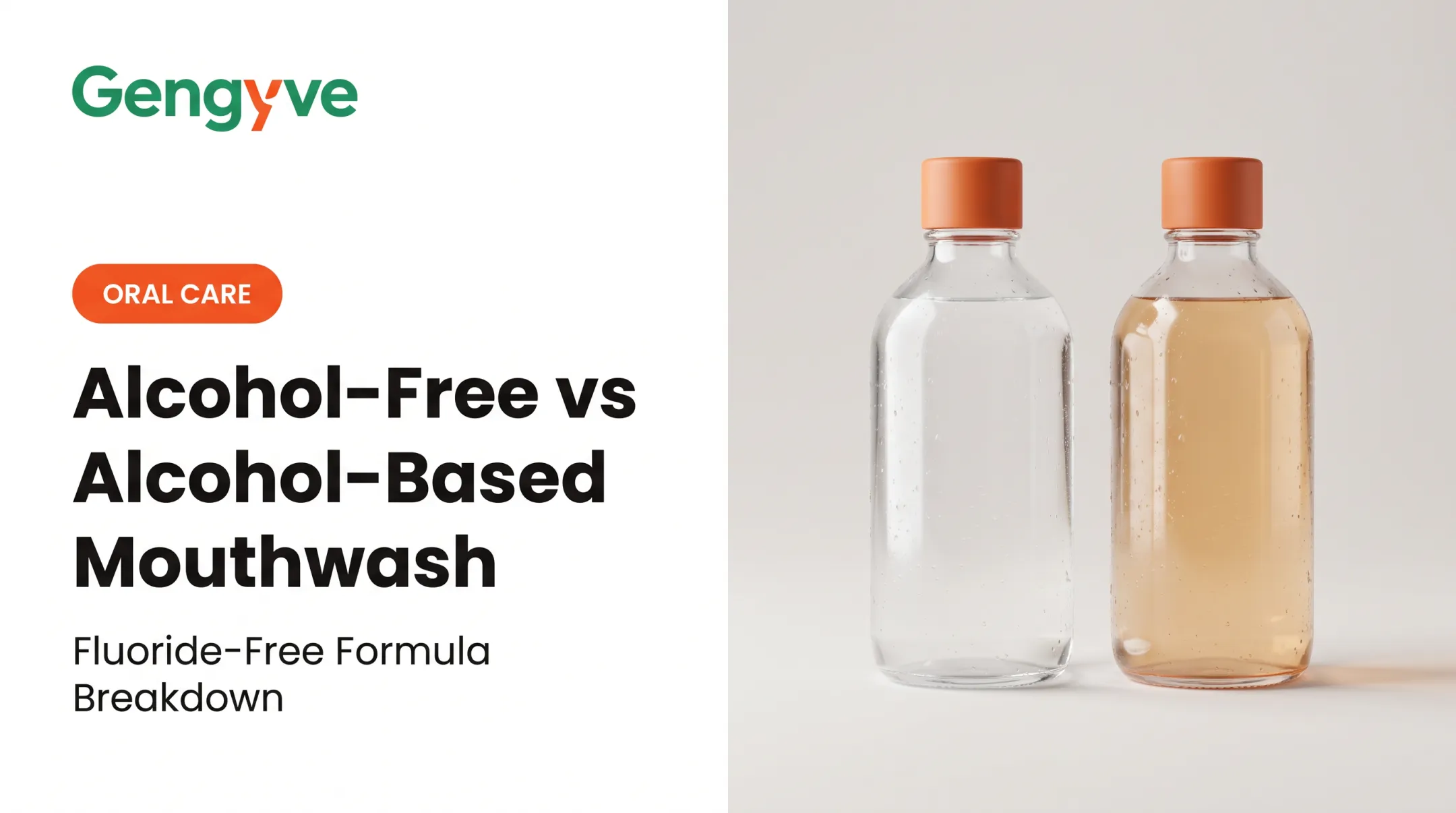
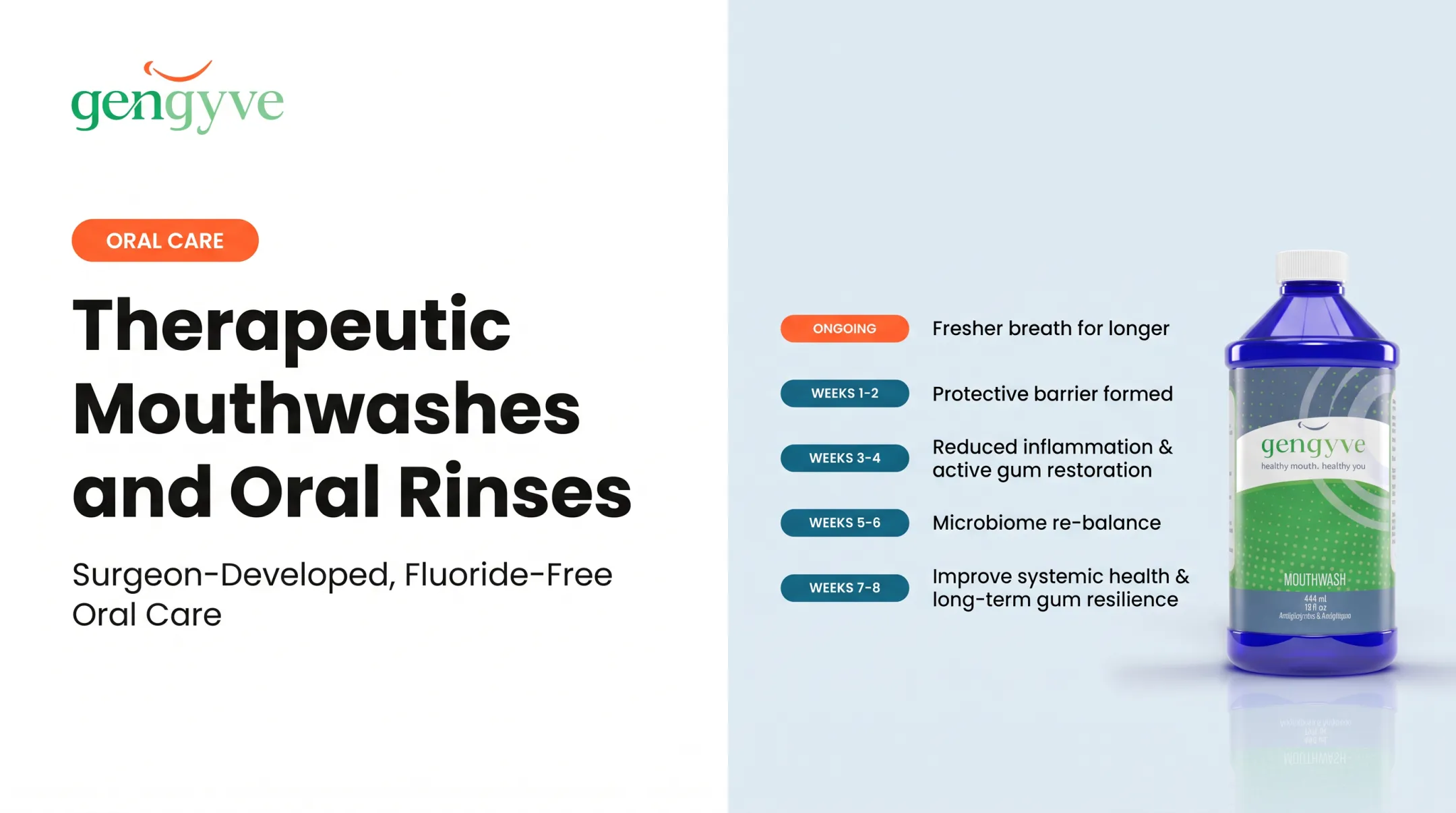
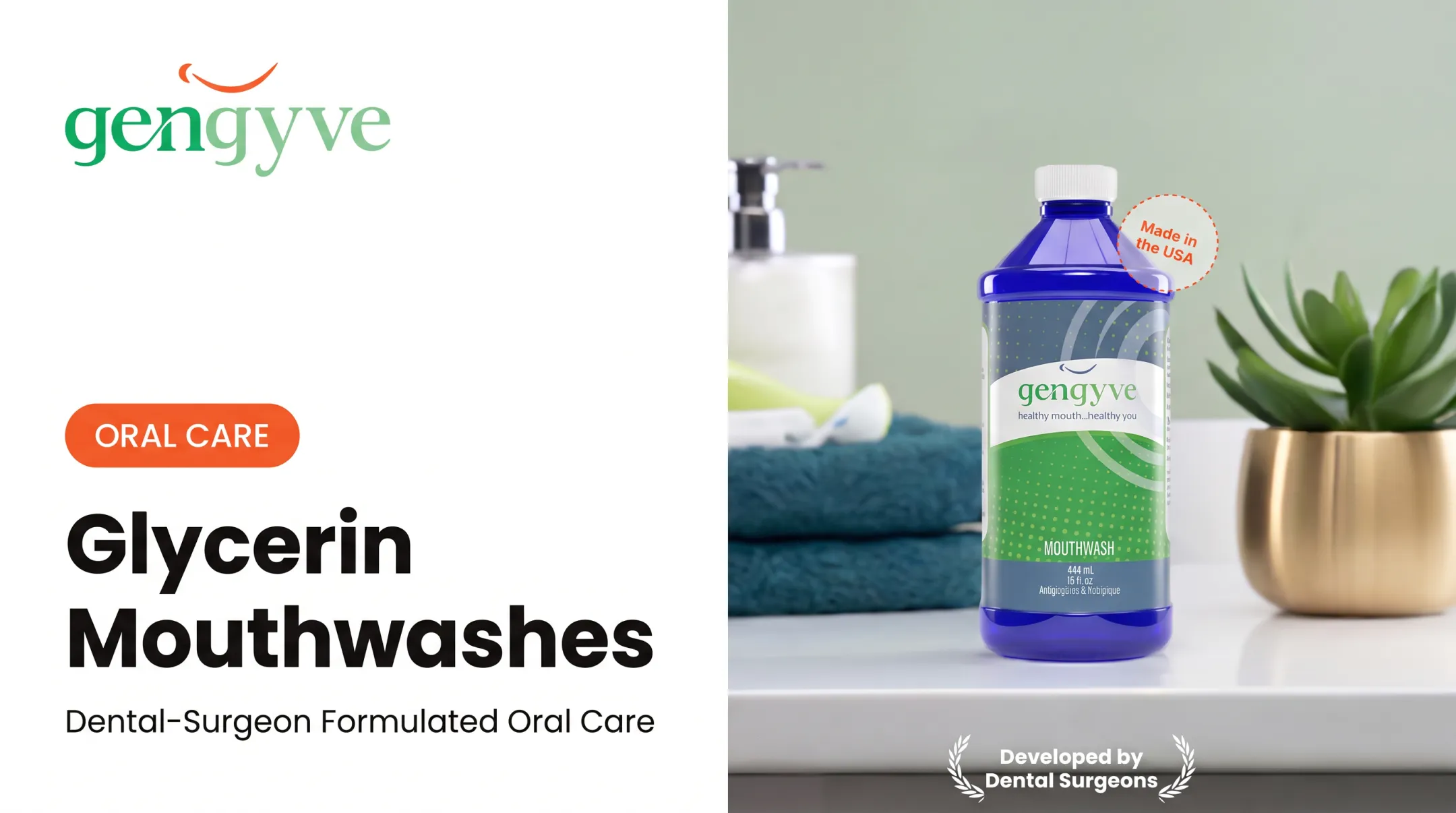
But these are two separate properties. Alkaline describes a product's pH. Alcohol-free describes what's missing from the ingredient list. A mouthwash can be one, both, or neither, and neither claim alone tells you whether the product actually helps your gums, your enamel, or your comfort.
This guide walks through what oral pH really means, what alkaline and alcohol-free formulas can (and can't) do, how to read a label that's full of marketing language, and when a dentist should be your first call instead of a new bottle of mouthwash.
Key Takeaways
- A pH above 7 makes a mouthwash alkaline, but a higher number doesn't guarantee better results
- Alcohol-free rinses tend to suit people with dry mouth, braces, or a history of burning sensations
- Mouthwash supports brushing and flossing; it doesn't replace them or fix existing enamel damage
- Check measured pH, active ingredients, alcohol status, and clinical evidence before choosing a rinse
- Persistent bleeding, pain, or dry mouth calls for a dental visit, not more rinsing
What Are Alkaline Alcohol-Free Mouthwashes?
The pH scale runs from 0 to 14. Seven is neutral, anything above is alkaline, and anything below is acidic. It's logarithmic, too, meaning each whole number represents a tenfold shift in acidity.


A product at pH 9 isn't "a little more alkaline" than one at pH 7: it's ten times less acidic in terms of hydrogen-ion concentration.
Your mouth doesn't sit at one fixed pH all day. According to the ADA's pH information sheet, typical intraoral pH hovers around 6.5 to 7, shifting based on:
- Recent food and drink
- Bacterial activity and plaque buildup
- Hydration levels and saliva flow
- Time of day and measurement location
Why pH Alone Doesn't Tell the Whole Story
Saliva does most of the heavy lifting here. It buffers acid and carries calcium and phosphate back to tooth surfaces, a process called remineralization. When acid exposure outpaces that recovery, you get demineralization (mineral loss from enamel).
The ADA notes enamel can start dissolving around pH 5.5, though the real threshold shifts depending on the mineral content of your saliva at that moment. It's a rough benchmark, not a hard line between "safe" and "unsafe" products.
Here's the part marketing often skips: once enamel erosion happens, it's irreversible. A rinse can support a less acidic environment going forward, but it cannot regrow enamel that's already gone, according to the ADA's erosion overview.

What "Alcohol-Free" Really Means
Ethanol works in traditional mouthwash as a solvent and preservative, but it's also linked to burning sensations and can be uncomfortable for people with dry mouth or irritated tissue. Removing it doesn't automatically make a formula gentler across the board, though. "Alcohol-free" doesn't mean chemical-free, natural, or free of every ingredient that could sting. Flavoring agents and low pH can irritate too.
This is also where pH and antimicrobial activity get confused. A rinse's ability to reduce plaque, gingivitis, or bad breath depends on its active ingredients, such as cetylpyridinium chloride (CPC) or essential oils, not on whether it happens to be alkaline.
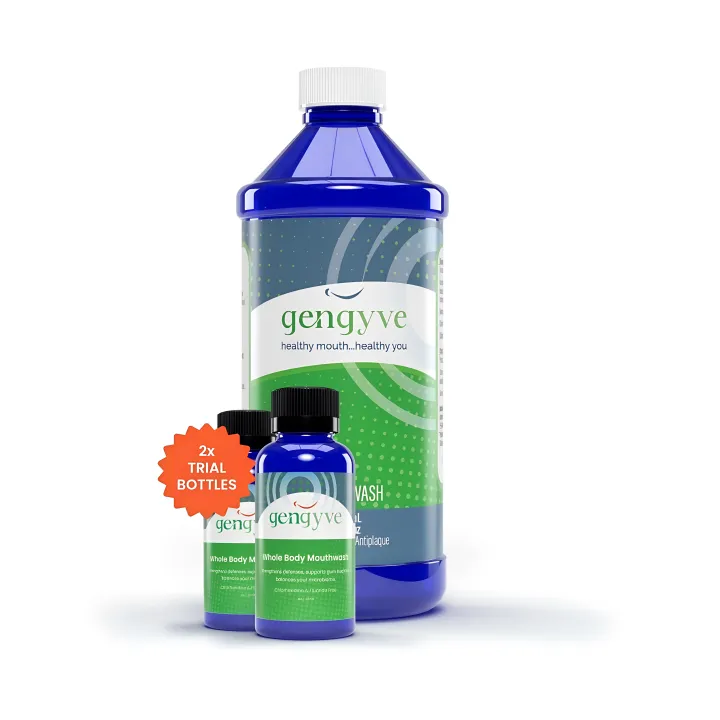
Gengyve, for example, is an alcohol-free, chlorhexidine-free formula built around CPC and hyaluronic acid rather than a pH adjustment. Its published materials don't list a measured pH, which is worth asking about if alkalinity specifically matters to you.
Potential Benefits and Limitations
Where Alkaline and Alcohol-Free Formulas Can Help
Rinsing after acidic foods or drinks may help dilute leftover acid and support saliva's natural return toward balance. It's a reasonable habit, not a guaranteed fix. Saliva flow and acid exposure vary person to person, so there's no universal "X minutes and you're safe" window.
Alcohol-free formulas tend to be easier to use consistently for people dealing with:
- Dry mouth or reduced saliva flow
- Sensitive or irritated gum tissue
- Braces, crowns, or implants
- A history of burning with traditional rinses
That consistency matters more than people realize. A mouthwash that stings gets used less often, which undercuts whatever benefit it might offer.
The Microbiome Isn't Something to "Reset"
Your mouth hosts a community of bacteria, and not all of it is harmful. The goal of a good rinse is to keep disease-causing bacteria in check while leaving the beneficial balance intact. Research on mouthwash and the oral microbiome still hasn't settled on one ideal formulation, so be skeptical of any product promising a "cleansed" or "sterile" mouth.
What a Rinse Won't Fix
A few things to keep firmly in mind:
- Alkaline mouthwash doesn't treat cavities, enamel erosion, or periodontal disease
- It won't resolve infection or medication-related dry mouth on its own
- Bleeding gums, swelling, or persistent bad breath need a dental evaluation, not just a new rinse
- A strongly alkaline or highly active formula isn't automatically suitable for everyone
Dentists sometimes recommend a specific formulation after oral surgery, during periodontal treatment, or for patients with special medical needs. That's a different conversation from picking something off a store shelf. Professional guidance should take priority when it's available.
How to Choose an Alkaline Alcohol-Free Mouthwash
Build a Label-Reading Checklist
Before anything hits your cart, check:
- Measured pH: the manufacturer should be able to tell you the finished-product value, not just say "alkaline"
- Alcohol status: confirmed absence of ethanol, not just a vague "gentle formula" claim
- Fluoride or fluoride-free status: relevant if you're managing cavity risk separately
- Active ingredients: CPC, essential oils, or other antimicrobials with actual evidence behind them
- Sugar content, flavoring agents, and preservatives: especially for daily, long-term use
- Allergens and manufacturer directions: read the actual label, not just the front of the bottle
Words like "natural," "professional-grade," and "dentist-developed" describe positioning, not proof. They're not substitutes for transparent ingredient disclosure or appropriately worded clinical support.
Match the Product to Your Actual Need
Different situations call for different priorities:
| Need | What to Look For |
|---|---|
| Gentle daily freshness | Alcohol-free, low-irritation formula |
| Dry-mouth comfort | Moisturizing ingredients, no alcohol |
| Gum-care support | CPC or essential-oil actives with trial data |
| Post-procedure use | Dentist-specified formulation |
| Braces, crowns, implants | Orthodontist or dentist-approved option |
Gengyve is one example worth looking at for this category. Developed by a practicing oral and maxillofacial surgeon, it's formulated with CPC and hyaluronic acid and contains no alcohol or chlorhexidine. A 21-day randomized trial in dental students showed lower plaque accumulation compared with placebo.

That's useful data, but it's specific to that formulation and that timeframe. It doesn't establish an alkaline mechanism or prove results against every competing product.
When to Ask a Dentist First
Skip the trial-and-error approach if you have:
- Persistent symptoms that haven't improved with over-the-counter products
- Significant dry mouth, especially medication-related
- Orthodontic appliances, implants, or crowns
- Recent oral surgery or ongoing cancer treatment
- Any prescription oral-care requirements
A quick conversation with your dentist or hygienist beats guessing from a product description.
How to Use an Alkaline Alcohol-Free Mouthwash Safely
Follow the label. That sounds obvious, but dosage, contact time, and frequency vary by product, and there isn't one universal rule for the entire category. Don't dilute a rinse unless the manufacturer specifically says to.
A few general safety points:
- Spit, don't swallow: alcohol-free doesn't mean safe to ingest, and this matters especially for young children
- Timing can be formulation-specific: some products are meant to follow brushing, others work at a separate time of day; check the label rather than assuming
- Keep brushing and flossing: mouthwash supports a routine of twice-daily brushing with fluoride toothpaste and daily interdental cleaning; it doesn't replace either
Gengyve's directions, for reference, call for a short swish after brushing and flossing, morning and night, with guidance to tell a dentist about bleeding or pain. Many brands follow a similar after-brushing pattern, though specifics vary.

Special Situations
A few groups should check with a professional before adopting any new rinse:
- Children: generally supervised use only, following product age limits
- Pregnancy: alcohol-free products are typically preferred; confirm specifics with your care team
- Recent oral surgery: some providers recommend avoiding rinsing entirely for the first 24 hours
- Braces, crowns, or implants: ask whether a particular formula adds value or risks staining restorations
Don't assume every alcohol-free product is automatically appropriate for post-surgical or restorative situations. Gengyve, for instance, is designed for pre- and post-procedure use and during periodontal treatment, but that's still a conversation to have with your treating dentist first, not a substitute for their protocol.
Frequently Asked Questions
Which mouthwash is best for an acidic mouth?
It depends on the product's measured pH, whether it's formulated to be enamel-safe, its active ingredients, and your specific oral-health needs. If acidity or erosion feels persistent, see a dentist rather than relying on trial and error with different rinses.
How can I neutralize the pH in my mouth?
Drinking water, chewing sugar-free gum to stimulate saliva, and cutting back on frequent acidic or sugary exposures all help. A suitable rinse used as directed can support this, but none of it repairs enamel damage that's already happened.
How can you tell if your mouth is acidic?
Symptoms alone aren't a reliable diagnosis, and home pH testing strips have known limitations in accuracy. If you're noticing sensitivity, erosion, dry mouth, or recurring cavities, a dental evaluation is the better route.
What are the common causes of an acidic mouth?
Common contributors include acidic foods and drinks, frequent sugar exposure, bacterial acid production, reduced saliva flow, reflux, certain medications, and dry-mouth conditions. Causes vary widely between individuals, so there's rarely one single explanation.
Which mouthwash kills gingivitis?
No mouthwash "kills" gingivitis on its own . Management depends on consistent plaque control plus an appropriate active ingredient, alongside brushing and interdental cleaning. Bleeding or persistent inflammation should be evaluated by a dentist, not just treated with a new rinse.
Can I use mouthwash during braces?
Many people can use an alcohol-free rinse comfortably with braces, but check with your orthodontist first. Avoid sugary formulas, and keep up careful brushing and cleaning around brackets and wires regardless of which rinse you choose.