
Introduction
Standing in the oral care aisle, you're faced with a familiar decision: fluoride or fluoride-free? The right answer depends on what you're buying. A fluoride toothpaste and a fluoride-free mouthwash serve different purposes, and your personal oral-health needs matter just as much as the label.
Fluoride has decades of research behind it for cavity prevention. Fluoride-free products appeal to people who want gentler ingredients, a different taste experience, or a rinse that fits a specific comfort goal.
This guide breaks down both sides honestly. If you have frequent cavities, gum disease, implants, dry mouth, or you're recovering from oral surgery, talk to your dentist before changing your routine. The information below is a starting point, not a replacement for that conversation.
Key Takeaways
- Fluoride strengthens enamel and lowers cavity risk; fluoride-free products clean and freshen without that specific mechanism
- Mouthwash and toothpaste without fluoride address different needs, so do not treat them as interchangeable
- Evidence quality varies widely between ingredients, so check the research behind any claim
- The best choice depends on your cavity risk, gum health, age, and any current dental treatment
Fluoride Versus Fluoride-Free: Quick Comparison
Cavity and Enamel Protection
Fluoride works topically: it helps enamel resist acid attacks from plaque bacteria and supports remineralization of weak spots before they become cavities. In adults, 1,000–1,100 ppm fluoride toothpaste measurably reduces decay compared with non-fluoride toothpaste, according to Cochrane's 2019 review of 96 studies.
Fluoride-free formulas don't replicate that specific enamel-protection pathway. Some alternative ingredients, like hydroxyapatite, show promising early results in direct comparisons, but the evidence base is smaller and more product-specific.

Gum and Bacterial Considerations
Fluoride's job is cavity prevention, not gum disease treatment. It isn't designed to manage plaque bacteria at the gumline the way certain rinse ingredients are.
Fluoride-free formulas often lean on different actives for that purpose:
- CPC (cetylpyridinium chloride): antimicrobial action against plaque bacteria
- Hyaluronic acid: hydration and tissue comfort
- Xylitol: often paired with fluoride rather than used alone
- Essential oils: plaque and gingivitis support, though not cavity prevention
Each ingredient needs its own evidence—"gum-friendly" claims shouldn't be assumed across the board.
Ingredient Preferences and Tolerability
Some people stick with fluoride because the research base is strong. Others want to avoid it for personal reasons, including taste, texture, or general ingredient caution (separate from any concern about excessive ingestion, which is a different issue entirely).
Fluoride-free options can appeal if you're also trying to avoid alcohol or chlorhexidine, two ingredients known for causing a sharp burn or temporary staining in some users.
Best Fit by User and Situation
- Fluoride toothpaste often matters most for people with a history of cavities, weakened enamel, or elevated decay risk
- Fluoride-free rinses may fit well for gentle daily maintenance, ingredient preferences, or a dentist-directed post-procedure routine
Neither category is automatically "better." Fit depends on your goal.
Safety and Professional Guidance
Fluoride use should match age-appropriate amounts and avoid routine swallowing. Fluoride-free doesn't automatically mean risk-free or superior, either. Check the label, directions, and warnings just as carefully.
What Are Fluoride and Fluoride-Free Oral-Care Options?
Fluoride: Mechanism and When It's Prioritized
Fluoride is a naturally occurring mineral. It reaches your teeth two ways: topically, through toothpaste and professional treatments, and systemically, through fluoridated water or food. Topical fluoride is the one doing the heavy lifting for cavity prevention in daily care.
Here's where fluoride earns its reputation: a fluoride mouthrinse produces roughly a 27% reduction in caries increment among children aged 6–14 in supervised settings, per a Cochrane analysis of 35 trials. That's a pediatric benchmark, not an adult estimate, but it illustrates the mechanism at work.
The main drawback is dental fluorosis, a cosmetic enamel change from excessive fluoride ingestion while teeth are still developing. AAPD's guidance recommends:
- A rice-sized smear of fluoride toothpaste before age 3
- A pea-sized amount from ages 3–6
- Supervised brushing with spitting, not swallowing
Once permanent-tooth enamel finishes forming around age 8, fluorosis is no longer a risk factor. Fluoride also doesn't eliminate the need for brushing, flossing, and regular dental visits. It's one layer of protection, not the whole system.
Dentists may prioritize fluoride toothpaste for patients with frequent cavities, dry mouth, high sugar exposure, or limited access to routine care. Prescription-strength fluoride products exist too, but those require professional guidance. Never self-prescribe a high-concentration formula.

Fluoride-Free: Ingredients and When to Consider It
Fluoride-free products simply omit added fluoride. That doesn't mean they do nothing. Many still clean teeth, freshen breath, and deliver ingredient-specific benefits.
Common alternatives include:
- Hydroxyapatite: one 18-month adult trial found it noninferior to 1,450 ppm fluoride toothpaste for preventing new decay, per this clinical trial; promising, but not proof it's superior
- CPC: linked to modest plaque and gingivitis reduction when added to brushing
- Hyaluronic acid: supports hydration and gum tissue comfort in short-term studies
- Baking soda: helps with single-use plaque removal; gum-health effects are less consistent over time
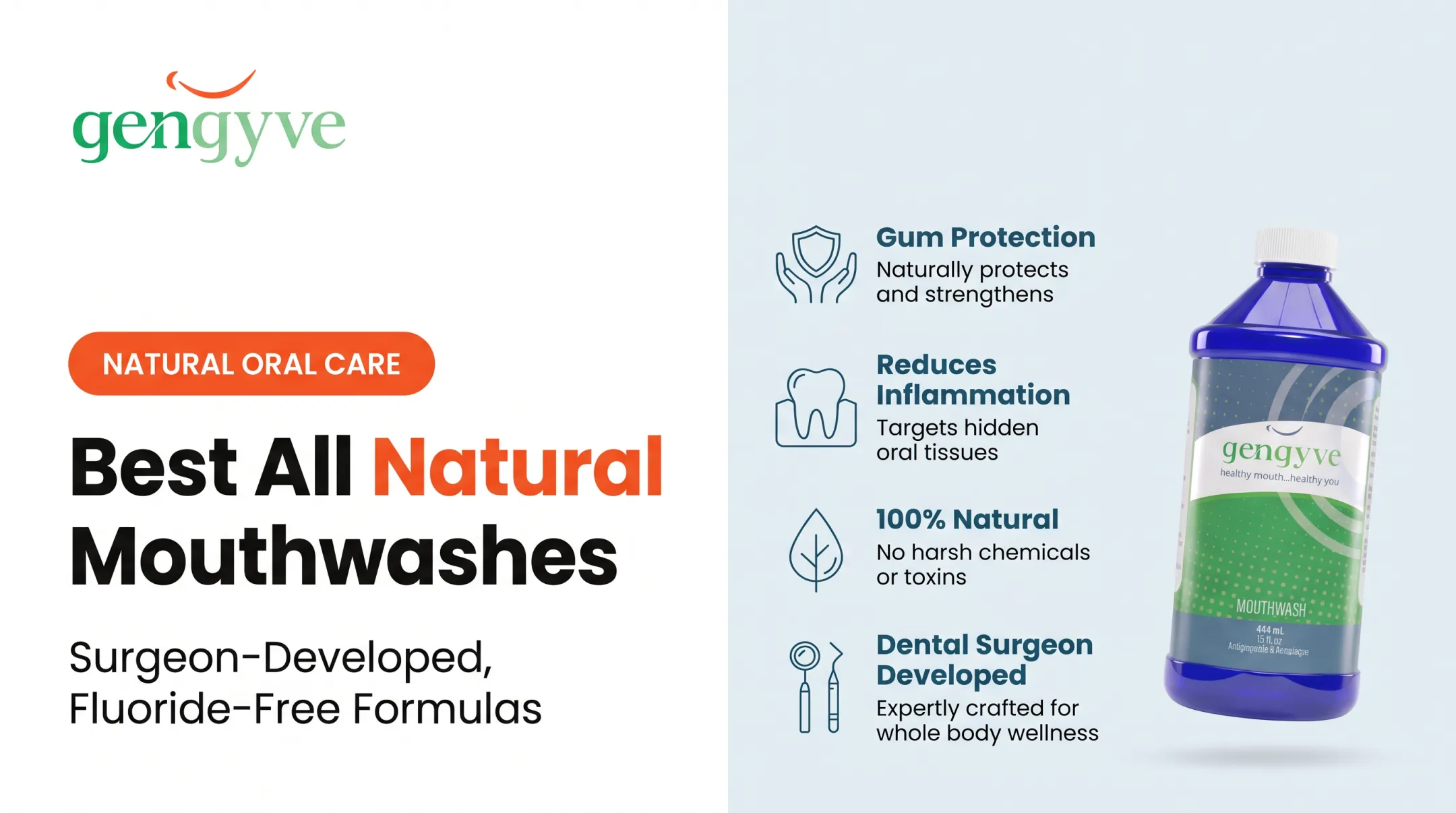
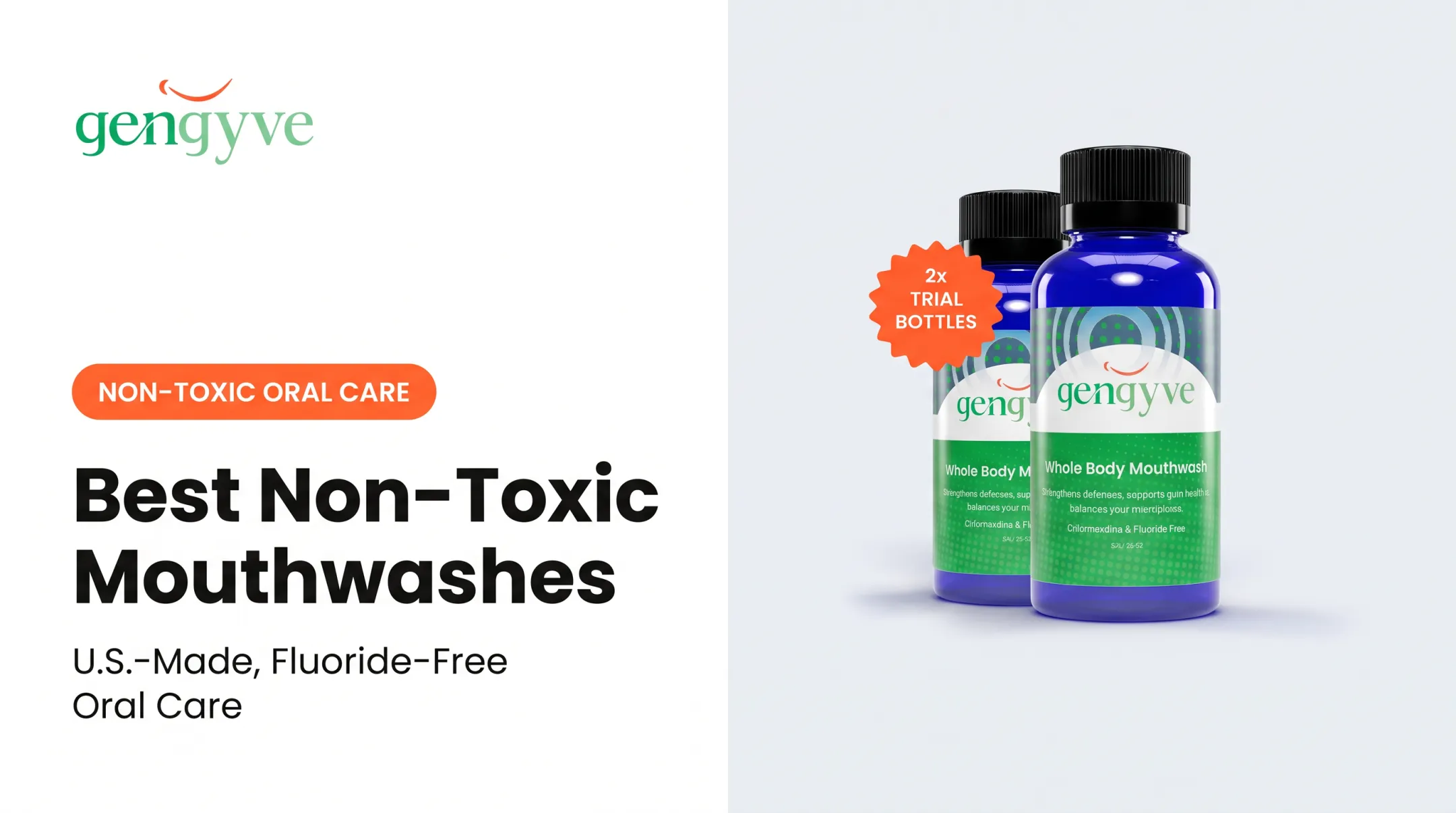
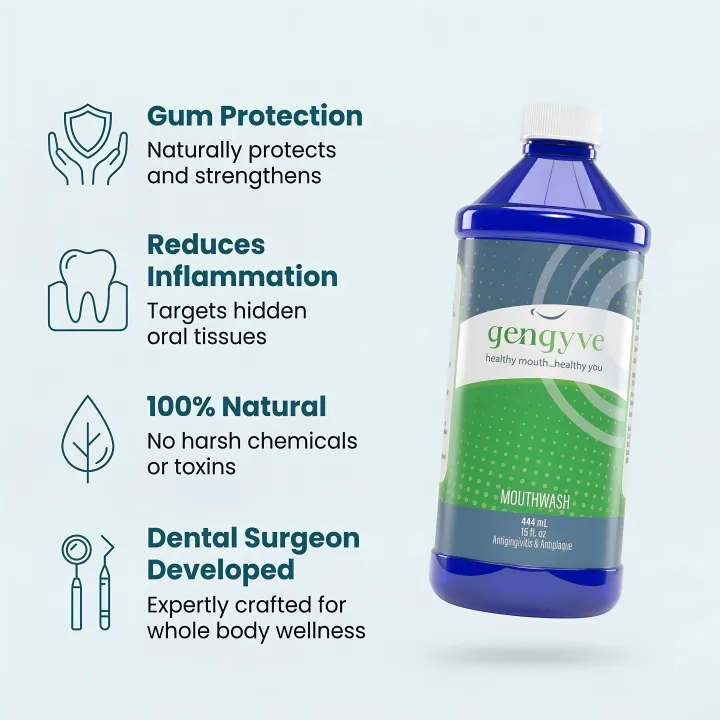
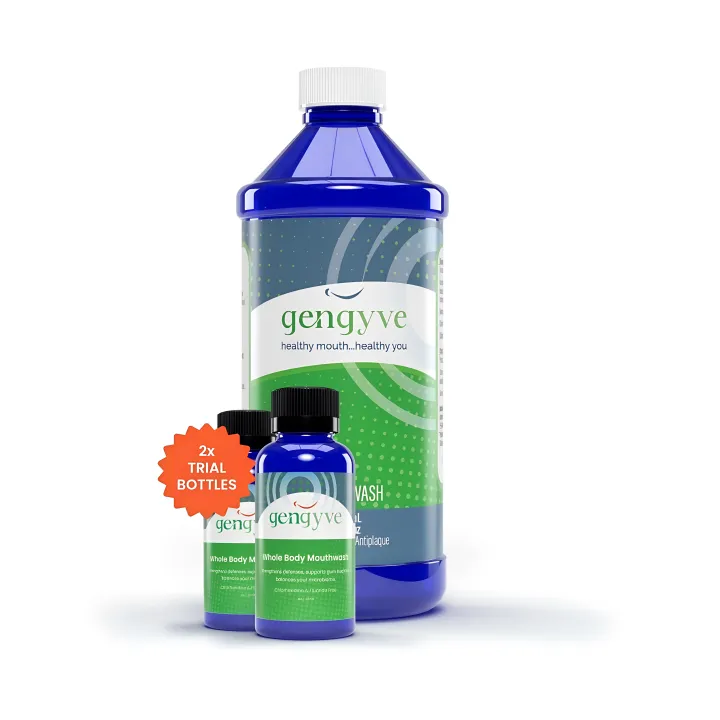
Gengyve USA's mouthwash falls into this category. It's a fluoride-free, alcohol-free, chlorhexidine-free formula built around CPC and hyaluronic acid, developed with input from a practicing oral and maxillofacial surgeon.
The company positions it as a gentler daily rinse rather than a cavity-prevention replacement for fluoride toothpaste, a distinction worth keeping straight when you're comparing products.
Formula quality, ingredient concentration, and contact time matter more than a "natural" label by itself.
A fluoride-free rinse can be reasonable for comfort preferences, avoiding specific ingredients, or supporting a gum-care routine your dentist has approved. If you're at high cavity risk, though, loop in your dentist before dropping fluoride toothpaste from your routine entirely.
Fluoride Versus Fluoride-Free: What Is Better?
There's no universal winner here. Fluoride has the stronger evidence base for cavity and enamel protection. Fluoride-free products can better match comfort preferences, ingredient avoidance, or a supportive daily routine.
A simple rule of thumb:
Prioritize fluoride toothpaste when cavity prevention is your main goal. Consider a fluoride-free rinse when you want gentle daily maintenance or specific ingredient benefits.
Reading the Label Before You Buy
Check these details every time:
- Active ingredients and their concentrations
- Fluoride amount, if present
- Alcohol and chlorhexidine status
- Whether claims are cosmetic, supportive, or therapeutic
- Directions and warnings
Special Situations Need Individual Guidance
These groups need tailored advice, not a one-size-fits-all product choice:
- Children
- People with frequent decay or dry mouth
- Those with periodontal issues, implants, or orthodontics
- Anyone recovering from recent oral surgery
- Patients in chemotherapy or radiation treatment
Quick decision checklist:
- What's my main goal: cavity prevention or daily comfort?
- Am I at elevated cavity risk?
- Do I have active gum symptoms?
- Have I had sensitivity or irritation from other products?
- What's my age, and do I have a child using this product?
- Am I currently in dental treatment?
Remember: mouthwash is an adjunct. It supports brushing with the right toothpaste, cleaning between teeth, and regular dental exams. It doesn't replace any of them.
If you land on a fluoride-free, alcohol-free rinse, Gengyve's product page lists its full ingredient panel, directions, and supporting research so you can check it against your own needs.
Real-World Evidence and Practical Examples
Example 1: Frequent cavities. An adult with a history of three cavities in two years and mild dry mouth is a textbook case for prioritizing fluoride toothpaste first. Their dentist might also recommend a separate alcohol-free rinse for comfort between brushings, but fluoride stays the anchor of their cavity-prevention plan.
Example 2: Post-surgical sensitivity. An adult recovering from wisdom-tooth extraction or dealing with implant-site tenderness often needs something gentler. Dr. Derick Flint, a Texas-based dental surgeon, recommends Gengyve's mouthwash to patients after extractions and implant procedures, citing its alcohol-free, non-burning formula as easier to tolerate during healing.
A small randomized trial comparing CPC-hyaluronic acid rinses, chlorhexidine, and placebo over 21 days found less plaque buildup with the CPC-hyaluronic acid formula than with placebo. Staining increased in the chlorhexidine and placebo groups but not in the CPC-hyaluronic acid group.

That is useful plaque and comfort data. It is not a cavity-prevention outcome, and the study did not test long-term superiority.
One evidence note worth remembering: lab antimicrobial findings, short-term plaque studies, and consumer satisfaction scores are not the same as proof of fewer cavities or improved periodontal outcomes. Match the evidence type to the claim being made.
Practical takeaway: match the product to your actual oral-health goal, verify label claims, and ask your dentist before changing your routine for an active condition. If you want to explore a dental-surgeon-developed, fluoride-free mouthwash, Gengyve's team can answer product-use questions directly, but treatment-specific questions always belong with your dentist.
Conclusion
Fluoride remains the better-supported choice for enamel and cavity protection for most people, backed by decades of clinical research. Fluoride-free products earn their place too, particularly for comfort, ingredient preferences, or supportive daily routines.
Before you decide, weigh:
- The full formula, not a single active ingredient
- Your personal cavity risk and oral health history
- Whether you're comparing toothpaste, mouthwash, or both
- What your dentist recommends for your specific mouth
Frequently Asked Questions
Is fluoride-free better than fluoride?
Neither is universally better. Fluoride has stronger evidence for cavity and enamel protection, while fluoride-free products may suit specific comfort or ingredient preferences instead.
Why do people say no to fluoride at the dentist?
Common reasons include ingredient preferences, concerns about excessive exposure, fluorosis fears, taste, or general distrust, though appropriate fluoride use has well-established dental benefits.
Can fluoride-free mouthwash prevent cavities?
Not automatically. A fluoride-free rinse shouldn't replace fluoride toothpaste for cavity prevention. If you're at elevated risk, discuss your routine with a dentist first.
Is fluoride-free toothpaste safe for children?
It depends on age, swallowing behavior, and cavity risk. The AAPD recommends fluoridated toothpaste from the first tooth onward in age-appropriate amounts, so check with your pediatric dentist before going fluoride-free.
What should I look for in a fluoride-free mouthwash?
Check the active and inactive ingredients, alcohol and chlorhexidine status, directions, warnings, and whether the formula actually addresses your concern: comfort, gum health, or plaque control.
Can I use fluoride toothpaste and fluoride-free mouthwash together?
Yes, they typically serve different purposes. Follow both labels, and check with your dentist if you have cavities, gum disease, implants, recent oral surgery, or ongoing dry mouth.