The fix isn't complicated. It just requires a few habits that differ slightly from what you learned with a plastic brush: rinse away residue, limit how long bristles stay wet, and give the handle room to breathe between uses.
This guide covers daily cleaning, drying and storage, deeper cleaning methods, warning signs to watch for, replacement timing, travel tips, and how to dispose of the bristles and handle responsibly once you're done.
Key Takeaways
- Rinse bristles and handle after every use, then air-dry in an open, ventilated holder
- Skip sealed wet storage, standing water, bleach soaks, and harsh disinfectants
- Replace the brush every three to four months, or sooner if bristles fray or flatten
- Separate bristles before composting the handle, and confirm local disposal rules first
Why Maintenance of a Bamboo Toothbrush Is Important
A toothbrush only works as well as its bristles. Once they fray, flatten, or splay outward, they can't reach into the grooves and gumline the way fresh bristles can. Proper care keeps that bristle shape intact for as long as the brush is designed to last.
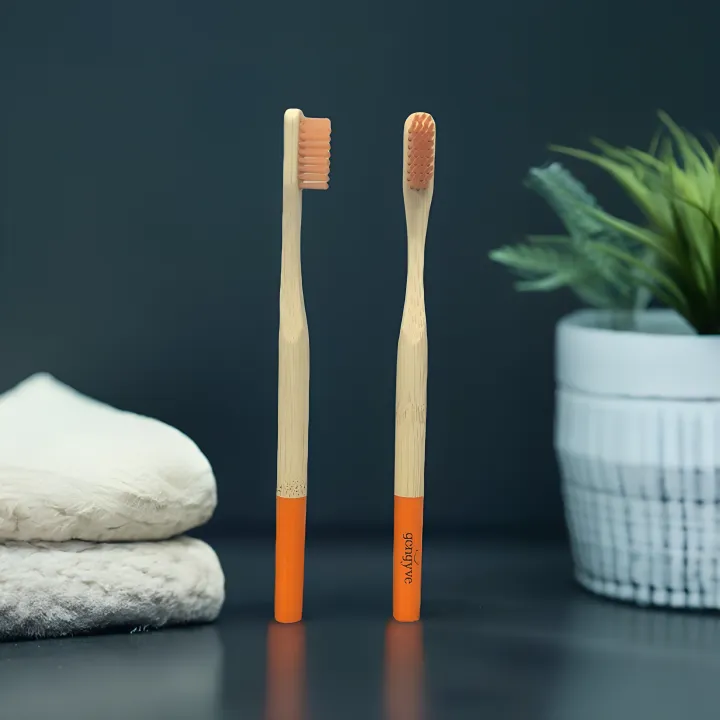


Bamboo adds a second consideration: moisture. Bamboo is a hygroscopic material, meaning it absorbs and releases water from its surrounding environment. Left wet too long, that moisture exchange can soften the handle or create the damp conditions mold needs to take hold.
Ventilation Matters More Than the Material Itself
Natural materials aren't a substitute for drying. Good airflow, not just the bamboo itself, is what keeps your brush in usable condition.
- Store the brush upright, away from splash zones
- Avoid lids, caps, or travel cases that trap moisture
- Give it space from other wet items in a shared holder
The Replacement Cycle Has an Environmental Side Too
Using a toothbrush for its intended lifespan, then disposing of it correctly, is part of what makes bamboo a lower-impact choice . Choosing bamboo over plastic addresses a real problem. Gengyve's internal research estimates 4.9 billion plastic toothbrushes are discarded globally each year, with many ending up in oceans and landfills.
That said, a bamboo handle, nylon bristles, and metal staples are different materials with different end-of-life paths. Replacing on schedule and separating components at disposal is what actually delivers the lower-impact outcome, not the bamboo alone.
Types of Maintenance for a Bamboo Toothbrush
Caring for a bamboo toothbrush isn't a multi-step process. It's mostly preventive: remove residue, dry it properly, check for wear, and replace when it's time. Think of it in four categories.
Routine and Preventive Maintenance
This is what you do every single day, and it takes seconds.
- Rinse before first use to clear away natural bamboo dust from manufacturing
- Rinse after every brushing to remove toothpaste residue and debris
- Shake off excess water before setting the brush down
- Store upright in open air, never in a sealed container while damp

The Gengyve Bamboo Toothbrush follows this same logic: rinse the bristles and handle after use, then let it air-dry in an open holder rather than a closed cup.
ADA's toothbrush guidance also recommends brushing with soft bristles and gentle pressure, since aggressive scrubbing wears down bristles faster and can irritate gums. Kids, shared bathrooms, and humid climates all call for slightly more frequent inspection.
Corrective or Reactive Maintenance
Some problems need action beyond the daily routine. Watch for:
- Persistent musty odor that doesn't go away after rinsing
- A handle that stays damp or feels soft to the touch
- Visible mold-like growth or fuzzy patches
- Loose or severely frayed bristles
If the holder itself is wet or crowded, clean and dry it first. But if the brush shows visible mold, cracking, or splintering, don't try to rescue it with bleach or boiling water. Replace it, and talk to your dentist if you notice ongoing gum irritation or bleeding.
Deep and Periodic Cleaning
Beyond daily rinsing, an occasional deeper clean helps, but keep it simple:
- Clean the bristle area with water and, if the product instructions allow, a small amount of mild soap
- Rinse thoroughly afterward
- Never soak the bamboo handle for extended periods
Manufacturers differ on bristle coatings, adhesives, and handle finishes, so always follow the specific product's care instructions rather than a one-size-fits-all chemical regimen. Vinegar soaks, alcohol rinses, and household disinfectants aren't universally safe for every bamboo brush.
Replacement and End-of-Life Maintenance
Replacing your toothbrush isn't a failure of the product. It's the final, expected step in its life cycle.
- Follow the product's stated replacement interval
- Replace sooner if bristles flatten, fray, loosen, or stop springing back into shape
- Remove bristles with pliers (never your teeth) before disposing of the handle, and keep tools away from kids
For the Gengyve Bamboo Toothbrush, that means removing bristles with pliers, recycling them, and composting the bamboo handle. Compostability and recycling always depend on local facilities, so check your municipal program before assuming acceptance.
How to Check If a Bamboo Toothbrush Needs Maintenance
A quick visual and tactile check tells you whether you need better drying habits, a deeper clean, or a full replacement.
Bristle Performance or Shape Changes
Splayed, flattened, softened, or discolored bristles reduce cleaning consistency. Bristles that bend temporarily during brushing and spring back are fine. Bristles that stay bent or flattened after rinsing mean it's time for a new brush.
Unusual Odor or Dampness
A musty smell or slimy residue, or a handle that never quite dries between uses, usually points to poor airflow or standing water in the holder. Try these fixes first:
- Clean and dry the holder itself
- Move the brush away from sink splash zones
- Improve bathroom ventilation
- Replace the brush if the smell persists after these changes

Visible Mold, Fungus, Cracks, or Splinters
Fuzzy growth, dark patches paired with odor or texture changes, cracking, or splintering mean you should stop using the brush and replace it.
Normal color changes are different. A bamboo handle can darken or fade near the wet end simply from regular moisture exposure, according to Brush with Bamboo's care instructions. Focus on texture and odor, not color alone.
Increased Brushing Pressure or Discomfort
If you find yourself pressing harder to feel "clean," that's usually a bristle problem, not a technique problem. Scrubbing harder won't fix worn bristles, and it can irritate your gums further. Persistent bleeding, pain, or sensitivity warrants a call to your dentist rather than a guess about your toothbrush.
Recurring Storage Problems
Enclosed cups, wet travel cases, overcrowded holders, and splash zones near the sink all keep a bamboo handle damp longer than it should be. Store the brush separately, upright, on a surface that actually drains, with bristles kept away from other wet or dirty items.
Bamboo Toothbrush Maintenance Schedule
Exact timing varies with how often you brush, your bathroom's humidity, and the manufacturer's specific guidance. Here's a general schedule to work from.
| Frequency | Tasks |
|---|---|
| Daily / after each use | Rinse bristles and handle, clear residue, shake off water, store in open-air holder |
| Weekly | Wash and dry the holder, check for standing water or sealed damp storage |
| Monthly / quarterly | Inspect for fraying, flattening, looseness, odor, cracks, or texture changes |
| Replacement | Follow manufacturer interval (commonly 3-4 months), or sooner with visible wear; remove bristles and dispose per local rules |
Adjust for these situations:
- Light use: Even a lightly used brush can wear out on the manufacturer's timeline, since bristle material degrades regardless of how often it's used
- Shared or travel brushes: Never pack a brush away wet. Dry it fully before storing, then rinse again before the next use
- Humid bathrooms: Poor airflow slows drying time, so running a fan or cracking a window helps, per EPA's mold guide
Pairing consistent brushing with a gentle, alcohol-free oral rinse, such as Gengyve's mouthwash used according to label directions, supports your broader routine. The rinse won't preserve the bamboo handle; that still depends on rinsing, drying, and ventilation.
Conclusion
Bamboo toothbrush care really comes down to five habits:
- Rinse thoroughly
- Dry completely
- Store with airflow
- Inspect regularly
- Replace worn brushes on schedule
None of it takes more than a few extra seconds compared to caring for a plastic brush.
Get this routine right, and you support both your oral hygiene and the environmental benefits that come with a natural-material handle. Just remember that the bristles and handle often need different disposal paths.
Follow your specific toothbrush's manufacturer instructions, and check with your dentist if you notice persistent gum bleeding, pain, or sensitivity. Those symptoms need professional attention, not a new brush.
Frequently Asked Questions
How do you clean a bamboo toothbrush?
Rinse it before first use to remove bamboo dust, then rinse bristles and handle after every brushing to clear residue. Shake off excess water and avoid soaking the handle or using harsh cleaners.
How can I prevent mold or fungus on my bamboo toothbrush?
Store it upright in an open-air holder, keep it away from standing water, and improve bathroom ventilation. If you spot visible growth or a musty smell that won't go away, replace the brush.
How often should you replace a bamboo toothbrush?
Most manufacturers, including Gengyve, recommend replacement every three to four months. Replace sooner if bristles fray, flatten, loosen, or stop cleaning effectively.
Do dentists approve of bamboo toothbrushes?
Dentists generally focus on bristle softness, brushing technique, and regular replacement rather than handle material specifically. Ask your dentist about what fits your individual oral-care needs.
Is a bamboo toothbrush healthier?
Not automatically. Oral-health performance depends on bristle quality, technique, and replacement habits, while bamboo's main advantage is environmental. Weigh both factors, including how the materials get disposed of, when choosing a brush.