Here's the problem: a harsh burn doesn't mean a rinse is working harder. It usually just means the formula has more alcohol, menthol, or acidity than your tissue can comfortably handle.
This guide breaks down why mouthwash burns, what label ingredients actually matter, and which alcohol-free, gentle-flavor options are worth comparing. We'll also flag when a sore mouth needs a dentist, not just a different bottle.
Key Takeaways
- Alcohol-free mouthwash is the first thing to try if rinsing leaves your mouth burning or dry.
- Match the formula to your goal: fluoride for cavities, CPC for plaque and gums, hyaluronic acid or glycerin for dryness.
- A gentle, non-burning rinse can still be effective: sensation and efficacy aren't the same thing.
- Compare Gengyve, CloSYS, TheraBreath, Crest Pro-Health, and Listerine Total Care Zero by ingredients and purpose, not flavor intensity.
Overview of Mouthwash That Does Not Burn
A "non-burning" mouthwash is simply one formulated to minimize stinging or irritation. No product can promise a zero-sensation experience for everyone, because flavorings, essential oils, acidity, and individual tissue sensitivity all vary from person to person.


Why Mouthwash Burns in the First Place
Several factors can turn a quick rinse into an unpleasant experience:
- Alcohol content: dries oral tissue and triggers irritation, which is why people with dry mouth are often told to avoid alcohol-based rinses, according to Mayo Clinic's guidance
- Strong menthol or essential oils: high menthol levels create that cold, tingling (sometimes sharp) sensation, as Delta Dental explains
- Acidic formulations: low-pH rinses used repeatedly can irritate the surface tissue of the mouth
- Exposed tissue or sores: canker sores, recent dental work, or thin gum tissue amplify any sting
- Sensitivity or allergy: a delayed reaction to a specific flavoring agent, distinct from simple irritation
Cosmetic vs. Therapeutic Rinses
Not all mouthwash does the same job. Cosmetic rinses temporarily freshen breath with no lasting chemical benefit. Therapeutic rinses contain active ingredients meant to support specific concerns such as cavities, plaque, gingivitis, sensitivity, or dry mouth, according to the ADA's mouthrinse overview.
Before buying, check whether a product carries the ADA Seal of Acceptance for your specific concern. A missing seal doesn't automatically mean a product doesn't work, but a seal does confirm independently reviewed evidence for that exact claim.

The recommendations below prioritize formulas described as gentle or non-burning, while still matching each one to a real oral-health purpose.
Best Mouthwashes That Don't Burn
Selection here comes down to seven things: alcohol status, flavor intensity, active ingredients, intended purpose, supporting evidence, daily-use suitability, and current label directions. Here's how five widely available options stack up.
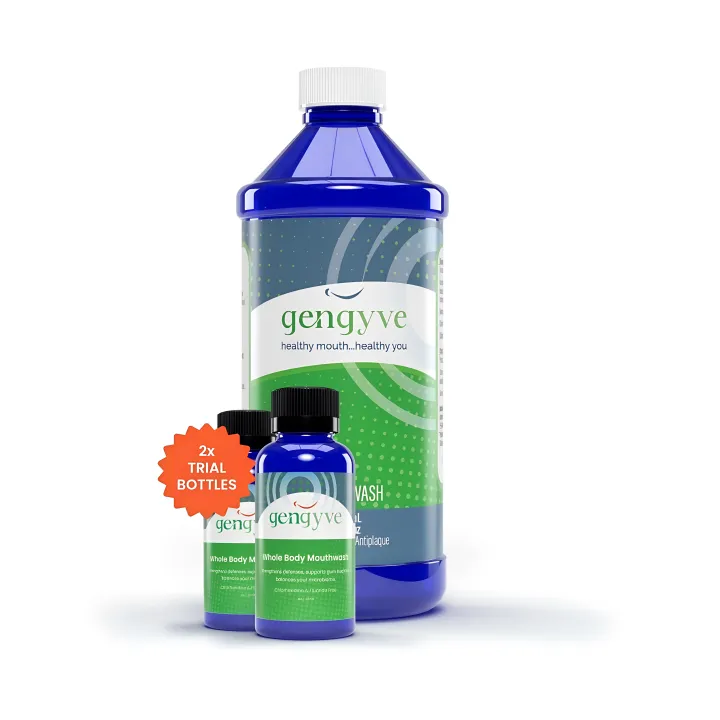
Gengyve Mouthwash
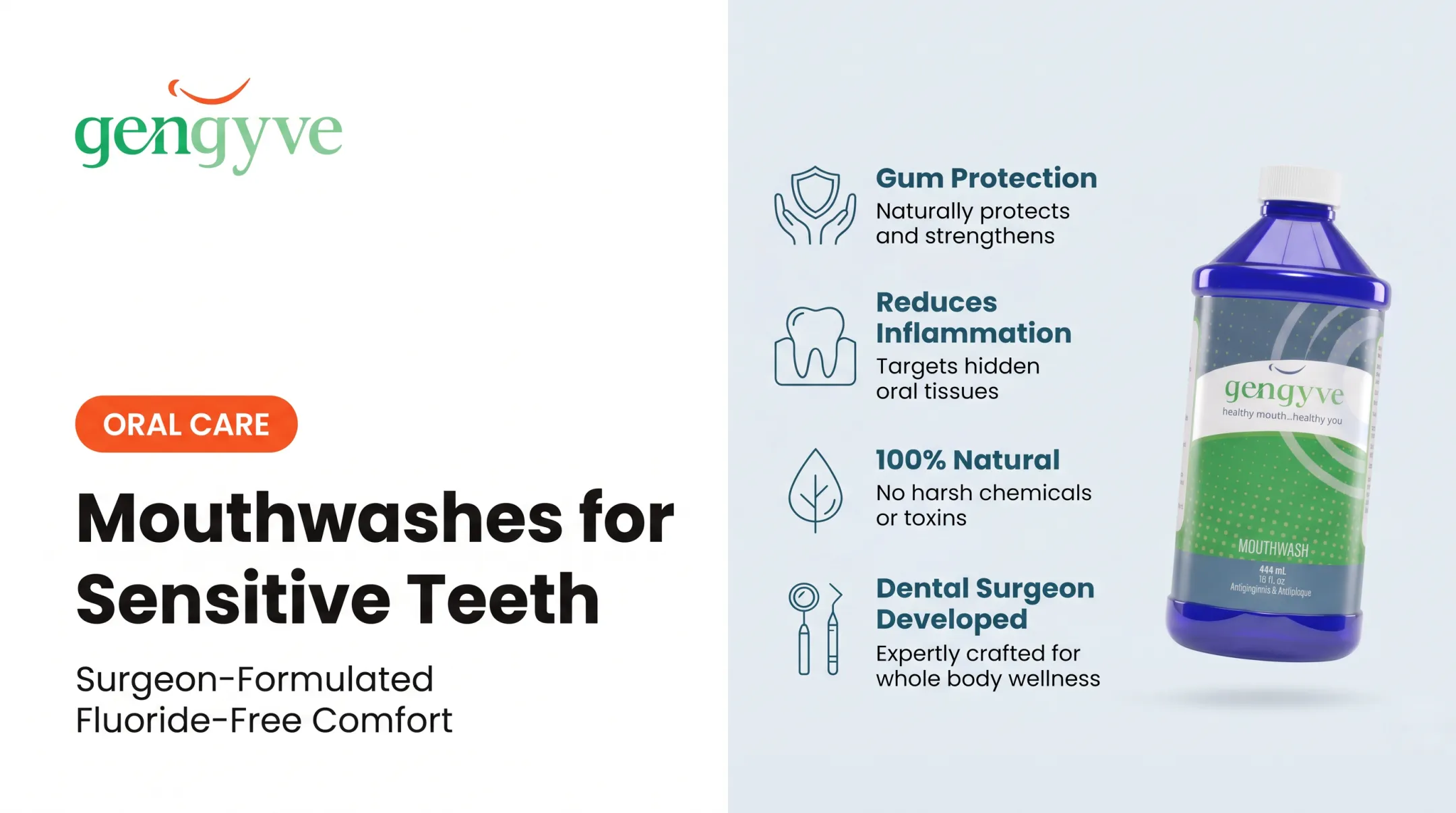
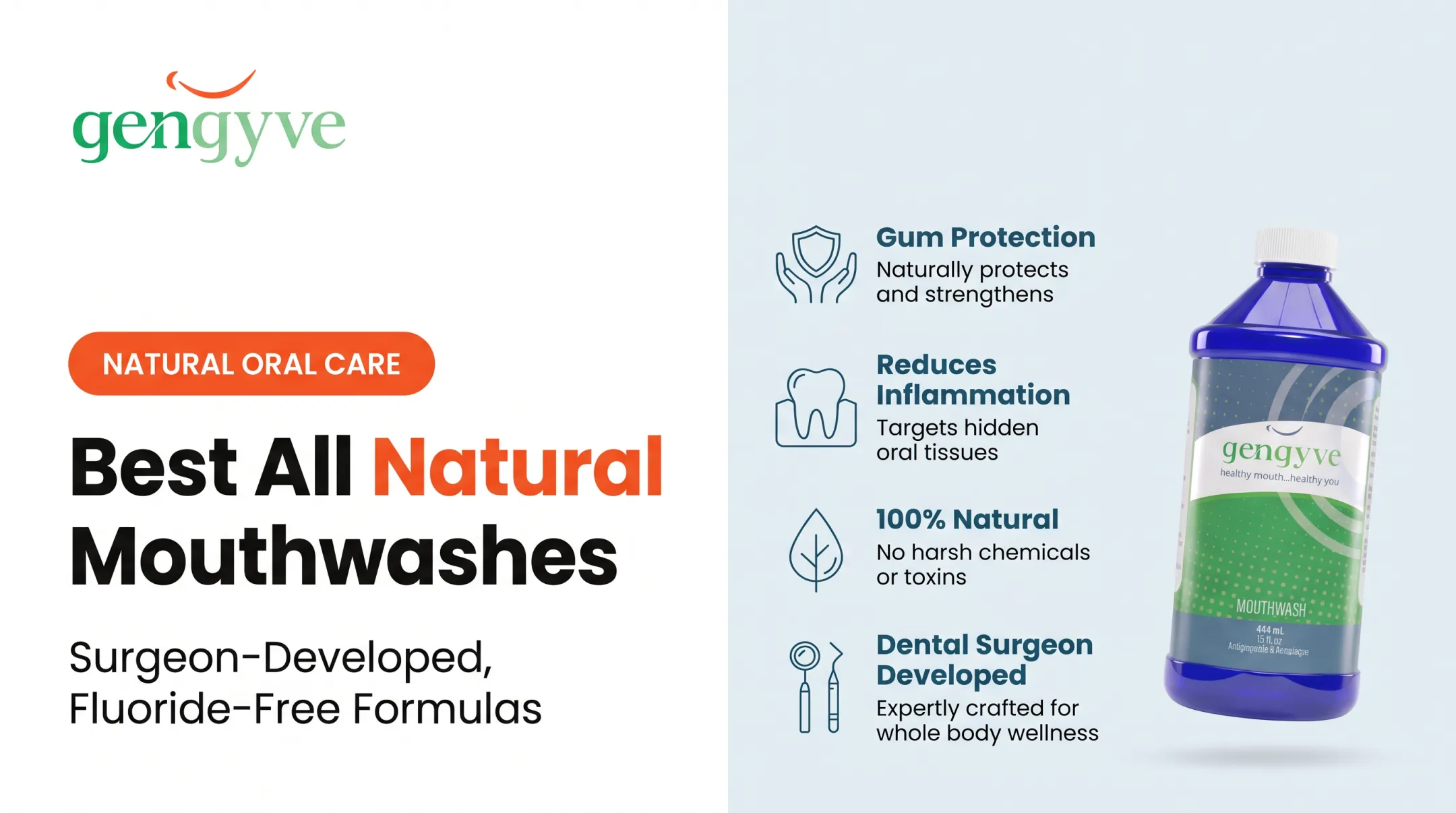
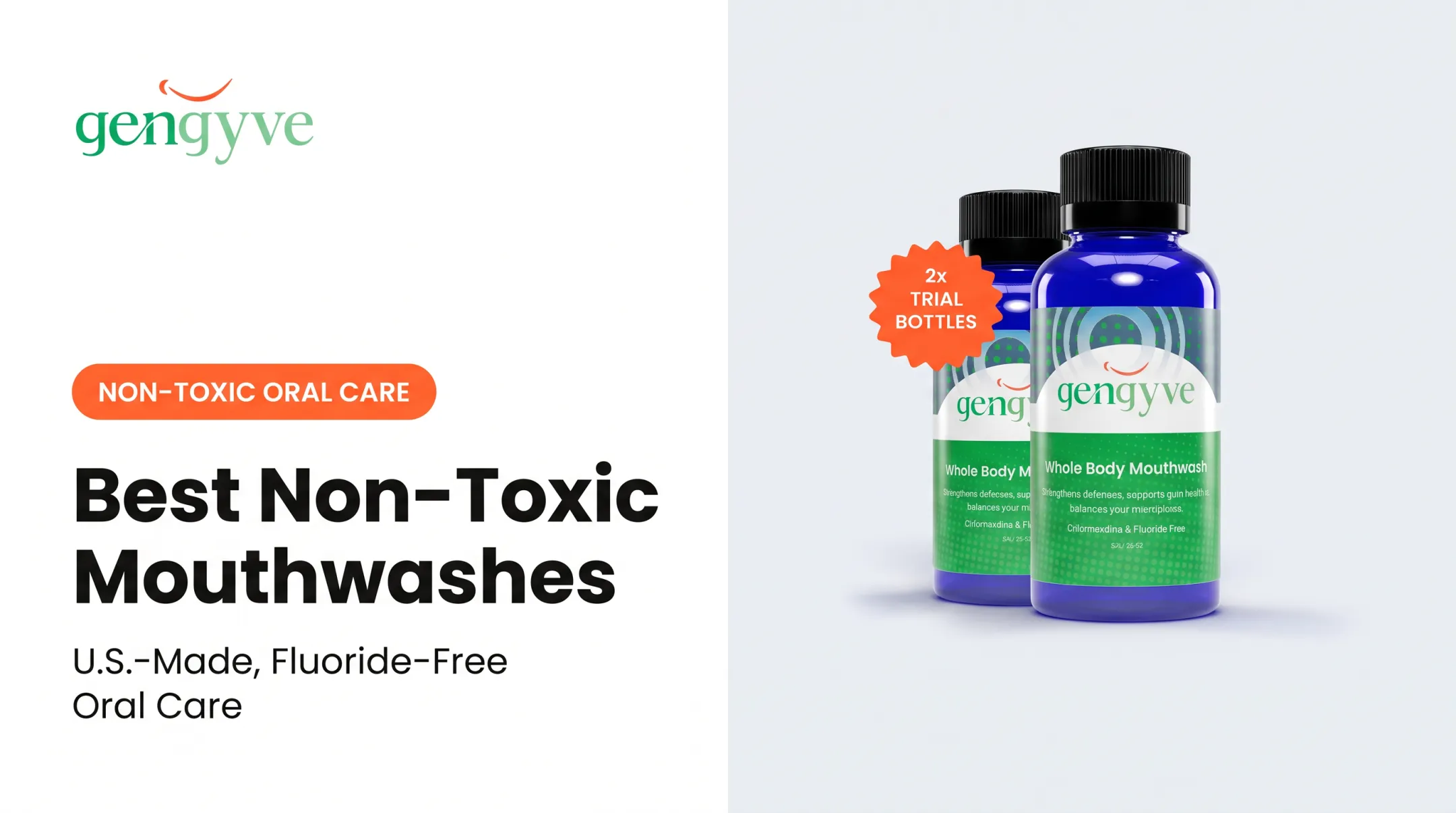
Gengyve was developed in the US by practicing dental surgeons and educators, including founder Dr. S. Thaddeus Connelly, an oral and maxillofacial surgeon and UCSF clinical professor. That background shaped the goal: a rinse gentle enough for daily home use but formulated with professional-grade ingredients.
Differentiators worth verifying against the current label:
- Alcohol-free, chlorhexidine-free, and dye-free
- CPC plus hyaluronic acid pairs an antimicrobial with a hydrating ingredient
- Pullulan and polyvinylpyrrolidone are described as a soothing, mucoadhesive "biological bandage" that may prolong CPC's effect
- A randomized, double-blind trial tested a CPC-hyaluronic acid rinse against chlorhexidine and placebo in 75 dental students over 21 days
Plaque accumulation was higher in the placebo group, though gingivitis differences between groups were not statistically significant. That study is one data point, not proof of long-term superiority or a claim that the product treats existing periodontitis. Directions call for swishing twice daily after brushing. Anyone recovering from oral surgery, implants, or cancer treatment should follow their clinician's specific instructions rather than general product marketing.
CloSYS Sensitive Mouthwash
CloSYS Sensitive (Gentle Mint) is a non-alcohol, pH-balanced rinse built around stabilized chlorine dioxide (branded Cloralstan). It's commonly positioned for people with dry mouth or anyone who finds mint-heavy rinses uncomfortable.
Key details to confirm on the current bottle:
- No alcohol, sulfates, or triclosan
- ADA acceptance covers bad-breath reduction, not cavity or gingivitis claims
- A 24-hour freshness claim requires twice-daily use for at least two weeks
- A separate unflavored "Ultra Sensitive" variant also exists
It's a solid fit for breath comfort, but it isn't a substitute for a fluoride or antigingivitis rinse if that's your actual goal.
TheraBreath Fresh Breath or Healthy Gums Oral Rinse
These two TheraBreath variants solve different problems, so don't mix them up.
Fresh Breath (Mild Mint) uses sodium chlorite rather than CPC and is aimed at antimicrobial breath control. ADA acceptance here supports reducing bad breath specifically.
Healthy Gums (Clean Mint) contains 0.05% CPC, positioned for plaque and gingivitis support rather than just odor control. Directions differ by product, so check the bottle: Fresh Breath calls for a 90-second adult rinse, while Healthy Gums specifies 30 seconds.
Neither is a cure for an existing dental problem; they're daily-maintenance tools.
Crest Pro-Health Alcohol-Free Mouthwash
Crest's alcohol-free Pro-Health line (Complete Clean, Clean Mint) uses 0.07% CPC for plaque and gingivitis protection, alongside glycerin and flavoring agents, with no alcohol.
A few things worth knowing before daily use:
- Directions call for 20 mL swished for 30 seconds, twice daily
- A small percentage of users report temporary tooth staining or altered taste, both described as reversible once use stops
- Crest advises checking with a dentist if symptoms persist or worsen during regular use
It's widely available and reasonably priced, making it a practical pick if CPC-based gum support is the goal and mild temporary taste changes aren't a dealbreaker.
Listerine Total Care Zero Alcohol
The Zero Alcohol variant (Fresh Mint or Extra Mild Mint) swaps out Listerine's traditional alcohol base while keeping a fluoride anticavity formula. ADA acceptance here specifically covers helping prevent tooth decay, not plaque or gingivitis.
"Zero alcohol" doesn't mean zero sensation for every user. Flavor intensity and essential oils still vary between Listerine products, so don't assume every Total Care bottle tastes or feels the same. Directions typically call for a one-minute rinse, twice daily, with food and drink avoided for 30 minutes afterward.

How We Chose the Best Mouthwashes That Don't Burn
Being labeled "alcohol-free" isn't enough on its own. Here's the framework used to compare these five rinses.
Formulation check. We looked for alcohol, strong essential oils, intense menthol, acidic ingredients, and artificial flavoring — all relevant to anyone with sensitive tissue. Ingredient sensitivity is individual, though; no component here is harmful to everyone.
Effectiveness and intended use. We matched:
- Fluoride → cavity prevention
- CPC or similar antimicrobials → plaque and gingivitis support
- Hyaluronic acid, glycerin, or similar → dry-mouth comfort
Prescription chlorhexidine rinses can be appropriate for specific short-term clinical situations, but only under a dentist's or physician's direction — not as a self-selected daily option.
Trust and evidence. We checked ADA Seal status where available, looked for peer-reviewed research, and separated independently verified findings from brand marketing claims and testimonials.
Practical usability. Flavor options, US availability, serving size, frequency, age restrictions, and cost per use all factored in. A rinse that's technically effective but unpleasant enough to skip isn't actually useful.

Common Selection Mistakes
Avoid these traps when picking a rinse:
- Choosing the strongest-tasting product, assuming intensity equals effectiveness
- Using mouthwash as a substitute for brushing and flossing
- Ignoring persistent burning, swelling, or sores instead of pausing use
- Picking a cavity-focused rinse when your actual concern is gum bleeding, or vice versa
Conclusion
The best mouthwash that doesn't burn is the one you'll actually use every day, with ingredients that match what you're trying to fix. Check the current label, use the product exactly as directed, and stop immediately if you notice burning, swelling, sores, rash, or worsening irritation.
If you want a dental-surgeon-developed, alcohol-free daily rinse built around CPC and hyaluronic acid, Gengyve is worth a look. Anyone dealing with persistent bleeding, pain, dry mouth, or post-surgical concerns should talk to a dental professional before relying on any over-the-counter rinse.
Frequently Asked Questions
Is there a mouthwash that doesn't burn?
Alcohol-free, mild-flavor, pH-conscious rinses are the usual starting point, but individual reactions vary. Check active ingredients and the current label rather than relying on "non-burning" marketing claims alone.
Why does my mouthwash burn?
Burning often comes from alcohol, strong menthol or essential oils, acidity, irritated tissue, mouth sores, or a sensitivity to a specific ingredient. Pause use if the sensation is significant or doesn't improve.
Is alcohol-free mouthwash better for sensitive gums?
It's often more comfortable for people prone to dryness or tissue sensitivity. Still, the right choice depends on the product's active ingredients and your specific dental needs.
Can a mouthwash that does not burn still be effective?
Yes. Sensation doesn't measure effectiveness. Fluoride, CPC, and other evidence-supported ingredients can do their job without any burning feeling at all.
How should I use mouthwash without irritating my mouth?
Follow the label's dose and swishing time, avoid swallowing, and don't dilute the rinse unless directed. Mouthwash supports brushing and flossing — it doesn't replace them.
When should I stop using mouthwash and see a dentist?
See a dentist for persistent burning, swelling, ulcers, bleeding gums, severe dryness, or symptoms that continue after you've stopped the rinse. Anyone using a post-surgical or prescription rinse should follow their clinician's specific instructions.