That question got louder after reports linked certain flosses to PTFE, a fluoropolymer related to PFAS, the so-called "forever chemicals." Many people now want floss that skips PFAS, PTFE, and undisclosed coatings entirely.
Here's the catch: "PFAS-free" is only one piece of the puzzle. The floss fiber, wax, flavoring, handle material, packaging, and how comfortably it glides between your teeth all matter too. This guide breaks down the science, shows you how to read label claims accurately, compares common floss materials, and gives you a practical checklist, without overstating what the research actually proves.
Key Takeaways
- PFAS and PTFE aren't interchangeable; PTFE is one fluoropolymer in the broader PFAS category.
- "Natural," "charcoal," "biodegradable," and "non-toxic" are marketing words, not PFAS-free or microplastic-free proof.
- Look for disclosed fiber, coating, flavor, and testing details before trusting any buzzword.
- Choose a format you'll use correctly every day; consistency beats any single ingredient swap.
- See a dentist for persistent bleeding, pain, shredding, or trouble around bridges or implants.
What PFAS and PTFE Mean in Dental Floss
PFAS stands for per- and polyfluoroalkyl substances, a huge family of synthetic chemicals built around a fluorinated carbon chain. Manufacturers have used them for decades to make products resist water, grease, and stains, which is why they show up in everything from cookware to food packaging to some floss coatings.


PTFE Is a PFAS, Not a Separate Category
PTFE, the material behind the Teflon brand name, is a fluoropolymer, and fluoropolymers fall squarely within the PFAS family according to scientific classification research.
This matters because some brands advertise "PTFE-free" without ever saying "PFAS-free," and the two claims aren't automatically the same thing. If avoiding PFAS entirely is your goal, look for both terms stated explicitly.
What the Research Actually Found
A frequently cited 2019 study looked at 178 women and found that those who reported "ever" using Oral-B Glide floss had 24.9% higher serum levels of one PFAS compound (PFHxS) compared to non-users, according to researchers' published findings.
The same research detected total fluorine in 6 of 18 floss products tested, including all three Glide products in the sample.
That's worth taking seriously, but it's an association, not proof that this specific floss caused a specific health outcome. Study limits include:
- Behavioral surveys collected years after blood samples
- Small sample size
- Participants concentrated in one region
A 2025 study of 6,750 adults found a similar mixed picture: floss users showed higher PFOA but lower overall PFAS burden, without identifying specific brands.

Why "Forever Chemicals" Is More Than a Catchphrase
The carbon-fluorine bond in PFAS compounds is extremely stable, which means these chemicals resist breaking down in the environment for years, sometimes decades. Persistence varies by specific compound, and human elimination rates differ too, so "forever" is shorthand, not a literal description of every PFAS molecule.
Formulations also change. Some brands have reformulated their floss since these studies were published, so check current packaging rather than relying on an old article (including this one).
How to Evaluate Whether Dental Floss Is PFAS-Free
Reading a floss label well starts with knowing what each phrase actually promises.
Claims That Mean Something, and Claims That Don't
| Label Statement | What It Establishes |
|---|---|
| "PFAS-free" + "PTFE-free" | Strongest combined claim when both appear explicitly |
| "No intentionally added PFAS" | Addresses intentional formulation only, not trace contamination |
| "Fluorine-free" | A chemistry-specific claim; confirm it covers the whole product, not just one component |
| Third-party test results | Only meaningful if the test date, lab, and scope are disclosed |
Under the FTC's Green Guides, a "free-of" claim generally requires the substance to be absent beyond trace background levels, not just left out intentionally. In plain terms, a company saying "we don't intentionally add PFAS" hasn't necessarily proven the product is PFAS-free.
Red Flags Worth a Closer Look
Treat these terms as a prompt to dig further, not an automatic deal-breaker:
- PTFE, Teflon, fluoropolymer, perfluoro, or polyfluoro anywhere in the ingredients
- "Nonstick" or "coated for easy gliding" with no specifics
- "Natural" or "plant-based" claims that don't mention the coating separately
- Charcoal, vegan, or organic labeling with no fiber or wax disclosure
- Testing claims with no lab name, date, or product version attached
A Quick Buyer Checklist
Before buying, confirm these seven items are disclosed somewhere on the packaging or product page:
- Fiber (silk, nylon, polyester, or other)
- Coating or wax type
- Flavoring source
- Handle or dispenser material
- Packaging composition
- Testing details (who, what, when)
- Current formulation date or version
A product can satisfy one claim, say, "biodegradable packaging," while leaving the floss coating completely undisclosed. Check each item separately rather than assuming one good claim covers the rest.
Comparing Floss Materials, Coatings, and Formats
Material choice affects biodegradability, feel, and what you're putting between your teeth daily.
Fiber: Silk vs. Synthetic
Silk is an animal-derived natural fiber. Consumer Reports testing notes it as a biodegradable option.
Nylon and polyester are durable synthetics used because they're inexpensive and consistent. A 2023 comparison study found no statistically significant tensile-strength difference between the specific silk and nylon products it tested. Either way, the fiber alone doesn't tell you about the coating.
Coatings and Waxes
Natural waxes such as beeswax, candelilla, and carnauba are common on both silk and synthetic floss. None of these are automatically safer or riskier than petroleum-derived waxes without specific testing.
The American Dental Association notes there's no measurable difference in plaque removal between waxed and unwaxed floss, according to ADA's clinical guidance. Pick whichever glides better for your teeth.
Charcoal Is an Additive, Not a Credential
Charcoal floss gets marketed as "detoxifying" or "natural," but charcoal is a colorant added to the product, not evidence about the underlying fiber, wax, or PFAS status. No floss-specific research currently supports a safety or whitening advantage from charcoal alone.

Format Comparison
| Format | Convenience | Watch For |
|---|---|---|
| Spool floss | Customizable length, refillable | Coating often undisclosed on budget brands |
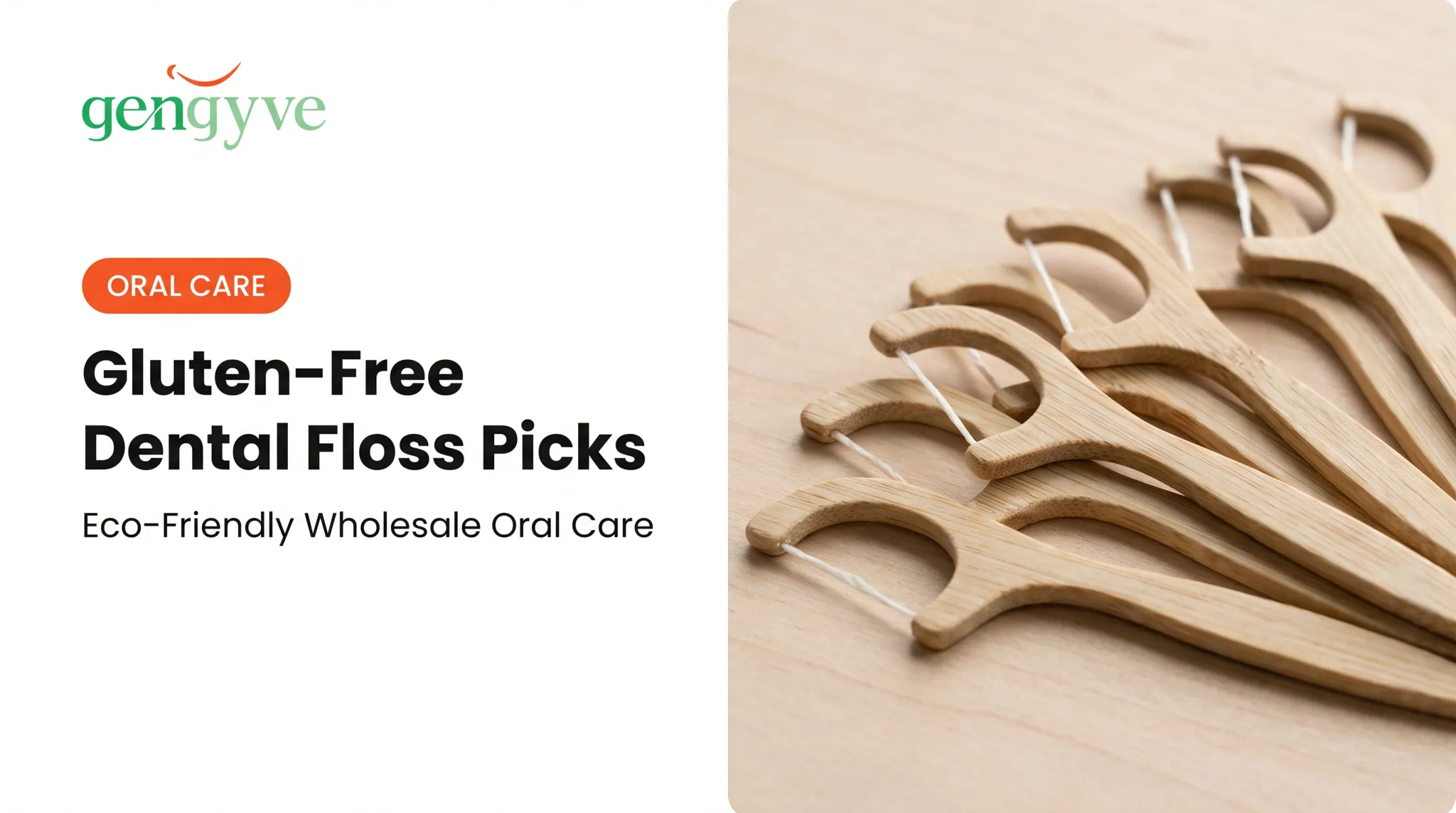
| Floss picks | Easy one-handed use | Plastic handle plus unlisted strand material |
| Reusable holders | Less single-use waste | Replacement string composition still needs checking |
How to Choose a Floss That Works for Your Mouth
The "best" floss is the one you'll actually use correctly, every day, without hurting your gums.
Match Floss to Your Mouth
- Tight contacts: thin, waxed, or tape-style floss slides through without shredding
- Larger gaps or bridges: expanding or thicker floss covers more surface area
- Braces or retainers: threaders or super-floss with a stiffened end reach under wires
- Sensitive gums: gentler, lightly waxed floss reduces friction and irritation
Gengyve's silk floss uses 100% natural silk with a light plant-based wax coating. It is plastic-free and comes in a refillable glass container instead of single-use plastic packaging.
Flossing Technique That Protects Your Gums
- Cut about 18 inches of floss, winding most around your middle fingers.
- Guide it gently between teeth, never snapping it against the gumline.
- Curve it into a C shape against one tooth and slide up and down.
- Repeat on the neighboring tooth before moving to the next gap.
- Stop and switch products if the floss repeatedly shreds, cuts, or sticks.

If bleeding, pain, or breakage persists, especially around implants, periodontal work, or recent oral surgery, talk to your dentist or hygienist rather than guessing at a fix.
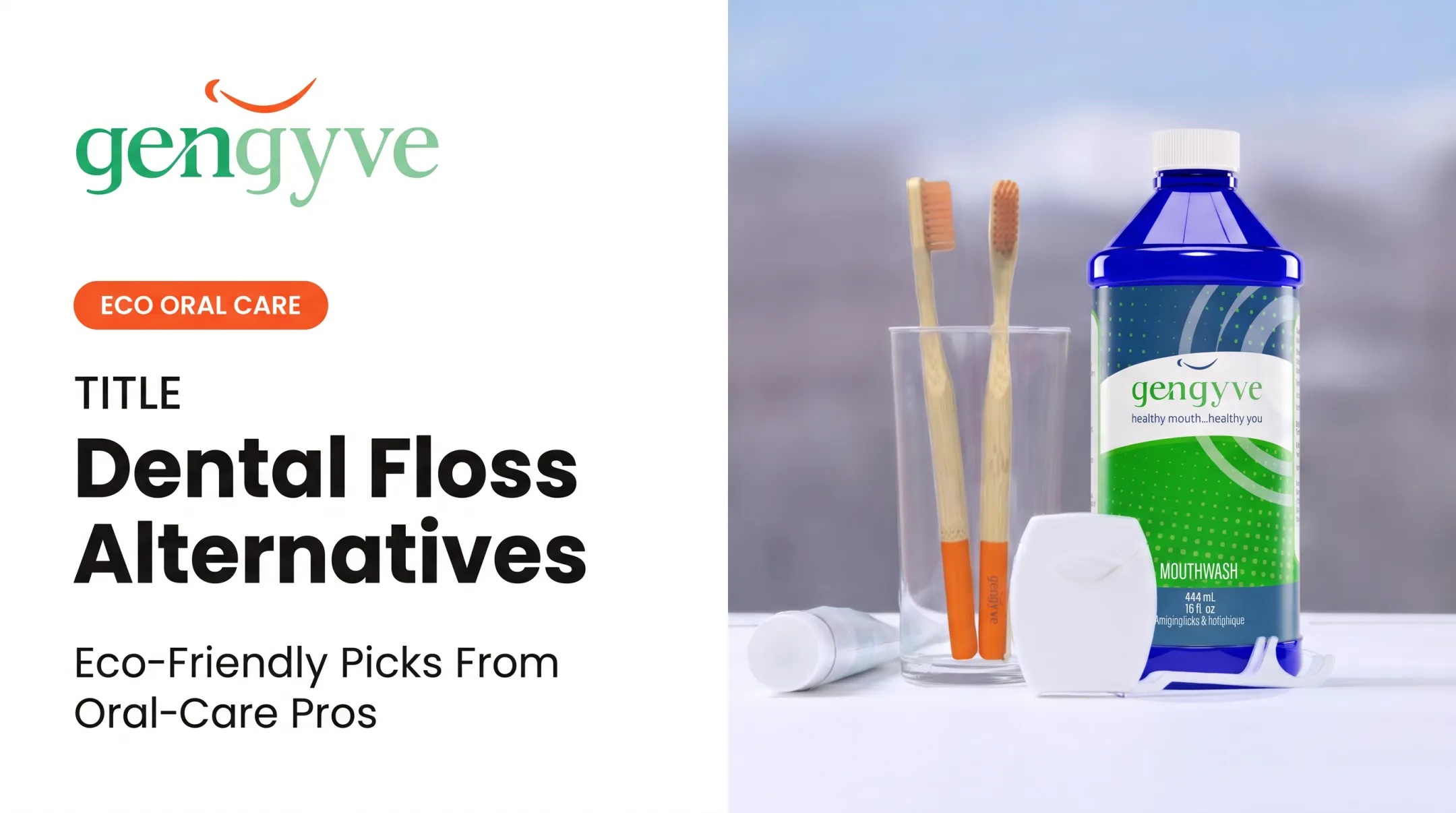
A rinse like Gengyve's alcohol-free, chlorhexidine-free mouthwash, developed with practicing dental surgeons, can complement your routine. It does not replace brushing or physical interdental cleaning.
Building a Practical PFAS-Conscious Oral-Care Routine
A sustainable, transparency-focused routine doesn't need to be complicated.
Daily basics:
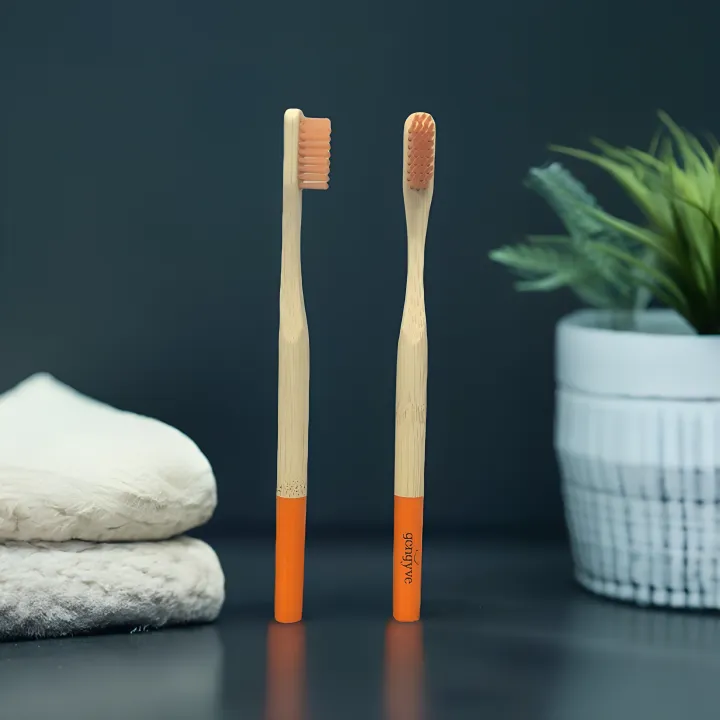
- Brush twice daily with a toothbrush that suits your gums (bamboo handles reduce plastic waste)
- Clean between teeth once daily with floss or another interdental tool
- Use mouthwash only as directed for your specific needs, not as a floss substitute
Reducing exposure and waste means picking products with disclosed ingredients and reusable components where practical, then disposing of floss and packaging according to your local guidelines.
A compostable floss container, for instance, cuts landfill waste, but that's an environmental benefit, not proof the floss itself is safer for your mouth. Keep those two claims separate when you're comparing products.
Formulations change often enough that you should double-check current packaging each time you restock. Ask your dental team for personalized advice if you're managing gum disease or recovering from a procedure.
Frequently Asked Questions
Which dental floss is PFAS-free?
Look for floss that explicitly states both "PFAS-free" and "PTFE-free" on current packaging, backed by disclosed materials and credible testing. Don't rely on "natural" marketing language alone to answer this question.
What is the best non-toxic dental floss?
The best option combines transparent ingredient disclosure, no intentionally added PFAS or PTFE, a comfortable fit for your teeth, and consistent daily use. There's no single universal "best" without checking current, product-specific evidence.
Which dental floss does not contain microplastics?
Plastic-free fibers like some silk flosses avoid microplastics, but bio-based plastics and most synthetic fibers still can shed particles. Check the full fiber and coating composition rather than trusting "eco" labeling alone.
Is PTFE (Teflon) in dental floss safe?
PTFE is a fluoropolymer within the PFAS family, which is why some consumers choose to avoid it. If skipping PFAS is your priority, select floss explicitly labeled PTFE-free.
Is charcoal dental floss safe?
Charcoal is an additive or colorant, not evidence of safety or PFAS-free status on its own. Check the underlying fiber, wax, flavoring, and testing details before assuming charcoal floss is any different.
Is waxed or unwaxed floss better?
Clinical guidance shows no difference in plaque removal between waxed and unwaxed floss. Waxed versions often glide easier through tight teeth, but comfort and consistent daily use matter more than this choice alone.