
There's a narrow exception. If a toothbrush is part of treating a diagnosed dental condition, and your plan administrator accepts the required documentation, it may qualify. That's a big "if," and it depends on paperwork most people never bother to gather.
This guide covers the actual eligibility rules, what a Letter of Medical Necessity needs to contain, which dental expenses reliably qualify, and how to verify a claim before you spend a dollar of HSA or FSA money.
Key Takeaways
- Toothbrushes and replacement heads count as personal-use items, whether manual, electric, or sonic
- A diagnosis plus a proper Letter of Medical Necessity may support an exception, but approval isn't automatic
- Contact your plan administrator before buying; a dentist's general recommendation doesn't guarantee reimbursement
- Save itemized receipts and provider documentation for anything you plan to submit
- Dental procedures like cleanings, fillings, and orthodontics are far more reliable HSA/FSA uses than hygiene products
Are Toothbrushes FSA and HSA Eligible?
IRS Publication 502 sets the standard for what counts as a qualified medical expense. An expense generally has to primarily diagnose, prevent, alleviate, or treat a disease or condition, not just support ordinary personal care.
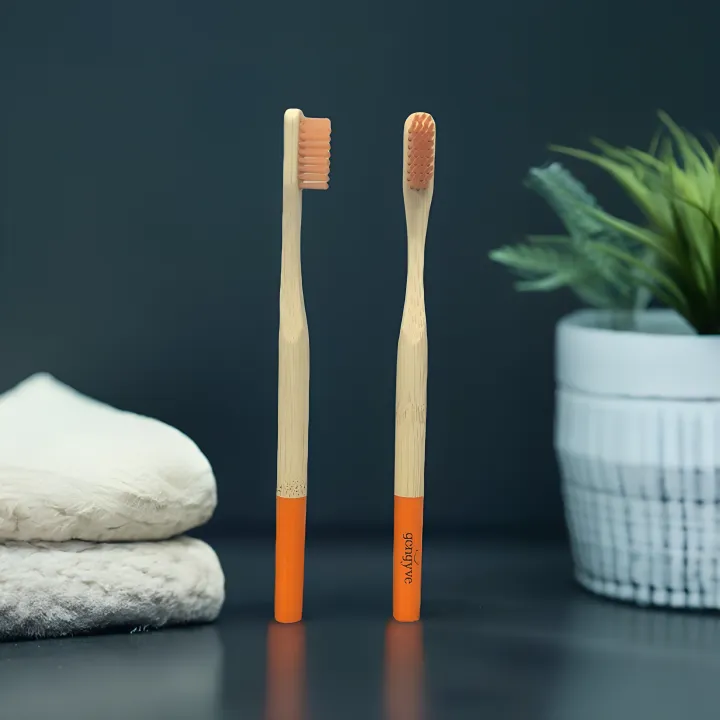
The IRS says this directly: you can't include the cost of an item "ordinarily used for personal, living, or family purposes" unless it's used primarily to treat a disability or illness. It then names an example, a toothbrush and toothpaste, as a nondeductible personal expense.
That single sentence settles most of the confusion. It doesn't carve out exceptions for:
- Electric or sonic toothbrushes, regardless of price
- Replacement brush heads
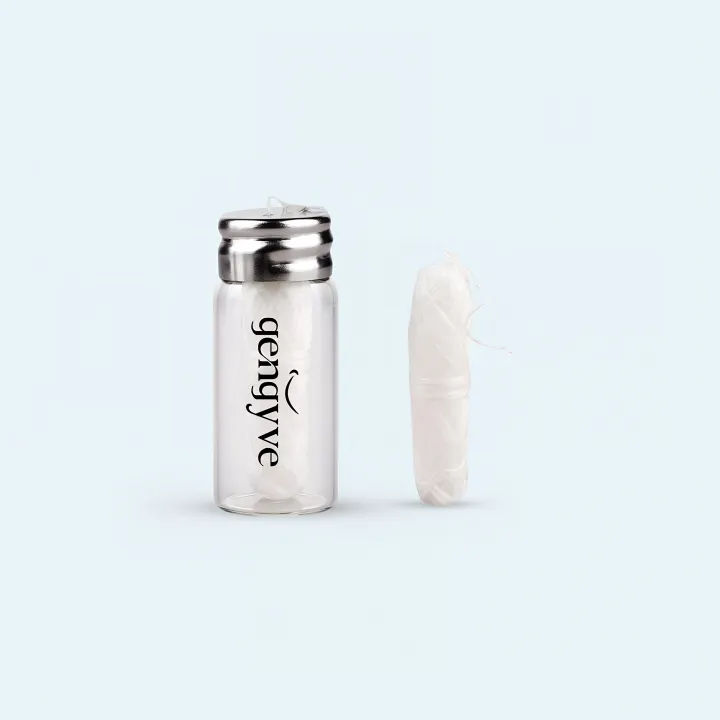
- Toothpaste, floss, or similar hygiene products
- Products marketed as "professional-grade" or dentist-endorsed
A $300 toothbrush with Bluetooth tracking is still, in the IRS's eyes, a personal hygiene product, not a medical device.
Where the Line Actually Falls
The real distinction isn't manual versus electric. It's general maintenance versus condition-specific treatment.
Brushing every morning to control everyday plaque? That's personal care, full stop.
Using a specialized device because a diagnosed condition makes manual brushing medically impractical, say, after jaw surgery or with a significant motor-control limitation? That's a different category, and it's the only door left open.
HSA and FSA accounts handle this question in largely the same way, since both trace back to the same IRS medical-expense definition. What differs is procedural: substantiation requirements, submission deadlines, and how closely an administrator reviews borderline claims.
| Factor | FSA | HSA |
|---|---|---|
| Governing standard | Same IRS medical-expense definition | Same IRS medical-expense definition |
| Claim process | Submit for reimbursement or substantiate card swipe | Pay directly, retain records |
| Unqualified purchase | Claim denied or reversed | Taxable income, possible additional tax |
Retailer "FSA-eligible" labels and dentist recommendations aren't legal determinations. Only your plan administrator's acceptance of adequate documentation, tied to an actual diagnosis, establishes eligibility for a toothbrush.
When Can a Toothbrush Qualify as Medically Necessary?
A Letter of Medical Necessity (LMN) isn't the same as your dentist jotting "patient should use an electric toothbrush" on a prescription pad. It's a formal document connecting a diagnosed condition to the specific product being requested.
What a Proper LMN Should Include
Administrator forms vary, but the core elements tend to repeat:
- Patient identification and the diagnosed condition
- The specific product or type of product recommended
- Treatment rationale explaining why this item, not a standard alternative
- Expected duration of use
- Provider's name, credentials, signature, and date
Optum's LMN form requires a licensed provider's signature, license number, and phone number, and states the letter is valid for one year before renewal. FSAFEDS requires similar detail plus a certification that the expense isn't for general health or cosmetic purposes.
Neither form promises the claim will be paid. They're evidence, not approval.
Situations Where a Clinician Might Consider It
A dentist might document medical necessity for a specialized toothbrush in cases like:
- Significant periodontal disease requiring specific plaque-control tools
- Post-operative care following oral surgery
- Orthodontic appliances that standard brushes can't clean around effectively
- Severe oral sensitivity limiting typical brushing technique
- A physical limitation, such as arthritis or limited dexterity, affecting manual brushing
These are circumstances where a provider might write supporting documentation. None of them guarantee approval.
Timing Is Everything
Get approval before you buy, not after. Retroactive letters written after a purchase are far more likely to get rejected. Administrators want documentation that preceded or coincided with the purchase decision.
Some companies now make this step easier. Flex, for example, offers a telehealth consultation to help customers obtain the LMN they need before checkout, rather than scrambling for one afterward.
Your plan administrator makes the final call, not the retailer selling the toothbrush and not even the dentist who recommended it. Before you spend anything, ask the administrator:
- Will this exact product qualify under our plan's rules?
- What documentation do you require?
- What reimbursable amount, if any, will you approve?
Buying first and asking questions later is the most common way people end up with a denied claim.

What Dental Expenses Usually Qualify?
Dental treatment has a much stronger track record with HSA and FSA funds than hygiene products do. IRS guidance recognizes prevention and alleviation of dental disease as medical care, covering:
- Exams, cleanings, and X-rays
- Fillings, crowns, and root canals
- Extractions and periodontal treatment
- Dentures and dental implants
- Orthodontic care (braces are specifically named)
The distinction that trips people up: the procedure that treats a disease qualifies, but the product you use afterward to maintain the result usually doesn't. A root canal is treatment. The toothbrush you use the next morning is maintenance, back in personal-care territory.

Commonly Misunderstood Items
| Item | Typical status | Notes |
|---|---|---|
| Teeth whitening | Usually ineligible | IRS expressly excludes whitening as cosmetic |
| Veneers | Check with administrator | Depends on cosmetic vs. restorative purpose |
| Toothpaste, floss | Usually ineligible | Named as routine personal-care products |
| Water flossers | Check with administrator | No blanket IRS product ruling exists |
| Night guards | Check with administrator | Therapeutic purpose and documentation matter |
| Mouthwash | Usually ineligible unless condition-linked | Depends on medical purpose and records |
"Usually eligible" and "usually ineligible" describe general patterns, not promises. Your plan's language is what actually governs a claim.
Where Complementary Products Fit
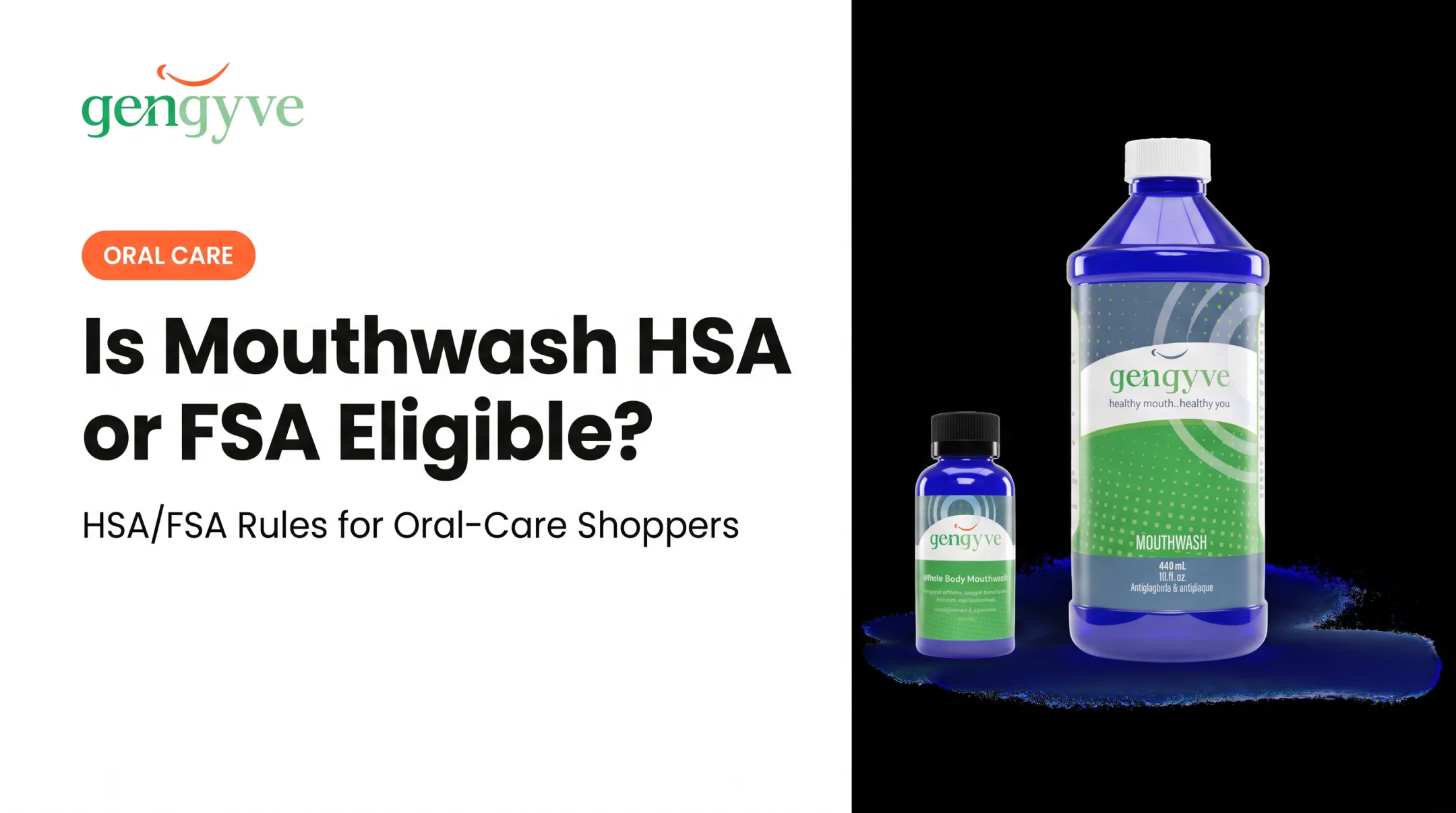
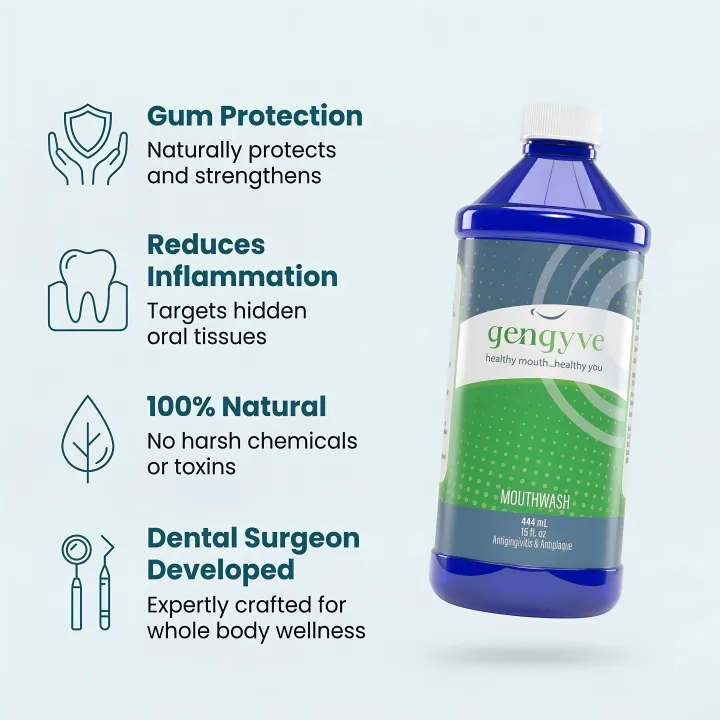
Some oral-care products sit in a gray zone, tied to purpose rather than category. Gengyve USA's CPC mouthwash with hyaluronic acid, developed by a practicing oral and maxillofacial surgeon, is formulated without alcohol, fluoride, or chlorhexidine for people managing gum sensitivity or recovering from dental procedures.
For qualifying customers with a documented condition, the company facilitates a telehealth consultation through its Flex program to help establish the Letter of Medical Necessity a plan administrator would need to see.
That said, buying mouthwash off a shelf because it sounds therapeutic doesn't make it reimbursable. Routine mouthwash purchases, Gengyve's included, shouldn't be assumed eligible without the condition, documentation, and administrator sign-off that make the exception work.
How to Verify Eligibility and Submit a Claim
Before you spend HSA or FSA money on anything borderline, run through this checklist:
- Classify the expense - Is it a product (toothbrush, mouthwash) or a dental service (filling, cleaning)? Services have an easier path.
- Check your plan's eligible-expense policy - Not every FSA or HSA defines "eligible" identically.
- Contact your administrator directly - Ask whether an LMN is required for this specific item.
- Confirm required documentation - Get the answer in writing if possible.
What to Keep on File
Hold onto these records for every purchase you plan to submit:
- Itemized receipt with product name or model number
- Purchase date and amount paid
- Provider documentation supporting medical necessity
- The Letter of Medical Necessity itself
- Any written communication from your plan administrator
Some sellers of condition-linked products build documentation into checkout. You may receive an itemized receipt and LMN within a day or two of purchase, so the paperwork arrives with the product.
A new LMN is typically required once per calendar year under IRS guidelines, so last year's letter will not carry forward automatically.
Submitting and Handling a Denial
Follow this sequence for each claim:
- Confirm requirements with your administrator
- Make the purchase and save your documentation
- Submit through the administrator's portal or required form
- Track the claim status
If the claim is denied:
- Ask the administrator for the specific reason
- Compare that reason against your plan's written language
- Provide missing documentation, if resubmission is allowed
- Follow the formal appeal process rather than disputing informally
Tax Risks of Nonqualified Withdrawals
Spending HSA funds on something that turns out not to qualify creates real tax consequences. A nonqualified HSA withdrawal becomes taxable income and can trigger an additional 20% tax, according to IRS Publication 969.
FSA administrators typically deny or reverse an unsupported reimbursement rather than creating a tax event.
Plan-year details, like grace periods, carryover limits, and limited-purpose FSA rules, vary by employer. Verify these specifics in your own plan documents, and talk to a tax professional when the stakes are high enough to matter.
Build a Complete Oral-Care Routine Beyond FSA Eligibility
Reimbursement status shouldn't be the deciding factor when choosing a toothbrush. Your brushing technique, gum health, sensitivity, and dexterity matter more than whether a purchase happens to qualify for HSA or FSA funds.
A few foundational habits do more for your mouth than any reimbursement strategy:
- Brush twice daily with gentle, consistent pressure
- Clean between teeth daily with floss or another interdental tool
- Replace toothbrushes or brush heads every three to four months, or sooner if bristles fray, per ADA guidance
- Keep up with recommended dental visits, even when nothing feels wrong
Mouthwash can complement this routine, but it doesn't replace brushing or professional care. Gengyve's directions call for a 30-second swish after brushing, twice daily. That gentle rinse is meant to sit alongside existing habits, not substitute for them. If your gums bleed, see your dentist.
That line matters beyond one product. Bleeding, swelling, persistent pain, gum recession, or new sensitivity are reasons to get a professional evaluation, not signals to buy a different toothbrush and hope it helps.
Frequently Asked Questions
Are toothbrushes FSA eligible?
Generally, no. Toothbrushes are treated as personal-use hygiene items under IRS rules. A Letter of Medical Necessity may support an exception, but your plan administrator decides and approval is not automatic.
What dental items are FSA eligible?
Common qualifying services include exams, cleanings, X-rays, fillings, crowns, root canals, periodontal treatment, orthodontics, and dentures, when medically necessary. Always confirm against your current plan rules before submitting a claim.
What hygiene products are FSA eligible?
Routine products like toothbrushes, toothpaste, floss, and mouthwash are usually excluded as personal care. They may qualify only when tied to a specific diagnosed condition and backed by accepted documentation.
What items are surprisingly FSA eligible?
Items like sunscreen, certain orthodontic appliances, and some over-the-counter treatments for diagnosed conditions can qualify, depending on current IRS guidance. Eligibility always comes down to medical purpose and your specific plan's rules.