The best fit depends on how tight your tooth contacts are, whether you have braces or a bridge, and how your gums respond to daily cleaning. Floss that's too thick won't slide through a crowded contact point. Floss that's too thin may shred, snap, or fail to clean the tooth surface properly.
This guide breaks down the main floss formats, from thin to wide, and gives you practical criteria for choosing one that actually fits your mouth and that you'll use every day.
Key Takeaways
- Thickness is just one variable; coating, texture, and material also shape how floss performs
- Thin, smooth floss suits tight contacts; tape, woven, or spongy floss often works better in wider spaces
- The right floss passes gently through contacts and cleans both tooth surfaces without pain or shredding
- Braces, bridges, implants, or persistent bleeding call for a dentist's personalized recommendation
What Is Dental Floss Thickness and Why Does It Matter?
Dental floss thickness refers to the width or diameter of the strand itself, separate from its texture, coating, or ability to expand once it's between your teeth. A strand can be labeled thin but still feel rigid, or moderately wide but flexible enough to flatten against a tooth surface.


Manufacturer labels like "thin," "comfort fit," or "extra strong" aren't standardized across brands. One company's "thin" floss may behave differently from another's. That's why it helps to think in terms of fit, not just the word on the package.
The core issue is contact point fit. Floss has to pass through the tight space where two teeth touch, then curve into a C-shape against each tooth to clean near the gumline. When the fit is wrong, you'll notice it quickly:

- Floss won't enter the contact at all
- Strands fray or snap mid-use
- Gums feel pinched or sore afterward
- Plaque remains along the tooth surface despite flossing
The goal is to match the format to each space in your mouth, since contact tightness often varies from tooth to tooth.
Dental Floss Thickness Chart: Different Types
Think of this less as a rigid medical scale and more as a practical range, running from narrow, single-strand formats to broader, more expansive options.
| Type | Relative profile | Best for |
|---|---|---|
| Thin monofilament (PTFE) | Narrow, single strand | Tight contacts, crowded teeth |
| Standard nylon (waxed or unwaxed) | Round, multi-strand | Everyday use, most contact sizes |
| Dental tape / ribbon | Wide, flat | Moderate spacing, gentler gum feel |
| Woven / expanding | Compresses, then fluffs | Wider gaps, exposed roots |
| Super floss | Stiffener + spongy section | Braces, bridges, fixed retainers |
Thin or Ultra-Smooth Monofilament Floss
PTFE (polytetrafluoroethylene) floss is a single-strand, monofilament format marketed for tight contacts. Unlike multi-strand nylon, it's made from one continuous filament, which helps it resist fraying.
A 2023 comparison study found that PTFE floss earned higher comfort and grip ratings than nylon among tested users, after accounting for flossing frequency. The researchers specifically pointed to its broad, sheet-like structure, not just its narrow width, as the likely reason it slides through tight spots more easily.
Who it suits: People with crowded teeth or narrow contacts. Comfort still depends on technique; even smooth monofilament floss can irritate gums if forced or sawed back and forth.
Standard Nylon Floss: Waxed and Unwaxed
Nylon floss is multifilament, meaning it's woven from several thin strands rather than one. This construction makes it affordable and widely available, but it's also more prone to shredding at tight contact points.
- Unwaxed nylon feels thinner to some users and can fit snug spaces, but it tends to fray or break more easily
- Waxed nylon has a light coating that helps it glide and resist shredding, though some people find it feels slightly bulkier
The American Dental Association reports no measurable difference in cleaning effectiveness between waxed and unwaxed floss. The wax changes handling, not how well it removes plaque. Don't assume all waxed or unwaxed products from different brands share the same actual width.
Dental Tape or Ribbon Floss
Dental tape is wider and flatter than standard floss, sometimes called ribbon floss. Its broad surface can feel gentler as it passes across the gums and may cover more of the tooth surface in moderately spaced contacts.
The limitation: Tape doesn't pass comfortably through very tight contacts. Never force it or snap it toward the gumline; that motion can bruise or cut gum tissue, regardless of which floss format you're using.
Woven, Expanding, or Spongy Floss
Some products are designed with a woven or textured structure that compresses as it enters a contact and then expands or fluffs out during use, increasing surface contact against the tooth.
This expansion behavior is product-specific. Not every woven or spongy floss expands on contact with saliva. Check the product details rather than assuming all textured floss behaves the same way.
Likely use cases:
- Wider gaps between teeth
- Exposed root surfaces
- Select gum-care situations, best confirmed with a dental professional
If you're managing periodontal concerns alongside spacing changes, ask your hygienist before picking a floss type on your own.
Super Floss and Floss Threaders
Super floss is a specialty, three-part format: a stiffened end for threading, a spongy middle section, and a regular floss tail. It's built specifically for navigating braces, bridges, fixed retainers, and similar dental work.

This isn't "thick floss for everyone." The structure exists so you can thread it under an archwire or bridge pontic, not because wider automatically means better. If your contacts are straightforward and gap-free, super floss may be unnecessary.
Separately, plain floss threaders act as access tools. The NIDCR's flossing guide describes threaders as helpful for passing ordinary floss through tight spaces, such as under a fixed bridge, without needing a specialty product at all.
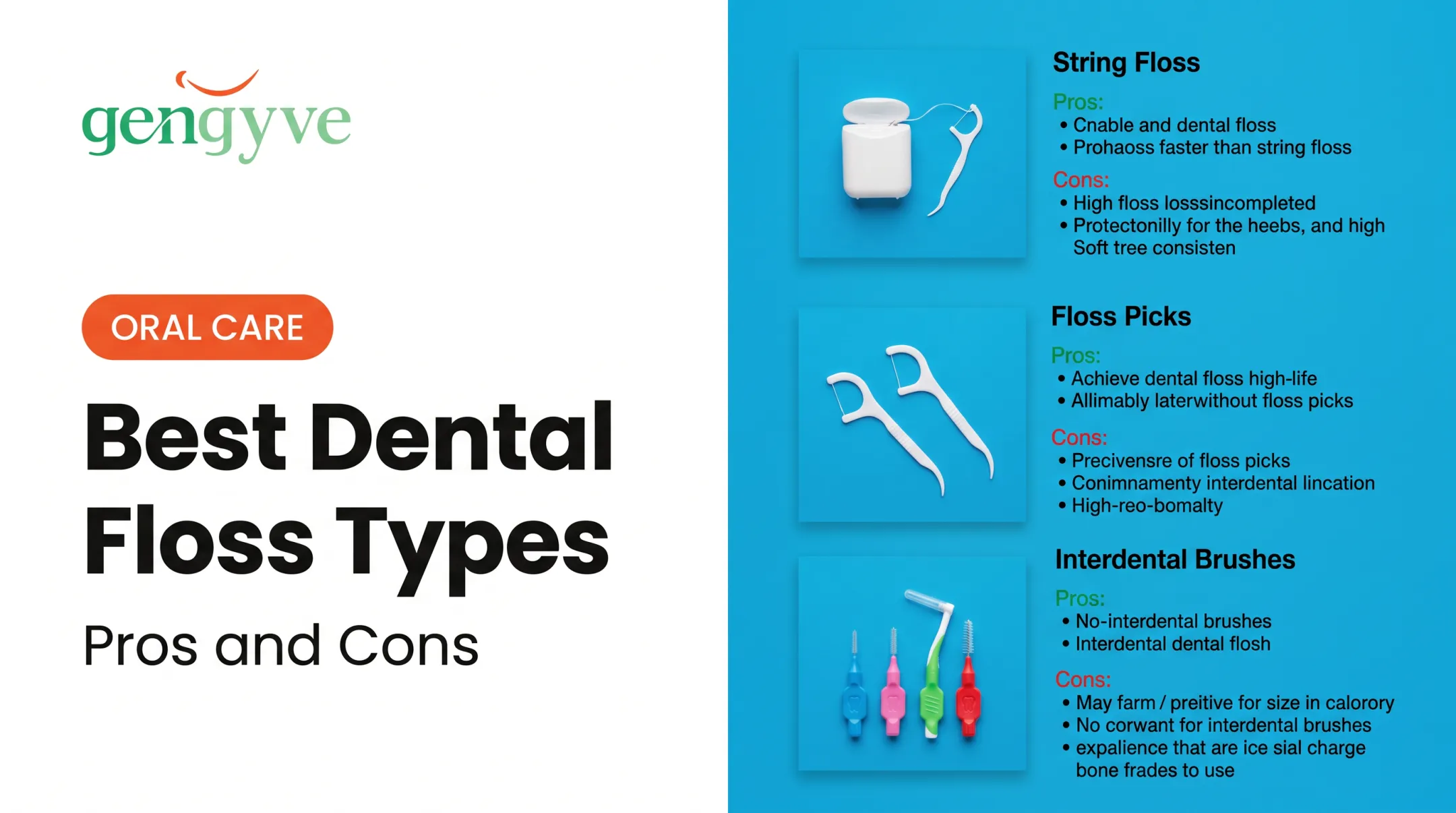
Floss Picks, Interdental Brushes, and Water Flossers
These tools aren't thickness grades. They're alternative ways to clean between teeth when finger-held floss is difficult to manage.
| Tool | Best suited for |
|---|---|
| Floss picks | Limited dexterity, quick single-tooth cleaning |
| Interdental brushes | Wider gaps, appliances, sized to fit the specific space |
| Water flossers | Braces, bridges, general preference over string floss |
Interdental brushes must fit without force. A dentist or hygienist can measure the gap and recommend the correct bristle size. No single tool is universally superior to the others; it comes down to what fits your mouth and what you'll actually use.
How to Choose the Right Dental Floss Thickness
The right choice depends on your tooth contacts, gum contours, any restorations or appliances, your dexterity, and whether you'll stick with the product long-term.
Contact Tightness and Tooth Crowding
If standard floss catches or shreds at a tight contact, try a smoother, narrower, or lightly waxed option instead. Never force floss through or saw it back and forth; that technique injures gum tissue even if the floss eventually breaks through.
A properly fitting floss passes through the contact with gentle resistance, not zero resistance, and still presses against both adjacent tooth surfaces as you clean.
Wider Gaps, Gum Recession, and Open Spaces
In wider spaces, a thin strand often misses tooth surface area. Dental tape, woven floss, spongy floss, or a correctly sized interdental brush typically covers more of the exposed surface.
Important distinction: Gum recession, periodontal pockets, or changing gaps between teeth should be evaluated by a dental professional. Switching floss thickness alone won't address an underlying periodontal issue, and probing depths of 6mm or more are flagged as a complexity factor in periodontitis staging.
Braces, Bridges, Implants, and Fixed Retainers
Appliances change the access problem entirely. Depending on what you're working around, consider:
- Super floss or threaders for bridges and fixed retainers
- Orthodontic flossers or interdental brushes for braces
- Water flossers as an alternative when string floss is hard to maneuver
Let your dentist or orthodontist confirm the final choice based on your specific appliance. Avoid catching or forcing floss around implant crowns, bridge margins, brackets, or wires.
A 2016 case series identified retained floss fibers around implants where rough surfaces had torn the strand, a risk worth discussing if you have implant-supported restorations.
Gum Sensitivity, Bleeding, and Comfort
Some bleeding when you start a new flossing routine is common and usually settles within about a week, according to the ADA's guidance on the topic. But persistent bleeding, swelling, or pain, especially in one recurring spot, warrants a dental evaluation rather than a floss swap.
Use a gentle C-shaped motion around each tooth. If a product repeatedly shreds, cuts your gums, or hurts, change it. Gengyve's silk floss, for example, uses a light plant-based wax coating so it glides between teeth without the tugging some waxed nylon products create.
Consistency and Practical Usability
A slightly imperfect floss used every day beats a perfect-sounding product sitting unused in a drawer. Test a small selection of narrow, standard, and wider options. Note which one passes comfortably and actually cleans well, then confirm your choice at your next dental visit.
What to Check Before Finalizing a Floss Type
Don't default to the thickest or most advanced-looking product on the shelf. Confirm it fits your tightest contacts without force, while still cleaning your wider spaces effectively.
Before settling on one floss, check:
- Material and coating – silk, PTFE, or waxed nylon all handle differently
- Strand construction – monofilament versus multifilament affects shredding
- Expansion behavior – some stay the same width; others fluff out once wet
- Appliance compatibility – the label should address braces, bridges, or implants
- Daily practicality – cost, portability, and dexterity matter, but safe technique and daily consistency matter more
Seek professional guidance if floss keeps breaking in the same spot, catches on a restoration, causes significant bleeding, or can't reach under a bridge, retainer, or braces wire.
Conclusion
Dental floss thickness spans a real range, from narrow monofilament strands to wide tape and spongy specialty formats, and each one answers a different cleaning challenge. The best choice isn't the thinnest or thickest option available; it's the one that fits your mouth, cleans both sides of each tooth, and that you'll actually use every day.
Gengyve's 100% natural silk floss is built around that same principle: it glides between teeth and stays gentle on gums, whether you're cleaning a tight contact or a wider gap. Cut about 18 inches, curve it into a C-shape against each tooth, and slide it up and down gently.
Flossing is one part of a complete oral-care routine that also includes brushing and regular professional checkups. If you use a mouthwash like Gengyve's dental-surgeon-developed daily rinse, think of it as a complementary step, not a substitute for the interdental cleaning only floss or an interdental brush can provide.
Frequently Asked Questions
What dental floss thickness should I use?
Choose floss that passes through your tightest contact with gentle resistance, curves around each tooth, and doesn't shred or hurt your gums. If you have braces, a bridge, or unusual spacing, ask your dentist for a personalized recommendation.
Is thicker or thinner dental floss better?
Neither is universally better. Thinner floss often suits tight contacts, while tape, woven, or spongy floss may work better in wider spaces. Comfort and cleaning performance in your own mouth should guide the decision.
What is the thinnest dental floss available?
Ultra-smooth monofilament or narrow nylon products are commonly marketed for tight spaces, but exact dimensions vary by brand. Check current product specifications rather than relying on package language like "thin" or "ultra-thin."
What type of floss is best for tight teeth?
A smooth, narrow floss that slides through without force usually works best for crowded or tight contacts. If a product repeatedly shreds, catches, or causes pain, have a dentist check for a rough restoration edge or tooth surface.
What floss should I use with braces or a bridge?
Super floss, floss threaders, orthodontic flossers, interdental brushes, and water flossers are all reasonable options for appliances. Let your orthodontist or dentist guide the final choice based on your specific hardware.