Plastic makes up about 12% of US municipal solid waste, according to the EPA's 2018 fact sheet, and household items like toothbrushes are part of that stream. That's reason enough for many people to look for alternatives.
But a bamboo handle alone doesn't guarantee a better brush. Bristle quality, your technique, how you store it, and how you dispose of it all matter just as much. This guide breaks down what bamboo toothbrushes actually deliver, where they fall short, and how to pick one that's worth the switch.
Key Takeaways
- A bamboo handle cuts petroleum-based plastic use, but most bristles are still nylon
- Cleaning performance depends on bristle softness and brushing technique, not handle material
- Bamboo isn't automatically antimicrobial or compostable everywhere; check the product and your local rules
- Replace the brush every 3-4 months, or sooner if bristles fray
- Separate bristles, handle, and metal parts correctly before disposal
What Is a Bamboo Toothbrush?
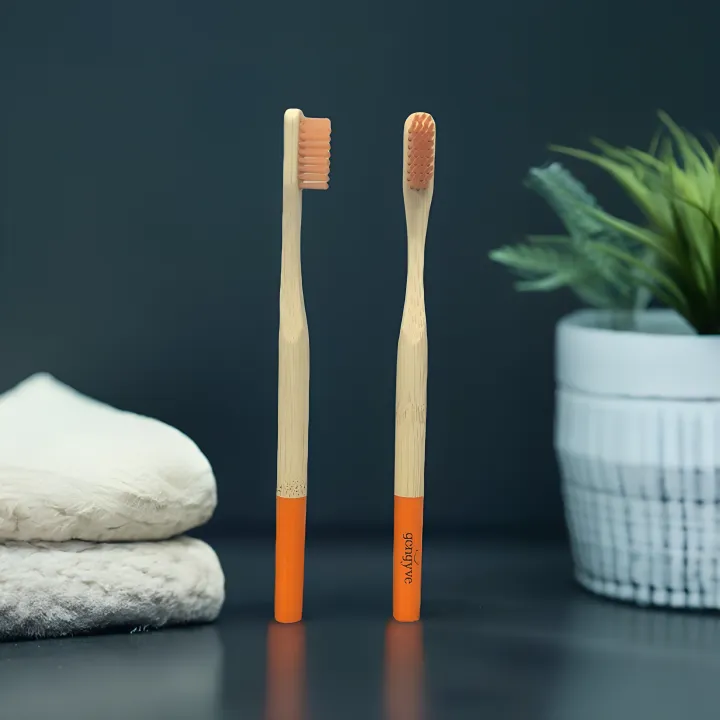
A bamboo toothbrush is a standard manual toothbrush with one difference: the handle is made from bamboo instead of plastic. The bristles are usually still nylon, attached the same way they'd be on a conventional brush.


Bamboo is a fast-growing, renewable plant material. That's the main selling point. But the finished product's actual footprint depends on more than the handle:
- How the bamboo was sourced and harvested
- Manufacturing methods and any surface coatings
- Packaging materials
- Shipping distance and method
Gengyve's bamboo toothbrush, for example, pairs a lightweight bamboo handle with BPA-free, medium-soft bristles. It's a small piece of a larger routine, not a replacement for it. A great handle still needs good technique, interdental cleaning, the right toothpaste, and regular dental visits to actually protect your teeth.
Key Advantages of Bamboo Toothbrushes
These benefits aren't automatic. They depend on the specific product and how you use and care for it.
Reducing Plastic in the Handle
This is where bamboo toothbrushes earn their reputation. A 2020 life-cycle study published in the British Dental Journal compared a bamboo manual toothbrush against a conventional plastic one over five years of use.
The results were striking: the bamboo brush used 11 grams of plastic total, which was 97% less than the plastic version, according to the BDJ toothbrush study.

The biggest environmental factor for the bamboo brush wasn't the handle at all. It was tap water use during brushing. Disposal contributed the least impact of any stage.
Reducing plastic isn't the same as eliminating it. Most bamboo toothbrushes, including Gengyve's, still use nylon bristles. You're cutting plastic use significantly, not removing it entirely.
Effective, Gentle Brushing
Handle material has nothing to do with how well a toothbrush cleans. What matters:
- Bristle softness
- Bristle arrangement and brush-head size
- Handle comfort and grip
- Your brushing technique
The American Dental Association recommends soft bristles, two minutes of brushing twice daily, and holding the brush at a 45-degree angle against the gumline with short, gentle strokes.
Gengyve's bristles are medium-soft and BPA-free, built to clean effectively without being harsh on enamel or gum tissue. That said, bristle softness alone doesn't account for individual needs. If you have gum recession or sensitivity, or you wear orthodontic appliances, ask your dentist what bristle type and technique fit your situation.
Avoiding Greenwashing
A visible, natural-material toothbrush tends to make people pay closer attention to packaging, sourcing, and disposal habits. That's a genuine upside. Use it to your advantage by checking:
- What the bristles are actually made from
- Whether bamboo sourcing is documented or certified
- How much plastic is in the packaging
- Whether the brand explains end-of-life disposal clearly
Here's the catch: a bamboo handle doesn't prove the whole product is biodegradable, compostable, or ethically sourced. Regulators have pushed back on vague "eco-friendly" labeling for exactly this reason, expecting specific, substantiated claims rather than blanket green marketing. Treat a bamboo handle as one data point, not a guarantee.
What Happens When Care and Disposal Are Ignored
A sustainable handle can't fix bad habits. Brushing too hard, skipping floss, or using a worn-out brush will undermine your oral health regardless of what the handle is made from.
Storage matters more than people think. A damp toothbrush left in a closed container or travel case encourages microbial growth faster than one left out in the open. The fix is simple:
- Rinse bristles and handle thoroughly after each use
- Store the brush upright
- Let it air-dry in an open, ventilated spot
Skip this, and you risk odor, surface wear on the bamboo, and buildup you'd rather not think about.
Disposal trips people up too. Many assume the entire brush can go straight into a compost bin. It can't, at least not without separating parts first. Gengyve designed its bamboo toothbrush with this in mind:
- Pull the bristles out with pliers
- Compost the bamboo handle
- Check whether your local program or a specialty recycler takes nylon bristles before tossing them

Nylon bristles typically aren't accepted in curbside recycling. Municipal composting rules also vary by city, so don't assume every facility accepts bamboo handles just because they're biodegradable in theory.
How to Get the Most Value from a Bamboo Toothbrush
A bamboo toothbrush works best as one piece of a complete routine, not a standalone fix. Pair it with gentle technique, fluoride toothpaste, daily flossing, and regular dental checkups.
Before you buy, check for:
- Soft or medium-soft bristles rated for daily use
- A comfortable handle size that fits your grip
- Clear disclosure of bristle material (nylon, BPA-free, etc.)
- Transparent sourcing information for the bamboo
- Minimal plastic in packaging
After you buy:
- Rinse the handle and bristles before first use to clear natural bamboo dust
- Replace it every 3-4 months, or sooner if bristles spread or fray
- Store it upright in an open-air holder between uses
Gengyve's bamboo toothbrush fits this checklist with medium-soft, BPA-free bristles and a lightweight handle. It comes as a standard brush or a two-piece design with a detachable head.

If you're building a fuller natural routine, pair it with silk dental floss and an alcohol-free mouthwash. Gengyve's CPC and hyaluronic acid mouthwash, developed by a practicing oral surgeon, is formulated without alcohol or chlorhexidine for daily use.
It complements brushing and flossing. It is not a replacement for either, or for your dentist's advice.
Conclusion
The clearest benefit of a bamboo toothbrush is less plastic in the handle. That part is well-documented. What it won't do is clean your teeth better on its own. That still comes down to bristle quality and how consistently you brush.
Making a responsible choice means looking past the handle: check the bristles, the sourcing, the packaging, and how to dispose of each part correctly. Replace the brush on schedule and store it properly in between.
Think of a bamboo toothbrush as one practical step in a bigger routine; useful, but only as good as the habits built around it.
Frequently Asked Questions
Are bamboo toothbrushes good for your teeth?
They clean just as effectively as plastic ones when the bristles are soft and you're using proper technique. The bamboo handle itself doesn't add any unique dental-health benefit; it's primarily an environmental choice.
Do dentists recommend bamboo toothbrushes?
Dental professionals generally focus on bristle softness, comfortable design, and brushing technique rather than handle material. If you have specific oral-health concerns, ask your dentist what fits your situation best.
How long should you use a bamboo toothbrush?
Replace it every 3-4 months, or sooner if the bristles look frayed, matted, or spread out. A bamboo handle doesn't make the brush last longer than a plastic one; bristle wear sets the timeline either way.