Introduction
Pick up almost any sugar-free mouthwash and you'll likely spot sorbitol somewhere on the ingredient list.
For many users, that single word raises practical questions: Does it cause cavities? Will it upset my stomach? Should I worry if I have IBS or FODMAP sensitivity?
The FDA requires a laxative-effect warning on foods expected to deliver 50 grams of sorbitol daily, which hints at why people pause. But a warning threshold for food isn't the same as a verdict on your evening rinse.
This article breaks down what sorbitol actually does in mouthwash, separates its formulation role from genuine oral-health benefits, and gives you a framework for reading the whole label, not just one ingredient.
Key Takeaways
- Moisture retention, sweetness, and product texture are sorbitol’s main roles in mouthwash.
- Spitting out mouthwash as directed typically limits meaningful sorbitol exposure.
- Sorbitol and MiraLAX are different substances with different primary uses.
- Evaluate a mouthwash by its active ingredients and your personal sensitivities, not sorbitol alone.


What Is Sorbitol in Mouthwash—and Why Is It Used?
What Is Sorbitol in Mouthwash, and Why Is It Used?
Sorbitol is a sugar alcohol, also called a polyol. Chemically, it's a hexahydric alcohol, nothing like table sugar (sucrose) or the ethanol found in beverages.
It occurs naturally in some fruits, including berries, apples, and plums. The sorbitol in your mouthwash bottle is almost always commercially produced through hydrogenation of glucose or fructose solutions, according to FDA's sorbitol regulation.
Why Formulators Reach for It
Manufacturers add sorbitol for practical reasons, not therapeutic ones:
- Holds moisture as a humectant so the rinse does not dry out or separate in the bottle
- Adds pleasant sweetness without fermentable sugar
- Stabilizes texture so viscosity stays consistent bottle after bottle
- Supports shelf life by resisting microbial and chemical instability
The FDA itself lists sorbitol as a humectant, nutritive sweetener, and formulation aid under its food regulations. Those are formulation functions, not evidence of a cavity-fighting or gum-healing effect.
Sorbitol Is an Inactive Ingredient
Sorbitol is almost always an inactive ingredient. If a mouthwash claims to fight plaque, reduce gingivitis, or whiten teeth, that benefit comes from something else on the label, such as cetylpyridinium chloride (CPC), fluoride, or essential oils. Sorbitol's job is to make the product taste and feel good, not to deliver the therapeutic claim.
Sorbitol Is Not MiraLAX
This mix-up comes up often enough to address directly. MiraLAX's active ingredient is polyethylene glycol 3350, an osmotic laxative, according to MiraLAX's official label. Sorbitol is chemically distinct.
Both can influence bowel movements through osmotic effects, pulling water into the intestine, but they get there differently. Sorbitol also ferments in the gut, producing gas as a side effect. The mechanisms overlap in part; the substances themselves do not.

Is Sorbitol Safe or Good for Your Mouth?
For the average person who swishes and spits as directed, sorbitol in mouthwash isn't considered a major safety concern. The amount you actually swallow is small, and rinse-and-spit use differs from eating sorbitol-sweetened candy by the handful.
Sorbitol vs. Regular Sugar
A sugar-free mouthwash sweetened with sorbitol is generally preferable to one made with fermentable sucrose, because oral bacteria process sucrose far more readily into the acids that erode enamel. That said, "less fermentable than sugar" doesn't mean "completely non-cariogenic." Sorbitol isn't immune to bacterial metabolism.
What the Bacteria Research Actually Shows
A 1983 laboratory study examined whether Streptococcus mutans and dental-plaque samples could produce acid from sorbitol. The results were conditional:
- Bacterial cells grown on glucose, sucrose, or xylitol media produced little to no acid from sorbitol
- Cells previously grown on sorbitol itself did produce acid from it, an effect that could be reduced by adding xylitol
In plain terms, oral bacteria can adapt to metabolize sorbitol under the right growing conditions. That's a meaningfully different claim than "sorbitol never feeds cavity-causing bacteria."
A separate 1984 review similarly found that frequent sorbitol exposure can increase plaque acid production and the population of sorbitol-fermenting microbes. It still considered this of minor clinical importance for people with normal saliva and moderate use.

Taste and Texture vs. Active Treatment
Sorbitol supports palatability and mouthfeel. It does not, on its own, prevent cavities or treat gum disease. If a product makes those claims, look at what's actually doing the work:
- CPC for antibacterial action
- Fluoride for enamel support
- Hyaluronic acid for soft-tissue comfort and healing
Xylitol Isn't Automatically Superior
Xylitol often gets marketed as the "better" polyol, and a 2012 systematic review did find most comparisons favoring xylitol over sorbitol. But the review flagged high bias risk, inconsistent results, and noted that 16 of 18 datasets involved chewing gum, not mouthwash. You can't cleanly transfer gum research to a rinse.
Evidence for one polyol doesn't automatically apply to the other. Concentration, exposure time, and the full formula all matter.
Possible Digestive Side Effects and FODMAP Considerations
Swallowed sorbitol has a well-documented digestive profile. Because it's absorbed slowly and incompletely, it pulls water into the intestine and ferments, which can produce:
- Gas and bloating
- Abdominal cramping
- Loose stools or diarrhea in higher amounts
Monash FODMAP's polyol guide classifies sorbitol as the "P" in FODMAP, noting that symptoms depend on the dose consumed, what else you've eaten that day, and your individual gut sensitivity.
Why This Matters More for Some People
If you live with IBS, you may react to sorbitol at lower doses than someone without it. That's a real consideration for sorbitol-sweetened gum, candy, or sugar-free snacks eaten throughout the day.
Mouthwash is a different exposure category. You're meant to spit it out, not swallow it, so the sorbitol you actually absorb is typically far less than what you'd get from food or medicine containing the same ingredient. Still, if you swallow some incidentally, or use a larger-than-recommended amount, that exposure adds up.

If You Notice Symptoms
- Stop swallowing the rinse: confirm you're spitting it out fully after the recommended swish time
- Audit other sorbitol sources: sugar-free gum, mints, and certain medications often contain it too
- Try an alternative formulation if symptoms persist with one product
- Talk to a dentist or registered dietitian if digestive symptoms continue, especially if you have diagnosed IBS
How to Choose a Mouthwash If You Want to Avoid Sorbitol
Start by reading the full ingredient panel, not just scanning for one word.
What to Scan For
- Sorbitol and related polyols: xylitol, mannitol, glycerin
- Alcohol content: can dry out or irritate sensitive tissue
- Active ingredients: fluoride, CPC, essential oils, hyaluronic acid
- Preservatives and flavoring agents: relevant if you have known sensitivities
"Sorbitol-Free" Isn't Automatically "Better"
Avoiding sorbitol makes sense if you have confirmed digestive sensitivity or simply prefer to limit certain excipients. But removing one ingredient doesn't automatically make a mouthwash more effective at its actual job: supporting gum health, freshening breath, or aiding healing. Weigh your reason for avoiding sorbitol against what the product is actually meant to do.
Special Situations Worth Extra Care
- Dry mouth: Reduced saliva can change how any ingredient, sorbitol included, interacts with oral bacteria over time
- Children: Follow age-appropriate product directions and ask a pediatric dentist about swallowing risk
- Post-operative use: After oral surgery, gentleness and specific healing-support ingredients often matter more than sorbitol status alone
- Gum concerns or oral irritation: Alcohol-free, lower-irritation formulas are often worth prioritizing over chasing a single excluded ingredient
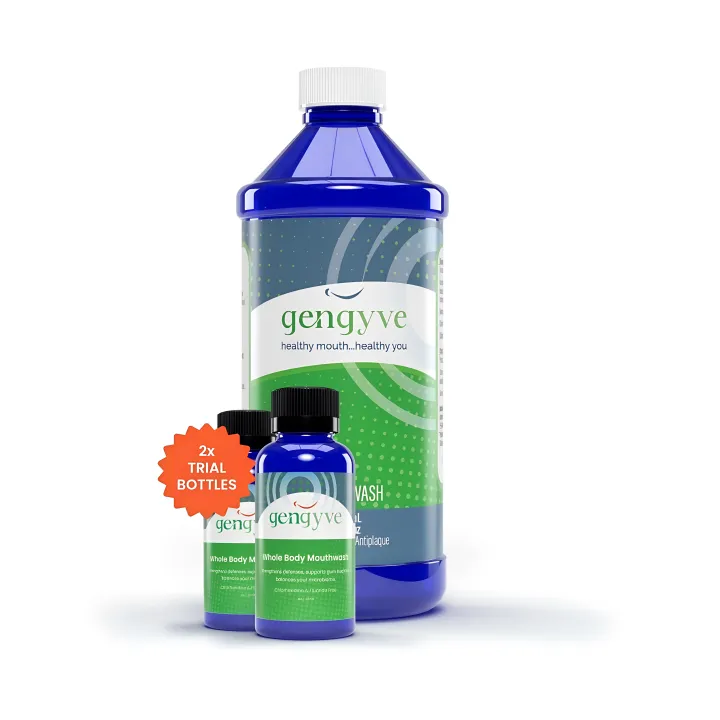
This is where a product like Gengyve USA's mouthwash fits a specific niche. It was developed by a practicing oral and maxillofacial surgeon and UCSF faculty member, and it's formulated without alcohol or chlorhexidine for everyday gentle use rather than short-term prescription-strength treatment.
It's listed as safe across age groups and is commonly recommended to support healing after dental procedures. Some users report gum improvements within one to two weeks of consistent use. We haven't confirmed sorbitol-free status on the current label, so check the ingredient panel directly if that's your specific concern.
A Practical Decision Checklist
- Identify why you're using mouthwash (fresh breath, gum support, post-surgical care, dry mouth)
- Confirm the active ingredients match that purpose
- Check for sorbitol and any other personal triggers on the label
- Use the product exactly as directed, usually a 30-second swish after brushing
- Keep brushing, interdental cleaning, and regular dental visits as your foundation. Mouthwash is a supplement, not a replacement
The Bottom Line
Sorbitol in mouthwash is a common formulation ingredient with a generally acceptable safety profile for typical rinse-and-spit use. It carries low risk in normal use and is not the driver of oral-health claims. Your individual tolerance and the rest of the formula matter more than this one ingredient alone.
If you deal with recurring oral irritation, digestive symptoms, dry mouth, recent oral surgery, or a complex medical condition, ask a dentist, physician, or other qualified clinician which rinse fits your situation best.
Frequently Asked Questions
Is sorbitol good or bad for your teeth?
Sorbitol is generally less concerning than regular sugar when used in mouthwash, since it's far less readily fermented into tooth-damaging acid. It's mainly a sweetener and humectant, though, not a proven active treatment for cavities or gum disease.
Which is better for teeth, xylitol or sorbitol?
Research tends to favor xylitol, but most of that evidence comes from chewing gum studies with notable bias issues, not mouthwash trials. The complete formulation and your intended use matter more than the polyol choice alone.
What are the negative side effects of sorbitol?
Swallowed sorbitol can cause gas, bloating, cramping, or diarrhea, particularly at higher doses or in sensitive individuals. Mouthwash exposure is usually limited since the product is meant to be spat out rather than swallowed.
Which ingredients should I avoid in mouthwash?
It depends on your allergies, sensitivities, dry mouth, age, and dental advice. There's no single universal avoid list. Review alcohol content, flavoring agents, preservatives, and active ingredients against your specific needs.
What mouthwash doesn't contain sorbitol?
Formulas change, so always check the current ingredient panel on the specific product you're considering rather than relying on older information. Sorbitol-free doesn't automatically mean clinically superior. It's simply one formulation choice among many.
Is sorbitol the same as MiraLAX?
No, they're different substances. Sorbitol is a sugar alcohol used in foods and oral-care products. MiraLAX's active ingredient is polyethylene glycol 3350. Both can affect bowel movements, but they aren't interchangeable.