Here's the reassuring part: flossing isn't creating that odor. It's exposing one that was already there. Trapped food, plaque, and odor-producing bacteria hide between your teeth and below your gumline, and the floss simply disturbs them on its way through.
An estimated 31.8% of adolescents and adults deal with halitosis, according to a 2018 meta-analysis, so you're far from alone if bad breath is a recurring concern.
Most of the time, a brief whiff after flossing is nothing to worry about. But if the smell lingers, returns from the same spot, or shows up with bleeding, pain, or swelling, it's worth a closer look. This article covers the common causes, the warning signs that matter, correct flossing habits, and when it's time to see a dentist.
Key Takeaways
- Flossing rarely causes bad breath; it releases odor already trapped by bacteria, debris, plaque, or inflamed gums
- Persistent odor often points to gingivitis, periodontitis, tooth decay, or dry mouth
- Daily flossing, brushing, tongue cleaning, hydration, and mouthwash help control odor
- Bleeding, pain, pus, loose teeth, or swollen gums with bad breath need a dental visit
Common Causes of Bad Breath After Flossing
When floss slides between your teeth, it releases volatile sulfur compounds and other odor molecules sitting in spaces a toothbrush can't reach. That's different from ongoing halitosis, which lingers regardless of what you do. Here's what typically causes that post-floss smell.



Trapped Food Particles Between Teeth
Food wedged between tight teeth, around crowded spots, or under bridges, retainers, and implants breaks down over hours. Bacteria feed on it, producing the sour or sulfurous smell you notice when floss dislodges it.
- Tight contacts and dental work create pockets where debris lingers unnoticed
- Skipped daily interdental cleaning lets particles accumulate between teeth
- Forced flossing through tight contacts can shred the strand and leave fragments behind
Plaque and Bacteria Along the Gumline
Plaque is a soft bacterial film that feeds on leftover food and produces foul-smelling waste . Flossing can bring that odor to the surface before your routine has a chance to clear it out completely.
Once plaque hardens into tartar, floss alone can't remove it. Only a professional cleaning can remove it, so a persistent gumline odor that doesn't improve with home care is worth mentioning at your next dental visit.
Gingivitis or Periodontal Disease
Red, swollen, tender, or bleeding gums often point to gingivitis, and deeper gum pockets can trap bacteria and debris that keep producing odor. This isn't rare: 42.2% of U.S. adults aged 30 and older have some form of periodontitis, according to CDC's periodontal data.

Don't stop flossing just because your gums bleed once. But pay attention if you notice:
- Bleeding that's frequent or heavy, not occasional
- Gum recession or teeth that feel loose
- Tenderness that's getting worse instead of better
Tooth Decay, Defective Dental Work, or Oral Infection
A cavity between two teeth, a leaking filling, or a small abscess can trap bacteria in one specific spot. If the same area smells bad every time you floss, that's a localized clue, not a whole-mouth hygiene problem.
Watch for floss that repeatedly catches or shreds in the same place, a lingering bad taste, sensitivity, swelling, or drainage near one tooth. These signs point to something a dentist needs to examine, not just clean more thoroughly at home.
Dry Mouth and Non-Dental Contributors
Saliva washes away food debris and odor-producing bacteria. When it's reduced, that cleanup stops happening. Dehydration, mouth breathing, certain medications, tobacco, and alcohol all reduce saliva flow and let odor build up faster.
Occasionally, reflux or other throat and health conditions contribute to persistent breath odor. Still, start with a dental evaluation when oral symptoms are present; it's the fastest way to rule out the most common causes first.
What Happens If the Cause Is Ignored
Masking a smell with gum or mints doesn't address what's underneath. Plaque keeps building, gum inflammation keeps progressing, decay keeps spreading, and dry-mouth irritation keeps compounding. Bad breath alone can't diagnose a specific condition, but persistent halitosis is a signal worth acting on rather than covering up.

Warning Signs You Should Not Dismiss
A brief smell noticed right after flossing is normal. These symptoms are not:
- Odor that persists or worsens despite daily brushing, flossing, tongue cleaning, and hydration
- Bleeding, swollen, painful, or receding gums; pus; loose teeth; sensitivity; or a recurring bad taste
- Smell consistently coming from one gap or tooth, or floss that repeatedly catches or shreds there
- Facial swelling, fever, or trouble swallowing : these need prompt dental or medical care, not a wait-and-see approach
How to Prevent Bad Breath When Flossing
Prevention isn't one habit. It's a complete routine: clear debris between teeth, clean tooth surfaces and the tongue, support saliva flow, and address persistent causes instead of reaching for mints.
Use the Right Flossing Technique
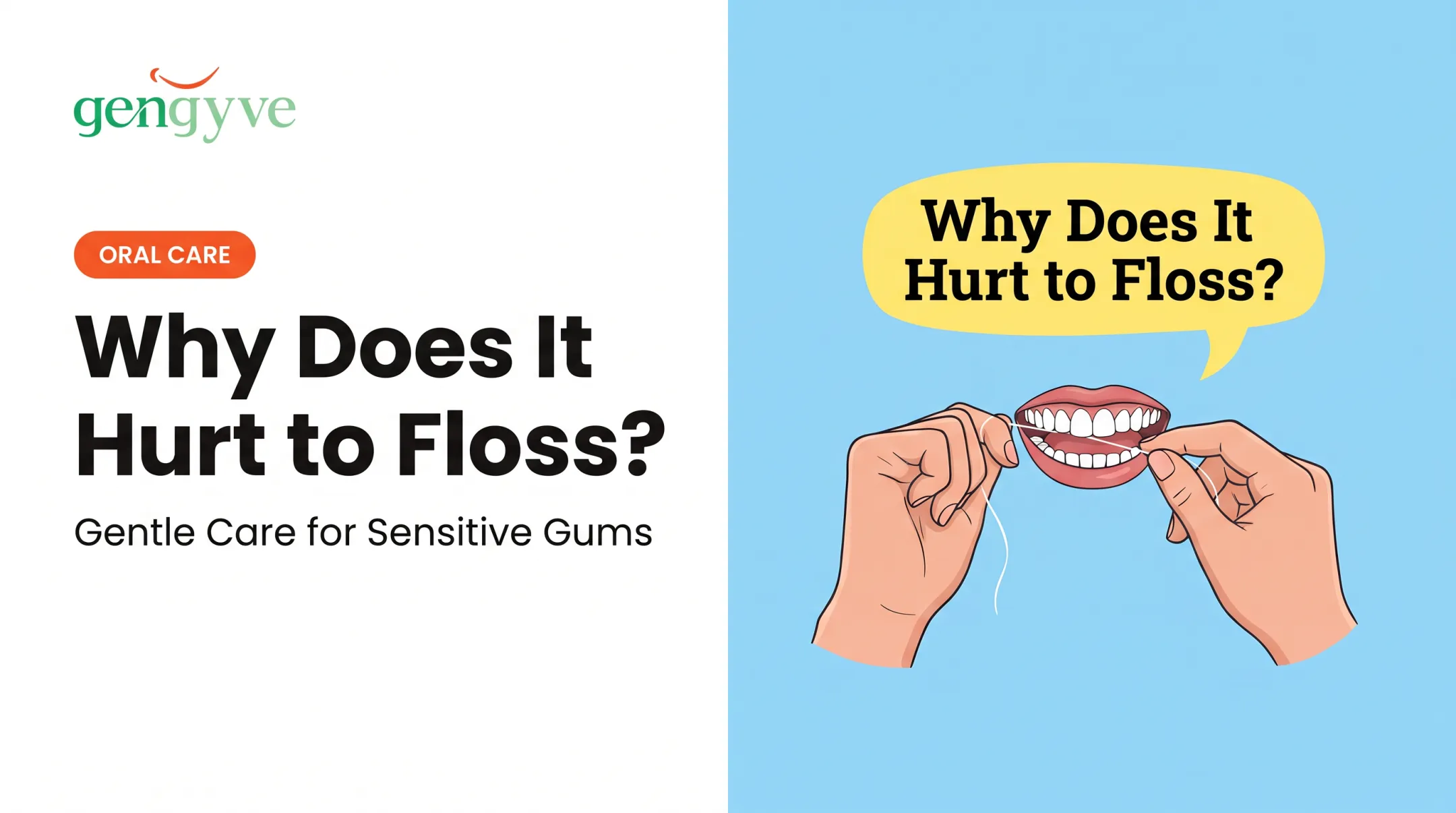
Guide the floss gently between teeth, curve it into a C-shape around each tooth, and slide it below the gumline without forcing it. Use a clean section for every space; reusing the same stretch just moves bacteria from one spot to the next.
NIDCR's flossing guide recommends roughly 18 inches of floss per session, which gives you a fresh segment for each tooth. Gengyve USA's silk floss follows the same approach: cut about 18 inches, curve it into a "C" against each tooth, and slide it up and down to lift plaque and debris without snapping it into the gum.
Snapping floss or sawing aggressively causes irritation and bleeding, not cleaner teeth. If floss repeatedly shreds or you have bridges, implants, or orthodontic appliances, an interdental brush, floss threader, or water flosser may work better for your mouth.

Keep a Consistent Brushing and Tongue-Cleaning Routine
Brushing twice daily with fluoride toothpaste clears plaque from accessible surfaces, while tongue cleaning reduces bacteria that contribute to odor. Neither replaces the other; they cover different territory.
Clean carefully around the gumline, orthodontic appliances, bridges, retainers, and implants, following whatever instructions your dentist gave you for your specific dental work.
Support Saliva and Reduce Odor-Promoting Habits
Drink water regularly throughout the day, and skip tobacco altogether. If dry mouth persists, especially from medication, mention it to a healthcare professional rather than just masking it.
Strongly flavored foods, alcohol, and restrictive diets can affect breath temporarily. That's normal. It's chronic odor that deserves a closer look, not the occasional garlic-heavy lunch.
Add Mouthwash Thoughtfully
Mouthwash complements brushing and flossing, but it can't remove tartar, repair decay, or replace a dental exam. Think of it as a finishing step, not a fix.
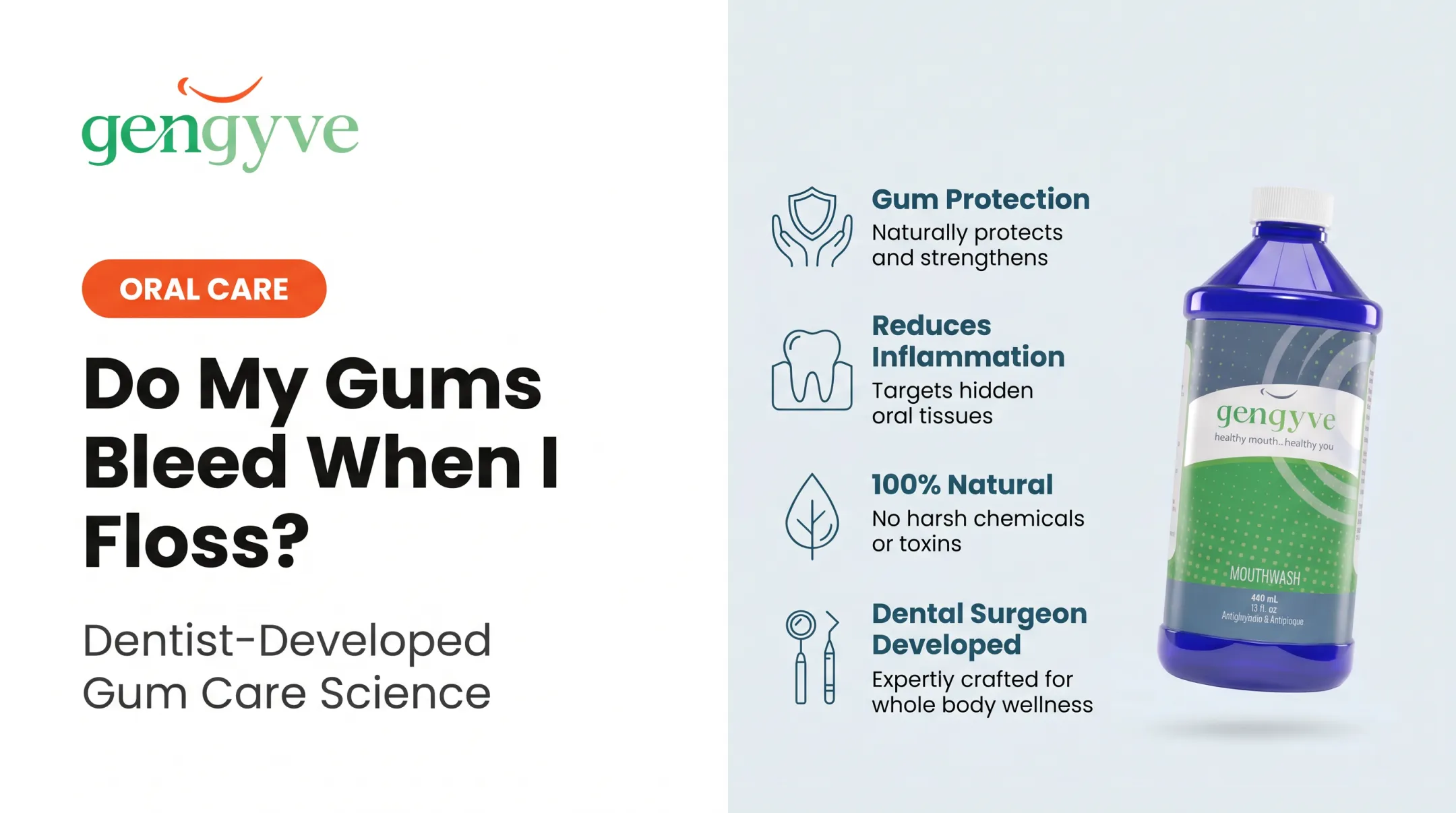
Gengyve USA's mouthwash, developed by practicing dental surgeons, is alcohol-free and chlorhexidine-free, formulated for gentle daily use and a fresh feel without a harsh burn. The routine is simple: swish for 30 seconds after brushing and flossing, twice daily. Most people notice fresher breath right away, with visible gum improvements reported within one to two weeks. As with any product, follow the label and talk to a dental professional if symptoms persist.
Know When Home Care Is Not Enough
Schedule a dental exam and cleaning if odor continues, keeps showing up in one spot, or comes with any of the warning signs above. No rinse or home remedy can cure gum disease, decay, or an infection. That takes professional treatment.
Tips for Long-Term Prevention and Control
Build a routine you can actually repeat, not one you abandon after a week:
- Floss or use an interdental cleaner once daily, brush twice daily, and clean your tongue
- Track odor, bleeding, sensitivity, dry-mouth symptoms, and where floss catches
- Keep regular dental exams and cleanings, especially with gum disease, braces, implants, bridges, diabetes, tobacco use, or dry mouth
- Ask a dentist or hygienist to check your technique if floss is hard to manage, instead of pressing harder or flossing more often
Conclusion
Flossing usually exposes the source of bad breath rather than causing it. Trapped debris, bacterial buildup, gum disease, decay, and dry mouth are the most common explanations, and most of them respond well to consistent care.
Gentle, daily interdental cleaning paired with complete oral hygiene handles the majority of cases. When the smell persists or comes with bleeding, pain, swelling, or a bad taste that won't quit, that's your cue to get a professional opinion rather than waiting it out.
Frequently Asked Questions
Does flossing actually help with bad breath?
Yes. Flossing removes odor-producing food particles and plaque from areas your toothbrush can't reach. Persistent bad breath despite good flossing habits may point to gum disease, decay, dry mouth, or another cause worth having a dentist evaluate.
Why does my breath smell worse after flossing?
Flossing often releases odor from debris or bacteria trapped between teeth, which is normal and temporary. A smell that's persistent or always coming from the same spot isn't something to ignore.
Why does my breath stink if I have good dental hygiene?
Possible causes include gum disease below the gumline, cavities, dry mouth, tongue bacteria, dental appliances, certain foods or medications, and occasionally non-dental conditions. If it continues, an exam helps pinpoint the cause.
What does gingivitis breath smell like?
Gingivitis-related odor can be unpleasant, sour, or metallic, but smell alone can't confirm a diagnosis. Look for accompanying signs like redness, swelling, tenderness, or bleeding gums.
What are the signs I'm overflossing?
Persistent soreness, cuts, swelling, or bleeding that doesn't improve are common signs. Have a dental professional review your technique and interdental tool rather than flossing harder to compensate.