A grip that's too thin to hold. A toothpaste that burns a sensitive tongue. A mouthwash that stings an already-dry mouth. These small mismatches add up fast.
Age alone doesn't determine the best product. What matters is how well it fits a person's teeth, gums, restorations, health conditions, and ability to use it the same way, every day.
This guide walks through five core categories, caregiver-friendly features, and the specific signs that mean it's time to call a dentist instead of trying another product.
Key Takeaways
- Pair a soft-bristled or electric toothbrush with fluoride toothpaste, daily interdental cleaning, and a rinse matched to the problem
- Prioritize handling, gentle ingredients, and clinical evidence over "senior-friendly" marketing claims
- Match tools and caregiver support to denture, implant, or dementia care needs
- Discuss Gengyve's alcohol-free mouthwash with a dentist; it supports brushing and flossing rather than replacing them
Overview of Oral Care for Seniors in the United States
Older adults often face several oral-health challenges at once:


- Gum recession exposes tooth roots, which decay more easily than enamel
- Years of wear thin enamel and expose dentin, causing sensitivity
- Tooth loss, loose dentures, and hand arthritis make a once-simple routine harder
Medications are a major factor too. Hundreds of common drugs, including treatments for high blood pressure, depression, and bladder-control issues, reduce saliva flow. That dry mouth, in turn, raises the risk of cavities and fungal infections.
Oral decline is not inevitable. The ADA recommends a clear baseline for everyone, seniors included: brush twice daily with fluoride toothpaste for two minutes, clean between teeth once a day, and keep up with regular dental visits.

For seniors, the practical question is which products make that routine achievable.
That's where five core categories come in:
- Mouthwash for gum comfort and daily protection
- Toothbrushes suited to grip, tremor, or cognitive needs
- Fluoride toothpaste matched to sensitivity or cavity risk
- Interdental tools for spaces a brush can't reach
- Dry-mouth and denture support products
Best Oral Care Products for Seniors
The right product depends on fit, not brand popularity or the longest ingredient list. Each option below was evaluated against seven criteria: effectiveness for its specific purpose, gentleness on sensitive tissue, ease of handling, clear directions, ingredient transparency, professional guidance, and fit for common senior concerns like dry mouth, dentures, or limited dexterity.

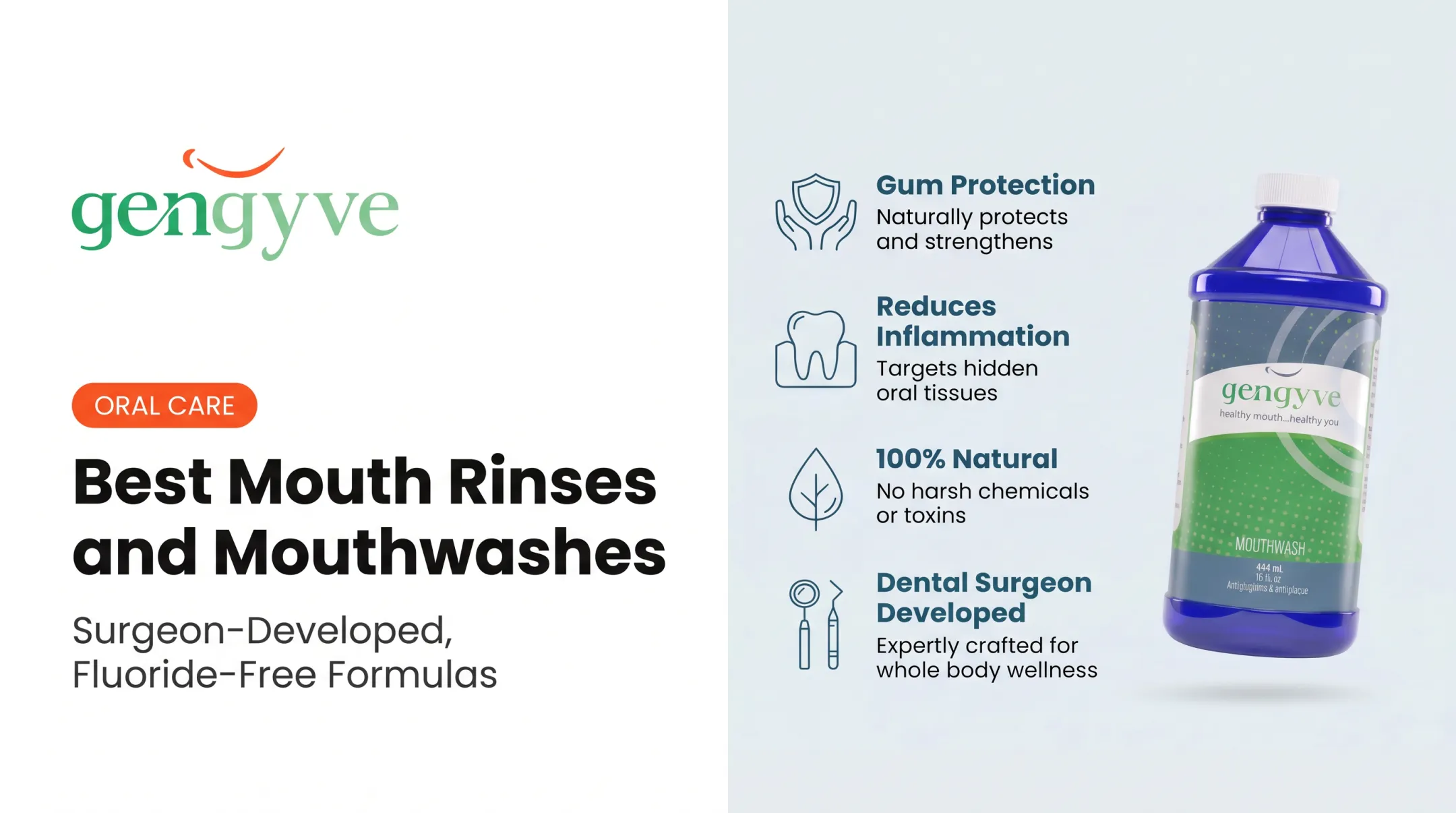
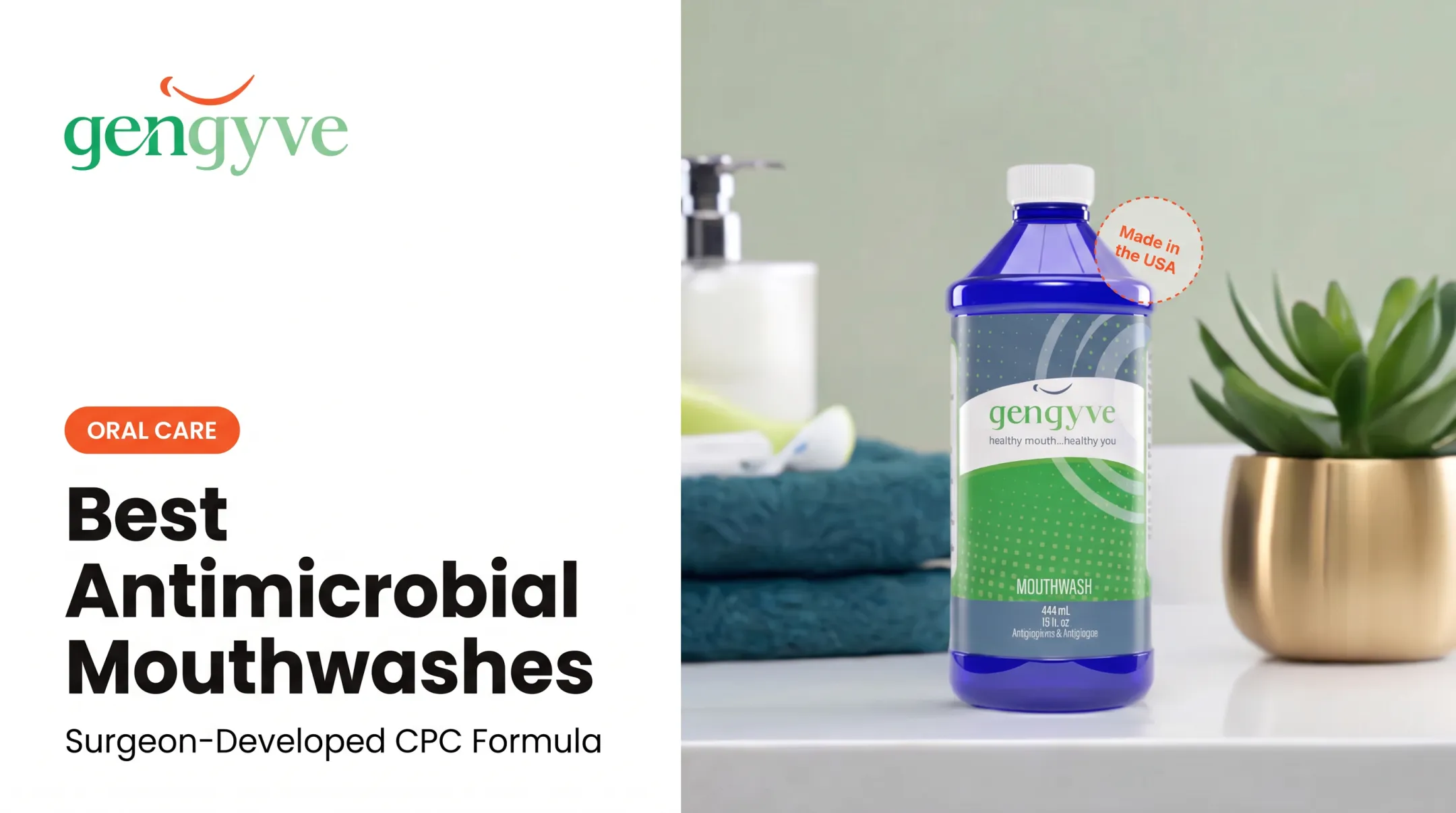
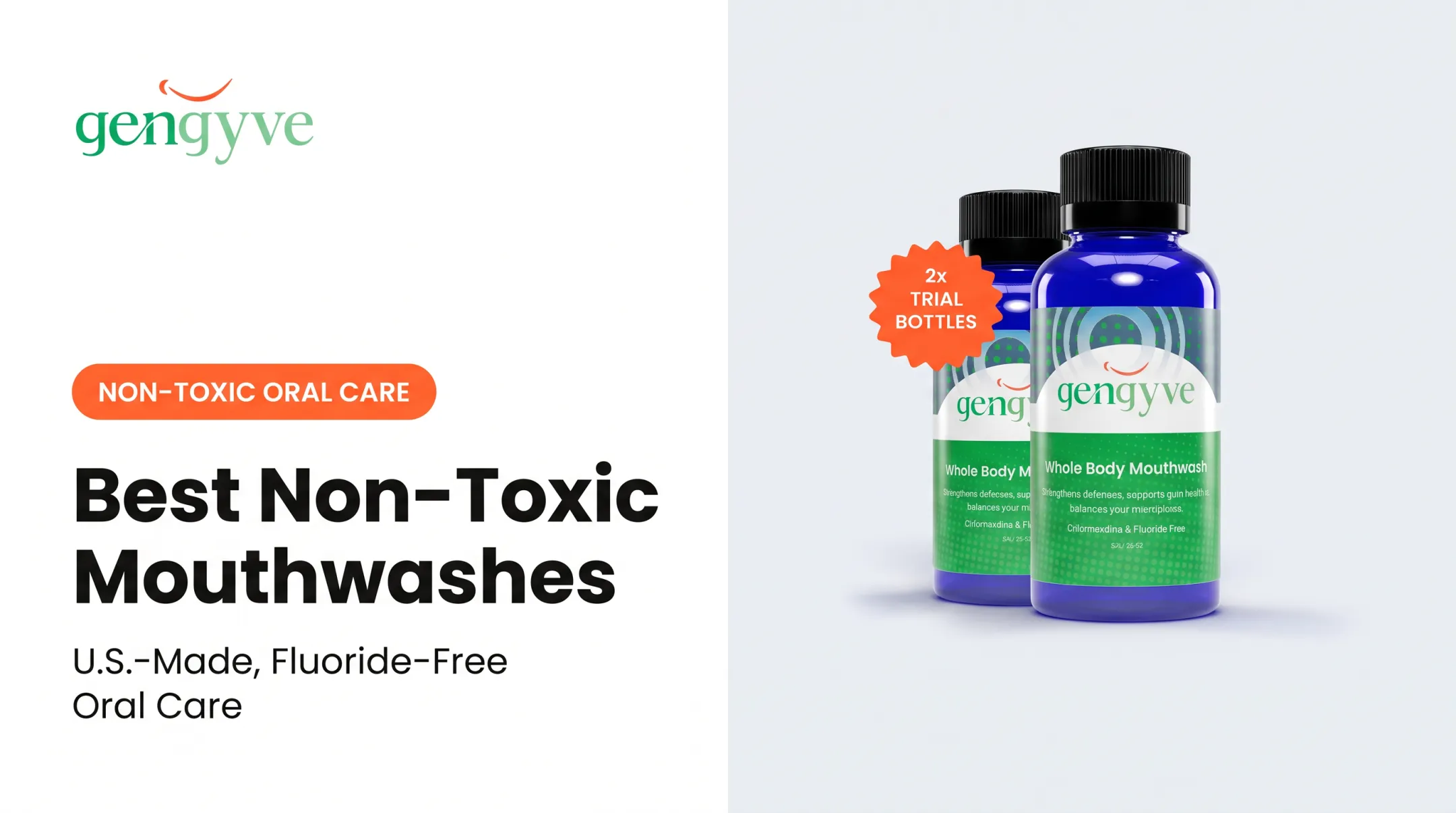
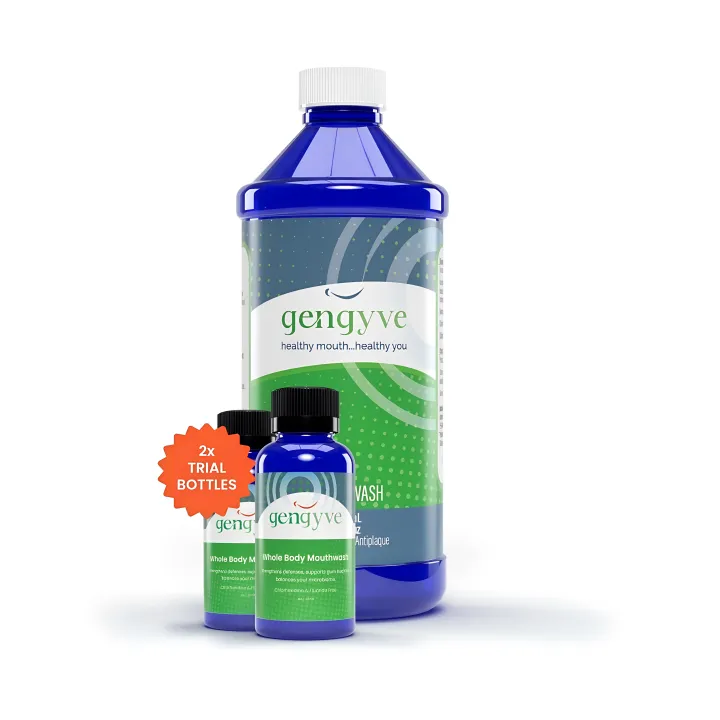
Gengyve Natural Oral Care Mouthwash
Gengyve is a US-made mouthwash developed by practicing dental surgeons, including founder Dr. S. Thaddeus Connelly, an oral and maxillofacial surgeon and UCSF clinical professor. It's formulated without alcohol, chlorhexidine, or fluoride, which matters for seniors who find standard rinses harsh or drying.
| Detail | What to know |
|---|---|
| Active ingredients | Hyaluronic acid, pullulan, PVP, CPC, castor oil |
| Alcohol / chlorhexidine | Both excluded from the formula |
| Fluoride | Not included; used alongside fluoride toothpaste, not in place of it |
| Directions | Swish for 30 seconds twice daily after brushing; no rinsing afterward |
| Bottle size | 15 fl oz (444 mL), about 30 rinses |
| Price | $16.99–$19.99 per bottle; subscription pricing from $14.66 |
An alcohol-free formula won't add a burning sensation to tissue that's already irritated or dry. That burn is a common reason seniors give up on mouthwash altogether.
Dr. Derick Flint, a dental surgeon in Austin, Texas, has his patients use Gengyve after wisdom-tooth extractions and implant placements, which supports its use in recovery settings under a clinician's direction.
That said, Gengyve isn't a substitute for a prescribed rinse. Patients recovering from oncology treatment, periodontal surgery, or implant placement should follow their clinician's instructions first, and mention any over-the-counter rinse they're adding.
For adults looking for a gentler daily rinse to support gum comfort, it's a reasonable option to discuss at the next dental visit.
Electric or Adaptive Toothbrushes
Arthritis, tremor, and reduced grip strength can make a standard manual toothbrush exhausting to use for two full minutes. Powered brushes often help here, though the evidence for seniors specifically is less conclusive than many assume.
A 2024 systematic review of adults 55 and older, covering six published studies, found no clear difference between powered and manual brushes for plaque, gum inflammation, or bleeding.
Powered brushes can still help individual users. The brush that gets used correctly and consistently beats the one that only looks better on paper.
When comparing brushes, look for:
- Soft or extra-soft bristles
- A wide, cushioned handle that's easy to grip
- A built-in two-minute timer
- Pressure sensors that stop or beep with heavy pressure
- Simple, single-button controls
- Easy-to-find replacement heads
A manual brush with a built-up handle, or a bicycle-style grip added to an existing handle, works fine when a powered brush feels confusing or uncomfortable. A bamboo toothbrush with soft bristles and a slightly wider handle can be a reasonable manual option for someone who doesn't want to manage charging or buttons.
For caregivers supporting someone with dementia:
- Demonstrate first - brush your own teeth alongside them, or guide their hand through the motion
- Give one instruction at a time rather than a full set of steps
- Watch their reaction to electric brushes - some find the vibration reassuring, others find it upsetting
- Supervise charging and batteries to avoid confusion or safety issues
Fluoride Toothpaste for Cavities and Sensitive Teeth
Fluoride toothpaste remains the baseline recommendation for nearly every adult, seniors included, because exposed roots and reduced saliva both raise cavity risk. Checking for the ADA Seal of Acceptance on a cavity-protection claim is a reasonable starting point, since that seal requires fluoride content and evidence review.
Different concerns call for different formulas:
- Root sensitivity or enamel wear: toothpaste with potassium nitrate or stannous fluoride, often marketed for sensitivity
- Heavy tartar buildup: tartar-control formulas with added fluoride
- Dry mouth: milder, less foaming formulas that don't irritate tissue further
- History of cavities: higher-fluoride formulas, sometimes prescription-strength, recommended by a dentist
"Natural" branding on toothpaste doesn't automatically mean cavity protection. Some natural-labeled toothpastes skip fluoride entirely, removing the main evidence-backed cavity defense. Check the active ingredient list, not just the front-of-box marketing.
For seniors who struggle to spit reliably or have swallowing difficulties, a pea-sized amount and close supervision matter more than brand choice. Anyone with aspiration risk should talk to a dentist or speech therapist before continuing standard toothpaste use.
Interdental Brushes, Floss Picks, and Water Flossers
A toothbrush only cleans the surfaces it can reach. Tight contacts between teeth, the underside of a bridge, and the area around implant restorations all need a separate tool.
Match the tool to the gap:
- Interdental brushes for wider spaces, including around bridges and some implants (look for coated wire designed not to scratch implant surfaces)
- Floss or floss picks for tighter natural contacts
- Water flossers for anyone who finds string floss physically difficult or who has extensive dental work
A natural, plastic-free silk floss, like the kind Gengyve also sells, is worth considering for seniors who prefer to avoid synthetic materials. Floss type still matters less than whether it gets used daily.
Across these tools, look for ergonomic handles, clear markings on floss picks, adjustable pressure settings on water flossers, and easy availability of replacement parts.
One caution: bleeding, pain, a loose implant, or food that keeps getting trapped in the same spot isn't a signal to switch products. It's a signal to see a dentist.
Dry-Mouth, Denture, and Caregiver-Support Products
Dry mouth deserves its own category because it's genuinely common in later life, but it isn't something to just accept. NIDCR notes that persistent dry mouth isn't a normal part of aging. It's usually tied to medication or an underlying condition worth discussing with a clinician.
For day-to-day comfort:
- Sip water frequently, especially during meals
- Sugar-free gum or lozenges to stimulate saliva flow
- Saliva substitutes or moisturizing rinses for ongoing dryness
- A bedroom humidifier for overnight comfort
These ease symptoms. They don't fix the underlying cause, which is why a medication review with a prescribing clinician matters alongside product changes.
Denture care has its own rules:
- Brush and soak dentures daily with a denture-specific cleanser, never regular toothpaste, which is too abrasive
- Rinse thoroughly before reinserting
- Store dentures in water, never in boiling water
- Remove adhesive completely each day, from both the denture and the gums
- Get fit and function checked annually
For caregivers, small adjustments help: labeled supplies, consistent timing, good lighting, a non-slip grip, and a mirror positioned where the person can see themselves.
Call a dentist or physician for mouth sores lasting more than two weeks, unexplained bleeding, white or red patches, sudden difficulty swallowing, or denture-related wounds that don't heal.
How We Chose the Best Oral Care Products for Seniors
This list isn't ranked by price, popularity, or the longest feature list. Each product was evaluated against how well it fits senior-specific needs and what evidence actually supports it.
Evidence and professional guidance:
- ADA Seal recognition, where it applies, and what that seal actually requires
- Manufacturer directions and ingredient transparency
- Peer-reviewed or clinical research rather than vague claims
- Whether a claim fits an over-the-counter product versus one that needs a prescription
Those standards only help if the product is easy to use every day.
Real-world usability:
- Dexterity and grip requirements
- Cognitive load, including how many steps and how much memory the routine requires
- Compatibility with dentures or implants
- Caregiver involvement and ongoing costs like replacement heads or floss refills
A few mistakes come up often enough to call out directly:
- Choosing hard or medium bristles because they "feel like they clean better"
- Using regular toothpaste to brush dentures
- Picking an alcohol-containing rinse for someone with dry mouth, without asking a dentist first
- Sharing a toothbrush or interdental tool between family members
- Continuing a post-surgical rinse past the period a dentist prescribed, or stopping it early without checking in
Getting these basics right prevents more problems than any single product upgrade.
Conclusion
The best oral-care products for seniors match a person's actual teeth, gums, dentures, dexterity, and daily routine. Correct, everyday use matters more than price or advertising.
Persistent bleeding, pain, dry mouth that won't let up, a denture sore that isn't healing, or a recent oral procedure belongs with a dentist, not another product off the shelf. The same goes for anyone supporting a loved one with dementia or cognitive decline.
Gengyve's alcohol-free, dental-surgeon-developed mouthwash is one option worth raising with a dental professional, particularly for adults who want a gentler daily rinse without a harsh burn. It's built to complement brushing, interdental cleaning, and professional care, not stand in for any of them.
Start with the basics that already work, adjust for what's changed, and bring questions to your dentist rather than guessing.
Frequently Asked Questions
What is the best dental care for seniors?
Brushing twice daily with fluoride toothpaste, cleaning between teeth daily when appropriate, and keeping regular dental visits form the foundation. Denture or implant care, plus adjustments for dry mouth, dexterity, or medication side effects, should build on that base.
What are the best oral care practices for elderly people with dementia?
A simple, consistent routine helps most: the same time, same steps, same easy-grip soft toothbrush each day. Caregivers should give one instruction at a time and check in with a dentist if swallowing toothpaste or cooperating with brushing becomes difficult.
What toothpaste do dentists recommend for seniors?
Most dentists start with a fluoride toothpaste, then adjust for sensitivity, cavity history, dry mouth, or flavor tolerance. Checking for the ADA Seal is a useful starting point, but the right formula still depends on the individual.
What is the best toothbrush for elderly people?
It depends on the person. A soft or extra-soft manual brush with a built-up handle works well for some, while a powered brush with a timer and pressure sensor suits others, especially with arthritis or tremor.
What is the best mouthwash for senior citizens?
It depends on the goal: cavity protection, gum comfort, fresh breath, or dry-mouth relief all call for different formulas. Alcohol-free options are often gentler for people with dry mouth, and any post-procedure rinse should follow a dentist's specific instructions.
What is good for elderly dry mouth?
Frequent water, sugar-free gum or lozenges, and saliva substitutes offer day-to-day relief. Since dry mouth often links to medication, a review with a prescribing clinician and a dental check for persistent symptoms matters too.