
Introduction: Nighttime Dry Mouth and Sleep
You wake up with a sticky mouth, a scratchy throat, and a glass of water you've already emptied twice. Sound familiar?
In a 2022-2023 national survey of US adults, Chaffee's study found that 9.7% had dry mouth "frequently" or "always." That figure isn't specific to nighttime, but it shows how common the problem is.
Nighttime dry mouth, or xerostomia, can come from normal changes during sleep. It can also point to mouth breathing, medication effects, sleep-disordered breathing, dehydration, or an underlying condition. This article covers causes, risks, relief strategies, and when to get help.
Key Takeaways
- Saliva drops during sleep, and mouth breathing makes dryness worse.
- Dehydration is only one suspect; medications, congestion, snoring, CPAP, and smoking also matter.
- Low saliva raises the risk of cavities, gum inflammation, bad breath, and oral infections.
- Never stop a prescription or change CPAP therapy without talking to your clinician.
What Nighttime Dry Mouth Means
Dry mouth versus hyposalivation
Xerostomia is the feeling of a dry mouth. Hyposalivation is objectively reduced saliva output, measured in a clinic. You can have one or both. The American Dental Association notes that dryness can occur without an obvious drop in saliva production.
Common symptoms include:
- Sticky mouth or thick, stringy saliva
- Dry or rough tongue and cracked lips
- Burning, altered taste, or bad breath
- Trouble chewing, speaking, or swallowing
- A dry throat on waking
Why sleep makes it more noticeable
Saliva flow naturally falls to its lowest level during sleep. You're also not chewing, talking, or swallowing much, so an existing saliva or hydration problem shows up overnight.
Open-mouth airflow from snoring, congestion, or a leaky CPAP mask dries tissues further. That can wake you for water. Dry mouth can disrupt sleep, but it isn't the only possible cause of poor sleep.
Common Causes of Nighttime Dry Mouth
Mouth breathing and airway issues
Sleeping with your mouth open exposes oral tissues to constant airflow. It often goes along with nasal congestion, allergies, colds, snoring, or obstructive sleep apnea (OSA).
CPAP (continuous positive airway pressure) can add to the problem. Mask leaks, poor fit, or too little humidification are common culprits. Ask your sleep team about adjustments rather than quitting therapy. Heated humidification reduces mouth and throat side effects, according to a 2019 AASM review.
Hydration, substances, and the bedroom
Low daytime fluid intake, sweating, and illness can all reduce moisture. Mayo Clinic and NIDCR advise limiting caffeine and avoiding alcohol and tobacco. Vaping matters too: daily e-cigarette use was linked to about 1.8 times higher odds of xerostomia (chronic dry mouth) after adjustment, though that is an association, not proof of cause.
Bedroom conditions matter too:
- Dry indoor air or winter heating
- Air conditioning
- A fan blowing on your face
A room humidifier at night may help some people.
Medications and medical treatments
NIDCR says hundreds of medicines can cause dry mouth. Categories include:
- Antihistamines and decongestants
- Antidepressants
- Some blood-pressure drugs and diuretics
- Sedatives and sleep medicines
- Bladder, neurological, and respiratory medications
Effects vary by drug, not by class. Head-and-neck radiation can also damage salivary glands, sometimes permanently. Review side effects with your prescriber, and never stop a medication on your own.
Underlying conditions and stacked causes
Diabetes, Sjögren's disease, salivary-gland stones or infections, and sleep apnea can all be associated with persistent dryness. Dry mouth alone doesn't confirm any of them.
In a 2020 Spanish study, waking dryness was reported by 45% of people with sleep apnea versus 20.4% of controls. The gap vanished after adjusting for age and BMI, so the symptom is no stand-alone sign of OSA.

Mild causes often stack: a drying allergy pill plus mouth breathing, or evening wine plus too little water. Track symptom timing, new medications, congestion, and snoring for a couple of weeks to spot patterns.
What Risks Does Nighttime Dry Mouth Pose?
Teeth, enamel, and gums
Saliva washes away food particles, buffers acids, supports remineralization, and keeps oral bacteria in check. When flow drops, the ADA says risk rises for cavities, enamel demineralization, and erosion. Plaque, gingivitis, and gum disease may follow, though not for everyone.
Brushing and flossing still matter, but they may not fully offset sustained low saliva. That's especially true with existing gum disease, extensive dental work, dentures, or high cavity risk.
Bad breath and infections
Dry mouth creates better conditions for odor-causing bacteria and fungal infections like oral thrush. Persistent bad breath that doesn't improve with good hygiene is worth mentioning to a dentist.
Comfort, eating, and swallowing
Dryness can bring burning, sores, cracked lips, and altered taste. Dry foods become hard to chew or swallow, and dentures may rub. If eating and drinking become uncomfortable, nutrition and hydration can suffer.
Sleep and daytime effects
Thirst, throat irritation, and trips for water fragment sleep. That can mean morning grogginess and poorer concentration.
Among 120 head and neck cancer survivors, a 2024 study tied lower saliva flow to worse sleep, but it can't prove cause. Dry mouth may reflect disrupted breathing and may worsen sleep, yet it doesn't prove a sleep disorder.

Why persistent symptoms deserve attention
The harm is usually gradual. Many people notice only when cavities keep coming back, gums bleed, or sensitivity and infections appear. People who have had head-and-neck radiation, take several drying medications, or are older with multiple conditions need closer monitoring.
How to Manage Dry Mouth and Protect Your Sleep and Oral Health
Hydration and bedroom habits
- Sip water regularly through the day instead of chugging before bed, which can mean more nighttime bathroom trips.
- Keep water by the bed, and skip sugary drinks.
- Cut back on evening alcohol and caffeine.
- Use a clean humidifier in dry conditions. It won't fix medication effects, airway obstruction, or reduced gland function.
Nasal breathing and sleep triggers
If you have congestion, chronic snoring, gasping, witnessed breathing pauses, or a persistent dry throat, get a medical evaluation instead of treating only the dryness. That may mean treating congestion, or having your CPAP mask fit and humidification reviewed.
Skip mouth taping. A 2025 systematic review found all 10 studies were poor quality, with limited benefit and possible serious harm, including asphyxiation risk with nasal obstruction.
Oral-care products and habits
- Brush twice daily with fluoride toothpaste.
- Clean between teeth daily.
- Keep up regular dental visits; a dentist may suggest prescription-strength fluoride.
- Try sugar-free gum or lozenges to stimulate saliva.
- Use saliva-substitute gels, sprays, or rinses for temporary comfort.
Evidence for topical products is modest. A Cochrane review of 36 trials found no strong overall proof that they relieve symptoms, so expect to experiment. Alcohol-containing rinses can worsen dryness for some people, so check labels.
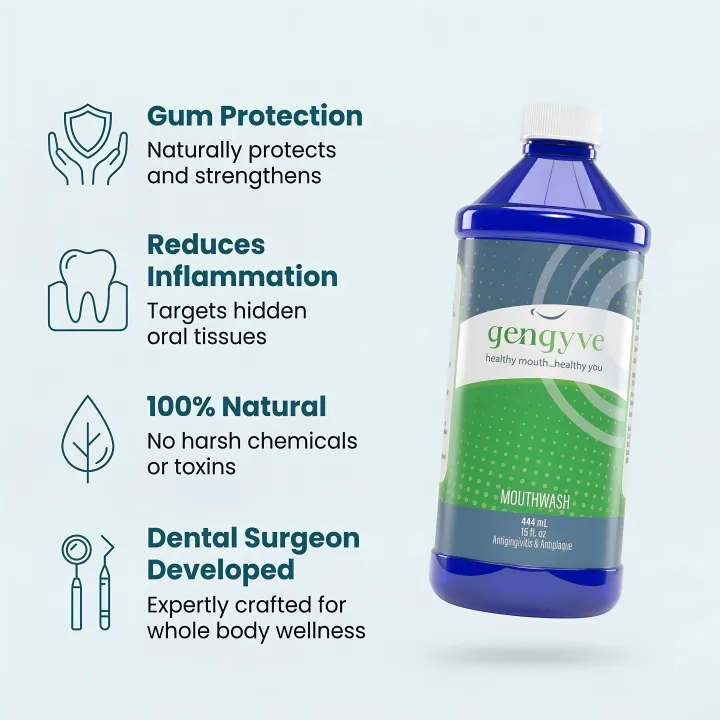
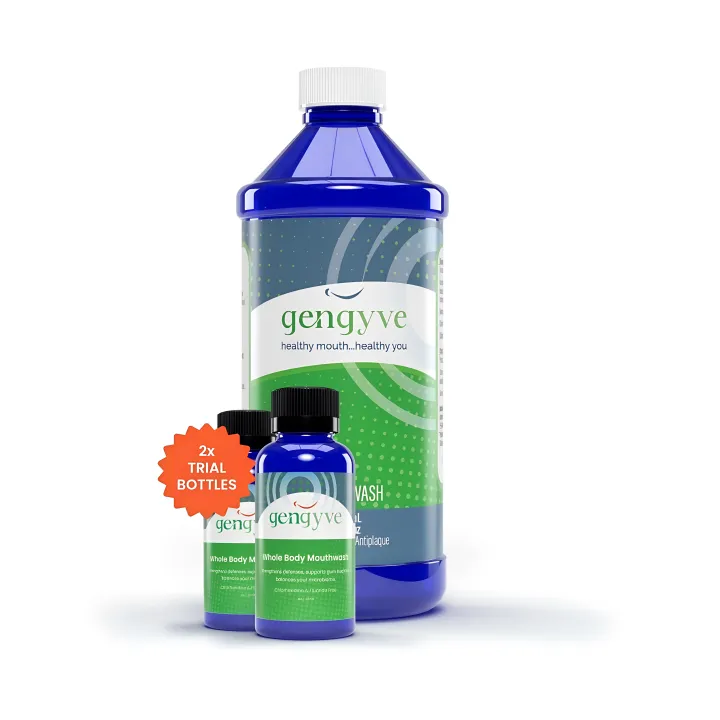
Product note: Gengyve's mouthwash is natural, alcohol-free, chlorhexidine-free, and developed by dental surgeons. It can work as a gentle daily rinse for oral comfort and hygiene. It isn't a cure for xerostomia or a substitute for professional evaluation.
Medication review and treating the cause
Ask your physician or pharmacist whether a medication, supplement, dose, or timing could contribute. Don't stop or change anything on your own.
Treatment may involve:
- Managing allergies or sleep-disordered breathing
- Controlling an underlying condition
- Fluoride care from your dentist
Prescription saliva stimulants such as pilocarpine and cevimeline are labeled for specific situations, like post-radiation dryness or Sjögren's. They also carry safety restrictions, including uncontrolled asthma and narrow-angle glaucoma.
Avoid unsupported quick fixes
Be wary of anything promising to restore saliva overnight or cure dry mouth permanently. Ask what a product actually does: lubricate, stimulate saliva, protect teeth, or address the cause. Stop anything that irritates or worsens symptoms.
When to See a Dentist or Doctor
Signs that warrant an appointment
Book a visit if dryness:
- Persists or keeps returning, or affects your sleep
- Makes eating or swallowing difficult
- Comes with frequent cavities, sensitivity, gum irritation, bad breath, or sores
Raise it with a physician if it appears alongside dry eyes, salivary-gland swelling, major medication changes, signs of diabetes, or snoring and breathing pauses. Bleeding, swelling, or lasting gum discomfort also deserves a dental assessment.
What an evaluation may include
Expect questions about symptom timing, medical history, medications, hydration, snoring, mouth breathing, CPAP, and sleep quality. The visit also includes an oral exam for decay and gum disease. Some patients need salivary-flow measurement, blood tests, or gland imaging.

Different clinicians help with different causes:
- Dentist: decay, infection, dentures, fluoride plans
- Primary-care clinician or prescriber: medical causes and medication changes
- Pharmacist: drying effects of prescription and OTC drugs
- ENT: gland swelling or obstruction, persistent nasal blockage
- Sleep specialist: snoring, apnea, CPAP dryness and leaks
When to seek prompt care
Get care quickly for:
- Severe trouble breathing or swallowing
- Facial or salivary-gland swelling
- Fever or pus
- Inability to stay hydrated
- Rapidly worsening symptoms
A gland infection that affects breathing or swallowing needs immediate medical help.
Ordinary nighttime dryness is usually not an emergency. Persistent or escalating symptoms still warrant a professional evaluation.
Frequently Asked Questions
Why is my mouth always dry?
Ongoing dryness can reflect mouth breathing, medications, alcohol or caffeine, dry air, CPAP issues, sleep apnea, or a medical condition. Timing alone can't pinpoint the cause, so get evaluated if it persists.
Is dry mouth at night normal?
Saliva naturally decreases during sleep. Frequent or severe dryness isn't something to shrug off, though, since it raises oral-health risks and may signal another cause.
Does sleep apnea cause dry mouth?
Snoring and mouth breathing, along with CPAP mask leaks, can dry the mouth. Morning dryness neither confirms nor rules out OSA. Gasping, witnessed pauses, or heavy snoring warrant a sleep evaluation.
Can medications cause dry mouth at night?
Yes. Antihistamines, decongestants, antidepressants, diuretics, sedatives, and bladder medications are common examples. Talk with your prescriber or pharmacist before changing anything.
How can I prevent dry mouth at night?
Drink water through the day, run a clean humidifier, treat congestion, and limit evening alcohol and caffeine. Use sugar-free saliva stimulants and alcohol-free oral care, and see a professional if symptoms persist.