
Many women struggle to tell what is hormonal and what is dental. That matters, because plaque, medications and medical conditions cause many of the same symptoms.
This article covers how estrogen changes may affect oral tissues, practical ways to protect your teeth and gums, and the signs that call for a dentist's evaluation.
Key Takeaways
- Menopause may raise dry mouth, gum inflammation, sensitivity, and cavity risk; medications and plaque often contribute too.
- Keep brushing with fluoride toothpaste and cleaning between teeth, even when gums bleed.
- Hydration, saliva support, symptom tracking, and regular dental visits reduce complications.
- Persistent bleeding, recession, loose teeth, severe pain, or swallowing trouble need professional assessment.
How Menopause Can Affect Your Mouth
Hormonal changes and oral tissues
Estrogen receptors exist in gum and oral tissue. According to a 2022 review, declining estrogen may thin the oral lining, alter blood-vessel permeability, reduce salivary flow and affect the bone that supports teeth.
Those mechanisms are plausible, but they don't predict any one person's disease. Think of menopause as a possible risk modifier, not a guaranteed cause.
Perimenopause, menopause, and postmenopause
- Perimenopause: the transition, with changing cycles and symptoms, lasting until one year after the final period
- Menopause: the point reached after 12 consecutive months without a period
- Postmenopause: every year after that
The NIH's NICHD puts the average age at 51; The Menopause Society says 52. Oral symptoms can begin in the transition and continue afterward. Individual variation is large, and hormones don't explain every case of dry mouth, bleeding or tooth loss.
How symptoms can become dental problems
Saliva washes away food and supplies calcium and phosphate. When flow drops, plaque lingers, acids linger longer, and decay and infection become more likely.
Gum problems follow a similar path:
- Gingivitis: plaque-driven inflammation of the gums, with redness, swelling and bleeding. It is reversible with professional care and good home care.
- Periodontitis: chronic destruction of tooth-supporting tissue, including bone. It can't be reversed, but treatment can slow it.
Bone density adds another layer. A 2025 systematic review found an association between low bone density and attachment loss in postmenopausal women, but the evidence quality was low. Osteoporosis, periodontitis and tooth loss are separate conditions, and none is inevitable.

Common Oral Health Symptoms During Menopause
Dry mouth and increased cavity risk
Signs of dry mouth include:
- Persistent thirst or sticky saliva
- Trouble speaking or swallowing
- Cracked lips and mouth odor
- Waking at night for water
In a small 2021 Japanese study of 43 perimenopausal women, 51.2% reported dryness. That sample was clinic-based, so it isn't a population rate. Less saliva means weaker acid buffering and cleansing, which raises the risk of cavities, irritation, and fungal infection. Blood pressure, depression, and bladder medications commonly cause dry mouth too.
Gum inflammation, bleeding, and recession
Hormonal shifts may make gums react more strongly to plaque. Bleeding can also signal gingivitis, periodontitis, aggressive brushing or a medication effect.
Recession differs from temporary swelling. Thin tissue, inflammation, and reduced supporting bone can all contribute, so a dentist needs to identify the cause.
Tooth sensitivity, burning mouth, and altered taste
Sensitivity to hot, cold, sweet, or acidic foods is common. So are tingling or burning of the tongue, lips, or palate, and metallic or bitter tastes. In the Japanese study, 30.2% reported burning and 27.9% reported taste disturbance, but none were diagnosed with burning mouth syndrome.

Causes overlap: dry mouth, nutritional gaps, medications, infection, reflux, and nerve-related conditions. The mouth may look completely normal.
Cavities, loose teeth, and changes in the bite
Dry mouth, gum disease, exposed roots, and bone changes can all contribute to decay and tooth mobility. Loose teeth, new gaps or a shifting bite are not symptoms to self-manage. Book an exam.
Other symptoms that should not be ignored
Don't blame menopause for these:
- Mouth sores or white or red patches
- Recurrent infections
- Severe pain or facial swelling
- Difficulty chewing or swallowing
NIDCR says oral cancer symptoms lasting more than two weeks need evaluation.
How to Protect Your Oral Health During Menopause
Build a gentle but thorough daily routine
- Brush twice daily for two minutes with fluoride toothpaste and a soft brush
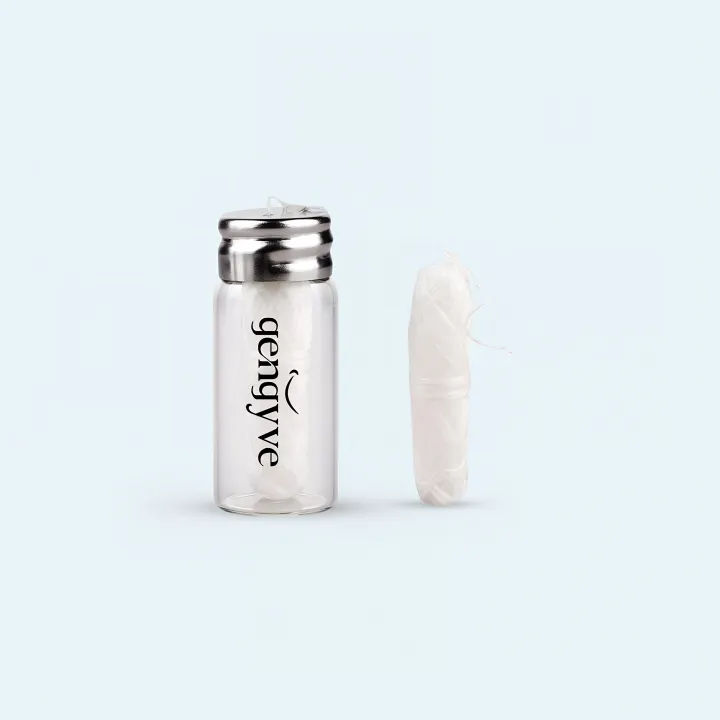
- Clean between teeth once daily with floss or another interdental cleaner
- Use light pressure along the gumline
Bleeding is a reason to improve plaque control and get evaluated. It is not a reason to stop brushing or flossing unless your dentist says otherwise.
Manage dry mouth and protect against decay
- Sip water often
- Try sugar-free gum or lozenges, which may stimulate saliva
- Limit frequent sugary or acidic drinks
- Ask your dentist about saliva substitutes or prescription-strength fluoride
Caffeine, alcohol, smoking, dehydration and some medical conditions all worsen dryness. Review your medications with a clinician, who may adjust a dose or suggest other support.
Choose oral rinses carefully
A rinse complements brushing, interdental cleaning and dental care. It never replaces them. The ADA notes alcohol-free formulas may be prudent if your mouth is dry.
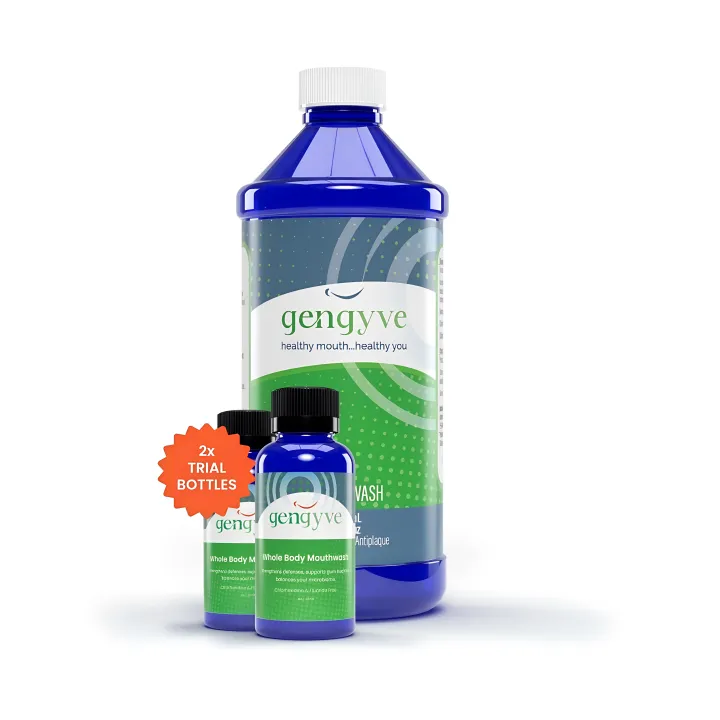
Gengyve is one option: a natural, alcohol-free, chlorhexidine-free mouthwash developed by dental surgeons for gentle everyday use. It isn't a treatment for menopause or gum disease, so check with your dentist about whether it suits you.
Support teeth, gums, and bone health
NIH targets for women are 1,200 mg of calcium daily at 51 and older, and 600 IU of vitamin D (800 IU after 70). These are total intake goals, food included, not automatic supplement doses. One postmenopausal cohort found no link between vitamin D status and tooth loss, so extra supplements aren't proven to help teeth.

Talk with your doctor about osteoporosis risk and deficiencies. Cutting tobacco, moderating alcohol, managing stress and treating reflux may also help, but none replaces dental treatment.
Track symptoms and communicate with clinicians
Record:
- When symptoms started and whether they fluctuate with other menopausal symptoms
- Current medications and oral-care products
- Diet changes and triggers such as spicy or acidic foods
Tell both your dentist and your physician, so medication effects, nutrition, menopause and dental disease get evaluated together.
Discuss hormone therapy responsibly
Hormone therapy decisions depend on your age, health, risks and preferences. Make them with a qualified medical professional.
The evidence on oral outcomes is thin. A 2021 study found dryness complaints dropped after treatment, but burning tongue and night thirst didn't improve significantly. The Menopause Society's 2022 statement lists no dental indication. Don't start, stop or change therapy solely for dental symptoms.
When to See a Dentist and What to Discuss
Symptoms that warrant an appointment
Book promptly for:
- Persistent bleeding or worsening recession
- Loose teeth, tooth pain or ongoing sensitivity
- Persistent dry mouth or burning
- Swelling, recurrent infections or mouth sores
- White or red patches
- Trouble chewing or swallowing
Seek urgent care for facial swelling, fever, uncontrolled bleeding, or difficulty breathing or swallowing.
What a dental visit may involve
Your dentist may:
- Review your medical and medication history
- Inspect the gums and measure pocket depths
- Check for decay and exposed roots
- Decide whether imaging is needed
Healthy pockets are usually 1–3 mm; deeper ones can signal disease.
Treatment depends on the findings. It may include a professional cleaning, home-care coaching, fluoride or sensitivity care, dry-mouth management, periodontal treatment, or a referral.
Questions to bring to the appointment
- Are my symptoms consistent with gingivitis, periodontitis, dry mouth, burning mouth, recession or a medication effect?
- How often do I need exams or periodontal maintenance?
- Which toothpaste or rinse fits my situation?
- Should my doctor check bone health, nutrition or menopause treatment options?
Frequently Asked Questions
Why am I suddenly getting gingivitis?
Hormonal changes may make gums react more to plaque. Brushing changes, dry mouth, medications, smoking, diabetes or existing gum disease can also contribute. See a dentist if bleeding or swelling persists.
How can I stop receding gums during menopause?
Find the cause first. Brush gently, clean between teeth daily, avoid tobacco and manage dry mouth. A dentist can assess gum disease, brushing trauma, exposed roots or bone loss.
Can menopause cause dry mouth?
Hormonal changes may reduce saliva, but medications and health conditions are common contributors. Drink water, try sugar-free saliva stimulants and see a dentist or doctor if it continues.
Can menopause cause burning mouth?
Burning may accompany menopausal dryness, but nutritional gaps, medications, infection, nerve conditions or dental problems can cause it. See a dentist or doctor if it persists.
When should I see a dentist about menopause-related oral symptoms?
See a dentist promptly for persistent bleeding, recession, loose teeth, severe pain, swelling, sores, white or red patches, recurring infections or swallowing difficulty.
Does hormone replacement therapy help oral health during menopause?
Evidence of oral benefit is still developing, and hormone therapy isn't a dental treatment. Discuss overall benefits and risks with your doctor.