Introduction
Cetylpyridinium chloride, or CPC, shows up on the ingredient label of a huge share of over-the-counter mouthwashes. It's marketed to help with plaque, gingivitis, and bad breath. But a single ingredient doesn't tell you everything about a bottle of mouthwash : the full formula, the directions, and the evidence behind the specific product matter just as much.
Many people start researching CPC for practical reasons: bleeding gums that won't quit, breath that returns an hour after brushing, or a burning sensation from their current alcohol-based rinse. Others simply want something effective that doesn't sting.
This article breaks down how CPC works, what clinical research actually says about its benefits, the side effects worth knowing about, how it differs from chlorhexidine, and what to look for when choosing a rinse.
Key Takeaways
- CPC is an antiseptic ingredient that helps control the microorganisms linked to plaque, gingivitis, and oral odor when used as directed.
- A CPC rinse supports brushing and interdental cleaning; it does not replace them or any dentist-prescribed treatment.
- Alcohol-free, lower-intensity formulas may suit people prone to burning or dryness, but check the label and evidence first.
- CPC and chlorhexidine are different compounds; neither should be chosen by comparing strength alone.
What Is CPC in Mouthwash?
Cetylpyridinium chloride is a cationic antiseptic, meaning its molecules carry a positive charge. That charge lets CPC attach to the negatively charged surfaces of bacterial cell membranes. Once attached, its fatty tail wedges into the membrane and disrupts it, which can cause the microbe's contents to leak out.


A 2020 mechanism review describes CPC this way, while also noting a real limitation: plaque biofilm's outer matrix can slow CPC's penetration, so its activity is strongest in the biofilm's outer and middle layers rather than throughout.
Cosmetic versus therapeutic labeling matters more than people realize. A cosmetic mouthwash freshens breath temporarily. A therapeutic rinse makes a specific health claim, such as reducing gingivitis, and is regulated in the US as an OTC drug product under FDA monograph rules. Two bottles can look nearly identical on a shelf and serve very different purposes.
Concentration Isn't Universal
CPC-containing products on the market use different concentrations, commonly somewhere between 0.05% and 0.1%, and the rest of the formula varies too. A benefit shown in a study of one 0.07% formulation doesn't automatically transfer to a 0.05% product from another brand. Always check the actual label rather than assuming.
For context, Gengyve's CPC mouthwash with hyaluronic acid uses 0.05% CPC and is registered as an OTC monograph antigingivitis and antiplaque rinse — a reminder that concentration and classification should be confirmed per product, not assumed from category averages.
On viruses and fungi: laboratory studies have tested CPC against certain viruses and yeasts in controlled settings, and some show measurable activity. But killing a microbe in a test tube or in saliva isn't the same as proving a mouthwash prevents or treats an infection.
A 2022 randomized trial testing CPC rinse in people already infected found no significant reduction in salivary viral RNA between groups, even though it showed disruption of viral particles. That distinction matters: lab and saliva findings don't equal clinical infection prevention.
Is CPC Mouthwash Effective?
The strongest evidence for CPC centers on one role: supporting daily hygiene by modestly reducing plaque buildup, gingival inflammation, and bad breath, not replacing brushing and flossing.
A Haps et al. 2008 review pooled eight trials lasting at least four weeks and found measurable reductions in plaque and gingival inflammation scores for CPC rinses used alongside brushing, compared with brushing alone. The authors cautioned against treating their pooled numbers as a guaranteed outcome, since the trials varied considerably in formulation and methodology.
A separate six-month trial of a 0.07% CPC rinse found:
- 15.4% less gingival inflammation versus placebo
- 33.3% less bleeding versus placebo
- 15.8% less plaque versus placebo
That trial involved 139 adults with mild-to-moderate gingivitis (a specific population, not a universal guarantee). Separately, a Cochrane review on bad breath found low-certainty evidence that adding CPC to brushing improved dentist-rated breath scores over a short trial period, based on just 70 participants.

Why a Rinse Can't Do Everything
Brushing and interdental cleaning physically scrape biofilm off tooth surfaces. A rinse works chemically and can't substitute for that mechanical action. It mainly helps in spots brushing misses or where technique falls short.
Several factors change how much benefit someone sees:
- CPC concentration and overall formulation
- How long and how often the rinse is used
- Whether toothpaste residue (some contain sodium lauryl sulfate) is still in the mouth, since it may inactivate CPC's charge
- Baseline gum health and how consistently the product is used per label
When to see a dentist instead of switching mouthwash: persistent bleeding, gum recession, loose teeth, pain, swelling, or pus are signs of possible periodontal disease. No OTC rinse treats active gum disease; that needs a professional diagnosis.
Is CPC Mouthwash Safe?
For most adults using it as directed, CPC is generally well tolerated. That said, "generally safe" doesn't mean side-effect-free, and the specific formula still matters.
A 2019 adverse-events review looked at home-use mouthrinse data and found CPC products are associated with:
- Temporary taste alteration
- Burning or stinging sensation
- Oral dryness or discomfort
- Extrinsic staining of teeth, tongue, or restorations (more pronounced with longer exposure)
The review noted inconsistent reporting across studies, so there's no single reliable number for how often these effects occur. They're established as possible, not universal.
What to Do If You Notice a Reaction
Stop using the product and contact a dentist or healthcare provider if you experience:
- Irritation that persists or worsens
- Swelling, rash, or difficulty breathing
- Signs of an allergic reaction
- Gingivitis, bleeding, or redness lasting more than two weeks
- Painful or swollen gums, pus, or loose teeth
Special populations need extra caution. Children under six generally shouldn't use mouthrinse unless a dentist directs it, since young kids are more likely to swallow it.
People who can't reliably spit, and those who are pregnant, breastfeeding, immunocompromised, or undergoing cancer treatment, should check with a clinician before adding any new rinse. Product labels typically don't give individualized guidance for these situations.
Continued bleeding, painful gums, or oral lesions shouldn't be managed by swishing more mouthwash. Those symptoms need diagnosis. While no strong evidence documents systemic effects or medication interactions from typical CPC use, accidentally swallowing a small amount during normal rinsing isn't the same as swallowing a large quantity. The latter warrants calling Poison Control.
CPC vs Chlorhexidine and Other Mouthrinse Ingredients
CPC and chlorhexidine (CHX) are both antiseptics, but they occupy different places in oral care. CPC is widely available over the counter, while chlorhexidine in the US is typically dispensed under professional direction for short, defined periods, commonly because of its side-effect profile.
| Ingredient | Typical access | Best suited for |
|---|---|---|
| CPC | OTC, daily use | Ongoing plaque/gingivitis support alongside brushing |
| Chlorhexidine | Prescription/professional direction | Short-term, often post-surgical plaque control |
| Essential oils | OTC | Plaque/gingivitis support; comparable overall to CPC in recent pooled data |
| Fluoride rinse | OTC | Cavity prevention, a different goal than antigingivitis rinses |
A 2025 systematic review comparing CPC and chlorhexidine across 14 studies found CHX performed better specifically when brushing wasn't happening, such as after oral surgery. When both groups kept brushing normally, the difference in plaque and gingivitis scores wasn't statistically significant. CHX's advantage shows up mainly when it covers for a lack of mechanical cleaning, not as a universally "stronger" daily rinse.

Chlorhexidine's trade-offs explain why it's not the automatic default: prolonged use is linked to tooth staining, altered taste, and mucosal irritation, which is why use is typically limited to a couple of weeks at a time.
Choosing between ingredients should start with the goal:
- Cavity prevention → fluoride rinse
- Gingivitis/plaque support alongside brushing → CPC or essential-oil rinse
- Short-term intensive plaque control (post-surgery, limited brushing) → chlorhexidine, as directed by a dentist
- Dry mouth comfort or sensitivity → alcohol-free formula, regardless of active ingredient
How to Choose and Use a CPC Mouthrinse
Not every CPC bottle is built the same. Before buying, compare:
- Active ingredient and concentration (check the Drug Facts panel)
- Therapeutic claim versus purely cosmetic positioning
- Alcohol content (relevant for dryness or sensitivity)
- Fluoride content, if cavity prevention is also a goal
- Flavor and burn intensity
- Age guidance and warnings
- Evidence or professional recommendations behind the specific formula
Using It Correctly
Follow the product's own directions rather than a generic rule of thumb:
- Measure the stated amount (commonly 20 mL, but confirm on the bottle)
- Rinse for the instructed duration (often 30 to 60 seconds)
- Spit out; don't swallow
- Don't dilute unless the label says to
Some products recommend waiting a short period after brushing before rinsing, since certain toothpaste ingredients can interfere with CPC's activity. Check your specific product's directions on this point rather than assuming a universal interval.
Don't double up on medicated rinses. Combining CPC with chlorhexidine or another prescribed rinse without a dentist's direction isn't recommended, especially during post-surgical healing or active periodontal treatment, where the combination could cause unnecessary irritation or interfere with the prescribed protocol.
For dental practices recommending a take-home rinse, the match should account for the patient's diagnosis, the procedure performed, their ability to follow directions reliably, their tolerance for burn or alcohol, and how the rinse fits into their broader home-care routine. Shelf stock alone should not drive the choice.
Where Gengyve Fits Among CPC Mouthrinses
Gengyve USA is a Nevada-based, US-made oral care company built around a specific question: what mouthwash would a practicing dental surgeon feel comfortable recommending to patients?
Founder Dr. S. Thaddeus Connelly, an oral and maxillofacial surgeon and Full Clinical Professor at UCSF, developed the formula alongside fellow dental surgeons and educators after concluding that existing options didn't fit what they wanted for their own patients.
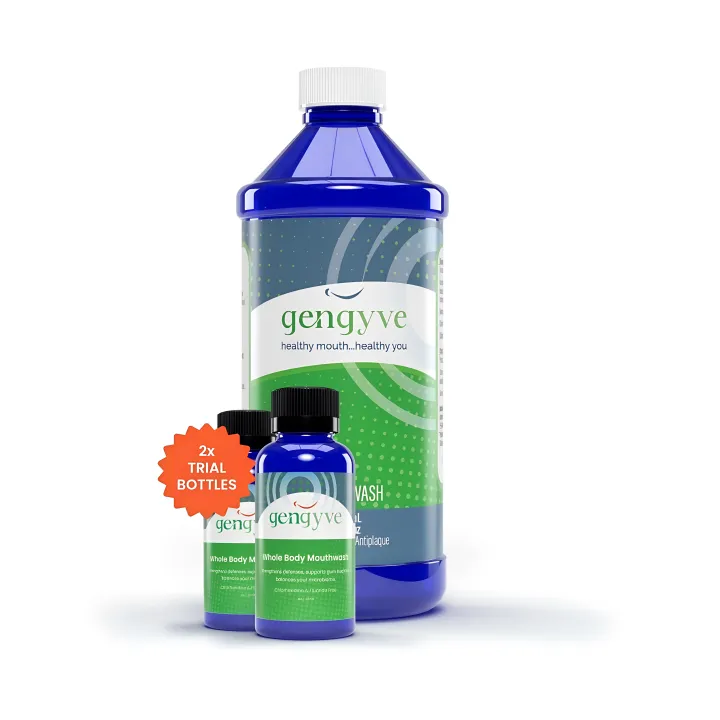
The product itself is a daily mouthwash combining 0.05% CPC with hyaluronic acid, formulated without alcohol, fluoride, or chlorhexidine. It's registered as an OTC monograph antigingivitis and antiplaque rinse.

A randomized, double-blind trial published in the International Journal of Dental Hygiene (2020) compared a CPC-hyaluronic acid formulation against chlorhexidine and placebo over 21 days in 75 dental students. The CPC-hyaluronic acid group didn't show a significant increase in staining, unlike the other two groups.
That study covers one specific formulation and a short window. It doesn't prove zero staining risk forever, or superiority for every user, which is worth saying plainly rather than overselling.
Where an alcohol-free, chlorhexidine-free formula may be relevant:
- People who find standard rinses too harsh or drying for everyday use
- Patients recovering from oral surgery or implant placement who need a gentler option beyond chlorhexidine's typical two-week limit
- Periodontal maintenance patients looking for a take-home rinse alongside recall visits
- Hospitality or dental-practice buyers sourcing a natural-positioned amenity or retail product
None of this means "natural" automatically outperforms other formulations. It just means the ingredient profile may suit specific tolerability needs. Whether it fits a given care plan, particularly around active disease, surgery recovery, or oncology-related oral side effects, is a decision for a dental professional, not a label alone.
Dental practices and consumers curious about the specifics can review Gengyve's ingredient and clinical research documentation, request product samples or a wholesale pilot program, and talk to a dentist about whether it fits an individual treatment plan.
Frequently Asked Questions
Is CPC in mouthwash safe?
CPC is safe for most adults when used as directed. Some people notice irritation, taste changes, or staining. Anyone who is pregnant or immunocompromised, or who plans to use it for a young child, should check with a dentist first.
Is CPC mouthwash effective?
Research supports CPC as an adjunct that can modestly reduce plaque, gingival inflammation, and bad breath alongside brushing. It doesn't replace brushing, interdental cleaning, or dental treatment for existing disease.
What is cetylpyridinium chloride used for?
Cetylpyridinium chloride is an antimicrobial ingredient added to mouthwashes to help control the bacteria linked to plaque buildup, gum inflammation, and oral odor. It's typically used as part of a daily hygiene routine, not as a standalone treatment.
What are the side effects of cetylpyridinium chloride?
Possible effects include temporary taste alteration, burning or dryness, and tooth or tongue staining with extended use. Allergic reactions are rare but warrant stopping use and contacting a healthcare provider immediately.
Is CPC the same as chlorhexidine?
No. Both are antiseptics, but CPC is sold over the counter for daily use. Chlorhexidine is typically used under professional direction for short periods because of staining, taste changes, and other side effects.
Is mouthwash good for your gums?
An appropriate therapeutic rinse can support gum health as part of a full routine that includes brushing and flossing. Persistent bleeding, swelling, pain, or gum recession needs a dental evaluation, not just a rinse change.