Many people assume that bleeding during flossing means they should stop. Inflamed gums often bleed when cleaned, especially at first. Bleeding that keeps getting worse, though, needs a dentist's eyes on it.
This article breaks down the difference between reversible gingivitis and periodontitis, walks through proper flossing technique, and covers the rest of a daily gum-care routine. We'll also flag signs that mean home care isn't cutting it anymore.
Key Takeaways
- Early gingivitis often reverses with daily plaque control through brushing, interdental cleaning, and professional care when needed
- Floss reaches plaque between teeth that a toothbrush simply can't touch, but it won't remove hardened tartar or rebuild lost bone
- Gentle, once-daily interdental cleaning beats aggressive or forced flossing every time
- Persistent bleeding, gum recession, loose teeth, pus, or pain that doesn't improve calls for a dental visit
Can Flossing Reverse Gingivitis?
Gingivitis is inflammation of the gum tissue, usually triggered by plaque buildup at and around the gumline. Common signs include:


- Redness, swelling, and tenderness along the gumline
- Bleeding when you brush or floss
- Breath that won't clear no matter how much gum you chew
Flossing can support reversal when plaque is the cause and you can physically remove it, especially alongside effective brushing and professional cleaning when needed. The CDC's gum disease data describes gingivitis as reversible with good oral hygiene and professional treatment together, not hygiene alone.
Interdental cleaning disrupts and removes plaque in the tight spaces between teeth and just beneath the gumline, exactly where toothbrush bristles can't reach. That's the gap floss is built to fill.
Gingivitis vs. Periodontitis: Why the Difference Matters
Gingivitis and periodontitis get lumped together constantly, but they're not the same condition:
- Gingivitis involves inflammation without damage to the bone or connective tissue that holds teeth in place
- Periodontitis involves attachment and bone loss, which professional treatment can manage and slow but typically can't fully reverse through home care alone
This distinction matters because the advice changes depending on which one you're dealing with. Gingivitis responds to better daily habits. Periodontitis needs a dentist or periodontist involved.
Why Bleeding Happens When You Start Flossing Again
If your gums are inflamed and you start flossing after a long break, some bleeding is normal. Inflamed tissue is fragile tissue. The goal is a downward trend, not zero bleeding overnight.
A 2023 randomized trial found that adults who received flossing instruction saw interproximal bleeding drop from roughly 26% of sites at baseline to under 8% by two weeks, continuing to improve through eight weeks. Bleeding that stays heavy, starts spontaneously, or won't budge after a few weeks of gentle, consistent care is a signal to get checked rather than push harder.

How to Use Flossing in a Gingivitis-Healing Routine
Once daily is the target, not five times a day out of frustration. Pick a time when you can work through every tooth carefully, rather than rushing through it half-asleep. Technique and consistency matter far more than force.
Step-by-Step Flossing Technique
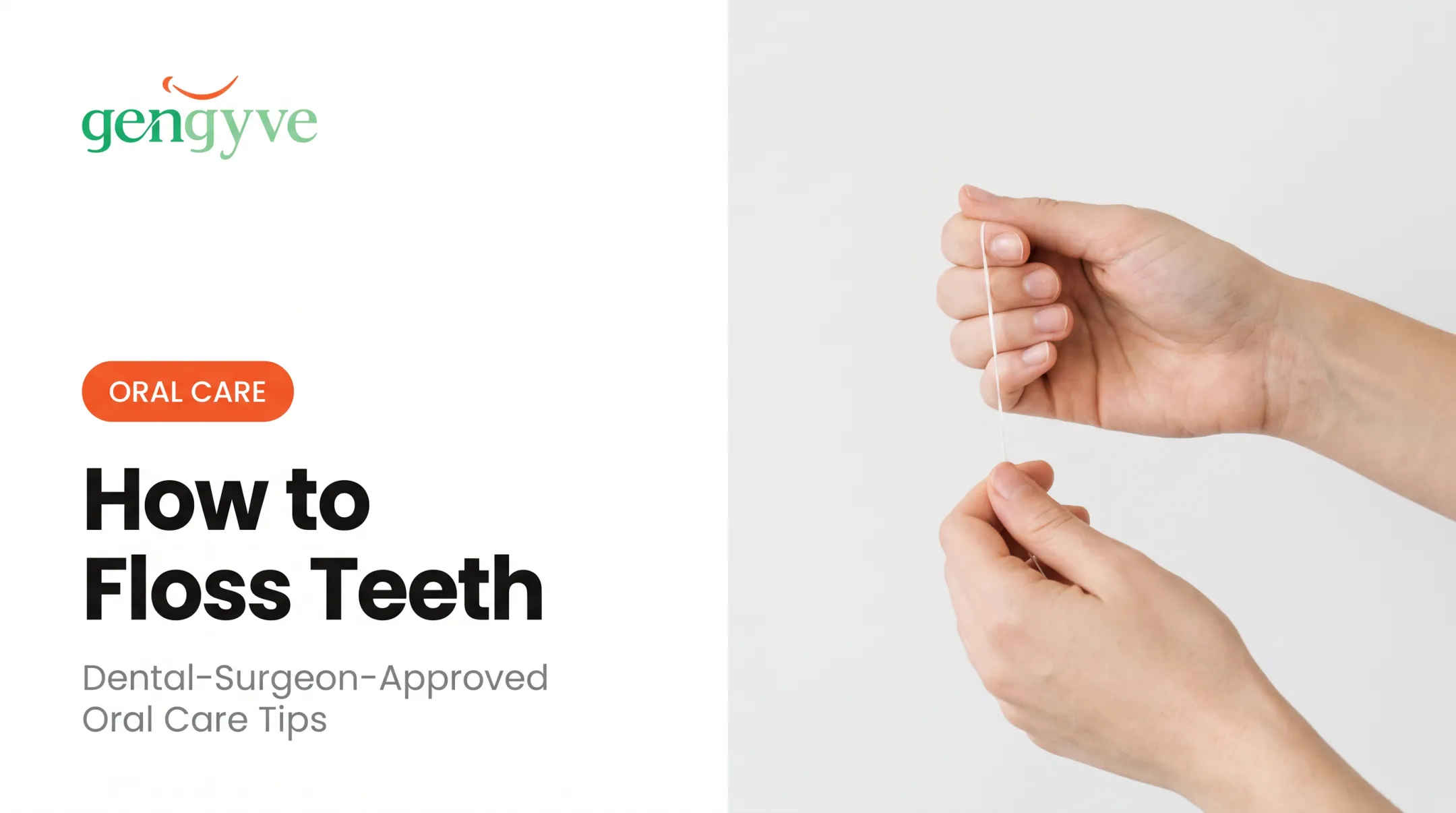
- Cut about 18 inches of floss and wind most of it around your middle fingers, leaving a few inches to work with
- Guide the floss gently through the contact point between two teeth rather than snapping it down into the gums
- Curve it into a C-shape around one tooth, then slide it up and down below the gumline without forcing it
- Shift the C-shape to the adjacent tooth and repeat before moving to the next gap
- Use a clean section of floss as you go, and don't skip the backs of your last molars, where plaque loves to hide

Common Mistakes That Make Things Worse
- Sawing the floss back and forth forcefully against the gum tissue
- Pressing too hard instead of letting the floss do the work
- Skipping spots that bleed, which just lets plaque accumulate there
- Quitting entirely after a few days of minor bleeding, instead of continuing gently
Choosing the Right Interdental Tool
Floss isn't the only option, and the ADA's flossing guidance notes there's no effectiveness difference between waxed and unwaxed floss. What matters more is matching the tool to your mouth:
- Waxed floss or silk floss – works well for naturally tight contact points between teeth
- Floss holders – useful if dexterity makes traditional floss awkward to maneuver
- Interdental brushes – better suited to wider gaps, bridges, or areas around orthodontic wires
- Water flossers – a helpful option for braces, implants, or anyone who finds string floss uncomfortable
Tool choice should reflect your tooth spacing, any dental work you have, and what your dentist actually recommends for your mouth.
Flossing works best inside a fuller daily routine. Brush twice daily with a soft-bristled brush, paying attention to the gumline itself rather than just the tooth surface. Use a toothpaste suited to your needs, skip tobacco products, and keep up with professional cleanings that remove tartar your floss simply can't touch.
Some people also add a gentle rinse. Gengyve's alcohol-free, chlorhexidine-free mouthwash, developed by a practicing oral and maxillofacial surgeon, can serve as a soothing daily option. It supports brushing, interdental cleaning, and professional care; it does not replace them or a dentist's diagnosis.
What Stage 1 Gingivitis Can Look and Feel Like
Early gingivitis shows up in small ways you might catch in the mirror or notice while brushing:
- Gum color shifting from healthy pink toward red
- Puffy or swollen gum margins, especially right at the edge of the tooth
- Bleeding when you brush or floss, even with a light touch
- Tenderness or mild soreness around the gumline
- Breath odor that lingers despite regular brushing
Here's the catch: early gingivitis often causes little to no pain. The absence of discomfort doesn't mean your gums are fine. Plenty of people with visible inflammation feel nothing unusual at all, which is exactly why gum disease sneaks up on so many of us.
When Symptoms Point to Something More Serious
Some signs go beyond simple gingivitis and suggest more advanced periodontal disease:
- Gum recession that exposes more of the tooth root over time
- Deep, persistent tenderness that doesn't ease with gentle care
- Visible pus near the gumline
- Loose teeth or a noticeable shift in how your teeth bite together
- Symptoms that continue despite weeks of consistent, careful home care
A dental exam beats self-diagnosis every time. A dentist can assess gum pocket depth, tartar buildup, alignment issues, existing restorations, and medications: factors you can't evaluate on your own with a mirror.
When Flossing Is Not Enough
Flossing has real limits. Once plaque hardens into tartar, it's calcified onto the tooth surface, and no amount of floss will remove it. That requires professional instruments, below and along the gumline, during a cleaning appointment.
Several factors can increase gingivitis risk or make improvement slower, even with great home care:
- Smoking or tobacco use – can also mask bleeding, so a smoker's gums may look deceptively calm despite active inflammation
- Diabetes, particularly when blood sugar runs uncontrolled
- Hormonal changes, including pregnancy, which heightens gum sensitivity to plaque
- Crowded or misaligned teeth, braces, or dentures that trap plaque in hard-to-reach spots
- Dry mouth, which reduces saliva's natural cleansing effect
- Certain medications, some of which reduce saliva flow or cause gum tissue to enlarge
If you're dealing with any of these alongside gum symptoms, mention it to your dentist. These factors often need to be managed alongside, not instead of, better brushing and flossing.

Get to a dentist if any of these stick around despite weeks of gentle, consistent home care:
- Persistent bleeding, swelling, or pain
- Pus or bad breath that won't resolve
- Gum recession or loose teeth
This article offers general oral-health education. It can't replace an in-person exam or individualized advice from a dentist or periodontist who can actually look at your mouth.
Frequently Asked Questions
Is gingivitis reversible?
Plaque-related gingivitis is often reversible with consistent plaque removal, professional cleaning when needed, and management of contributing factors like smoking or dry mouth. Periodontitis, with its bone and attachment loss, requires professional treatment and isn't fully reversible through home care alone.
What does stage 1 gingivitis look like?
Early gingivitis typically shows redness, puffiness, tenderness, and bleeding during brushing or flossing, sometimes with bad breath. Symptoms can be subtle enough that you barely notice them at first.
Can flossing make gingivitis worse?
Gentle, proper technique shouldn't worsen gingivitis. Snapping, sawing, or forcing floss into inflamed gums can irritate tissue further. Bleeding that persists or worsens despite gentle care should be evaluated by a dentist.
How often should you floss if you have gingivitis?
Thorough interdental cleaning at least once daily is the standard recommendation unless your dentist advises otherwise. Consistency and proper technique matter more than flossing multiple times a day.
How long does it take for gingivitis to improve?
Improvement varies based on severity and underlying causes, but some studies show measurable reductions in bleeding within two to four weeks of consistent care. If symptoms aren't improving or get worse, talk to a dental professional rather than waiting it out.
When should you see a dentist for bleeding gums?
See a dentist for bleeding that's persistent, heavy, spontaneous, painful, or worsening, especially alongside swelling, pus, recession, or loose teeth. These signs can point to something beyond simple gingivitis.