
Castor-oil bristles are one attempt to close that gap. They're bristles made from castor bean oil, chemically processed into a polymer, designed to cut reliance on petroleum feedstock while keeping the stiffness your gums actually need.
Here's the catch: bio-based doesn't automatically mean biodegradable or compostable. Those are separate claims, and a bristle can satisfy one without satisfying the others.
This article explains what castor-oil bristles really are, how they perform, what the microplastic research does and doesn't show, and how to dispose of a bamboo toothbrush responsibly in the US.
Key Takeaways
- Castor-oil bristles are plant-derived polyamide, not raw oil; always check the exact polymer name a manufacturer uses
- "Bio-based," "plastic-free," "biodegradable," and "compostable" describe four different properties, not one
- A bamboo handle and its bristle bundle often need separate end-of-life treatment
- Softness, tip finishing, and brushing technique affect cleaning more than bristle feedstock alone
What Are Castor-Oil Bristles?
From Castor Bean Oil to Toothbrush Filament
Castor bean oil bristles start with oil pressed from castor plant seeds. Manufacturers split that oil's long carbon chain, convert part of it into a monomer, then polymerize the monomer into a nylon-type plastic strong enough to spin into filament.
Arkema's bio-based PA11 data describes this process for its castor-derived PA11 resin, noting the finished polymer can carry up to 100% bio-based carbon content by one standard measurement method.
The result is a bristle that performs like conventional nylon: flexible, moisture-resistant, able to hold its shape, though its carbon traces back to a plant instead of crude oil.

Know the Exact Polymer Name
Marketing language blurs real differences. Common terms include:
- Castor bean oil bristles: informal shorthand for any bristle made partly from castor feedstock
- Castor-derived nylon: a broad category covering several distinct polyamides
- PA11 (Nylon 11): often listed near 100% bio-based carbon content
- PA1010 (Nylon 1010): also commonly near 100% bio-based
- PA610 (Nylon 610): typically part-castor, usually around 60 to 65% bio-based
These terms aren't interchangeable. A bristle labeled "bio-based nylon" might be fully plant-derived or only partially so. Ask the manufacturer which polymer they use, and look for a technical data sheet or a certification like USDA BioPreferred rather than taking a marketing claim at face value.
What "Plant-Based" Doesn't Prove
A castor-derived bristle is manufactured through industrial chemistry. It's not a strand of raw oil, and brushing with one isn't the same as applying castor oil to your gums.
The "plant-based" label only speaks to carbon origin. It says nothing about:
- Whether the bristle composts
- Whether it's accepted in standard recycling programs
- Its exact additives
- Its overall environmental footprint
For any claim beyond feedstock origin, look for a manufacturer's material disclosure or an independent technical source.
Are Castor-Oil Bristles Safe and Effective for Brushing?
What Actually Determines Safety
The FDA classifies manual toothbrushes, bamboo ones included, as Class I devices under general controls. That classification covers the finished product, not a specific bristle polymer. Castor-derived nylon and petroleum nylon fall under the same rules once assembled into a brush.
What matters more than feedstock:
- Softness of the bristle, since most adults do better with soft or medium-soft
- Rounded, polished tips that won't scratch enamel or irritate gum tissue
- Secure tuft attachment so bristles don't shed into your mouth
- Predictable moisture behavior between uses, limiting bacterial buildup
The American Dental Association recommends replacing any toothbrush every three to four months, brushing for two minutes twice daily, and angling the brush around 45 degrees at the gumline. That guidance applies no matter what the bristles are made from.
Castor-Derived Nylon vs. Conventional Nylon vs. Boar Hair
| Factor | Castor-derived nylon | Petroleum nylon | Boar hair |
|---|---|---|---|
| Cleaning function | Comparable to conventional nylon | Industry standard | Coarser, less uniform |
| Moisture retention | Similar synthetic behavior | Similar synthetic behavior | Absorbs moisture, dries slower |
| Vegan suitability | Yes | Yes | No |
| Hygiene | No proven advantage | No proven advantage | No proven disadvantage |
A 2020 laboratory comparison of toothbrush bristle materials found no significant difference in bacterial growth or survival across nylon, bio-nylon, and pig bristle samples. Bristle type alone didn't predict hygiene outcomes.
On Microplastics, Be Careful With Claims
A bio-based bristle is still a synthetic polymer. It can shed small fragments through normal wear, much like conventional nylon does.
A 2025 simulated-brushing study identified nylon among the polymers released during use, but it didn't isolate castor-derived PA11 or PA1010 specifically. You can't stretch that finding into a blanket claim that castor bristles do, or don't, shed microplastics.
Ask for abrasion or shedding data on the specific product before trusting either claim. Beyond that, good brushing habits matter more than bristle origin:
- Use gentle pressure and avoid aggressive scrubbing
- Replace the brush on schedule
- Talk to a dentist about ongoing bleeding, sensitivity, or recession
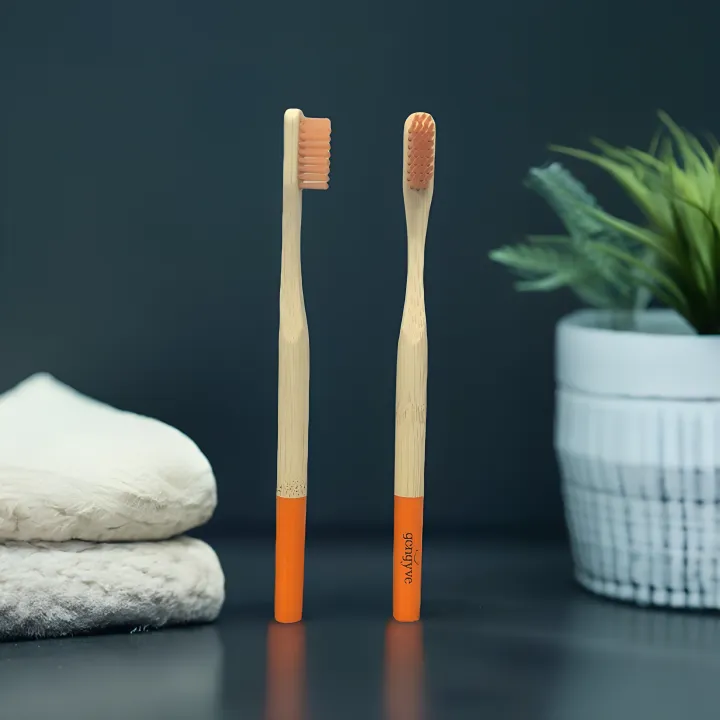
The Gengyve Bamboo Toothbrush's medium-soft bristles, for instance, are built to clean effectively without requiring extra force.
The Environmental Trade-Offs: Bio-Based Does Not Mean Compostable
Reducing Petroleum Isn't the Same as Eliminating Waste
Castor feedstock cuts dependence on crude oil, but turning it into bristles still requires industrial polymerization. The finished filament can persist in landfills just like petroleum-based nylon.
EPA's plastics FAQ notes that bio-based plastics can be structurally identical to fossil-based plastics and take the same amount of time to break down. Plant origin alone doesn't guarantee a shorter life in the waste stream.
A full environmental picture also accounts for castor cultivation, oil extraction, polymer production, filament spinning, bamboo sourcing, shipping, and packaging, not just the finished bristle. Producer figures covering resin production only, such as those published for PA11, don't capture the complete brush lifecycle.
A Bamboo Handle Doesn't Make the Whole Brush Compostable
Even a fully biodegradable bamboo handle gets paired with a nylon bristle bundle, often anchored with a metal staple. That's three materials with three different end-of-life needs. Composting the whole assembled brush risks leaving plastic and metal fragments in the compost.

A Practical, Component-by-Component Approach
- Remove the bristles with pliers for most tuft designs, separating the synthetic portion from the compostable handle
- Check local recycling rules before placing bristles in a bin, since small plastic fragments aren't accepted everywhere
- Remove any metal staples and dispose of them separately
- Compost or add the bare bamboo handle to yard waste only if your municipality accepts untreated wood
The Gengyve Bamboo Toothbrush follows this same approach. The brand's care instructions call for removing the bristles with pliers and recycling them, then composting the bamboo handle on its own, rather than claiming the whole brush breaks down in a single step.
Don't assume any castor-derived bristle fully biodegrades in a backyard or municipal compost system unless the manufacturer has tested it under those exact conditions.
How to Choose a Bamboo Toothbrush With Castor-Derived Bristles
Before buying, run through this checklist:
- Exact bristle polymer: ask whether it's PA11, PA1010, PA610, or an unspecified "bio-nylon" blend
- Softness level: soft or medium-soft suits most adults
- Tip finishing: rounded, polished tips reduce abrasion on enamel and gums
- Tuft security: bristles shouldn't loosen or shed during normal brushing
- Replacement guidance: look for a clear three- to four-month recommendation
- Disposal instructions: does the manufacturer explain how to separate bristles from the handle, or just slap on an "eco-friendly" label?
Be skeptical of absolute claims like "zero plastic," "fully compostable," or "100% biodegradable" unless they're backed by a certification, a testing standard, or specific conditions.
Sustainability and Oral Health Both Matter
A castor-derived bristle won't help your gums if it's too stiff or poorly finished. Comfort and technique still come first:
- Choose a soft or medium-soft brush that feels comfortable
- Pair it with fluoride toothpaste where appropriate
- Brush without forcing pressure
- Keep up with routine dental checkups
Consider the whole product system too: packaging material, shipping distance, replacement frequency, and whether the company gives you clear separation instructions at end of life. The Gengyve Bamboo Toothbrush, for example, pairs a biodegradable bamboo handle with BPA-free medium-soft bristles and spells out how to separate the two for disposal.

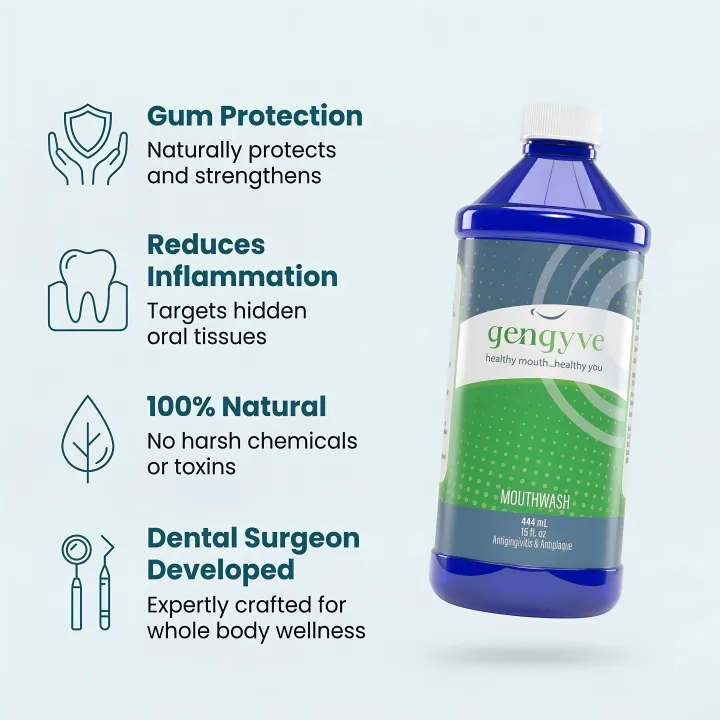
A toothbrush's bristle material is a separate decision from the rest of your oral-care routine. Gengyve also uses castor oil, composed mostly of ricinoleic acid, as an ingredient in its alcohol-free, dental-surgeon-developed mouthwash. That's a different product solving a different problem, and it doesn't make any particular toothbrush bristle safer or more sustainable.
Frequently Asked Questions
Are castor oil toothbrush bristles safe?
Safety depends on the finished filament, tip rounding, and tuft attachment, not just the feedstock. Look for oral-contact testing and manufacturer specs, choose a soft bristle, and ask your dentist about any individual concerns.
Do castor oil toothbrush bristles contain microplastics?
Castor-derived feedstock doesn't automatically make a bristle biodegradable or plastic-free; it's still a synthetic polymer that can shed small fragments through wear. Shedding rates vary by product, so check for specific testing rather than blanket claims.
What is the healthiest material for toothbrush bristles?
A soft, well-finished bristle that lets you brush gently and thoroughly matters more than the feedstock label. Castor-derived nylon, conventional nylon, and natural boar hair each come with different trade-offs around vegan suitability, moisture retention, and durability.
Is there a bamboo toothbrush with castor oil bristles available?
Some bamboo brushes use castor-derived nylon filaments, but the label means chemical feedstock, not raw oil coating the bristle. Confirm the polymer in the manufacturer's disclosure. Gengyve's bamboo toothbrush pairs a compostable handle with BPA-free bristles and clear disposal instructions.
Is castor oil good for teeth?
Using castor oil as a topical dental treatment isn't the same as brushing with a castor-derived bristle, and the oil shouldn't replace fluoride toothpaste or professional dental care. Talk to a dentist before trying home remedies for gum or tooth concerns.
What are castor bean oil bristles?
They're toothbrush filaments made from a polyamide polymer derived partly or fully from castor plant oil, chemically processed into nylon-type plastic. The exact properties and disposal requirements depend on which polymer, PA11, PA1010, or PA610, the manufacturer actually uses.