Sonic models lean on technology, built-in timers, and pressure sensors. Manual brushes lean entirely on your technique, timing, and consistency. For US readers trying to decide whether powered cleaning, built-in guidance, or a lower price tag matters most, the choice isn't as simple as "pick the expensive one."
This guide breaks down the real evidence. Sonic brushes may make thorough brushing easier for some people. A manual toothbrush, used properly, can still get the job done just as well for others.
Key Takeaways
- Sonic brushes add high-frequency motion, timers, and pressure sensors; manual brushes rely on your stroke and pacing
- A 2017 meta-analysis found greater short-term plaque and gingivitis reductions with sonic brushing
- Technique, pressure, and consistency matter more than brush type
- Neither brush removes hardened tartar, replaces flossing, or substitutes for a dental checkup
- Budget, dexterity, and sensory comfort should guide your choice, not price alone


Sonic vs Manual Toothbrushes: Quick Comparison
Cleaning Mechanism
Sonic brushes vibrate at high frequency, creating a sweeping motion across the tooth surface. Some researchers believe the resulting fluid movement helps disturb plaque in spots the bristles don't directly touch, though that added effect is still debated among dental scientists.
Manual brushes have no such backup. Every bit of cleaning comes from your hand: the angle you hold, the pressure you apply, and whether you actually cover every surface.
Plaque and Gum-Health Evidence
This is where sonic brushes have their strongest case. de Jager's 2017 meta-analysis, pooling 18 studies and 1,870 participants, found sonic brushing produced meaningfully greater reductions in plaque and gingivitis than manual brushing over four weeks to three months.

That said, the follow-up period was short, and the research team included brush-industry employees. A properly used manual brush, with the 45-degree gumline angle the ADA recommends, still removes plaque effectively. The limitation isn't the brush. It's rushed or inconsistent brushing.
Ease of Use and Habit Support
Sonic brushes often include:
- Two-minute timers that pulse or pause every 30 seconds to cue quadrant switching
- Pressure sensors that alert you when you're pressing too hard
- Multiple modes for sensitive gums or whitening
Manual brushes offer none of this. You're responsible for timing yourself, watching your pressure, and remembering to hit every surface.
Cost and Ongoing Maintenance
Sonic handles range widely in price, and replacement heads for many models commonly run $10 to $17 each, depending on the brand and bristle style. You'll also need to charge or replace batteries.
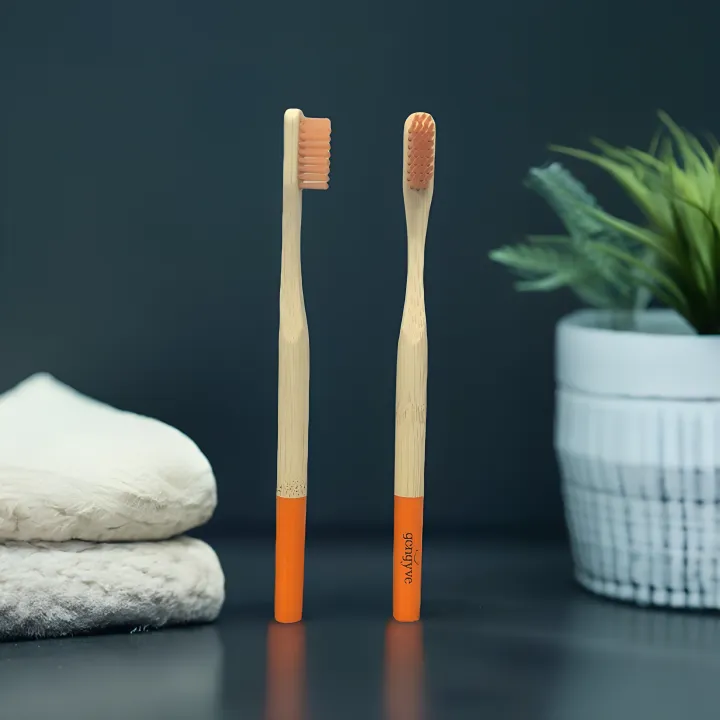
Manual brushes cost far less upfront, often under a dollar apiece in multipacks, with no charging and no proprietary replacement parts. The Gengyve Bamboo Toothbrush, for comparison, sells for $4.97 on sale (regularly $9.97), with a biodegradable bamboo handle and medium-soft bristles built to last about three months.
Comfort, Portability, and Accessibility
Sonic brushes can help people with limited hand dexterity, since the device does the moving. But the vibration and noise can overstimulate some users, including certain adults with sensory sensitivities. Manual brushes stay quiet, lightweight, and simple, which some people genuinely prefer.
What Are Sonic and Manual Toothbrushes?
Sonic Toothbrushes
A sonic toothbrush uses high-frequency bristle vibration, generally in the audible frequency range, to deliver mechanical cleaning. That's different from a true ultrasonic device, which operates above the audible range, and different again from oscillating-rotating electric brushes that spin rather than vibrate.

To use one correctly:
- Position the brush head at the gumline
- Guide it tooth by tooth without aggressive scrubbing
- Let it run the full timer cycle
- Cover front, back, and chewing surfaces methodically
Common variations include:
- Rechargeable versus battery models
- Soft-bristle heads and pressure sensors
- Multiple cleaning modes
- App-connected feedback, which can be more marketing gloss than measurable benefit
Sonic brushes tend to suit people who brush inconsistently, press too hard, wear braces, or have reduced hand mobility. Individual recommendations should still come from a dentist.
Manual Toothbrushes
A manual toothbrush's effectiveness rests entirely on soft bristles, a proper angle, gentle pressure, and systematic coverage. There's no motor compensating for a sloppy technique.
Correct technique, per ADA guidance:
- Hold the brush at roughly a 45-degree angle against the gumline
- Use short, gentle back-and-forth strokes, not aggressive horizontal scrubbing
- Clean every surface: outer, inner, and chewing
- Tilt the brush vertically for strokes behind the front teeth
Useful variations include extra-soft bristles, compact heads for smaller mouths, angled necks, and designs built for braces.
For a low-impact, sustainable option, the Gengyve Bamboo Toothbrush uses BPA-free, medium-soft bristles on a biodegradable handle. A travel-friendly 2-piece version is priced at $9.97.
Manual brushes suit anyone with reliable technique who wants affordability, portability, and quiet operation.
Shared Oral-Care Requirements
Regardless of which brush you choose, pair it with:
- Daily interdental cleaning, such as floss
- Fluoride toothpaste, when appropriate for your needs
- Brush or brush-head replacement every three to four months
- Routine dental exams and professional cleanings
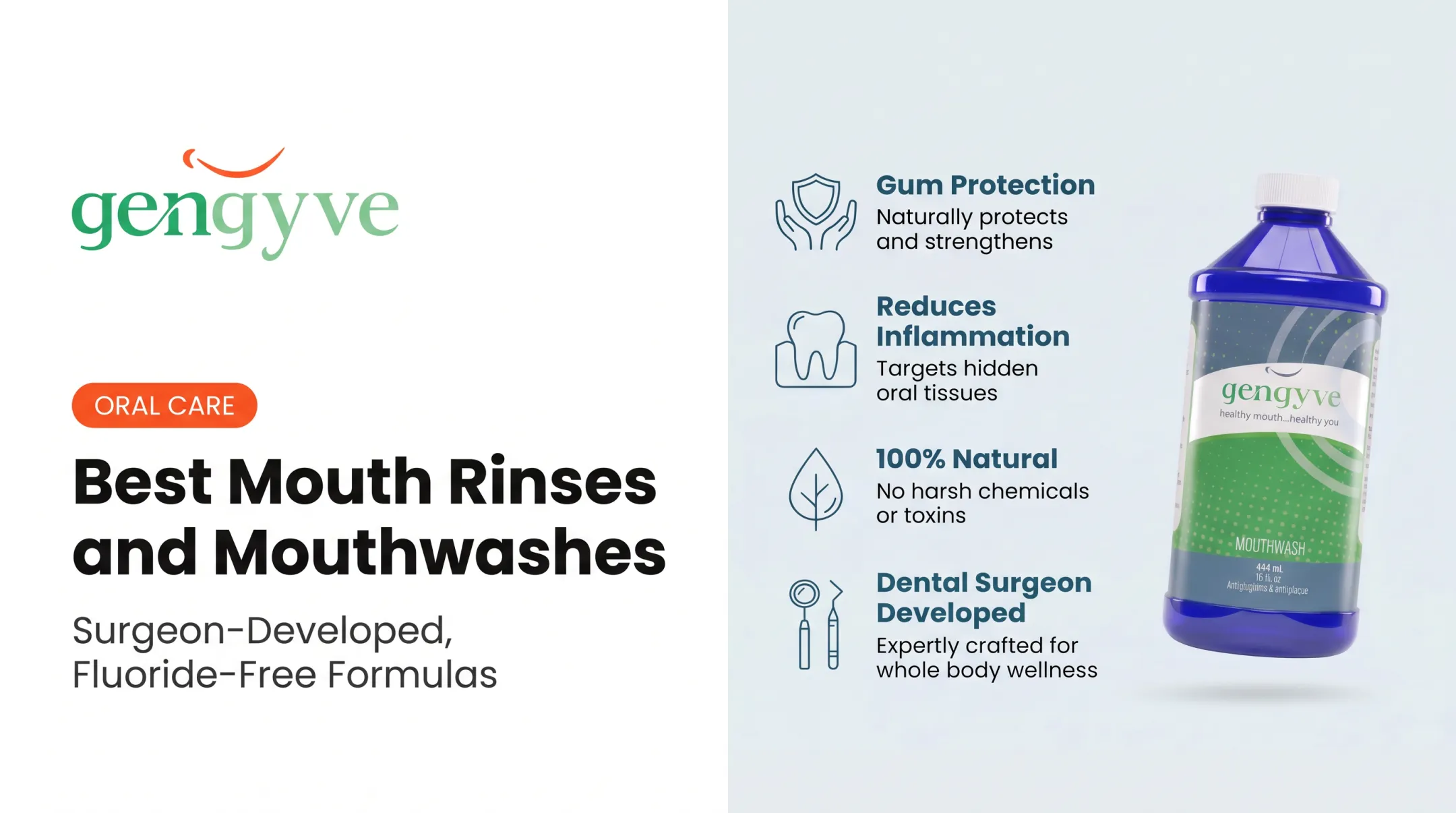
Some readers also add a rinse to their routine. Gengyve's alcohol-free, chlorhexidine-free mouthwash, developed by US dental surgeons, can serve as an optional addition to brushing and flossing. It isn't a replacement for either.
Sonic vs Manual Toothbrushes: What Is Better?
There's no universal winner here. Research and professional guidance point to context-dependent answers, not a single best brush for everyone.
Consider a sonic toothbrush if you:
- Struggle to brush for the full two minutes
- Tend to apply too much pressure
- Have limited hand dexterity or grip strength
- Want built-in timing and pressure feedback
- Have been advised by a dentist to use a powered brush
Consider a manual toothbrush if you:
- Already use solid, gentle technique consistently
- Want the lowest possible ongoing cost
- Travel often and want something simple and chargeless
- Dislike vibration or buzzing sensations
- Prefer a no-frills routine
If you deal with gum sensitivity, recession, braces, implants, or crowns, soft bristles and gentle pressure matter more than brush type. Ask your dentist or hygienist for guidance specific to your situation.
Here's the honest truth: the better toothbrush is the one you'll actually use correctly, twice a day, every day, alongside flossing. A $120 sonic brush left in a drawer does nothing. A $2 manual brush used properly, morning and night, works.
Quick selection checklist:
- Do I brush for the full two minutes consistently?
- Do I tend to press too hard?
- Do I have any dexterity limitations?
- Does vibration bother me?
- What's my budget for ongoing replacement costs?
- Has my dentist recommended a specific type?
Real-World Evidence and Practical Examples
A six-month clinical trial comparing sonic and manual brushing in adults with gingivitis offers a useful, if narrow, snapshot. Researchers randomized 32 adults aged 18-40, all of whom received professional cleaning beforehand and brushing instruction throughout.
After six months, the sonic group showed lower plaque index scores (11.34% versus 28.00% for manual) and a better gingival index score. Bleeding on probing, though, showed no meaningful difference between groups. The sample was small, young, and professionally coached, so it doesn't necessarily reflect results for an unsupervised adult brushing on their own.

Outside a supervised trial, the better brush often depends on how you actually brush:
- Rushed, heavy pressure: Someone who finishes in 45 seconds and presses hard enough to feel it in their gums. A sonic brush's timer and pressure sensor address that habit, though you still need to angle the brush at the gumline.
- Gentle technique, vibration-sensitive: Someone with consistent, light technique who dislikes vibration and wants to spend less. A soft-bristled manual brush, like the Gengyve Bamboo Toothbrush, is a reasonable choice here.
If you notice persistent bleeding, pain, loose teeth, gum recession, swelling, or heavy buildup, see a dentist. Switching toothbrush types alone won't resolve those issues.
Conclusion
Neither brush wins outright. Sonic toothbrushes offer habit-supporting features such as timers, pressure sensors, and app feedback that can genuinely improve outcomes for people who struggle with timing or pressure. Manual toothbrushes remain fully effective when paired with correct technique and daily consistency.
What matters most:
- Technique and pressure control
- Brushing duration and comfort
- Accessibility and total cost
- Your dentist's input
The toothbrush is one piece of a larger routine that includes flossing, a suitable rinse, and regular professional care.
Frequently Asked Questions
Is Sonicare better than a manual toothbrush?
Sonicare and similar sonic brushes can make thorough brushing easier through powered movement and built-in guidance. A manual toothbrush, used with correct technique and consistency, can work just as well. Ask your dentist which fits your specific situation.
What is the #1 recommended toothbrush?
There's no single best toothbrush for every person. Choose a soft-bristled brush you'll use correctly and consistently, and prioritize your dentist's individual recommendation over any general ranking.
Are sonic toothbrushes better for gums?
A sonic brush with gentle pressure control can help some users avoid over-brushing, but excessive force or poor technique can still irritate gums regardless of brush type. See a dentist if you notice ongoing bleeding or recession.
Can a manual toothbrush clean as well as a sonic toothbrush?
Yes, when used with proper technique, adequate time, and full surface coverage. Sonic brushes may offer more consistency for people who struggle with those habits, but they aren't a requirement for effective cleaning.
How often should you replace a sonic or manual toothbrush?
Replace a manual toothbrush or sonic brush head about every three to four months, or sooner if bristles look frayed, matted, or splayed. Worn bristles clean less effectively regardless of brush type.
Do sonic toothbrushes remove tartar?
No. Brushing disrupts soft plaque before it hardens, but once plaque calcifies into tartar, neither sonic nor manual brushes can remove it safely. Only a professional cleaning can take care of hardened deposits.