Maybe you just had a tooth pulled and aren't sure if salt water is enough. Maybe you're standing in the oral care aisle wondering if you need fluoride, an antibacterial formula, or something gentler. This guide compares both by ingredients, intended use, short-term comfort, long-term suitability, and safety, so you can match the right rinse to the right problem instead of guessing.
Key Takeaways
- Salt water rinses are cheap, simple, and best for short-term soothing after certain dental procedures
- Mouthwash benefits depend entirely on active ingredients, not the word "mouthwash" itself
- Neither replaces brushing, flossing, or a dental visit for a real problem
- Ask a dentist before relying on either option after surgery, with gum disease, or with ongoing symptoms
Salt Water Rinse vs. Mouthwash: Quick Comparison
The fastest way to tell these apart is to look at what each one is actually built to do.


| Factor | Salt Water Rinse | Mouthwash |
|---|---|---|
| Purpose | Short-term support for irritated tissue, mouth sores, or post-procedure care | Varies by formula: cavity prevention, plaque control, breath freshening, or comfort |
| Ingredients | Salt dissolved in warm water, concentration guided by a dentist | Fluoride, antibacterial agents, alcohol, soothing agents, or combinations (check the label) |
| Best suited for | Temporary swelling, mild irritation, or recovery after a procedure | Targeted goals like cavity risk, gum support, or breath control |
| Daily use | Not ideal as a long-term daily habit for everyone | Some formulas are made for daily use, others are short-term or prescription-only |
| Limitations | No fluoride, not a full hygiene routine | Can't remove hardened tartar, fix cavities, or treat the cause of symptoms |
The core difference: salt water is one simple formula used situationally, while "mouthwash" covers dozens of formulations that each do something different depending on their active ingredients.
What Is a Salt Water Rinse?
A salt water rinse is exactly what it sounds like: salt dissolved in warm water, swished gently around the mouth. Following AAOMS's guidelines, the standard recipe is about half a teaspoon of salt in a glass of warm water, used several times a day.
The potential short-term benefits are modest but real:
- Soothes irritated soft tissue
- Helps rinse away food debris around a healing area
- Supports a cleaner environment near a minor sore
That's support, not treatment. Salt water doesn't cure anything on its own.
When Dentists Recommend It
Dentists and oral surgeons typically suggest saline rinsing after an extraction or oral procedure, for a minor mouth sore, or for temporary gum irritation.
A 2014 clinical trial of 120 patients found that rinsing with warm saline, whether six times or twice daily, reduced painful dry-socket complications compared to not rinsing at all. The two frequencies performed similarly, which suggests consistency matters more than exact timing.

To use it safely:
- Dissolve the salt fully in warm water
- Let the water cool to a comfortable warmth
- Swish gently for 30 seconds, then spit (don't swallow)
- Mix a fresh batch each time
Always follow your surgeon's specific post-op instructions over a generic recipe.
Warning Signs That Need a Dentist
Stop relying on home rinsing and call a dentist if you notice:
- Worsening swelling or pain that doesn't improve
- Fever
- Uncontrolled bleeding
- Pus or discharge
- A sore that won't heal after a week or two
Salt water doesn't treat infection, gum disease, or the source of tooth pain. It also contains no fluoride and doesn't replace brushing or interdental cleaning.
What Is Mouthwash?
"Mouthwash" is a catch-all term, which is part of the problem. The American Dental Association splits products into two camps: cosmetic (masks bad breath temporarily) and therapeutic (contains active ingredients meant to address a specific condition). The label matters far more than the word on the bottle.
Common categories include:
- Fluoride rinses – support cavity prevention
- Antibacterial/anti-plaque formulas – often contain cetylpyridinium chloride (CPC) or chlorhexidine
- Cosmetic breath fresheners – temporary, no therapeutic claim
- Alcohol-free products – gentler for dry mouth or sensitive tissue
- Prescription rinses – used under a dentist's direction, usually short-term
Weighing Benefits and Drawbacks
Fluoride rinses have real evidence behind them. A Cochrane review covering 37 trials and over 15,000 children found a 27% reduction in decayed, missing, or filled permanent tooth surfaces with supervised fluoride rinsing. That moderate-quality evidence applies to supervised pediatric use, not as a universal guarantee for every adult.

Antibacterial ingredients carry their own trade-offs. The ADA notes that alcohol-based formulas can dry out the mouth, while CPC and chlorhexidine may cause brown staining over time. Removing alcohol doesn't eliminate staining risk if the active ingredient itself causes it.
Choosing the Right Formula
Match the formula to your actual situation:
- High cavity risk – look for fluoride
- Bleeding gums or plaque concerns – consider an antibacterial formula like CPC
- Dry mouth or sensitive tissue – choose alcohol-free
- Dental restorations or medications – ask your dentist first
- Kids under six – avoid rinse unless a dentist directs otherwise
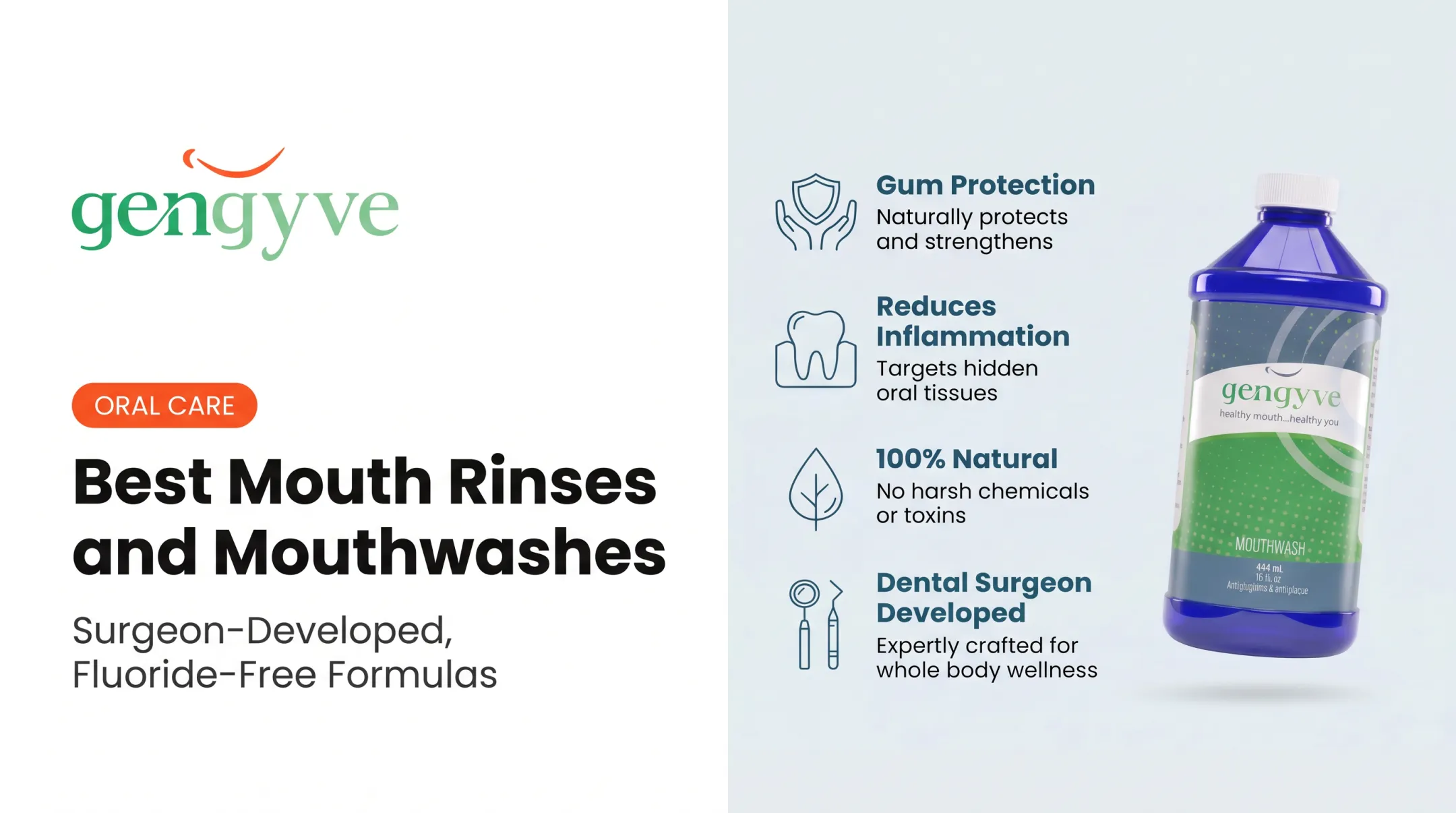
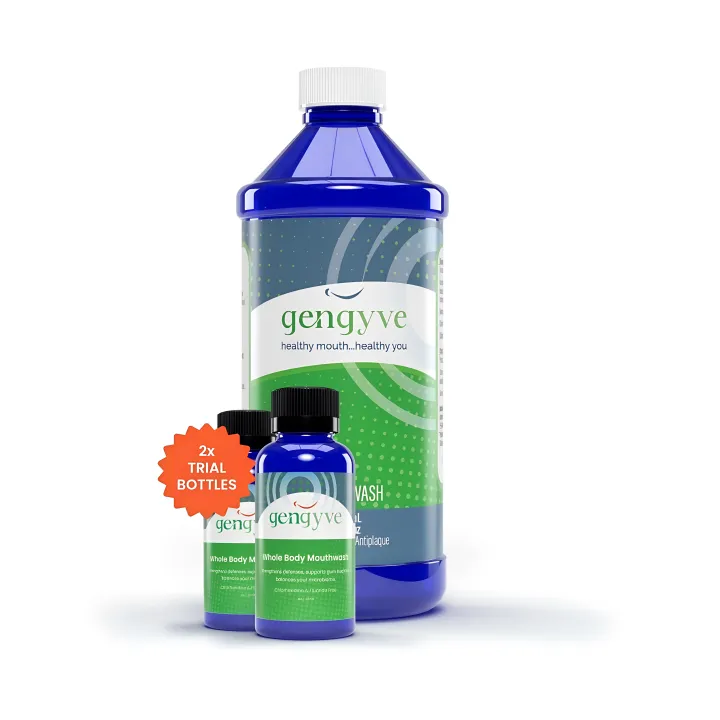
One example of that match is Gengyve, a USA-developed mouthwash formulated by a UCSF oral and maxillofacial surgeon. It combines CPC with hyaluronic acid in an alcohol-free, chlorhexidine-free rinse built for everyday use rather than short-term prescription use.
A 21-day trial comparing a similar CPC-hyaluronic acid formulation against chlorhexidine and placebo found no significant increase in staining. That single study does not prove zero long-term risk for every product, so check current labeling and talk to your dentist if you have specific concerns.
An over-the-counter rinse can complement brushing and flossing for everyday maintenance. But persistent bad breath, bleeding gums, high cavity risk, or oral surgery recovery call for a formula chosen with professional input, not a guess at the store.
Salt Water Rinse vs. Mouthwash: What's Actually Better?
There's no universal winner here. The right choice depends on what you're solving for.
Choose salt water when: you need temporary comfort for irritated tissue, or a dentist has specifically recommended it after a procedure. It's particularly relevant in the first few days after an extraction.
Choose mouthwash when: you need an ingredient-specific outcome, fluoride exposure, plaque control, or breath management, and the formula actually matches what you need.

Neither is enough when you're dealing with:
- Persistent pain or swelling
- Bleeding that doesn't stop
- Loose teeth
- Recurring sores
- Suspected infection
Those symptoms need a dental evaluation, not more rinsing.
A Quick Decision Checklist
Before reaching for either option, consider:
- What symptom am I actually trying to address?
- Did I recently have a dental procedure?
- Am I at high risk for cavities or gum disease?
- Do I have dry mouth or sensitive tissue?
- What are the active ingredients, and do they match my need?
- Has a dentist given me specific instructions to follow?
A 2021 clinical study directly compared saline rinsing against a 0.12% chlorhexidine rinse after periodontal surgery, confirming that researchers do study this exact question rather than treating it as settled common knowledge. Results from one surgical population shouldn't be stretched to cover every reader's situation, though, which is exactly why a dentist's guidance still matters more than a blog post.
If you're managing gum sensitivity or looking for a gentle daily rinse to recommend post-procedure, review Gengyve's product information for a CPC and hyaluronic acid option that stays gentle for daily use. Product selection should stay individualized, and anyone with an active condition should check with a dental professional first.
Conclusion
Salt water rinses are short-term supportive care: simple, inexpensive, and useful in specific situations like recovery or minor irritation. Mouthwash is a category, not a single product, and its value depends entirely on which active ingredients it contains and whether they match your goal.
Pick whichever matches your immediate need, but keep brushing and cleaning between your teeth either way. Follow post-procedure instructions from your surgeon, and call a dentist if symptoms persist or get worse instead of rinsing through them.
Frequently Asked Questions
What is a good mouthwash?
It depends on your goal: fluoride for cavity risk, an antibacterial formula like CPC for plaque control, or alcohol-free for sensitivity. Check the ingredient list and ask a dentist if you have gum disease, dry mouth, or recent surgery.
Is mouthwash necessary?
Not for everyone, and it can't replace brushing, flossing, or dental visits. The right formula can offer additional support for a specific need, but it's a supplement, not a substitute.
Can I use salt water and mouthwash together?
Generally yes, but space them apart rather than rinsing back-to-back. Check with your dentist if you're recovering from a procedure, since they may want you to prioritize one over the other at certain times of day.
How often should I rinse with salt water after a tooth extraction?
Follow your oral surgeon's specific instructions, since this varies by case. Research suggests both frequent and moderate rinsing schedules can help prevent complications like dry socket when started at the right time.
Is alcohol-free mouthwash better than one with alcohol?
It depends on your mouth. Alcohol-free formulas tend to be gentler for dry mouth or sensitive tissue, but alcohol-free doesn't automatically mean side-effect-free. Some active ingredients can still cause staining or other effects.