
Ordinary over-the-counter mouthwash purchased for routine hygiene, breath freshening, or general oral care is generally not HSA or FSA eligible. The IRS treats it as a personal-care item, similar to a toothbrush, not a medical expense.
There's an exception, though. Mouthwash prescribed by a dentist or physician to treat a diagnosed dental or medical condition may qualify, depending on your documentation and your account administrator's requirements.
This guide walks through how eligibility actually works, when a prescription or Letter of Medical Necessity changes the equation, what records to keep, and how other oral-care products stack up.
Key Takeaways
- Routine OTC mouthwash is typically classified as personal care, not a qualified medical expense
- Prescription mouthwash may qualify when it treats a specific diagnosed condition
- Administrators often require a prescription, receipt, or treatment documentation before approving a claim
- Natural ingredients, alcohol-free formulas, or dental-surgeon development don't automatically unlock eligibility
Is Mouthwash HSA or FSA Eligible?
The short answer: routine mouthwash purchased for daily hygiene is generally not eligible under either account type. This holds true whether you're buying antiseptic rinse, alcohol-free formulas, sensitivity rinses, whitening mouthwash, or standard breath-freshening products. If you're using it the way most people do, day to day, for general upkeep, the IRS doesn't consider it a medical expense.
The IRS Rule Behind the Answer
IRS Publication 502 defines qualified medical expenses as costs for the "diagnosis, cure, mitigation, treatment, or prevention of disease." Expenses tied to general health, rather than a specific illness or condition, don't count. The same publication specifically flags toothbrushes and toothpaste as nondeductible personal expenses, and mouthwash falls into that same bucket.
Health Benefits Don't Equal Tax Eligibility
A mouthwash can genuinely support gum health or kill bad breath and still fail the eligibility test. The question isn't whether the product does something good for your mouth. It's whether it's primarily there to treat a diagnosed illness or condition.
This distinction matters because:
- A product's marketing claims don't change its tax classification
- "Clinically tested" or "surgeon-developed" labeling has no bearing on IRS rules
- Plan administrators and merchant-card systems sometimes apply different substantiation rules
Before you count on reimbursement, check directly with your HSA or FSA administrator. Classification and card controls can vary by plan.
When Can Mouthwash Qualify for HSA or FSA Funds?
Mouthwash becomes HSA or FSA eligible when a dentist or physician prescribes it to treat a diagnosed condition, not just when someone recommends it. Even then, approval isn't automatic. It depends on IRS rules and how your specific administrator reviews the claim.
Situations Worth Discussing With Your Dentist
Certain circumstances are worth raising with your provider, though none of them guarantee automatic eligibility:
- Periodontal disease requiring scaling, root planing, or a prescribed rinse
- An active oral infection needing targeted treatment
- Post-surgical care following extractions, implants, or oral surgery
- Oral complications tied to cancer treatment, such as mucositis
Having gum disease, for example, doesn't by itself make an OTC rinse eligible. Your clinician's documentation needs to connect the specific product to treatment of that diagnosed condition, not just mention it in passing.
Prescription vs. Letter of Medical Necessity
These two documents aren't interchangeable:
- A prescription is a formal order from a licensed provider for a specific medication or treatment
- A Letter of Medical Necessity (LMN) explains the diagnosis, the recommended treatment, and how long it's needed, often required even when no formal prescription exists
Some administrators ask for one, some ask for both, and requirements shift from plan to plan. HealthEquity, for instance, requires an LMN to include the patient's name, diagnosis, treatment plan, and a signature from a licensed practitioner. Most LMNs only remain valid for about a year.
Quick decision path:
- Buying for routine use? Generally not eligible.
- Prescribed for a diagnosed condition? May qualify.
- Not sure? Get documentation first and confirm with your plan administrator before you buy.
How to Pay for and Document Eligible Mouthwash
The safest approach is to get the paperwork first, confirm eligibility second, then purchase:
- Ask your dentist or physician for written documentation connecting the product to your specific condition
- Confirm with your HSA/FSA administrator whether a prescription, LMN, or both will be required
- Determine the payment method, since some plans allow direct card payment while others require you to pay out of pocket and submit for reimbursement

Records to Keep
Hold onto these items in case your administrator or the IRS ever asks for substantiation:
- Itemized receipt showing the product name, purchase date, and amount paid
- Prescription or clinician documentation tied to the purchase
- Any written approval from your plan administrator
- A copy of the diagnosis or treatment plan referenced in your LMN
An HSA or FSA card transaction going through at checkout is not proof the purchase was eligible. Administrators can request substantiation after the fact, and claims can still be denied later.
If that happens, review the denial reason, submit any additional records requested, and don't treat a nonqualified purchase as tax-free just because the card worked.
Using HSA funds for a nonqualified expense carries real consequences. The IRS Form 8889 instructions note that nonqualified distributions generally must be included as income and are typically subject to an additional 20% tax.
FSA plans handle corrections differently, often through repayment or offset against future claims, so check your plan's specific process.
What Other Oral-Care Products Are HSA or FSA Eligible?
Dental services tend to qualify far more consistently than retail hygiene products. Here's how common items typically shake out:
| Item or Service | Typical Eligibility |
|---|---|
| Dental exams and cleanings | Generally eligible |
| X-rays and fillings | Generally eligible |
| Periodontal treatment, oral surgery | Generally eligible |
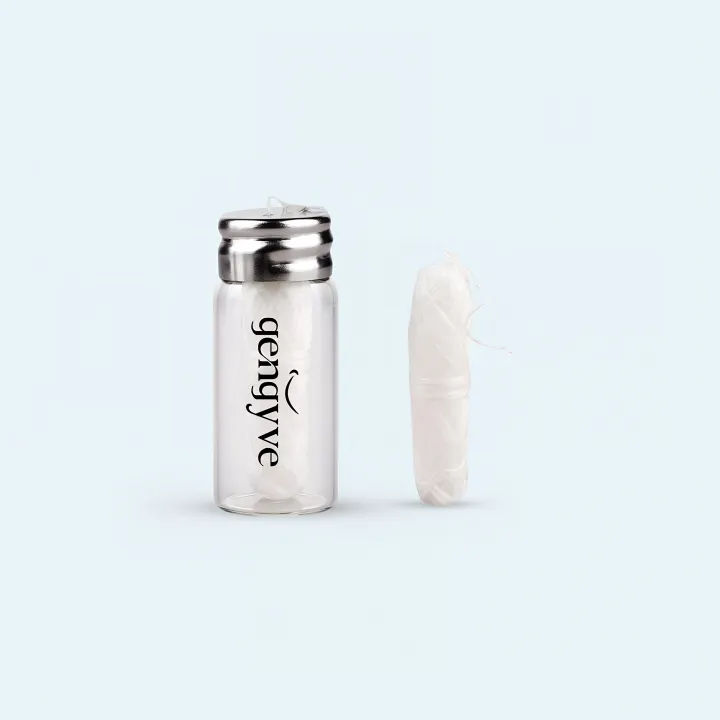
| Manual toothbrushes, toothpaste, floss | Generally not eligible |
| Cosmetic teeth whitening | Not eligible |
| Routine mouthwash | Generally not eligible |
| Electric toothbrushes | Usually not eligible; some administrators allow an LMN exception |
| Water flossers | May require an LMN, depending on the retailer and plan |
Dual-purpose items like electric toothbrushes and water flossers sit in a gray zone. Eligibility typically hinges on a diagnosed condition and supporting documentation, not the product category itself.
A dentist's recommendation during a covered procedure does not automatically make the product itself eligible. The service and the retail item are evaluated separately.
Can Gengyve Mouthwash Be Purchased With HSA or FSA Funds?
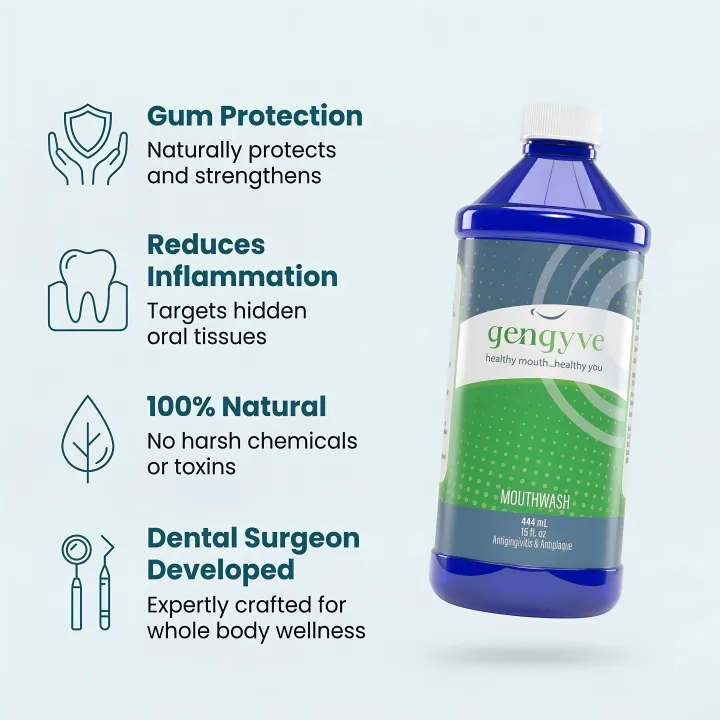
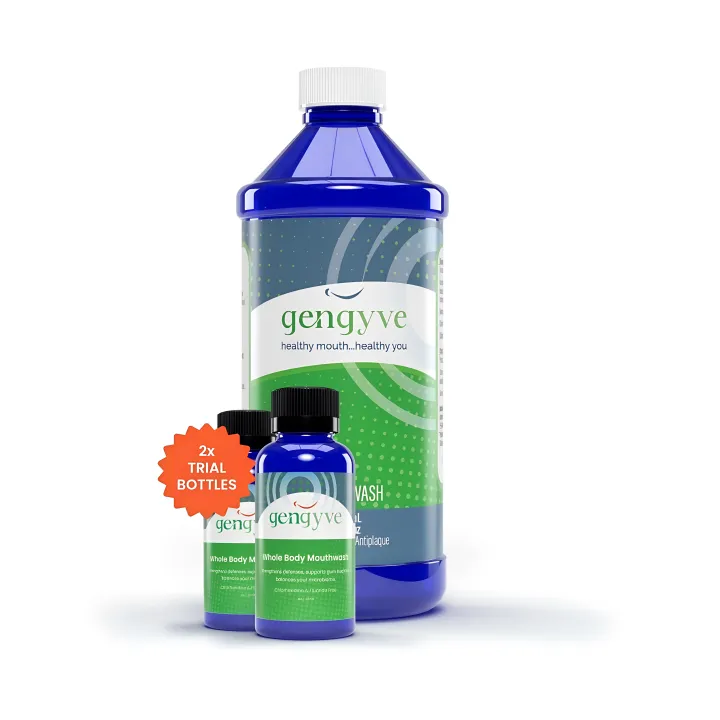
Gengyve's mouthwash is developed by a practicing oral and maxillofacial surgeon, formulated without alcohol or chlorhexidine, and built around CPC and hyaluronic acid for daily gum support.
None of those formulation details, on their own, make a purchase HSA or FSA eligible. Eligibility still comes down to intended use and documentation, not ingredients.
Buying it for everyday home care falls under routine personal use, the same as any other mouthwash on the market. Buying it for a diagnosed condition under a clinician's direction is a different story, and Gengyve's checkout process supports that path.
Customers who don't already have a Letter of Medical Necessity can select the "Flex | Pay with HSA/FSA" option at checkout and complete a brief telehealth consultation to establish medical necessity. Once that's confirmed:
- Flex emails an itemized receipt and LMN within 24–48 hours
- You'll need a new LMN once per calendar year, consistent with IRS guidance
- Subscription customers pay with a regular card first, then submit Flex documentation to their administrator for reimbursement (Shopify doesn't support third-party processing on recurring orders)

This doesn't replace brushing, flossing, professional dental visits, or prescribed treatment. It's one piece of a broader routine. Review the product details and confirm with your plan administrator before assuming any purchase qualifies.
Conclusion
Regular OTC mouthwash is generally not HSA or FSA eligible. Prescribed, therapeutic mouthwash may qualify when it's backed by the right documentation.
Before you buy, run through this checklist:
- Is the product prescribed or tied to a documented diagnosis?
- Do you have the receipt, prescription, or LMN saved?
- Has your plan administrator confirmed the claim before you use tax-advantaged funds?
IRS rules and administrator policies shift over time, so verify current requirements and talk to a qualified tax professional if you have questions specific to your situation.
Frequently Asked Questions
Which mouthwash is HSA-eligible?
Routine OTC mouthwash is generally not eligible. A mouthwash prescribed to treat a diagnosed condition may qualify, provided you have the required documentation on file.
Can I buy toothpaste and mouthwash with my HSA card?
Ordinary toothpaste and mouthwash are typically treated as personal-care items, not qualified expenses. Keep in mind that a card accepting the charge doesn't guarantee the purchase is actually eligible.
What hygiene items are HSA-eligible?
General personal-care products like floss and standard toothpaste usually don't qualify. Dental procedures and products prescribed for a specific diagnosed condition are far more likely to be eligible.
Can I buy an electric toothbrush with my HSA?
Electric toothbrushes are generally considered general-use items and not automatically eligible. Some administrators will reconsider that with medical documentation tied to a diagnosed dental condition.
Can I use my HSA or FSA for prescription mouthwash?
Yes, mouthwash prescribed to treat a diagnosed condition may qualify, subject to current IRS rules and your administrator's documentation requirements.
Do I need a Letter of Medical Necessity for mouthwash?
It depends on your plan and whether you already have a formal prescription. Ask your dentist, physician, and HSA/FSA administrator which specific documentation they require before you purchase.