Many people worry that daily rinsing causes burning, dry mouth, staining, or disrupts the bacteria that naturally live in your mouth. Those concerns are valid for certain products. But mouthwash was never meant to replace brushing or cleaning between your teeth. It's a supplement, not a substitute.
This article breaks down the real benefits, the genuine drawbacks, ingredient differences that matter, and when a daily rinse makes sense for your mouth.
Key Takeaways
- Daily mouthwash use works best when it matches a specific goal, not just habit.
- Alcohol-free formulas tend to suit people with dry mouth or irritation better.
- Rinsing can't replace brushing, interdental cleaning, or dental checkups.
- Prescription rinses like chlorhexidine need a dentist's instructions, not guesswork.
- Persistent bad breath, bleeding, pain, or dryness deserve an evaluation, not just a cover-up.
Is Daily Mouthwash Bad for You?
There's no universal yes-or-no answer here. For most adults, daily use is safe when the product fits their needs and they follow the label. Problems tend to show up when someone uses the wrong rinse, swallows it, or overuses an ingredient their mouth doesn't tolerate well.


Cosmetic vs. Therapeutic Rinses
Not all mouthwash does the same job. According to ADA's resources, rinses generally fall into two categories:
- Cosmetic rinses temporarily freshen breath and leave a pleasant taste but offer no lasting chemical or biological benefit.
- Therapeutic rinses contain active ingredients aimed at specific concerns, such as cavities, gingivitis, dry mouth, or post-surgical healing.
A rinse can reach tissue a toothbrush bristle sometimes misses, and it can reduce certain bacteria. What it can't do is physically scrape away plaque, break up tartar, or dig out trapped food debris. That job still belongs to brushing and floss.
What the Research Says About the Oral Microbiome
Your mouth hosts a complex bacterial community, and strong antimicrobial rinses can shift that balance. Short clinical trials have measured changes in bacterial diversity after regular chlorhexidine use, along with shifts in saliva chemistry.
These studies are small and typically run for just a week or two, so they don't prove that ordinary, appropriate mouthwash use causes lasting microbiome harm. Researchers are still mapping the long-term picture.
Bottom line: daily use makes the most sense when it supports a defined goal, fits into a full oral care routine, and doesn't leave you with burning, dryness, or discomfort.
What Are the Benefits and Possible Drawbacks?
The formula on the label determines both what you'll gain and what you risk from everyday use.
Fluoride, CPC, and Essential Oils: What Each Ingredient Does
Fluoride rinses support remineralization and have the strongest research behind them. A Cochrane review of 35 trials and over 15,000 participants found fluoride mouthrinse reduced tooth decay by roughly a quarter in children and adolescents.
That's meaningful evidence, but it's drawn mostly from supervised school programs, not adult-specific data. Fluoride mouthwash also doesn't replace fluoride toothpaste.
Other common ingredients include:
- Cetylpyridinium chloride (CPC): An antimicrobial shown in trials to reduce plaque and gingival inflammation markers, though results vary between studies.
- Essential oils: Linked to lower plaque and gingivitis scores over six-month trials, though much of that research was industry-funded.
- Chlorhexidine: A prescription-strength antimicrobial that reduces plaque significantly but comes with real tradeoffs (more on that below).
None of these reverse established tartar or treat advanced gum disease on their own.
Alcohol, Chlorhexidine, and Side Effects to Watch
Alcohol-containing rinses can cause a burning sensation for some users, and that's a comfort issue, not necessarily a safety one. Evidence on whether alcohol itself worsens chronic dry mouth is mixed. One trial found higher-alcohol rinses caused more oral pain; another found no real difference in salivary flow over 12 weeks. If you already deal with dryness, alcohol-free is the safer bet.
Chlorhexidine needs separate attention. Per DailyMed's prescribing information, six-month clinical testing found visible tooth staining in 56% of chlorhexidine users versus 35% of controls, with heavy staining in 15% versus just 1%. Altered taste and irritation are also common. That is why chlorhexidine stays a short-term, prescriber-directed product, not an everyday rinse.

Gengyve's CPC and hyaluronic-acid formula is designed for that everyday-use window. In a 21-day trial of 75 dental students, the CPC-hyaluronic acid group showed less plaque buildup than placebo and did not show the staining increase seen in the chlorhexidine and placebo groups. Hyaluronic acid adds a hydrating layer, which helps the formula avoid the sting and dryness tied to alcohol-based rinses.
How to Use Mouthwash Safely Every Day
A rinse works best when it stays in its lane: a supplement to brushing and interdental cleaning, not a shortcut around them.
Timing: Before or After Brushing?
Fluoride toothpaste leaves a concentrated layer on your teeth. Rinsing immediately after brushing can wash that away before it finishes working. One ADA consumer advisor recommends spitting out toothpaste without rinsing with water right after, since mouthwash typically contains less fluoride than toothpaste anyway. Still, follow the specific product's label. Gengyve's directions, for example, call for brushing and flossing first, then swishing for 30-60 seconds and skipping a water rinse afterward.

Safety Rules for Kids and Adults
- Measure the labeled dose — don't eyeball it or double up for a "stronger" effect.
- Swish for the stated time, usually 30 to 60 seconds, then spit.
- Never swallow — even fluoride-free formulas aren't meant for ingestion.
- Skip it for kids under six unless a dentist directs otherwise; young children can swallow a surprising amount without meaning to.
- Stick to label frequency — rinsing more often doesn't add benefit and just increases exposure to active ingredients.
If you notice burning, sores, swelling, worsening dryness, taste changes, or staining, stop and reassess. Those symptoms are your mouth telling you the product isn't the right match.
Who May Need Extra Caution?
Some people should check with a dentist or physician before adding any rinse to their daily routine:
- Dry mouth, recurrent ulcers, or sensitive tissue: alcohol and strong flavoring agents can aggravate these conditions.
- Severe gum disease, implants, braces, or recent oral surgery: healing tissue reacts differently than healthy tissue.
- Chemotherapy or head-and-neck radiation patients: oncology teams typically prescribe bland, alcohol-free rinses rather than standard antimicrobial products.
- Pregnant individuals: alcohol-free formulas are generally preferred, and chlorhexidine labeling notes it should only be used when clearly needed.
- Anyone with swallowing difficulties: standard swish-and-spit rinses aren't designed for this group without clinical guidance.
Dr. Derick Flint, a dental surgeon in Austin, Texas, says he recommends Gengyve to patients after wisdom-tooth extractions and dental implants, specifically because it's gentle enough for healing tissue. That said, anyone in a specialized care situation should follow their provider's specific protocol rather than choosing a product on their own.
How to Choose a Mouthwash for Everyday Use
Start with your goal, then work backward through the label.
A quick label-reading framework:
- What's the active ingredient, and does it match your goal (fluoride for decay, CPC for plaque, alcohol-free for comfort)?
- Is alcohol listed, and does that matter for your mouth?
- Are there age restrictions or warnings?
- Does it carry professional recognition, such as the ADA Seal?
A "natural" label alone doesn't prove effectiveness. Check the actual ingredients and how your mouth responds.
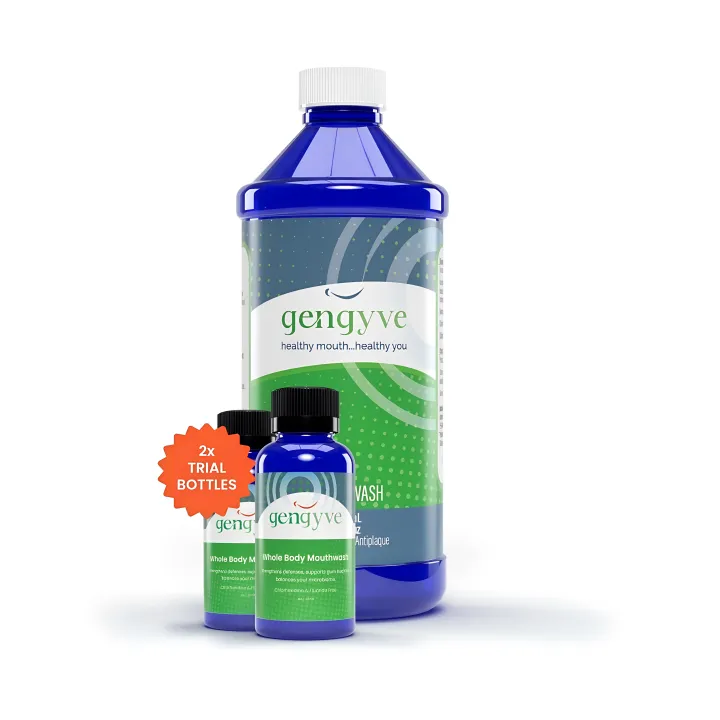
For adults wanting a gentle daily option, Gengyve's CPC and hyaluronic-acid formula was developed by a dental surgeon, with no fluoride, chlorhexidine, or alcohol in the mix. It's built for everyday comfort rather than short-term treatment, unlike chlorhexidine products designed for limited use.

It is not a substitute for professional care and will not fix gum disease on its own. It is a reasonable pick for people who want daily hydration and freshness without the sting.
Frequently Asked Questions
How often should you use mouthwash?
Frequency depends on the formula and your goal. Most over-the-counter rinses are labeled for twice-daily use, while prescription rinses follow a dentist's specific schedule. Don't exceed label directions without professional guidance.
Do dentists recommend using mouthwash daily?
Dentists may recommend daily rinsing for specific needs like dry mouth or gum maintenance, but many people maintain healthy mouths without one. Brushing and cleaning between teeth remain the foundation either way.
What mouthwash is safe to use every day?
An alcohol-free, properly labeled formula is often the most comfortable choice for daily use, especially for people prone to dryness or irritation. Individual needs still vary, so check with your dentist if you're unsure.
Which is better, mouthwash or salt water?
Salt water can offer temporary soothing after certain dental procedures when a dentist recommends it. Mouthwash offers ingredient-specific benefits depending on the formula. Neither replaces professional dental care.
Can mouthwash replace brushing and flossing?
No. Mouthwash can't physically remove plaque the way brushing and interdental cleaning do. It works as an add-on, not a substitute.
Can daily mouthwash cause dry mouth or irritation?
Some formulas, particularly those with alcohol or strong flavoring agents, can worsen dryness or irritation in people who are already prone to it. Switch formulas gradually, and see a dentist if symptoms persist.