
Introduction
Scroll through any natural oral-care aisle and you'll spot it: neem mouthwash, promising fresher breath and healthier gums without alcohol or harsh chemicals. The appeal makes sense. Many people want a plant-based rinse that feels gentle rather than something that burns on contact.
But "natural" doesn't automatically mean clinically proven or risk-free.
If you're dealing with plaque buildup, persistent bad breath, or tender or bleeding gums, you want real answers, not marketing language. This article looks at what human research says about neem mouthwash, where the evidence is thin, and how to use any rinse safely.
A mouthwash, neem or otherwise, works alongside brushing and flossing. It never replaces them.
Key Takeaways
- Antibacterial and anti-inflammatory compounds in neem help, but finished results depend on formulation and concentration
- Small human trials show short-term plaque and gum gains, not superiority over established rinses
- Neem mouthwash cannot reverse cavities or cure advanced gum disease on its own
- Always check product labels, avoid swallowing the rinse, and stop use if irritation develops
- Persistent bleeding, pain, or swelling needs a dentist, not more rinsing
What Is Neem Mouthwash? (Brief Context)
Neem mouthwash is an oral rinse made with extracts from Azadirachta indica, the neem tree. It's meant to be swished and spit out, not swallowed.
That distinction matters more than most labels suggest. Neem shows up in multiple forms:
- Chewing twigs (a traditional practice in parts of South Asia)
- Leaf extracts or oils
- Toothpaste formulations
- Dietary supplements
- Mouthwash preparations
These aren't interchangeable. A dose studied in a leaf-extract trial doesn't tell you anything reliable about a mouthwash's concentration, safety, or effectiveness.
Where a Rinse Fits in Your Routine
Mouthwash can reach spots your toothbrush skips. What it can't do is physically scrub off hardened tartar or replace mechanical cleaning. Think of it as a supplement to brushing and flossing, not a substitute.
What to Check on the Label
Before buying any neem product, look for:
- Active and inactive ingredients
- Neem extract type and concentration (if disclosed)
- Alcohol and fluoride content
- Directions, warnings, and expiration date
- Manufacturer transparency
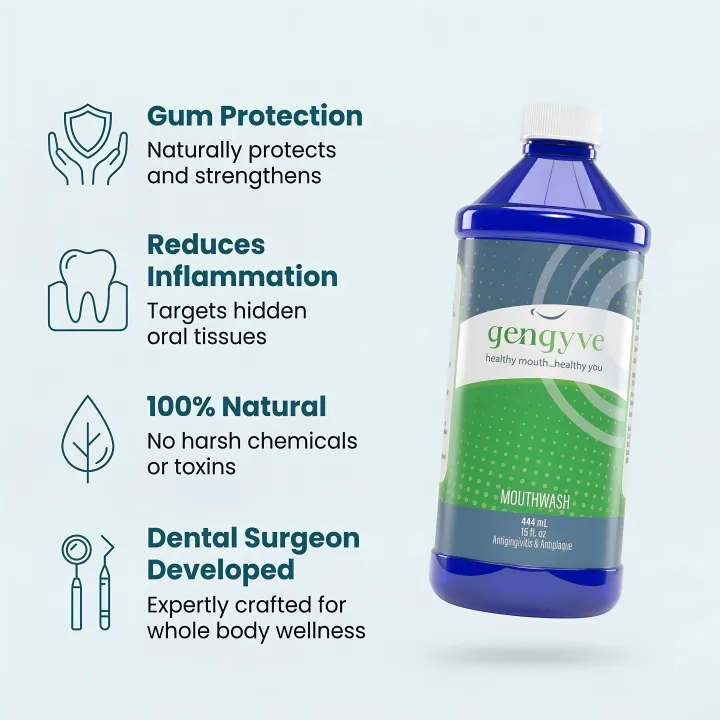
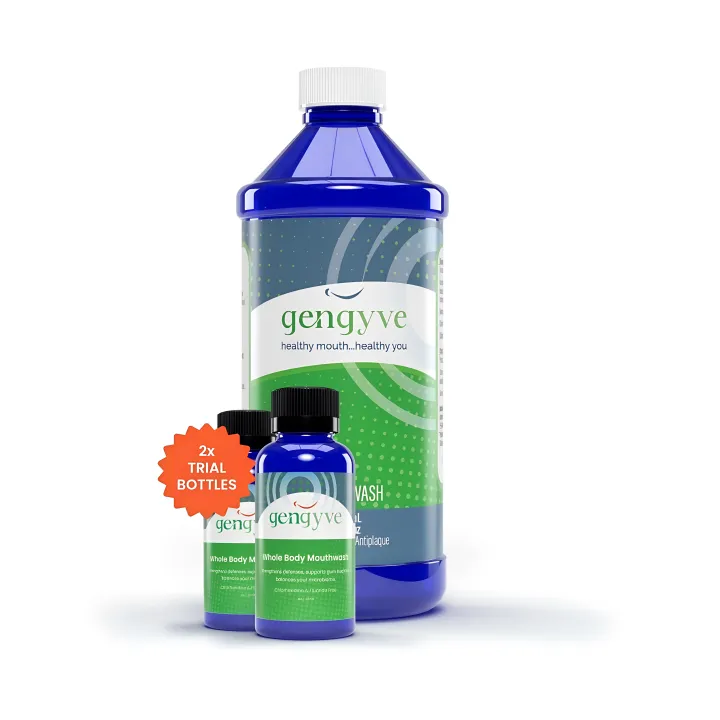
This label-reading habit matters regardless of brand. Take Gengyve USA, a Nevada-based, dental-surgeon-developed oral-care line built around cetylpyridinium chloride, hyaluronic acid, pullulan, polyvinylpyrrolidone, and castor oil. Its current formula doesn't list neem as an ingredient.
That's not a knock on the product. It's a reminder that "natural mouthwash" covers a wide range of formulations. Verifying what's in the bottle beats assuming a category-wide benefit applies.
Key Advantages of Neem Mouthwash
The research on neem is promising but preliminary. Treat these as supportive findings, not guarantees of disease treatment.
Antibacterial Support for Plaque and Breath
Laboratory studies suggest neem compounds inhibit certain oral bacteria linked to plaque formation. But lab results don't always translate into real-world mouthwash performance.
A 45-person, 21-day double-blind trial tested a 0.19% neem rinse against 0.2% chlorhexidine and a saline placebo. Both the neem and chlorhexidine groups showed significant plaque improvement from baseline; saline alone did not. The difference between neem and chlorhexidine wasn't statistically significant, according to a 2011 clinical trial in the Journal of Indian Society of Periodontology.
A separate 40-person crossover study comparing a 2% neem preparation with chlorhexidine found plaque scores declined in both groups, again without a significant between-group difference.

Neither trial measured bacterial counts or breath outcomes directly. Plaque-index improvement is not the same as proven bad-breath elimination. Feeling fresher after a rinse still matters, but gum disease, dry mouth, or untreated decay still need a dentist's diagnosis.
Gum Comfort and Inflammation Support
Neem's anti-inflammatory activity may help with mild redness or tenderness. It won't heal periodontitis or a serious infection.
In the 21-day trial above, gingival index and bleeding scores improved at both the 7-day and 21-day marks, with no statistically significant edge over chlorhexidine. The crossover study showed a similar pattern, though statistical significance versus the comparator rinse was inconsistent across its two treatment phases.
Watch for these warning signs that rinsing alone won't fix:
- Persistent bleeding during brushing
- Pus or visible infection
- Loose or shifting teeth
- Facial swelling or fever
- Gum recession
According to NIDCR's gum disease guide, these symptoms point toward periodontal disease, which requires professional evaluation and may call for scaling, root planing, or surgical treatment, options no mouthwash provides.
A Gentler Rinsing Experience for Some Users
Burning sensations and oral dryness send plenty of people searching for alcohol-free rinses. That's a legitimate reason to switch products. That does not prove every neem formulation is automatically gentler.
Compare labels directly. Check for:
- Alcohol content
- Essential oils and acids
- Flavoring agents and preservatives
- Sweeteners that might trigger sensitivity
Neither verified neem trial measured burning, taste tolerance, or allergic reactions as outcomes, so "neem equals gentle" isn't something the research actually confirms.
Alcohol can dry out oral tissue, which matters for anyone already dealing with sensitivity.
Gengyve's alcohol-free and chlorhexidine-free formula is one example of a dental-surgeon-developed rinse built around daily comfort. Comfort and clinical effectiveness remain separate questions worth evaluating on their own.
What Happens When Neem Mouthwash Is Misused or Relied On Alone
Rinsing feels productive. It's easy to swish, spit, and assume you've handled your oral hygiene for the day. But mouthwash alone leaves plaque, tartar, and interdental debris poorly managed.
Avoid these common mistakes:
- Swallowing neem mouthwash intentionally or regularly
- Using concentrated neem oil or homemade extracts without professional guidance
- Treating rinsing as a substitute for brushing or flossing
- Ignoring symptoms that persist or worsen
One documented case involved an adult who accidentally ingested concentrated neem oil and developed vomiting, seizures, and toxic encephalopathy. The patient needed hospital treatment before recovering.
That was oil poisoning, not typical mouthwash exposure, but it underscores why concentrated neem preparations deserve caution.
Who should be extra careful:
- Pregnant or breastfeeding individuals (excluded from the available trials)
- Children (the trials only enrolled adults)
- Anyone on medications or managing chronic conditions
None of the human neem-rinse studies establish safety for these groups. When in doubt, ask a dentist or physician before starting daily use.
Limits apply to treatment claims too. No mouthwash, neem-based or otherwise, reverses a cavity once it has formed. Early mineral loss might respond to fluoride and better hygiene, but a true cavity needs a dentist's repair.

How to Get the Most Value from Neem Mouthwash
Mouthwash works best as one piece of a complete routine, not a standalone fix.
Build your foundation first:
- Brush twice daily with fluoride toothpaste for two full minutes
- Clean between teeth daily, using floss or another method you'll actually stick with
- Limit frequent sugar exposure throughout the day
- Keep up with recommended dental checkups
Then use mouthwash correctly:
- Read the label before your first use
- Measure the directed amount, don't eyeball it
- Swish for the stated duration, then spit, never swallow
- Stop immediately if burning, swelling, or rash develops
Track results realistically. Fresher breath and less gum tenderness are good signs. Persistent bleeding or pain is not something to rinse your way out of. It's a reason to call your dentist.
When choosing a product, prioritize transparency over tradition. A manufacturer that discloses its full ingredient list, concentration, and testing basis gives you more to evaluate than a brand leaning solely on "natural" positioning.
Gengyve USA, for instance, publishes its complete formula and usage directions along with a clinical research overview linking to the original studies behind its ingredients. That labeling is worth reviewing as one model of transparency, regardless of which rinse you ultimately choose.

Conclusion
Neem mouthwash shows real, if early, promise for plaque control and gum comfort when properly formulated and used consistently. The short-term trials are encouraging. They're not proof of superiority over established options, and they're nowhere near evidence that neem reverses cavities or cures periodontal disease.
Use rinsing as backup, not your main defense. Fluoride brushing, interdental cleaning, and regular dental visits remain the backbone of oral health. If symptoms persist or worsen, see a dentist rather than reaching for a stronger rinse.
Frequently Asked Questions
Can neem reverse tooth decay?
No. Neem mouthwash cannot rebuild a cavity or reverse established tooth decay. Once decay has formed, you need a dentist for repair, alongside consistent brushing and flossing to prevent further damage.
What happens if you take neem every day?
Daily use of a properly labeled mouthwash meant to be spit out is different from swallowing neem or taking neem supplements. If you're pregnant, breastfeeding, caring for a child, or managing a medical condition, check with a healthcare professional first.
Is neem safe for teeth?
A properly formulated neem oral-care product may suit many people when used as directed. Avoid swallowing it, watch for irritation, and talk to your dentist if you notice persistent bleeding, pain, or discomfort.