That approach skips the one question that actually matters: what are you trying to fix? A rinse built for post-surgical comfort won't necessarily help with daily gum maintenance, and a product marketed for fresh breath may do nothing for plaque.
This guide compares five antimicrobial mouthwash options sold in the US, looking at ingredients, intended use, clinical evidence, tolerability, and when a dentist's input matters more than a label.
Key Takeaways
- "Antimicrobial" is broad: antibacterial rinses target bacteria; antiseptics cover a wider range of microbes
- Mouthwash supports gum health and plaque control but never replaces brushing, flossing, and regular dental visits
- Compare active ingredients, alcohol content, evidence, side effects, and OTC vs. prescription status before choosing
- Gengyve offers a natural, alcohol-free, chlorhexidine-free formula for gentler daily gum support; verify current labeling before use
Overview of Antimicrobial Mouthwash in the US Market
An antimicrobial mouthwash is any oral rinse formulated to reduce, inhibit, or inactivate microorganisms in the mouth. That's the umbrella term. Antibacterial products narrow the focus to bacteria, according to Colgate's guidance. Antiseptic rinses may act on a broader set of organisms, depending on the active ingredient.


Common Formulation Types
Shoppers typically encounter five ingredient categories:
- Cetylpyridinium chloride (CPC) - an antibacterial compound used in daily plaque and gingivitis rinses
- Essential oils - eucalyptol, menthol, thymol, and methyl salicylate, often paired with alcohol
- Chlorhexidine gluconate - a prescription-strength antiseptic for clinician-directed gum treatment
- Hydrogen peroxide - used short-term for wound cleansing, not daily plaque control
- Natural or supportive actives, such as hyaluronic acid, added for hydration or comfort rather than antimicrobial action alone
Cosmetic vs. Therapeutic, OTC vs. Prescription
Not every mouthwash makes a health claim:
- Cosmetic rinses mask bad breath temporarily without altering the bacteria causing it
- Therapeutic rinses carry FDA-recognized indications for plaque or gingivitis
Most therapeutic options are available over the counter. Chlorhexidine is the notable exception and requires a prescription in the US.
The five products below aren't ranked for every patient. They represent different formulation approaches, and the right one depends on your specific goal, whether that's daily maintenance, post-op comfort, or managing diagnosed gum disease under a dentist's care.

Top Antimicrobial Mouthwashes in the US
Selection here favors ingredient transparency, a clearly stated intended use, available evidence, and tolerability, not shelf placement or marketing volume.
| Product | Active Ingredient | Alcohol | Best For |
|---|---|---|---|
| Gengyve | CPC 0.05% + hyaluronic acid | No | Daily gum support, post-procedure comfort |
| Crest Pro-Health Multi-Protection | CPC 0.07% | No | Plaque and gingivitis control |
| Listerine Cool Mint Intense | Essential oils | Yes (21.6%) | Breath freshening, plaque control |
| Colgate Peroxyl | Hydrogen peroxide 1.5% | No | Temporary wound cleansing |
| Prescription CHX (Peridex) | Chlorhexidine 0.12% | No | Clinician-managed gingivitis |
Gengyve Mouthwash
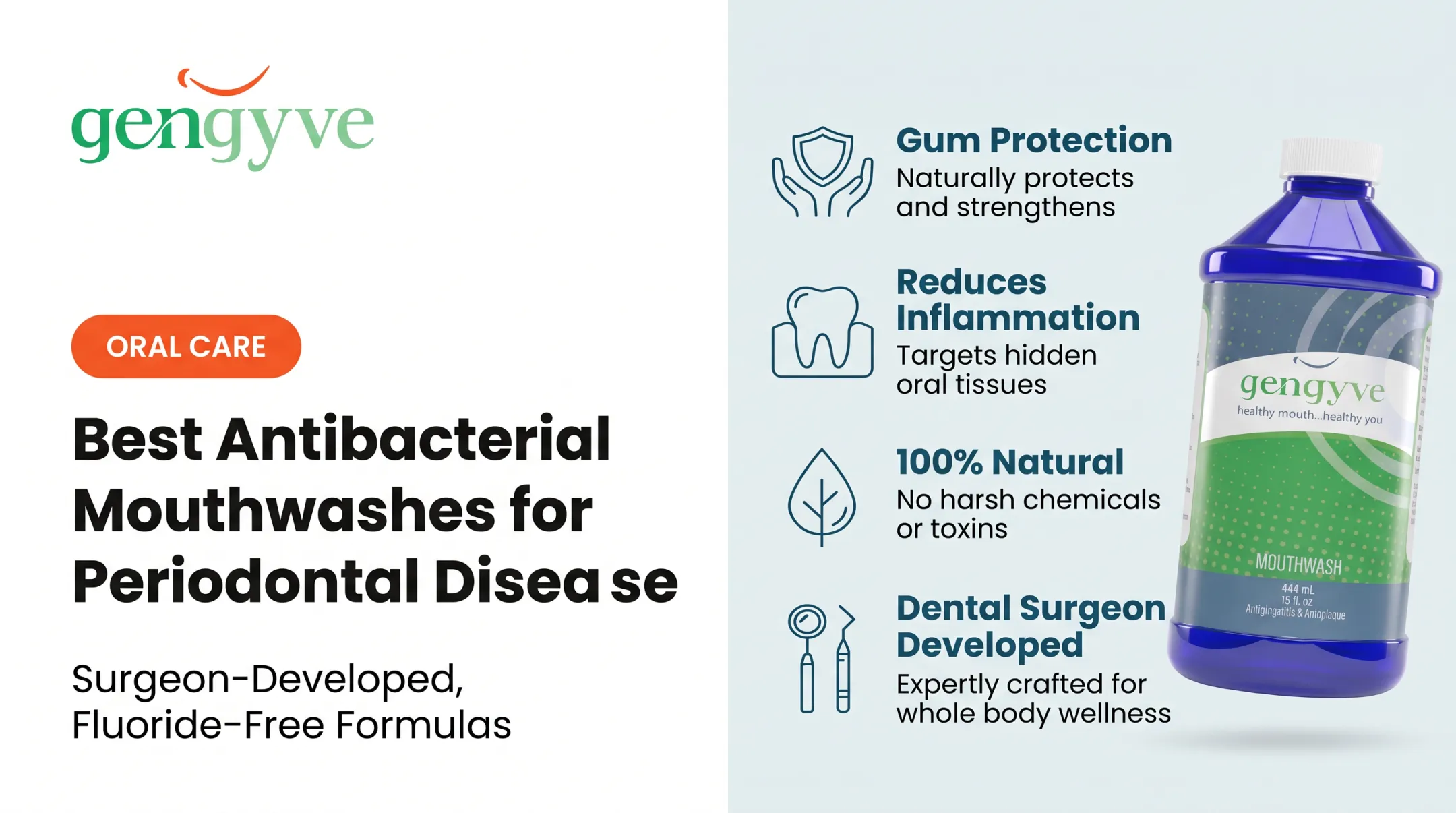
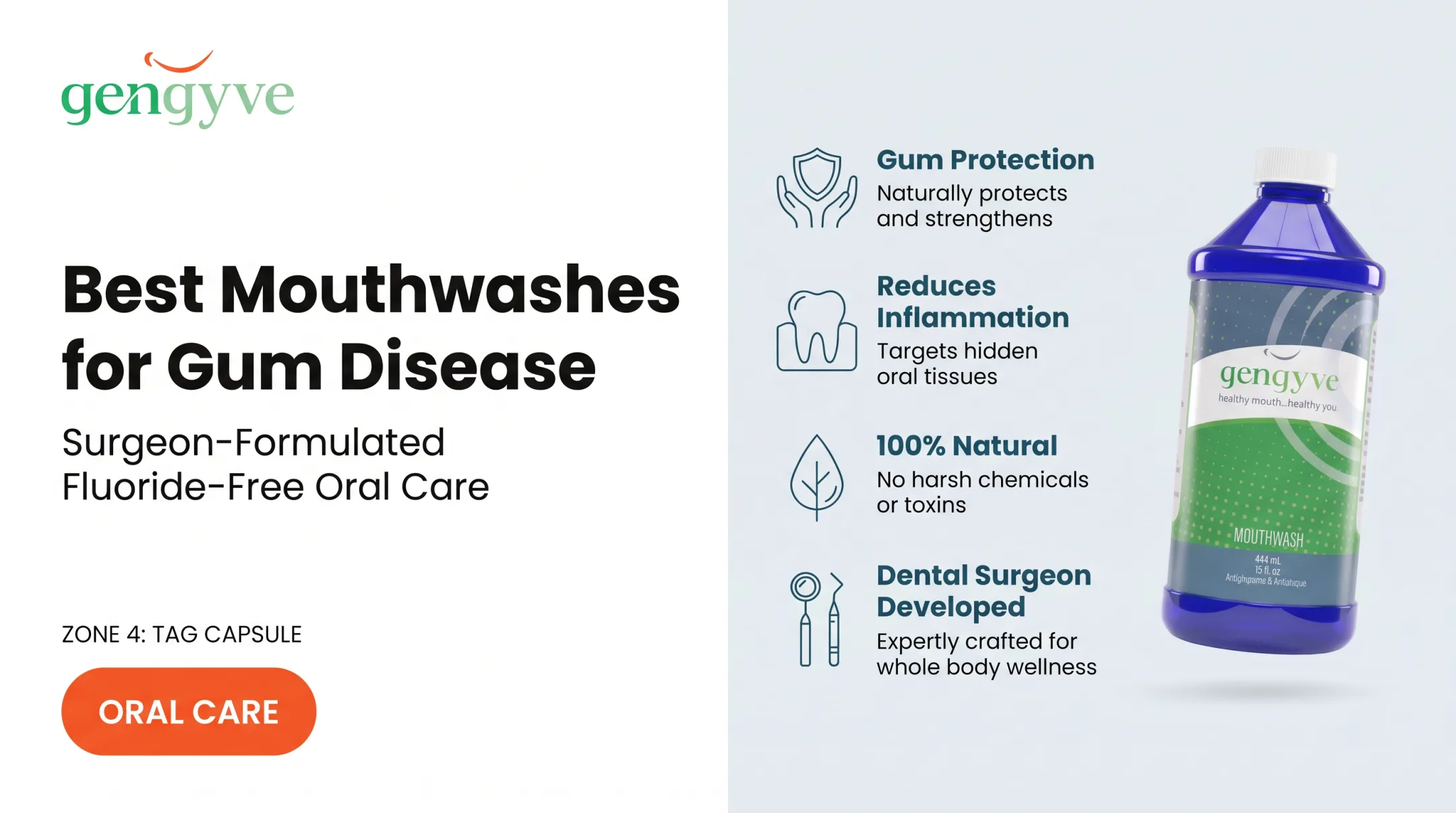
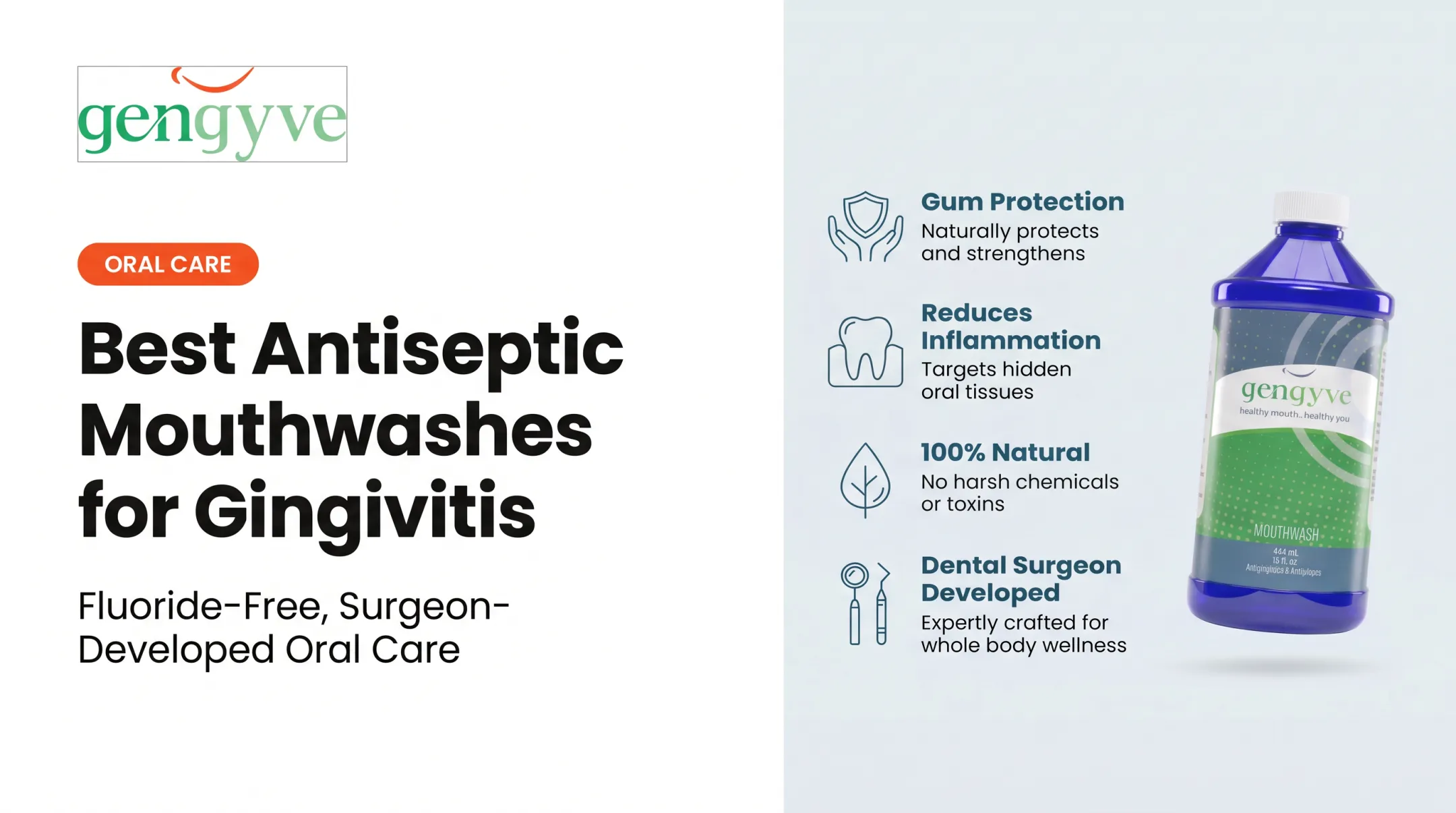
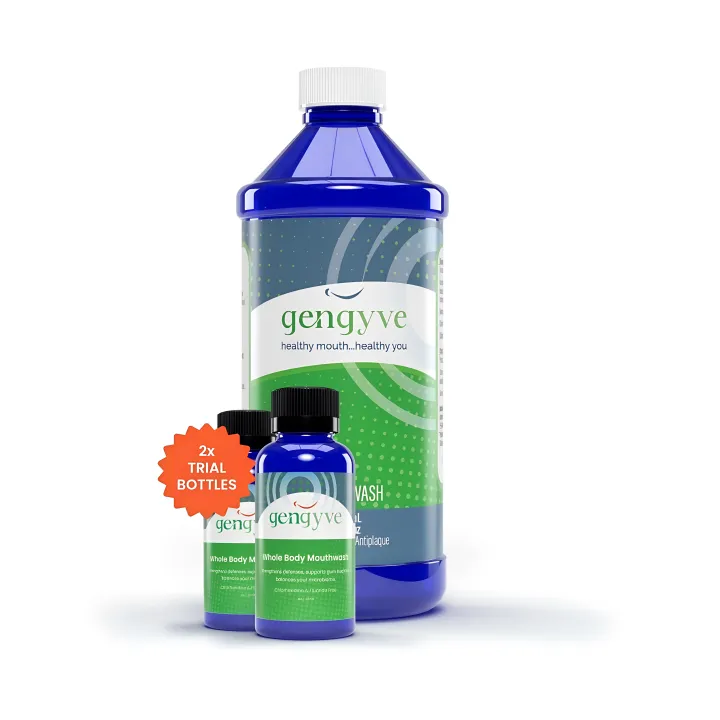
Gengyve was developed through research led by a practicing oral and maxillofacial surgeon, with the stated goal of building a rinse the formulator could confidently hand to his own patients. The 15-fl-oz bottle is made in the US and positioned as a natural, everyday alternative to harsher prescription options.
Active ingredients and formulation:
- Cetylpyridinium chloride (CPC) 0.05% as the antimicrobial agent
- Hyaluronic acid for gum hydration and comfort
- Pullulan, polyvinylpyrrolidone (PVP), and castor oil support a film-forming layer that stays on gum tissue after rinsing
- Alcohol-free, chlorhexidine-free, fluoride-free
Intended use: Daily oral care, reducing gum inflammation, post-procedure recovery (including after wisdom-tooth extractions and implants), and long-term gum-disease maintenance.
Evidence and user considerations: The company reports a benefit timeline: fresher breath within the first week, reduced inflammation by weeks three to four, and gum resilience by weeks six to eight.
It's labeled safe for long-term daily use, with no documented tooth staining, taste alteration, or burning. One dental surgeon in Austin, Texas, reportedly recommends it to his own patients following extractions.
A bottle runs $16.99 to $19.99 one-time or $14.66 to $17.99 on subscription, delivering roughly 30 rinses.

Crest Pro-Health Multi-Protection Clean Mint
This is the CPC-based variant most commonly found at US drugstores, with a manufacturer label revised for 2026.
- Active ingredient: CPC 0.07%, labeled for antiplaque and antigingivitis use
- Best-fit user: Someone wanting a familiar, widely available rinse for routine plaque and gingivitis support plus breath freshening
- Limitations: CPC rinses can cause temporary aftertaste or brown staining on teeth, tongue, or restorations in some users
- Directions: 20 mL twice daily for 30 seconds, ages 6 and up; supervise children 6 to 11
Listerine Cool Mint Intense Antiseptic
Listerine's essential-oil formula combines four actives: eucalyptol (0.092%), menthol (0.042%), methyl salicylate (0.060%), and thymol (0.064%), suspended in a 21.6% alcohol base.
- Scope: Labeled for plaque and gingivitis reduction, not just breath masking, and carries ADA acceptance for these claims
- Best-fit user: Readers who want a strong, familiar antiseptic rinse and don't mind the alcohol burn
- Precautions: Alcohol can dry oral tissue; essential-oil rinses have been linked to burning or taste disturbance in clinical trials
- Directions: Ages 12 and up; not for swallowing
Colgate Peroxyl
Peroxyl is a hydrogen peroxide rinse (1.5%) marketed for temporary cleansing, not daily plaque prevention.
- Purpose: Cleansing canker sores, minor oral wounds, or irritation from dentures, braces, or minor procedures
- Best-fit user: Someone with short-term oral irritation, not someone managing ongoing gingivitis
- Limitations: Use is capped at no more than 7 days unless a dentist says otherwise. Don't swallow; directions cover ages 2 and up, with supervision under 12
Prescription Chlorhexidine Rinse
Chlorhexidine gluconate 0.12% (brand examples include Peridex and PerioGard) is Rx only in the US and typically prescribed as part of a professional periodontal program rather than handed out as a general-purpose rinse.
- Approved use: Treating gingivitis with visible redness, swelling, and bleeding on probing, between dental visits
- Evidence: Cochrane's 2017 review of 51 studies found a large reduction in plaque but only a small, clinically unimportant improvement in gingivitis among people with mild baseline inflammation
- Limitations: Staining of teeth and tongue is common with extended use, along with taste alteration and, rarely, allergic reactions
- Age note: Safety and effectiveness have not been established in patients under 18
How We Chose the Best Antimicrobial Mouthwashes
"Best" isn't a fixed label. It shifts based on the problem you're solving, how long you'll use the product, and what your mouth can tolerate. Picking a rinse because it's a familiar brand, burns intensely, or says "antiseptic" on the front isn't a strategy.
Criteria we weighed:
- Active ingredients and evidence - verified label concentrations, FDA monograph status, and peer-reviewed research supporting each specific claim, not just brand reputation
- Use-case fit - whether the product addresses daily gum maintenance, gingivitis, breath control, cavity prevention, post-surgical healing, or prescription-only treatment
- Tolerability - alcohol content, burning, dryness, staining risk, taste changes, and age restrictions
- Transparency - clear directions, frequency, and whether the product is built for short-term or indefinite use
The ADA's guidance frames mouthrinse as a potential addition to oral care, not a substitute for brushing, flossing, or professional treatment. That distinction guided every comparison in this article.
See a dentist, don't just keep rinsing, if you notice persistent bleeding, swelling, pain, pus, fever, facial swelling, sores that won't heal, or worsening bad breath. No OTC or prescription rinse treats active infection on its own.

Conclusion
There's no single best antimicrobial mouthwash for every mouth. The right pick is the one that matches a clearly defined need, discloses its active ingredients honestly, and has evidence behind its specific claim, whether that's plaque control, gingivitis support, or temporary wound cleansing.
None of these replace the fundamentals: brushing twice daily, cleaning between teeth, seeing a dentist regularly, and treating gum disease when it's diagnosed.
If you're after an alcohol-free, chlorhexidine-free option developed with dental-surgeon input for gentler daily use, review Gengyve's current formulation and directions, or ask your dentist before adding it to your routine.
Frequently Asked Questions
What are the key differences between antiseptic and antibacterial mouthwash?
Antibacterial products primarily target bacteria, while antiseptic rinses may act against a broader range of microorganisms. The actual scope always depends on the specific active ingredients listed on the label.
Do dentists recommend mouthwash?
Dentists may recommend mouthwash for specific goals like plaque control, gingivitis support, bad breath, or post-procedure care. It supplements, but never replaces, brushing, flossing, and professional treatment.
Does mouthwash actually help gums?
Evidence-based therapeutic rinses can reduce plaque, gum inflammation, and odor as part of a full oral-care routine. Persistent bleeding or swelling still needs a dental evaluation, not just a stronger rinse.
What is the best mouthwash for gums?
It depends on your goal. Alcohol-free CPC rinses suit daily gum support, while active gingivitis may need an essential-oil or short-term prescription chlorhexidine rinse. Post-op care usually calls for a gentler formula chosen with your dentist.