
Pregnancy changes how your mouth feels. Nausea alters your sense of taste. Reflux leaves an acidic film on your teeth. Gums that never bothered you before might suddenly bleed when you brush. Add label claims like "natural," "alcohol-free," or "clinically proven," and picking a rinse starts to feel like guesswork.
This guide breaks it down: why pregnancy affects your gums, how to read a mouthwash label like a professional, which ingredients actually matter, how to use a rinse correctly, and when it's time to stop self-treating and call your dentist.
Key Takeaways
- Alcohol-free rinse-and-spit products can help, but they don't replace brushing, flossing, or professional cleanings.
- Match mouthwash to your goal (cavities, gingivitis, dry mouth, or fresh breath), not a "natural" label alone.
- Never swallow mouthwash; contact Poison Control at 1-800-222-1222 after a significant accidental ingestion.
- Check the current product label every time you buy, since formulas and directions can change.
- Ask your dentist before switching to a prescription rinse or ignoring persistent bleeding.
Why Pregnancy Can Affect Your Gums and Teeth
Pregnancy Gingivitis Is More Common Than You'd Expect
Hormonal shifts during pregnancy increase blood flow to gum tissue and change how it reacts to plaque. The result is redness, swelling, and bleeding that may not have been there before.
This isn't rare. The CDC's clinician guidance notes that 60% to 75% of pregnant women experience gingivitis. That's the majority, not the exception.

Morning Sickness and Snacking Add Pressure
Several everyday pregnancy symptoms compound the problem:
- Frequent vomiting exposes enamel to stomach acid, which softens it temporarily
- Reflux does the same thing, often overnight
- Dry mouth reduces saliva's natural rinsing and buffering action
- More frequent small meals or cravings mean more sugar and acid exposure
- Fatigue makes it easy to skip brushing or flossing some nights
None of this means you're doing something wrong. It means your routine needs to work a little harder for a while.
Don't Mask Bleeding Gums, Investigate Them
Bleeding gums are a signal, not a cosmetic nuisance. Persistent bleeding can point to gingivitis or, left untreated, more advanced periodontal disease.
A mouthwash can help control plaque between brushings, but it can't remove hardened tartar or treat gum disease on its own. That still requires a professional cleaning.
What the Research Actually Says About Gums and Birth Outcomes
You may have heard gum disease is linked to preterm birth or preeclampsia. The data is more nuanced than the headlines suggest.
ACOG's committee opinion reports an association between periodontal disease and preterm birth, but states a causal relationship hasn't been established. Treating gum disease during pregnancy hasn't been shown to reduce preterm birth or low birth weight in major trials.
No mouthwash prevents preeclampsia or preterm labor. Treat your gums for your gums' sake, and keep up with routine checkups and cleanings. ACOG considers prevention, diagnosis, and treatment of oral conditions, including dental x-rays and local anesthesia, safe throughout pregnancy.
How to Choose a Pregnancy-Conscious Mouthwash
Start With the Purpose Printed on the Label
Before comparing brands, figure out what you're actually trying to fix. Mouthwashes fall into distinct categories:
- Anticavity/fluoride rinses – strengthen enamel against decay
- Antigingivitis/antiplaque rinses – target bacteria and inflammation, often with CPC
- Cosmetic breath rinses – mask odor temporarily with no therapeutic claim
- Sensitivity rinses – soothe exposed dentin or irritated tissue
- Prescription rinses – dentist-directed, for specific conditions
The ADA explains that cosmetic rinses only provide temporary breath freshening, while therapeutic rinses contain active ingredients aimed at plaque, gingivitis, or decay. Read the Drug Facts or ingredient panel to know which one you're holding.
Alcohol-Free Can Make Daily Use More Comfortable
Alcohol in mouthwash can dry out already-sensitive gum tissue and sting more if you're nauseated or dealing with reflux. An alcohol-free formula may suit pregnancy-related dry mouth or taste sensitivity better.
That said, alcohol-free doesn't mean "safe to swallow." Rinse-and-spit use is a different exposure than drinking mouthwash. Spit out every rinse, every time, and contact Poison Control or your clinician after any significant accidental ingestion.
Fluoride and "Natural" Claims Need Context
Fluoride rinses work topically, strengthening enamel on contact rather than through what you swallow. If you're at higher cavity risk during pregnancy, ask your dentist whether one fits your routine. Fluoride-free rinses, like Gengyve's CPC and hyaluronic acid formula, take a different route entirely, aiming to support gum tissue without fluoride at all.
"Natural," "herbal," and "chemical-free" aren't safety categories. Concentrated essential oils, wintergreen (methyl salicylate), peroxide, and herbal extracts can still cause harm in the wrong concentration. Don't improvise a homemade rinse without asking your dentist first.
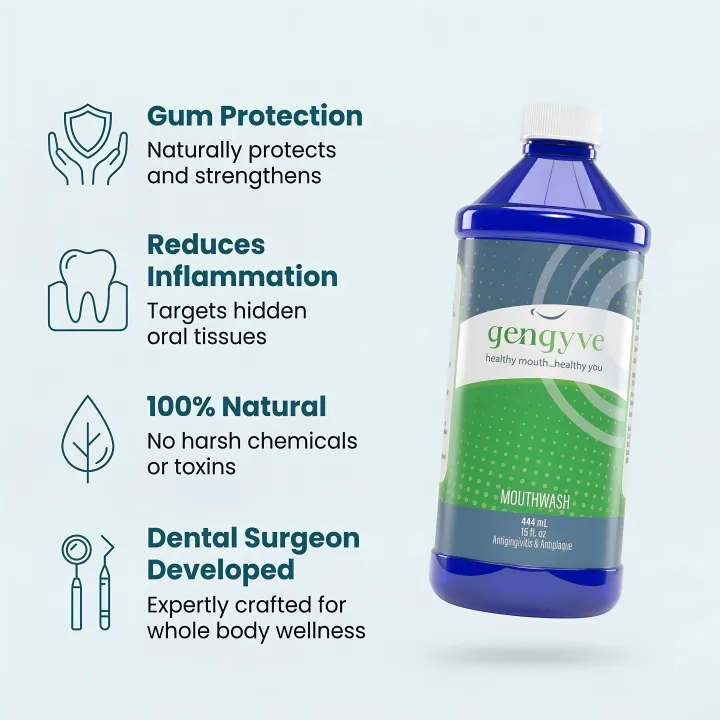
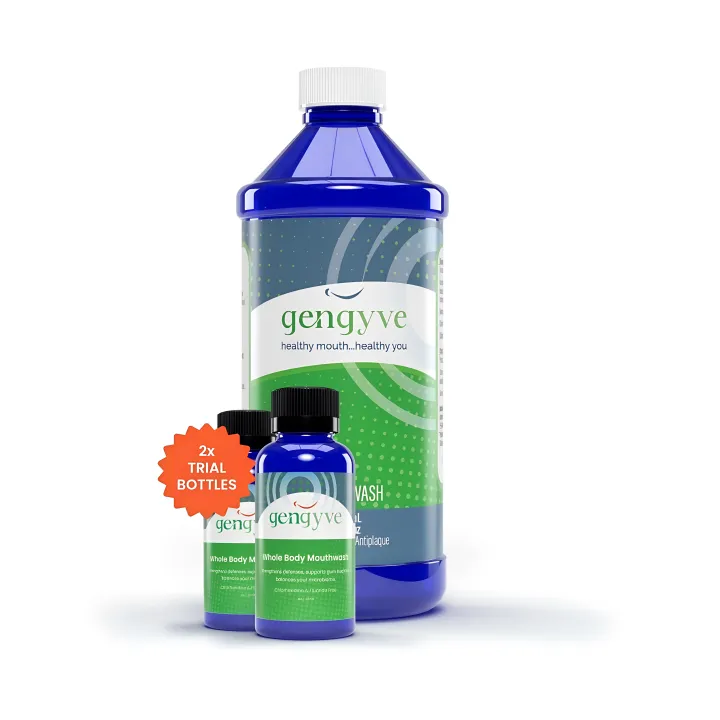
Gengyve is one alcohol-free, chlorhexidine-free option developed by a practicing oral and maxillofacial surgeon and marketed as a daily cosmetic rinse rather than a disease treatment. Check the current label, directions, and claims, and run pregnancy-specific questions by your dentist.
Ingredients and Formulations to Understand
Not every active ingredient works the same way, and not all have the same evidence behind them during pregnancy.
| Ingredient | What It Does | What to Know |
|---|---|---|
| CPC (cetylpyridinium chloride) | Antimicrobial that helps reduce plaque and gum inflammation | Generally gentler than chlorhexidine; occasional staining reported |
| Fluoride | Strengthens enamel topically, lowers cavity risk | Must be spat out; ask your dentist about your personal risk |
| Chlorhexidine | Prescription-strength plaque and gingivitis control | Label advises pregnancy use "only if clearly needed"; dentist-directed only |
| Hydrogen peroxide | Temporary oral debriding agent | Not for use beyond 7 days without dental guidance |
| Essential oils (thymol, menthol, eucalyptol) | Help control plaque and gingivitis | Concentrated or undiluted use isn't appropriate |
| Xylitol | Sweetener sometimes marketed for decay prevention | Evidence for the rinse form specifically is limited |
Chlorhexidine Isn't a Daily, Over-the-Counter Default
It's a prescription rinse, typically used short-term for specific gum conditions or after a procedure. Its label notes pregnancy use "only if clearly needed," a precaution for your dentist to weigh, not an automatic red flag.
For daily plaque control without a prescription, CPC is the more common over-the-counter choice. Some CPC formulas also layer in supporting ingredients. Gengyve, for example, pairs its CPC with hyaluronic acid and a pullulan-PVP base designed to help the rinse cling to gum tissue a bit longer.
Skip the Homemade and Concentrated Mixes
Concentrated peroxide, undiluted essential oils, swallowed aloe preparations, or homemade wintergreen rinses aren't substitutes for a formulated mouthwash. These can irritate tissue or, in the case of methyl salicylate, cause serious toxicity if ingested in quantity.
Compare the actual label in front of you, not a retailer description or an app rating, since formulas change over time.
How to Use Mouthwash Safely During Pregnancy
A simple daily routine covers the essentials:
- Brush twice daily with fluoride toothpaste for two minutes each time
- Clean between your teeth once a day with floss or another interdental tool
- Rinse at the labeled amount and frequency only; don't double up to make up for a missed brushing
- Swish for the exact time stated on the label, not longer
- Spit thoroughly and follow the product's specific instructions about rinsing with water afterward

Using mouthwash more often than directed won't make up for missed brushing. It's more likely to worsen dryness, burning, or taste changes.
After Morning Sickness, Rinse Before You Brush
Stomach acid temporarily softens enamel, so brushing right after vomiting can do more harm than good.
Swish with a teaspoon of baking soda in a cup of water to neutralize the acid first, then wait before brushing. Ask your dentist about timing if vomiting is frequent.
Small Comfort Adjustments That Help
- Choose a mild or unflavored formula if strong mint worsens nausea
- Stop any product that causes burning, stinging, or swelling
- Mention persistent dry mouth or nausea to your prenatal or dental team
- Follow your product's directions rather than another brand's routine; some rinses need a 30-minute wait before eating, others don't
Tell your dental team you're pregnant at every visit, so they can adjust positioning, timing, medications, and imaging as needed.
When to Stop Self-Treating and Contact a Dental Professional
During pregnancy, certain symptoms mean it's time to call your dentist rather than switch mouthwash:
- Gum bleeding that's heavy, persistent, or getting worse
- Noticeable swelling, pus, or a bad taste that won't go away
- Severe toothache or facial swelling
- Fever alongside dental pain or swelling
- Loose teeth or painful mouth ulcers
- Pain severe enough to interfere with eating, drinking, or sleeping
A dentist will typically identify the cause first, then recommend a targeted fix. That may mean a professional cleaning, fluoride treatment, or short-term prescription rinse, not just a different bottle off the shelf.

Seek urgent medical or dental care for facial swelling that affects breathing or swallowing, signs of rapidly spreading infection, or a substantial accidental mouthwash ingestion. Bring the bottle, or a photo of the full ingredient label, to your appointment so your dentist can assess exactly what you've been using.
No daily rinse, including Gengyve's, replaces periodontal treatment, post-operative instructions, or prenatal medical advice. It's one part of a routine, not a stand-in for professional care.
Frequently Asked Questions
What mouthwash is safe to use during pregnancy?
Most rinse-and-spit mouthwashes are fine when matched to your actual oral-health need and used exactly as labeled. Ask your dentist if you're unsure which formula fits, and never swallow the product.
What mouthwash is recommended for gingivitis during pregnancy?
Gentle, alcohol-free antimicrobial rinses can support plaque control between brushings, while more severe cases may call for a dentist-prescribed rinse. Persistent bleeding still needs an exam; mouthwash alone won't reverse gum disease.
How do you get rid of gingivitis while pregnant?
Brush twice daily with fluoride toothpaste, clean between your teeth every day, and add a recommended mouthwash if your dentist suggests one. Schedule a professional cleaning and have ongoing bleeding or swelling evaluated.
How do you prevent tooth decay during pregnancy?
Stick with fluoride toothpaste, daily interdental cleaning, and fewer frequent sugary or acidic snacks. Rinse with water after vomiting, keep up with checkups, and ask about a fluoride mouthwash if your cavity risk is higher.
Can you drink mouthwash while pregnant?
No. Mouthwash is meant to be spat out, never swallowed intentionally. Rinse-and-spit use is a different exposure than drinking it; call Poison Control at 1-800-222-1222 or your clinician after a significant accidental ingestion.
Is Listerine safe during pregnancy?
It depends on the exact formulation. Listerine's alcohol content, active ingredients, and directions vary by product, so check the current label and ask your dentist rather than assuming one answer covers every version.