
But here's what often gets lost in the advice: the order matters less than you'd think. Thorough technique, daily consistency, and following your dentist's instructions matter far more than whether floss touches your teeth before or after your toothbrush does.
Brushing, flossing, and rinsing get discussed constantly, yet the explanations are often oversimplified into rigid rules. This article breaks down how each step actually works, when the sequence can flex, and when you need to stop guessing and call a dentist instead.
Key Takeaways
- Flossing before brushing loosens plaque so your toothbrush can clean exposed areas more effectively
- Brushing with toothpaste remains the central step; mouthwash never replaces it
- Mouthwash timing depends on the product's ingredients and label, not a fixed rule
- Consistency and correct technique matter more than perfect sequencing
- Persistent bleeding, pain, or swelling needs a dentist's evaluation, not a routine adjustment
What Is the Recommended Brush, Floss and Rinse Order?
Each step in your routine has a distinct job:
- Interdental cleaning removes food particles and plaque from between teeth, where a toothbrush can't reach
- Brushing cleans the outer, inner, and chewing surfaces, plus the gumline
- Rinsing delivers whatever benefit a specific mouthwash is formulated for, across the whole mouth
The practical default sequence: floss or use an interdental cleaner, brush with toothpaste, then rinse only as your mouthwash label directs.
That said, "floss first" is a helpful habit, not a mandate. ADA's floss guidance confirms either order is acceptable as long as the cleaning itself is thorough. Brushing first is still far better than skipping interdental cleaning entirely.
The research on sequencing is genuinely mixed. A 2018 crossover trial involving 25 dental students found floss-first reduced interdental plaque more effectively than brush-first.

A separate 21-day trial of 54 university students found no significant difference in plaque removal by day 21, regardless of sequence. Small sample sizes and short study windows mean neither result should be treated as universal law.
| Step | Primary job | Flexibility |
|---|---|---|
| Interdental cleaning | Removes material between teeth | Can happen before or after brushing |
| Brushing | Mechanically cleans tooth surfaces | Fixed as the core cleaning step |
| Rinsing | Delivers formula-specific benefits | Timing follows product label |
A quick water rinse after brushing is not the same as using mouthwash. Always check whether a specific rinse is meant to be used before, after, or at a completely separate time from brushing.
Why This Order Is Used for Daily Oral Care
Interdental cleaning goes first in most recommendations because it dislodges trapped food and plaque that brushing alone can't touch. Once that debris is loosened, brushing sweeps it away along with everything else on the tooth surface.
Brushing itself is the main mechanical step in the routine. It needs to cover:
- Outer surfaces facing your cheeks
- Inner surfaces facing your tongue
- Chewing surfaces of molars and premolars
- The gumline, where plaque builds up fastest
Use a soft-bristled brush and gentle pressure. Harder scrubbing doesn't clean better; it just wears down enamel and irritates gums over time.
Rinsing comes last because it supports the routine rather than replacing the cleaning steps. Depending on the formula, a mouthwash might target bad breath, plaque, gum inflammation, or sensitivity. No single rinse addresses all of these at once, so read the label and match the product to what you need.
Brush twice daily for two minutes, and clean between teeth once a day. Skipping either step and relying on mouthwash to compensate doesn't work. Mouthwash cannot substitute for brushing, interdental cleaning, or your regular dental checkups.
How the Three-Step Routine Works
Step 1: Clean Between the Teeth
String floss, floss picks, interdental brushes, and water flossers all accomplish the same basic goal, just with different mechanics.
For string floss:
- Use about 18 inches, winding most of it around your middle fingers
- Guide it between teeth with a gentle rubbing motion, never snapping it against the gums
- Curve it into a C shape against one tooth at the gumline
- Slide it gently up and down before moving to the next tooth
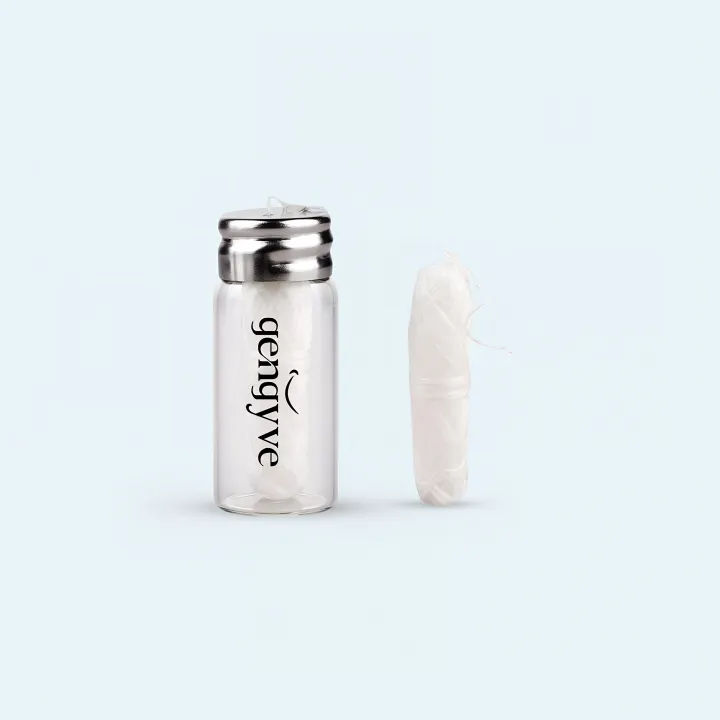
Gengyve's silk floss follows this same approach, using roughly 18 inches of floss and that same C-shaped motion against each tooth. The goal is to lift plaque and debris without tearing at the gum tissue.
If you have braces, bridges, implants, or limited dexterity, traditional floss may not work well. Interdental brushes or water flossers are often easier, but ask your dental professional which tool fits your specific situation.
Step 2: Brush Thoroughly
Cover every surface: outer, inner, chewing, and the gumline where plaque hides. Pay extra attention to back molars, which get skipped more often than any other area.
Your toothpaste choice should reflect your own needs. Fluoride toothpaste is the standard recommendation for cavity prevention, but your dentist may suggest something different based on sensitivity, enamel condition, or other factors.
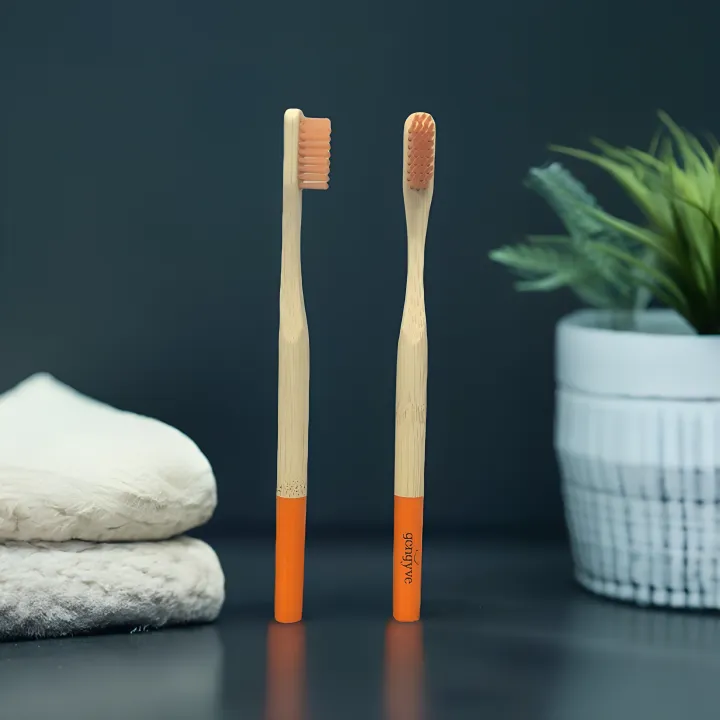
Whatever paste you use, replace your toothbrush every three to four months, or sooner if the bristles look frayed.
Step 3: Rinse Appropriately
This is where label directions matter most. Some rinses specify a contact time, dilution, or a warning against swallowing or eating right afterward. Follow those instructions exactly.
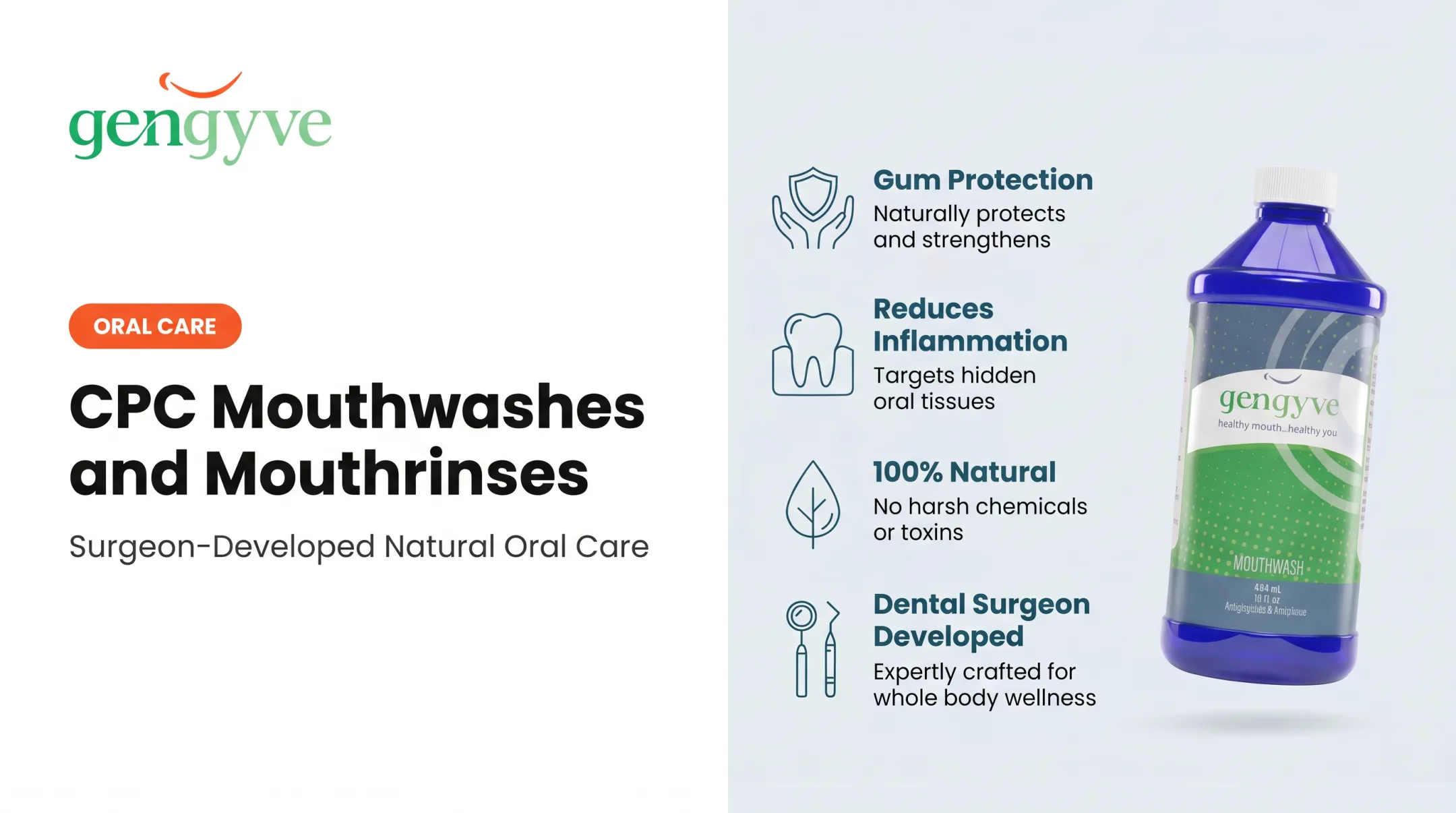
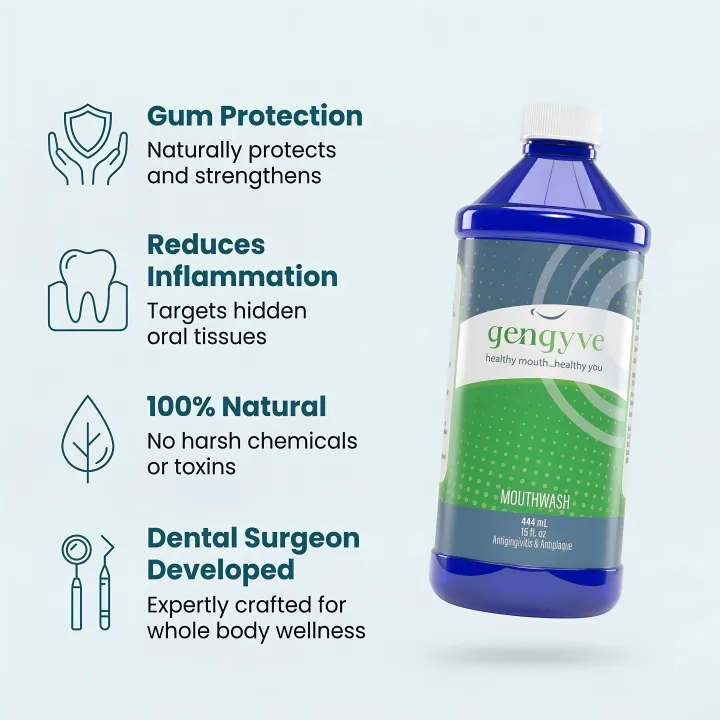
Gengyve's CPC and hyaluronic-acid mouthwash, for example, is designed to be swished for 30 to 60 seconds, twice daily, right after brushing and flossing. Skip the water rinse afterward so the formula can keep working. That's a specific product direction, not a universal mouthwash rule, so always check your own bottle's label.

Some rinses work better used at a different time of day than brushing, particularly if their active ingredients need to sit undiluted on the teeth. When in doubt, ask your dentist how a specific product fits your care plan.
Where the Routine Is Applied and What Can Affect It
Morning and evening both work for this routine, though interdental cleaning is often easiest to fit into an evening schedule when you have a few extra minutes.
Certain circumstances change the standard approach:
- Braces or fixed bridges: Water flossers or interdental brushes often work better than string floss
- Implants: May require soft brushes or end-tuft brushes for tight access areas
- Periodontal maintenance: Interdental brushes are sometimes preferred over floss, depending on gum architecture
- Dry mouth or sensitive gums: May need gentler formulas or adjusted brushing pressure
Post-surgical and procedure-specific instructions always override general advice. Dr. Derick Flint, a dental surgeon in Austin, Texas, notes that he recommends Gengyve to patients after wisdom-tooth extractions and dental implants.
His protocol starts one day before surgery and continues twice daily afterward for as long as needed. Treat that as one clinician's approach rather than a blanket rule for every rinse or procedure.
Other product-specific factors that can shift timing include:
- Fluoride rinses requiring separation from mealtimes
- Prescription antiseptic rinses with contact-time requirements
- Sensitivity formulas meant for standalone use
If bleeding, recession, inflammation, or an oral appliance is affecting your routine, ask your dentist or hygienist for guidance tailored to your mouth.

Common Issues, Misconceptions and Exceptions
Mouthwash cannot replace brushing or flossing. It's an adjunct, not a substitute. A rinse can't mechanically scrape plaque off a tooth surface the way bristles and floss do.
A little bleeding isn't automatically a reason to stop. New flossers sometimes see light bleeding during the first week as gums adjust. That typically resolves on its own. Persistent, heavy, or worsening bleeding is different; that needs a dental evaluation, not a workaround.
Rinsing with water right after brushing can wash away fluoride before it has a chance to work. Spit out the excess toothpaste and skip the water rinse unless your dentist tells you otherwise.
A few other points worth clarifying:
- A "perfect" sequence matters less than simply completing the routine every day
- Technique and consistency outperform any specific order
- Post-operative restrictions, prescription rinse instructions, severe pain, or mouth sores all call for professional guidance instead of a general routine
If you're unsure whether your situation fits the standard advice, it probably doesn't. Call your dentist.
Conclusion
The practical routine is simple: clean between the teeth, brush thoroughly, and use mouthwash according to its label and your dentist's advice. That order helps each step work better so you get more from the time you already spend on oral care.
Persistent symptoms or unusual dental circumstances always deserve a conversation with a dentist first. A dental-surgeon-developed daily rinse like Gengyve can be a useful part of that routine, but it works alongside brushing and flossing, never instead of them.
Frequently Asked Questions
What is the correct order for oral hygiene steps?
Clean between your teeth first, brush second, and use mouthwash according to its label directions. Consistency and personalized dental advice matter more than the exact sequence.
Should I floss before or after brushing?
Flossing first is a practical default since it loosens debris for brushing to clear away. Either order works, as long as you don't skip flossing altogether.
Should mouthwash be used before or after brushing?
It depends on the product. Some rinses work best at a separate time from brushing, so check the label rather than assuming it always comes right after.
Can mouthwash replace brushing or flossing?
No. Mouthwash is an adjunct that can't mechanically remove plaque from tooth surfaces or between teeth the way brushing and flossing do.
What should I do if my gums bleed when I floss?
Keep flossing gently; light bleeding often resolves within a week as gums adjust. See a dentist if bleeding is heavy, painful, or doesn't improve.
Does the order change after oral surgery or with braces?
Yes. Appliances and surgical recovery often require specialized tools or temporary adjustments. Always follow your treating dentist's specific instructions over general routine advice.