Mouthwash can help manage some of those risks. It is not a fix. The right rinse supports your gums without stinging exposed areas, but choosing one means matching ingredients and intended use to your specific symptoms, not just picking whatever is on sale.
This guide compares Gengyve against other common options, breaks down the ingredients that actually matter, and walks through correct usage and the warning signs that mean it's time to call a dentist.
Key Takeaways
- Alcohol-free rinses feel gentler on sensitive or inflamed gums; the active ingredient decides what the product does
- CPC, essential oils, fluoride, hydrogen peroxide, hyaluronic acid, and prescription chlorhexidine each serve a different purpose
- No mouthwash regrows receded gum tissue, dissolves tartar, or replaces professional periodontal care
- Gengyve is a dental-surgeon-developed, US-made option worth checking against its label and research
- Bleeding, swelling, or worsening recession mean it's time for an exam, not a new rinse
Overview of Receding Gums and Periodontal Mouthwash
Gum recession, gingivitis, and periodontitis are often used interchangeably, but they describe different things.


Recession is tissue loss that exposes the root. Cleveland Clinic's guide notes that once gum tissue pulls away, it does not grow back on its own.
Gingivitis, by contrast, is inflammation that's typically reversible with professional cleaning and better home care. Periodontitis is the more advanced disease, involving bone and attachment loss that requires clinical treatment.

What Causes Gums to Recede
Several factors contribute, often together:
- Periodontal inflammation and untreated plaque or tartar buildup
- Aggressive brushing or hard-bristled brushes
- Tobacco use (smoking or chewing)
- Abnormal tooth position or crowding
- Thin or genetically fragile gum tissue
- Inconsistent plaque control over time
What a Rinse Can Actually Do
A well-chosen mouthwash can help with several jobs, depending on the formula:
- Reduce certain bacteria and reach plaque your brush misses
- Freshen breath and soothe irritated tissue
- Deliver fluoride to exposed roots for decay protection
What it cannot do is reverse existing recession, remove tartar that's already hardened below the gumline, close periodontal pockets, or independently manage moderate-to-severe periodontitis on its own.
Signs That Need a Dental Visit, Not a New Bottle
Bleeding gums, swelling, pus, loose teeth, pain while chewing, persistent bad breath, or recession that seems to be getting worse quickly all call for professional evaluation. Product-hopping at home won't address an underlying infection or bone loss.
With that baseline set, here's how specific products stack up on ingredients, comfort, and evidence.
Best Periodontal Mouthwashes for Receding Gums
No single rinse works for every mouth. Judge each option against:
- Suitability for exposed or sensitive root surfaces
- Antimicrobial or anti-inflammatory purpose
- Alcohol content and tolerability
- Active ingredients and supporting evidence
- Whether professional supervision is required
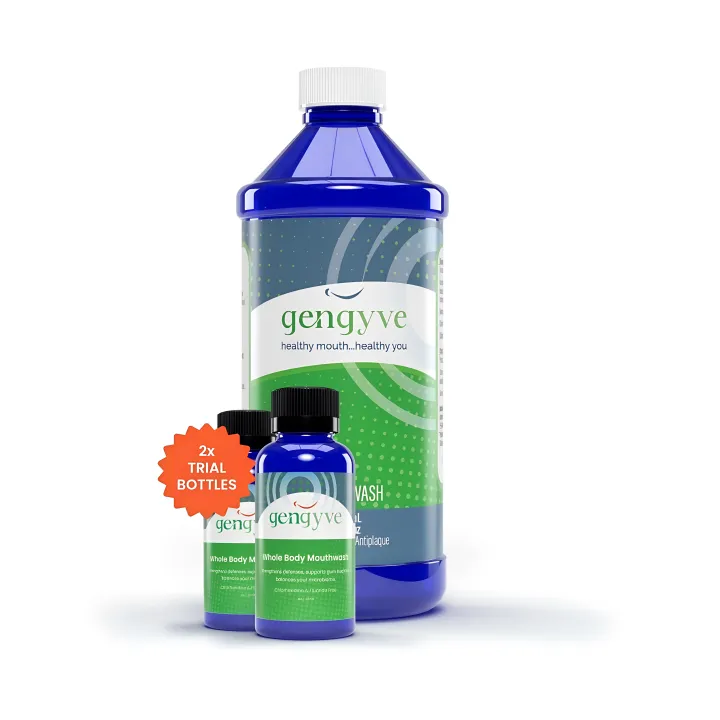
Gengyve Mouthwash
Gengyve was developed by Dr. S. Thaddeus Connelly, an oral and maxillofacial surgeon and Full Clinical Professor at UCSF, after concluding that no existing rinse met the standard he wanted for his own patients.
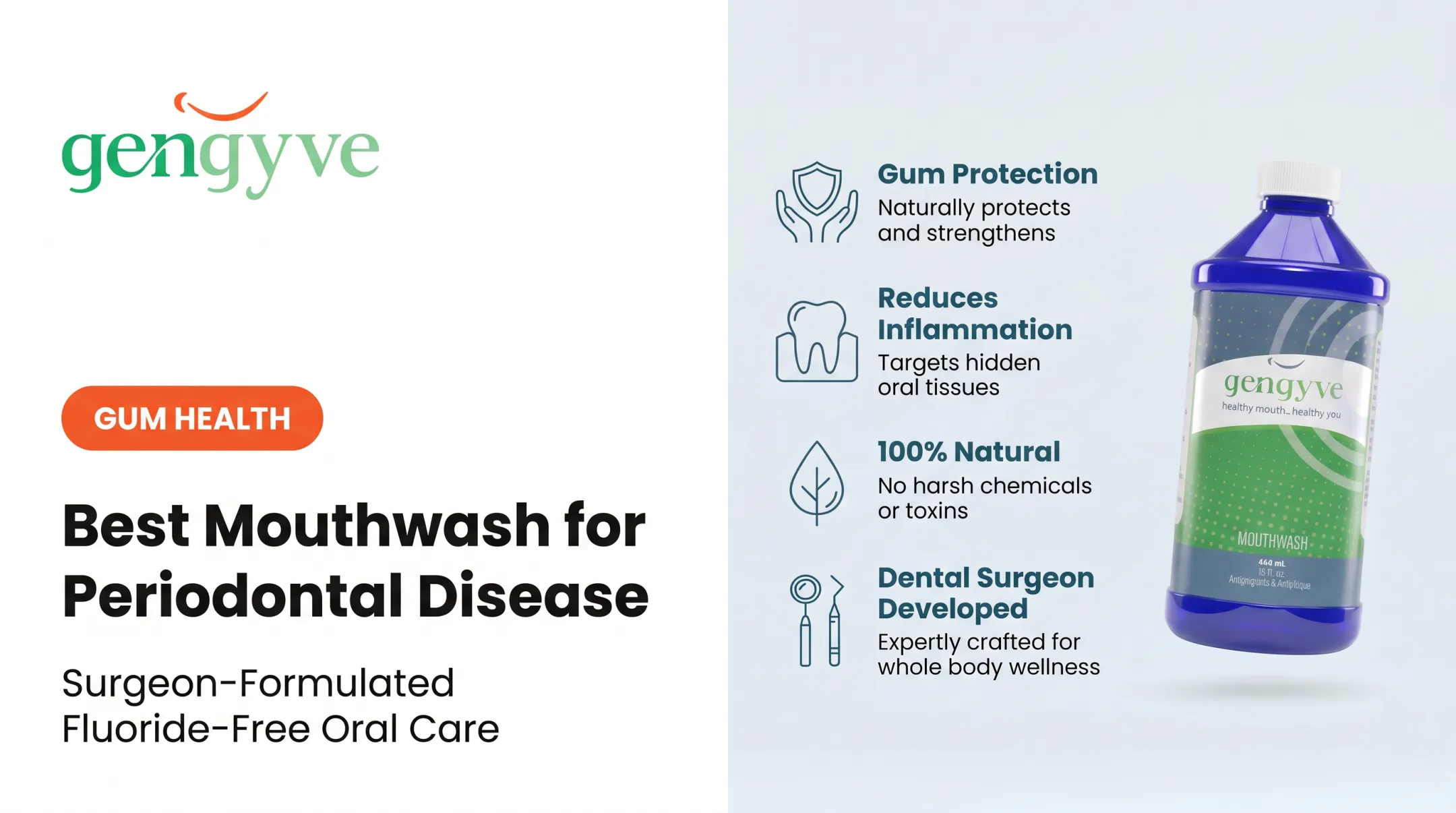
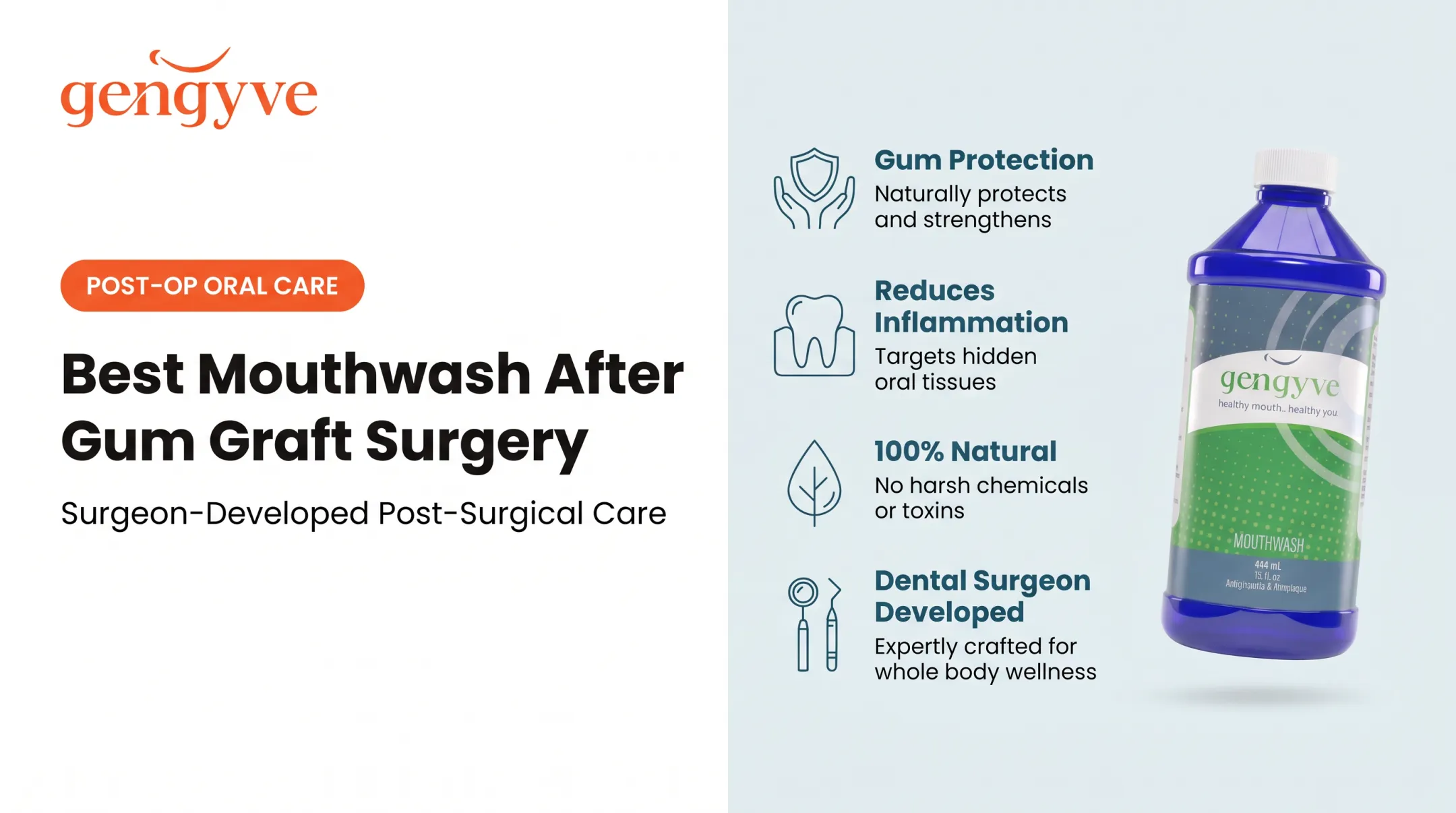
The formula is alcohol-free, chlorhexidine-free, and fluoride-free, built around cetylpyridinium chloride (CPC) for antimicrobial action and hyaluronic acid for hydration and gum comfort, along with pullulan, PVP, and castor oil.
A 21-day randomized trial of a similar CPC and hyaluronic-acid rinse, led by Tadakamadla and colleagues, followed 75 dental students and found less plaque than placebo, though gingivitis scores didn't differ significantly between groups. That's a short study with a narrow population, so it supports plaque control more than any regrowth or long-term healing claim.
- Good for: people who want a gentle, daily option during or after periodontal treatment
- Directions: brush and floss, then rinse twice daily
- Price: $19.99 one-time purchase, with savings on 2- or 3-month subscriptions
- Limitation: supports hygiene; does not regrow gum tissue
TheraBreath Healthy Gums Oral Rinse
TheraBreath's current label lists 0.05% cetylpyridinium chloride as the active ingredient and confirms the formula is alcohol-free. It's indicated to help prevent gingivitis and bleeding gums by controlling plaque, with directions calling for a 20 mL swish for 30 seconds, twice daily.
The label itself warns users to see a dentist if gum symptoms persist beyond two weeks, or if there's pain, swelling, pus, or loose teeth. That warning is worth taking seriously. It's a reasonable adjunct for mild gingival irritation, but it isn't positioned as a solution for diagnosed periodontitis.
- Good for: mild gingival irritation and everyday plaque control
- Limitation: not a stand-alone option for diagnosed periodontitis
Crest Pro-Health Gum and Breath Purify
The current version of this rinse, labeled "Crest Pro-Health Breath Purify and Gum Care," contains 0.07% CPC and is alcohol-free. It claims to help prevent and reduce plaque and gingivitis, control bacteria linked to bleeding, and freshen breath, using the same 20 mL, 30-second, twice-daily directions.
Notably, this particular rinse's label doesn't list an enamel or sensitivity claim, so don't assume it addresses root sensitivity just because other Crest products do. Formulations vary across the line, so always check the specific bottle.
- Good for: alcohol-free plaque and gingivitis support with breath freshening
- Limitation: no enamel or root-sensitivity claim on this specific label
Listerine Gum Therapy or Another Essential-Oil Rinse
Listerine Gum Therapy's four essential oils, eucalyptol, menthol, methyl salicylate, and thymol, are long-studied antiplaque and antigingivitis actives. The catch: this formula contains 21.6% alcohol, which can cause burning or dryness for some users, especially over exposed roots.
Alcohol-free Listerine variants exist, but they often carry different claims. The current Cool Mint Alcohol-Free formula, for instance, focuses on bad breath rather than a specific gingivitis claim. Match the variant to the claim you actually need. Don't assume the whole product line behaves the same way.
- Good for: users who tolerate essential-oil rinses and want strong antiplaque support
- Limitation: alcohol content can sting or dry exposed root surfaces
Prescription Chlorhexidine Rinse
Chlorhexidine gluconate 0.12% is prescription-only, indicated for gingivitis as part of a professional treatment program, typically used for a defined period between dental visits rather than as an everyday rinse you pick for yourself.
A 2017 Cochrane review found chlorhexidine produces a large reduction in plaque, but no clinically meaningful improvement in mild gingivitis, and its effect on periodontitis remains unclear.
Longer use (four weeks or more) is linked to staining, altered taste, and increased calculus. Severe gum disease needs a clinician's treatment plan, not a stronger rinse used indefinitely.

How to Choose and Use the Right Mouthwash
Match the Product to the Goal
- Gingival inflammation: antimicrobial rinse (CPC or essential oils)
- Exposed-root decay risk: fluoride-containing rinse
- Dryness or sensitivity: gentle, alcohol-free formula
- Post-procedure comfort: only use rinses your dentist has approved for that purpose
- Diagnosed periodontitis: prescription therapy under supervision
Read the Label Like a Professional Would
When you pick up a bottle, verify:
- Active ingredient and its intended purpose
- Alcohol and fluoride status
- Warnings and age restrictions
- Cosmetic vs. therapeutic labeling
A "natural" claim on the front doesn't mean the formula is clinically proven. Check the evidence behind it.
Build a Routine That Protects Exposed Roots
- Brush gently with a soft-bristled brush; aggressive brushing is a documented cause of recession
- Clean between teeth daily with floss or an interdental brush
- Rinse according to the label or your dentist's instructions, without swallowing
- Never dilute or extend a prescription rinse beyond what's directed
Timing matters too. Some rinses work best right after brushing; others need a gap so toothpaste ingredients don't interfere. When in doubt, follow the product label or ask your dental team rather than guessing.

When to See a Dentist or Periodontist
Book an appointment if you notice:
- Bleeding that doesn't settle down
- Gumline changes that seem to be progressing
- Loose teeth or pus
- Severe sensitivity or pain while chewing
- Deep pockets found during a cleaning
- New symptoms after oral surgery
None of these should be managed with mouthwash alone. When indicated, scaling, root planing, or grafting are necessary treatments, not something a rinse can replace.
Conclusion
The best periodontal mouthwash for receding gums is whichever one matches your actual symptoms, tolerability, and dentist's input, not the one with the biggest marketing budget. Mouthwash supports brushing, interdental cleaning, and professional care; it can't regrow gum tissue or remove tartar on its own.
If you're dealing with ongoing sensitivity, bleeding, or early recession, an alcohol-free, dental-surgeon-developed option like Gengyve is worth reviewing alongside its published formula and research. Pair it with a dental exam if symptoms persist.
Frequently Asked Questions
What kind of mouthwash is best for receding gums?
It depends on your symptoms. Alcohol-free formulas suit sensitive or dry mouths, while inflammation often responds better to an antimicrobial like CPC. See your dentist if recession is worsening.
What is the best mouthwash for severe gum disease?
Severe or diagnosed periodontitis needs professional dental treatment first. A dentist may prescribe chlorhexidine for a specific, time-limited purpose, but it's not meant as a routine self-selected rinse for advanced disease.
What do dentists recommend for receding gums?
Dentists typically recommend gentle brushing with a soft-bristled brush, daily interdental cleaning, tobacco cessation, regular checkups, and a therapeutic rinse matched to your case.
Can mouthwash fix receding gums?
No. Mouthwash can support bacterial control and comfort, but it cannot rebuild gum tissue that has already receded. Persistent or worsening recession needs an exam to identify and address the underlying cause.
Can I regrow receding gums?
Home-care products, including mouthwash, don't regrow established recession. Depending on severity and cause, a periodontist may discuss professional treatment options such as grafting.
What toothpaste is best for receding gums and sensitive teeth?
Look for a toothpaste formulated for sensitivity with fluoride for root protection, paired with a soft-bristled brush and gentle technique. If sensitivity is severe or persistent, check ingredients and see your dentist.