Mouthwash is one possible trigger, particularly formulas that dry out or irritate sensitive tissue. But peeling can also stem from trauma, burns, allergies, infection, or an underlying health condition that has nothing to do with your rinse.
This article walks through how to figure out whether your mouthwash is the culprit, what you can safely change, and which symptoms mean it's time to call a dentist or doctor.
Key Takeaways
- Peeling often follows temporary irritation from mouthwash, toothpaste, hot food, or friction
- Alcohol-based or strongly flavored rinses can worsen dryness in some people, but not everyone
- Stop suspected irritants and avoid scraping or pulling at loose tissue
- Persistent pain, bleeding, sores, swelling, or trouble swallowing needs professional evaluation
Common Causes of Oral Mucosal Peeling
Your oral mucosa isn't built like the skin on your hands or face. External skin is keratinized and designed to be dry and durable. The lining inside your cheeks and under your tongue is nonkeratinized, kept moist by saliva, and replaces its cells constantly.


That's why irritation here doesn't look like dry, cracking skin. Instead, it sheds as a soft, wet, white, or stringy film. A systematic review of oral mucosal peeling found that product-associated cases typically show grey-white epithelial strips detaching over otherwise normal tissue underneath.
Appearance alone can't tell you the cause. Two people can have nearly identical-looking peeling for completely different reasons. What matters more:
- Timing – did it start right after a new product, food, or habit?
- Location – is it localized to one spot or spread throughout the mouth?
- Recent changes – did you recently switch toothpaste, mouthwash, medication, or diet?
- Other symptoms – pain, swelling, bleeding, or fever alongside the peeling?
Peeling usually results from one or more of these overlapping factors: irritation, inflammation, dryness, trauma, infection, or sensitivity. The sections below break each one down.
Mouthwash and Toothpaste Irritation
How Mouthwash Ingredients May Trigger Peeling
Alcohol, strong flavoring agents, and certain antiseptic ingredients can dry out or irritate oral tissue in people who are already sensitive. This isn't universal. A direct comparison study found no visible epithelial desquamation when testing alcohol-containing rinses over 60 days, which tells us alcohol doesn't automatically cause peeling for everyone who uses it.
Still, documented cases exist. A pathology series described a man whose superficial mouth sloughing was linked to repeated exposure to an alcohol-containing rinse. Flavoring compounds like cinnamaldehyde were also flagged as possible contactants, according to a 2021 pathology study.
Clues that point toward your mouthwash as the trigger:
- Peeling or burning started shortly after switching rinses
- Symptoms worsen immediately during or after use
- Tissue improves within days of stopping the product
One important distinction: irritation is not the same as a true allergy. Irritant injury happens from direct chemical exposure. A true allergic reaction (Type IV hypersensitivity) is delayed and immune-mediated. Both can look similar on the surface, which is why a dentist's input matters more than guesswork.
Toothpaste Can Be the Hidden Culprit
Sodium lauryl sulfate (SLS), the foaming agent in many toothpastes, has been studied for this exact reaction. A 30-volunteer crossover trial found SLS toothpaste caused more desquamation than an SLS-free alternative at 30 minutes, though the difference faded after four days of regular use.
A separate case report described a 20-year-old woman whose recurrent gingival peeling resolved after switching away from an SLS-containing toothpaste, with no recurrence over six months of follow-up.
The problem: changing toothpaste and mouthwash at the same time makes it nearly impossible to know which product caused the reaction. Document what you're using and when symptoms appear, then change one product at a time where it's safe to do so.

Dry Mouth and Physical Triggers
When Reduced Saliva Makes Tissue Vulnerable
Saliva isn't just moisture. It coats oral tissue with proteins and mucins that protect against chemical and physical injury, according to the ADA's dry mouth guidance.
When saliva flow drops, that protective layer thins out. Tissue becomes far more prone to friction and irritation from mouthwash or food.
Common contributors to dry mouth include:
- Dehydration or insufficient fluid intake
- Medications (antihistamines, diuretics, antidepressants, decongestants)
- Mouth breathing, especially during sleep
- Smoking or tobacco use
- Radiation therapy or cancer treatment affecting the salivary glands
- Conditions like Sjögren's syndrome or diabetes
Watch for related clues:
- Sticky saliva, persistent thirst, or cracked lips
- Trouble swallowing or bad breath
- Heightened sensitivity to spicy or acidic foods
Persistent dry mouth deserves professional attention. Treating the underlying cause often matters more than simply swapping your rinse.
Heat, Friction, and Diet
Local trauma is one of the most common and overlooked causes of peeling:
- Hot food or drinks that scald the lining
- Spicy, salty, or acidic foods irritating already-sensitive tissue
- Accidental cheek biting
- Aggressive brushing or sharp tooth edges
- Braces, dentures, retainers, or rough dental restorations rubbing against tissue
Food, medication, or dental-material sensitivity can also cause burning, redness, swelling, or peeling. The difference usually comes down to pattern. Localized peeling near a brace bracket or rough filling points to friction. Widespread symptoms after eating or using a new product suggest a sensitivity reaction. Either way, don't self-diagnose an allergy without a professional opinion.

Infections and Conditions Beyond Mouthwash
Not every case of peeling traces back to a product. Oral thrush, a Candida infection, can produce white patches that wipe away to reveal red, sometimes bleeding tissue underneath. Switching mouthwash won't resolve an infection that needs antifungal treatment.
Persistent or recurring peeling can also be tied to:
- Inflammatory or autoimmune conditions, such as oral lichen planus
- Nutritional deficiencies affecting tissue repair
- Chronic inflammatory disorders of the mucosa
A dental or medical evaluation typically covers:
- Review of your medications
- Examination of the affected tissue
- Checks for dry mouth
- Lab tests only when clinically warranted
These conditions need professional diagnosis, not self-treatment.
What Happens If You Ignore It
Mild, product-related peeling often settles once the irritant is removed. But continuing to use a rinse that's bothering you can prolong dryness, soreness, and discomfort while eating or drinking.
There's a bigger risk, too: misattributing persistent peeling to mouthwash when the real cause is something else entirely. Simply switching rinses won't fix a problem the rinse didn't cause.
Other causes can include:
- Infection
- Allergy
- Medication side effect
- Nutritional gap
- Inflammatory condition
One rule that applies regardless of cause: don't peel, scrape, or brush away the loose tissue. Mechanical removal can create additional irritation or open a wound where there wasn't one before.
Warning Signs That Need Attention
The pattern, duration, and accompanying symptoms tell you far more than the appearance of the peeling itself. Watch for:
- Peeling that persists or returns: symptoms that don't improve after stopping a suspected irritant, or that keep spreading
- Pain, bleeding, or raw tissue: ulcers, blisters, swelling, fever, severe burning, or difficulty eating, drinking, or swallowing
- Unusual patches or changes: persistent white or red patches, a lump, thickened tissue, or unexplained numbness
According to NIDCR's guidance on oral symptoms, any of these warning signs lasting more than two weeks warrants a visit to a dentist or doctor.
Seek emergency care immediately if you experience sudden swelling of the lips, mouth, tongue, or throat, trouble breathing, or a severe reaction shortly after a food or product exposure. This can signal anaphylaxis.
Preventing Mouthwash-Related Peeling
Prevention starts with a formula that suits your mouth and fewer avoidable irritants. When peeling keeps coming back, investigate the cause instead of masking symptoms with a stronger rinse.
Review Your Mouthwash Formula
Check the label for alcohol, strong flavoring agents, or antiseptic ingredients that might not suit a sensitive or dry mouth. Follow the product's directions rather than rinsing longer or more often than recommended.
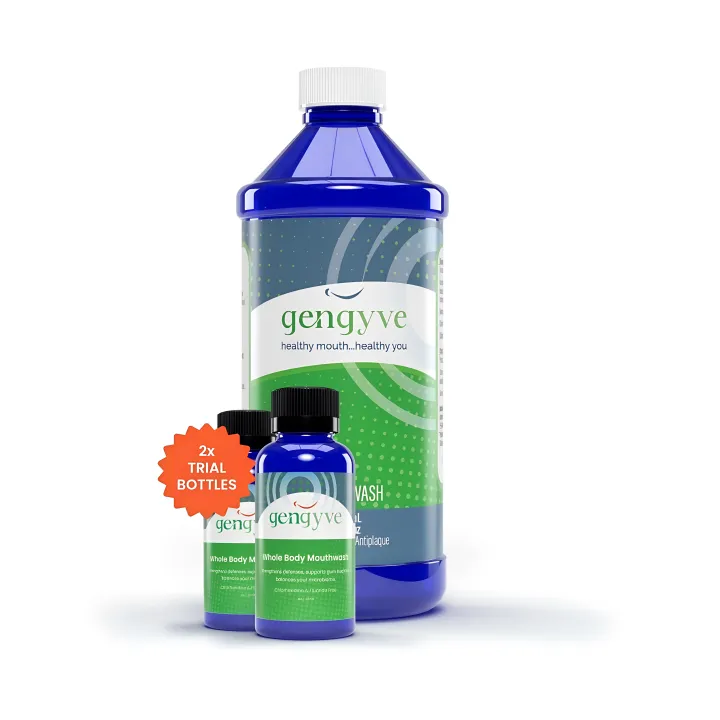
Gengyve's mouthwash, developed by a practicing oral and maxillofacial surgeon, is alcohol-free and chlorhexidine-free, formulated for daily use without the sting associated with some traditional rinses. It's one example of a gentler option, but check the full ingredient list and ask your dentist whether it fits your specific needs.
Eliminate One Product at a Time
Record which rinse, toothpaste, and foods line up with your symptoms. Stop the suspected mouthwash first, and avoid changing several products at once. If swelling or a strong allergic reaction is suspected, skip the home experiment and get professional advice instead.
Support Moisture and Gentle Care
- Drink enough fluids throughout the day
- Use a soft-bristled toothbrush and avoid scrubbing irritated areas
- Ask your dentist about saliva-supporting products if dryness is persistent
Ingredients like hyaluronic acid, used in Gengyve's formula, attract and hold water, which can help cushion and support healing tissue during an active episode.
Reduce Other Irritants While Healing
Temporarily cut back on very hot, spicy, acidic, or salty foods if they worsen symptoms. Avoid tobacco, alcohol exposure, cheek biting, and rubbing or pulling at peeling tissue. Reintroduce foods gradually once symptoms settle, unless your dentist advises otherwise.
Get Condition-Specific Guidance
Ask your dentist or treatment team about mouthwash selection if you're recovering from oral surgery, wearing dentures or implants, undergoing orthodontic treatment, or receiving cancer or radiation care. The right rinse depends on your healing status, medications, and infection risk, not a one-size-fits-all recommendation.

Long-Term Prevention Tips
Building a few habits now prevents repeat episodes later:
- Keep a simple log – note when peeling occurs, where, and any recent product or diet changes
- Stick with proven products – avoid switching oral-care items without a clear reason, and follow label directions
- Schedule routine dental checkups – ask your dentist to check areas affected by appliances, restorations, or dentures
- Plan dry-mouth and mucositis care – work with your dental team instead of relying only on over-the-counter swaps
No mouthwash, including Gengyve's, replaces a proper diagnosis or prescribed treatment. It's a supportive part of daily care, not a substitute for it.
Conclusion
Oral mucosal peeling after using mouthwash is often tied to irritation or dryness, but the same appearance can come from a dozen different causes. Reviewing your products, reducing friction, supporting moisture, and watching your symptoms closely can resolve most mild cases.
Persistent or concerning changes still need a professional set of eyes. Choose oral care that supports your mouth's actual needs without adding unnecessary irritation.
Frequently Asked Questions
Is oral mucosal peeling bad?
Occasional, mild peeling often results from temporary irritation and isn't serious. Persistent, painful, bleeding, recurring, or unusual peeling should be checked by a dentist or doctor.
What causes oral mucosa skin to peel?
Common causes include mouthwash or toothpaste irritation, dry mouth, burns, acidic or spicy foods, trauma, allergies, infections, nutritional issues, and inflammatory conditions. No single cause applies to every case.
Can mouthwash cause oral mucosal peeling?
Some people react to alcohol, flavoring agents, or other ingredients in mouthwash. Peeling can also come from unrelated causes, so stopping a suspected product shouldn't replace professional evaluation if symptoms stick around.
How can I stop the inside of my mouth from peeling?
Stop suspected irritants, avoid scraping the tissue, brush gently, stay hydrated, and limit foods that worsen symptoms. See a dentist if things don't improve or if warning signs appear.
When should I see a dentist about peeling inside my mouth?
See a dentist for persistent or recurring peeling, pain, bleeding, sores, fever, swelling, unusual white or red patches, swallowing difficulty, or symptoms that continue despite changing oral-care products.