Magic mouthwash is a compounded prescription rinse, and pharmacies mix it according to the prescriber's instructions. The ingredients, concentrations, and purpose shift depending on what's causing the pain and how severe it is.
That variability is exactly why people go looking for alternatives. Maybe you can't get quick access to a prescription. Maybe the numbness or burning bothers you. Maybe the cost adds up, or you just want a gentler rinse for everyday use rather than a short-term medicated one. Whatever your reason, the right alternative depends on your actual goal: soothing irritated tissue, protecting a sore, controlling bacteria, supporting healing after dental work, or managing mucositis from cancer treatment under medical supervision.
Key Takeaways
- Magic mouthwash has no universal recipe, so an alternative may not match what your prescriber ordered.
- Saltwater and baking-soda rinses offer gentle support; medicated rinses need clinician guidance.
- Alcohol-free, non-irritating products are generally safer on ulcerated or inflamed tissue.
- Don't mix prescription-style formulas at home.
- See a dentist, physician, or oncology team for pain that's severe, spreading, or treatment-related.
Overview of Magic Mouthwash and Its Alternatives in the US
A compounded magic mouthwash can combine several ingredient classes, and the exact mix determines what the rinse is actually meant to do:



| Ingredient class | Documented examples |
|---|---|
| Local anesthetic | Lidocaine |
| Antihistamine | Diphenhydramine (Benadryl) |
| Antacid or coating agent | Maalox |
| Antifungal | Nystatin |
| Antibiotic | Present in some formulas |
| Corticosteroid | Present in some formulas |
Cleveland Clinic's overview describes magic mouthwash as prescription-only and custom-made. There's no fixed "generic" version waiting on a pharmacy shelf.
Alternatives fall into three rough buckets:
- Supportive home rinses: saline, baking soda, or gentle daily rinses
- Ready-to-use oral-care products: alcohol-free rinses designed for sensitive tissue
- Clinician-prescribed treatments: sucralfate, chlorhexidine, benzydamine, or systemic pain relief
None of these replicate the full combination of effects a compounded prescription provides. Each option is a different tool for a different job, not a full stand-in for a custom formula.
Here's the bigger safety issue: masking pain can hide something that needs diagnosis, such as a dental abscess, a traumatic lesion, a medication reaction, or oral mucositis. Numbing a sore mouth doesn't fix what caused it.
The options below are organized by likely use case and how much professional supervision they require, not as interchangeable "magic" swaps.

Best Magic Mouthwash Alternatives for Pain
The right pick depends on a few factors:
- What's likely causing the pain
- Ingredient profile and irritation risk
- Whether it needs a prescription
- Short-term support versus an everyday rinse
Below are the main categories to consider.
Gengyve Dental-Surgeon-Developed Mouthwash
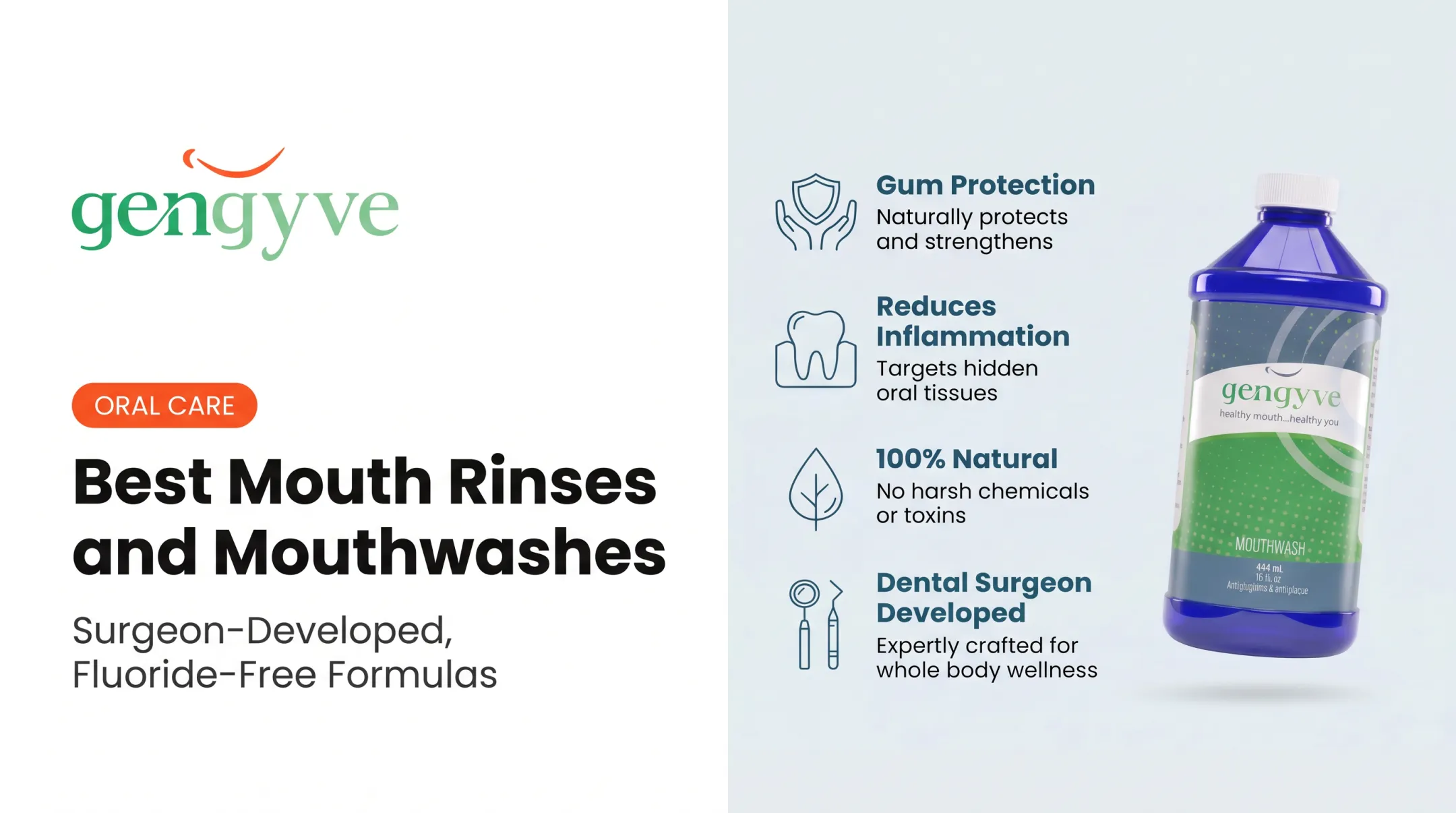
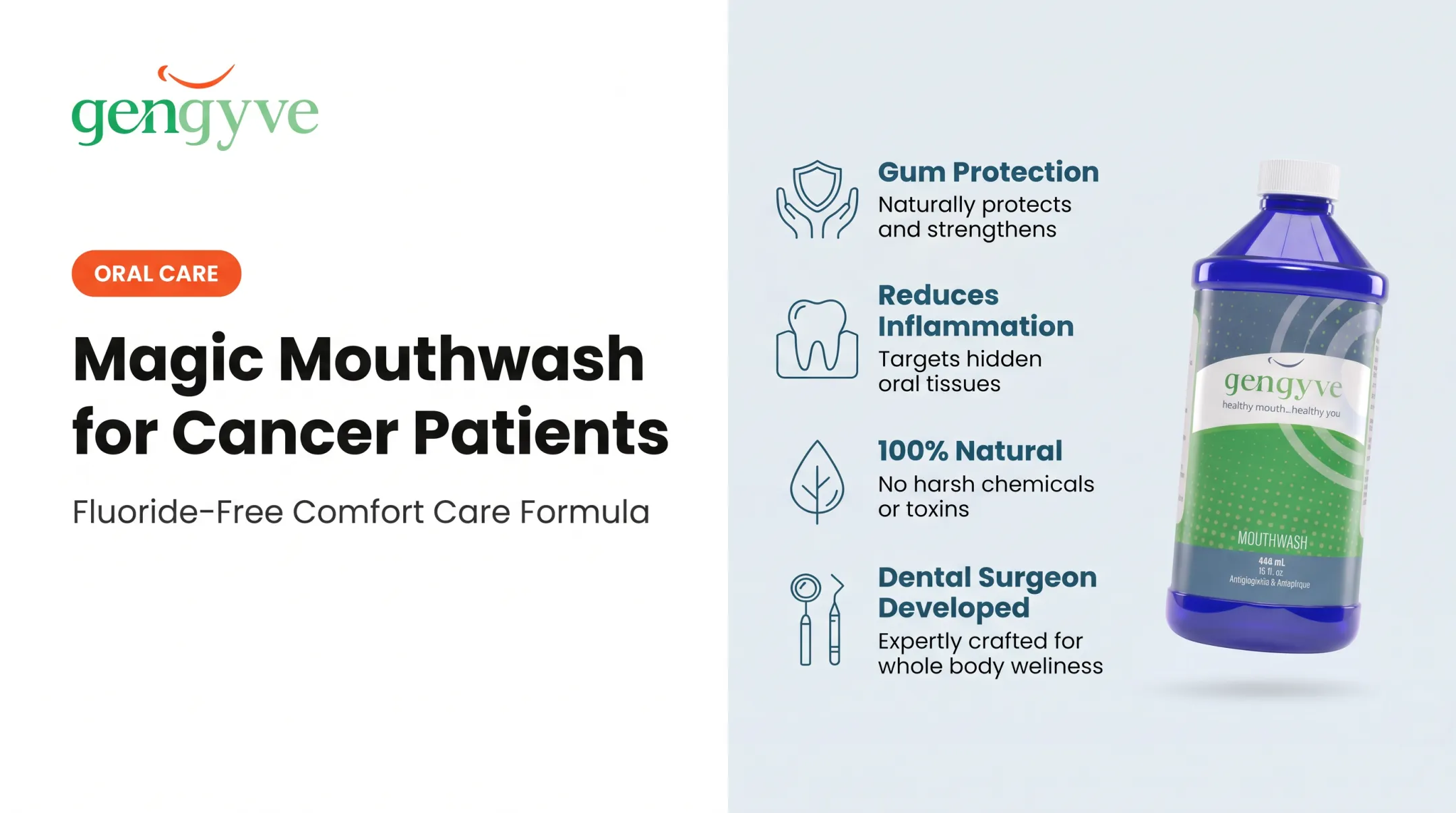
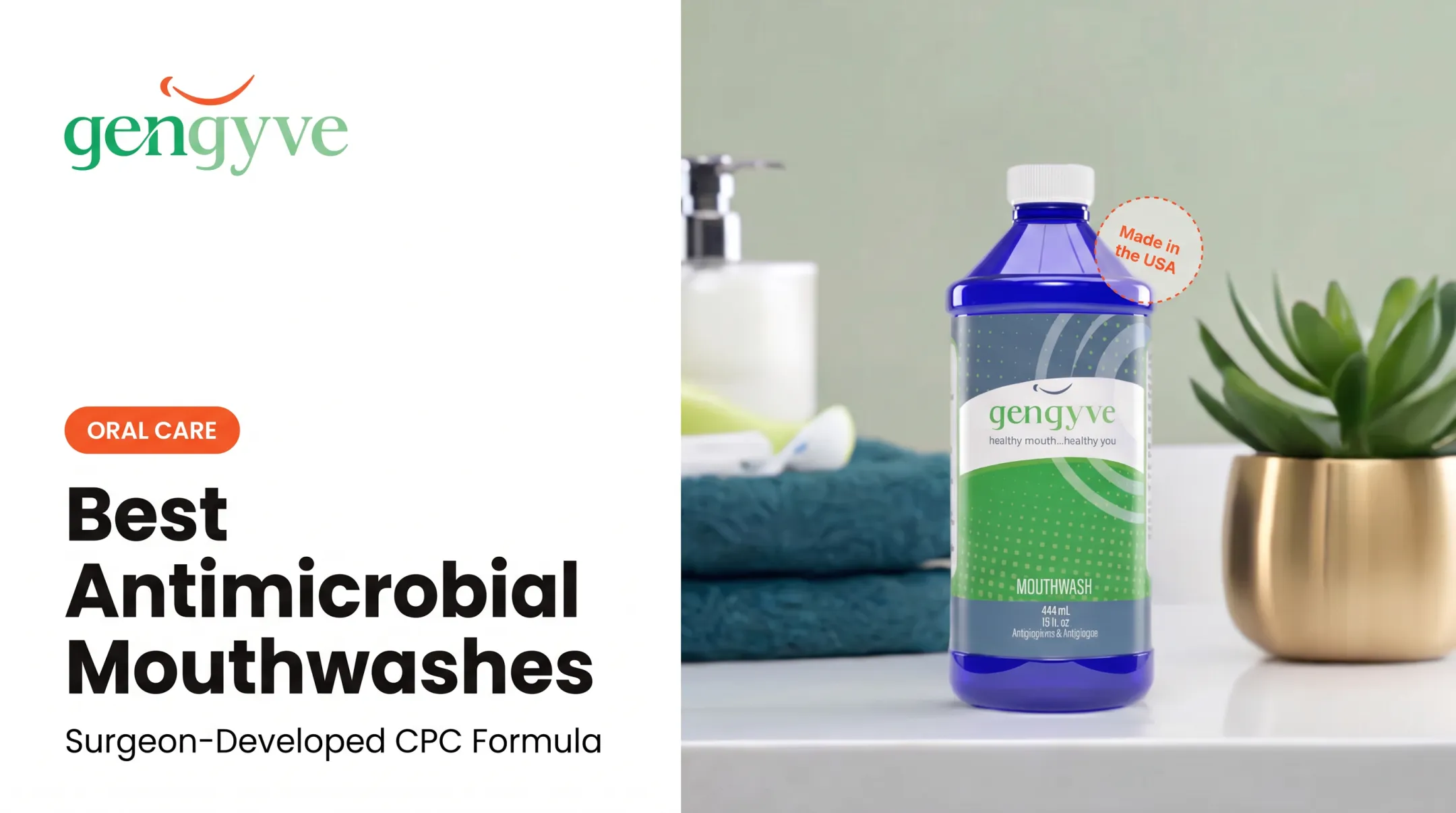
Gengyve is a US-made oral-care rinse developed through research led by practicing dental surgeons. The formula combines cetylpyridinium chloride (CPC), hyaluronic acid, pullulan, polyvinylpyrrolidone (PVP), and castor oil in a 15 fl. oz. bottle. It's fluoride-free, alcohol-free, and chlorhexidine-free.
Key formula details:
- CPC acts as the antimicrobial component.
- Hyaluronic acid supports hydration and gum comfort.
- Pullulan and PVP form a physical barrier intended to inhibit biofilm and help protect, hydrate, and heal oral tissue.
- The directed use is a 30- to 60-second swish after brushing, twice daily.
According to the company's clinical research summary, Gengyve's formula has performed comparably to professional-grade, chlorhexidine-containing rinses in testing while remaining gentle enough for daily use.
Unlike chlorhexidine, which carries a roughly two-week use limit due to staining and irritation risk, Gengyve is positioned for ongoing daily use.
Who it may suit: adults who want a gentle, alcohol-free, chlorhexidine-free rinse for everyday gum comfort, people recovering from routine dental work, or those managing bleeding gums or sensitive tissue day to day.
Wholesale case pricing ($14.99 per bottle, 12-bottle cases) also makes it a common chairside offering at periodontal and oral surgery practices.
Where it doesn't fit: Gengyve is not a substitute for prescribed treatment of active infection, cancer-treatment mucositis, or serious post-surgical complications. If you're on a cancer-treatment protocol or recovering from major oral surgery, loop in your care team before adding any new rinse.
Saltwater or Saltwater-and-Baking-Soda Rinse
A simple saline or saline-and-baking-soda rinse skips the anesthetic, steroid, antifungal, or antibiotic ingredients found in compounded formulas. It's comfort and cleanliness, nothing more.
MedlinePlus's patient instructions recommend one of these preparations:
- Combined rinse: 1 teaspoon salt plus 1 teaspoon baking soda in 4 cups of water
- Saline-only rinse: 1 teaspoon salt in 4 cups of water
Swish for 1-2 minutes, then spit out, 5-6 times daily. Stick to a reputable recipe like this one rather than improvising concentrations at home.
A few limitations to keep in mind:
- These rinses support oral clearance and comfort, but clinical guidelines note limited evidence that they treat or prevent mucositis on their own.
- Avoid alcohol-containing rinses while tissue is irritated.
- Stop if the rinse stings more than it soothes.
- After a tooth extraction, skip vigorous swishing early on. It can dislodge the healing clot.
If pain persists or interferes with eating and drinking, that's your cue to get evaluated rather than keep rinsing and waiting.
Sucralfate or Other Clinician-Directed Coating Treatments
Sucralfate works differently than a rinse. It's a suspension that can form a protective coating over irritated tissue, and some clinicians direct patients to swish and either spit or swallow a slurry, depending on the situation. It's not an over-the-counter mouthwash, and it's not something to self-prescribe.
A couple of important caveats:
- Sucralfate's FDA labeling covers short-term treatment of duodenal ulcers, not oral mucositis, so any oral use is off-label and clinician-directed.
- It can interact with other medications, including fluoroquinolones, tetracycline, digoxin, and thyroid medication, by reducing their absorption.
- MASCC/ISOO's clinical guidelines actually recommend against sucralfate for preventing or treating mucositis-related pain during head-and-neck radiotherapy or chemotherapy, based on the current evidence.
A coating treatment might make sense when physically protecting a sore is the main goal. But it won't treat an underlying fungal or bacterial infection, and it isn't a stand-in for diagnosing why the sore is there in the first place.
Chlorhexidine, Benzydamine, or Other Prescription Oral Rinses
These two get grouped together often, but they serve different purposes.
Chlorhexidine gluconate 0.12% is a prescription rinse approved in the US for gingivitis, meaning redness, swelling, and bleeding on probing as part of professional dental care. The label calls for 15 mL undiluted, swished for 30 seconds, twice daily after brushing.
Known downsides include tooth and tongue staining, altered taste, and mucosal irritation with prolonged use. It's also not suggested for preventing radiation-related mucositis.
Benzydamine is used outside the US for painful inflammatory mouth and throat conditions, including radiation-related ulceration, but it carries no standard US marketing approval. (It does hold FDA orphan-drug designation for a specific use, which is not the same as broader approval.)
Where it is approved, instructions typically limit uninterrupted use to about seven days without medical supervision, and it's not advisable for people with aspirin or NSAID sensitivity.

Neither of these is a casual swap for magic mouthwash. Both require a professional to confirm the rinse actually matches your diagnosis.
Clinician-Recommended Pain Relief and Supportive Care
Sometimes the better answer isn't a rinse at all. A dentist, physician, or oncology team might recommend:
- Systemic pain relief, including NSAIDs, acetaminophen, or in some cases opioids for short durations
- Hydration strategies and soft, moist foods to protect against dehydration or malnutrition
- Gentle brushing adjustments after meals and at bedtime
- Ice chips for comfort during certain treatments
If you're going through chemotherapy, radiation, immunosuppressive therapy, or recent oral surgery, follow your care team's specific protocol. Gengyve and similar everyday rinses can sometimes be used alongside professional care, but always tell your dental or medical provider what you're using first. They may want it adjusted around your treatment schedule.
How We Chose the Best Magic Mouthwash Alternatives
We matched each option to a likely cause of pain rather than treating every rinse as a universal fix. A canker sore, gum inflammation, a recent extraction, oral mucositis, dry mouth, and a suspected infection all call for different approaches.
Our evaluation looked at:
- Ingredient safety and tolerability: whether a product contains alcohol, anesthetics, antimicrobials, or steroids that could irritate tissue or interact with other treatments
- OTC versus prescription status: separating supportive products from clinician-directed treatments, and confirming US availability and labeling
- Evidence quality: checking clinical guidelines and peer-reviewed research for each condition rather than assuming a product works just because it's marketed for oral comfort
- Red-flag screening: identifying when self-care should stop and professional evaluation should start
On that last point: worsening swelling, fever, pus, uncontrolled bleeding, dehydration, difficulty breathing or swallowing, or sores that keep spreading mean you should stop self-care and call your dentist or doctor today.

Conclusion
There's no single universal substitute for magic mouthwash, because the term itself describes a range of compounded formulas built around different treatment goals. A rinse that's right for a canker sore isn't necessarily right for chemotherapy-related mucositis, and vice versa.
The practical move is to match your symptoms to the least irritating, evidence-supported option available, and to talk with a dentist or physician when pain is severe, persistent, treatment-related, or paired with warning signs.
If you're looking for a gentle, dental-surgeon-developed rinse for everyday gum comfort, review Gengyve's formula and directions with your dental professional before adding it to your routine.
Frequently Asked Questions
What's a good substitute for magic mouthwash?
It depends on the cause of your pain. Saline rinses help mild irritation, and coating agents like sucralfate protect sores under clinician direction. More complex cases may need prescription rinses or systemic pain relief.
Is there an over-the-counter version of magic mouthwash?
No single OTC product replicates a compounded prescription formula. Some OTC rinses, including gentle daily formulas, can support comfort and oral hygiene, but they don't deliver the same combination of effects.
Is Maalox the same as magic mouthwash?
No. Maalox has appeared as one coating component in some compounded formulas alongside lidocaine and other ingredients, but Maalox alone isn't magic mouthwash. Don't mix it with other medications without professional instructions.
Is there a generic magic mouthwash?
Not really. "Magic mouthwash" is a descriptive term, not a standardized product. Pharmacies compound different formulas based on each prescriber's specific directions.
Can I make magic mouthwash at home?
It's not recommended. Prescription formulas involve specific concentrations, drug interactions, and storage requirements that are hard to replicate safely. A simple saltwater or baking-soda rinse, prepared using a reputable recipe, is a different and safer kind of home care.
When should I see a dentist or doctor for mouth pain?
See a professional for severe, persistent, or worsening pain. Get care promptly for fever, swelling, pus, bleeding, trouble swallowing or breathing, widespread sores, or post-surgery complications. Mouth pain during cancer treatment should always go through your oncology team.