That gap matters because your toothbrush can't do the whole job. Bristles clean the flat surfaces of your teeth, but they miss the tight spaces where plaque and food debris collect. The right tool for those spaces depends on your tooth spacing, gum health, dexterity, and any dental work you have.
This guide walks through floss picks, interdental brushes, water flossers, and specialty threaders, then covers how to pick the one that actually fits your mouth and your routine.
Key Takeaways
- Dental floss alternatives include floss picks, interdental brushes, water flossers, and threaders for braces, bridges, and implants
- The best tool fits comfortably and gets used consistently, without forcing or hurting your gums
- Interdental brushes suit wider gaps; water flossers help around braces or with limited hand mobility
- Compare materials, coatings, handle design, and waste before buying
- Mouthwash supports a routine but doesn't physically remove debris between teeth
What Are Dental Floss Alternatives, and Why Do They Matter?
Dental floss alternatives are tools or devices that clean plaque, food particles, and bacteria from between your teeth and along the gumline when traditional string floss isn't a good fit. That includes floss picks, interdental brushes, water flossers, and specialty threaders.


Brushing handles the visible surfaces of your teeth well. It doesn't reliably reach the contact points between teeth, where plaque builds up quietly and gum inflammation often starts. Some kind of interdental cleaning still matters, even if string floss isn't the tool doing it.
No alternative is automatically better than floss. Performance depends on:
- How well the tool fits your specific dental anatomy
- Whether you use it with correct technique
- How consistently you use it, day after day
People with braces, bridges, implants, crowns, wide gaps, crowded teeth, sensitive gums, or reduced hand mobility often need a different approach than someone with straightforward, evenly spaced teeth.
If you fall into one of those categories, a dentist or hygienist can point you toward a tool suited to your mouth rather than a generic recommendation.
Types of Dental Floss Alternatives
Each category below solves a different combination of access, comfort, dexterity, and convenience. None works for every mouth.
Floss Picks and Reusable Floss Holders
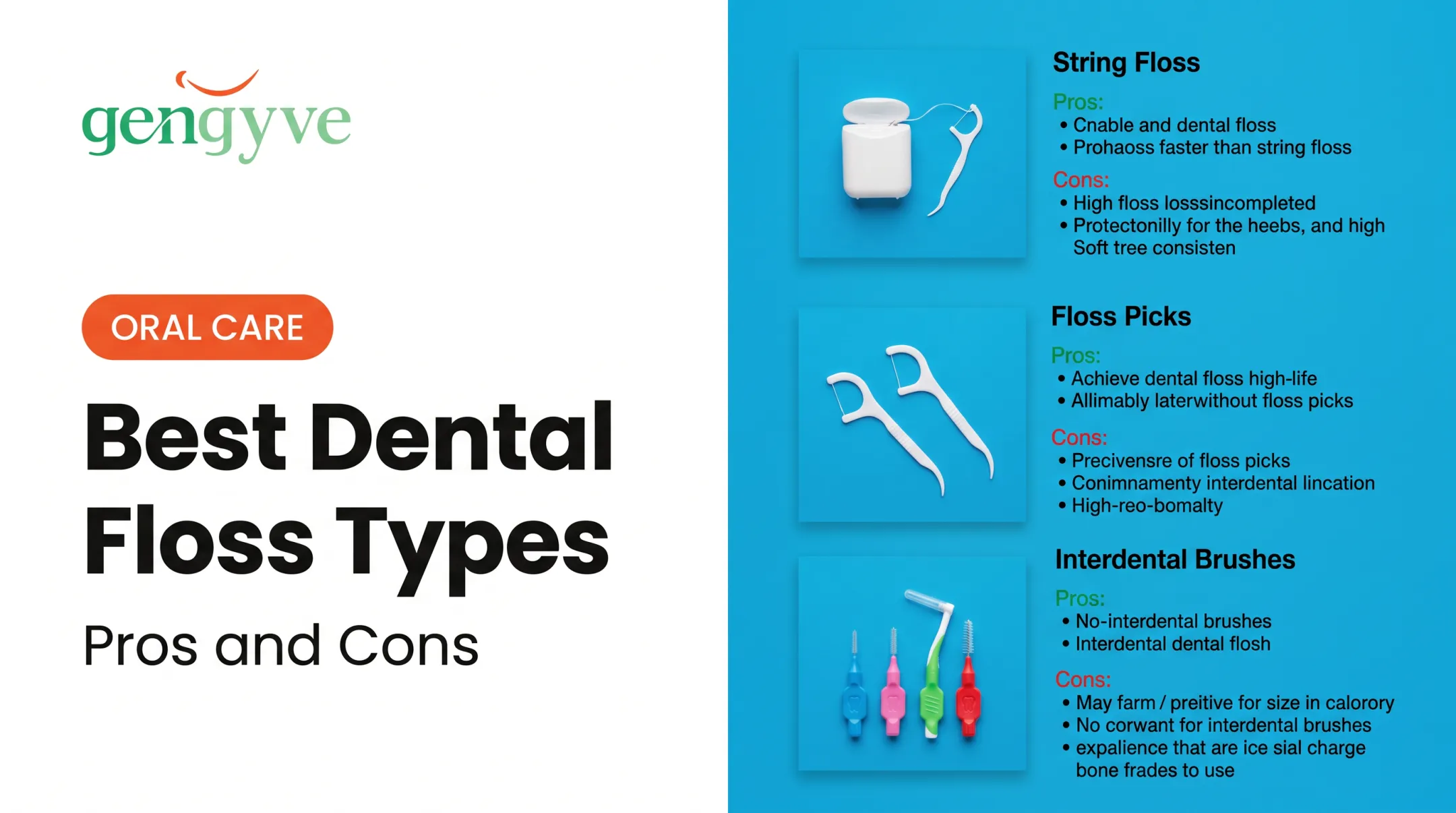
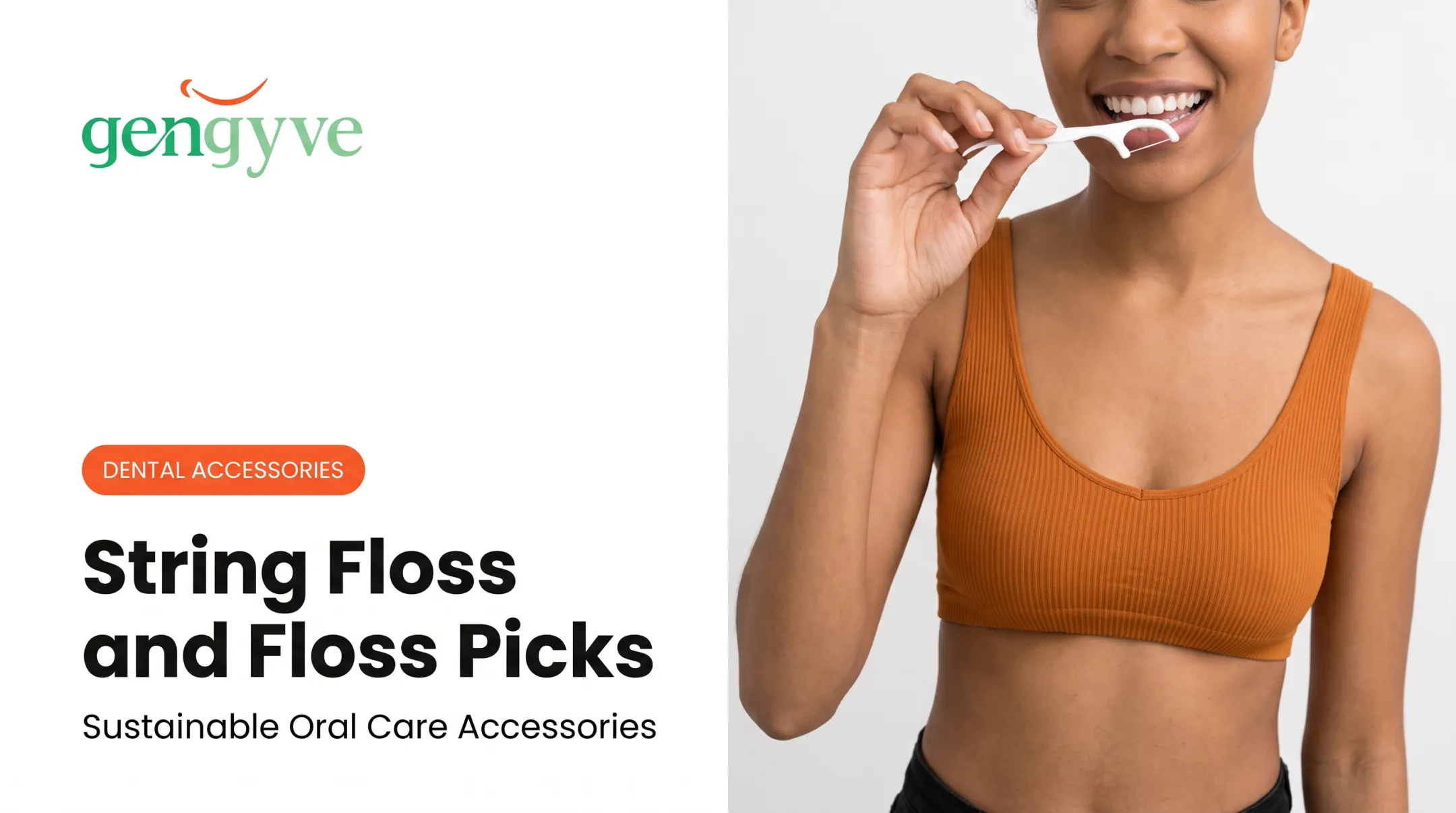
Floss picks hold a short strand of floss on a small handle, which makes them easier to grip than loose string. They're popular for a reason:
- Convenient for travel and quick cleaning between meetings
- Easier for kids who are still learning to floss
- More manageable for adults with limited finger mobility
The trade-off is technique. A fixed span of floss doesn't wrap as naturally around each tooth in a C-shape, so snapping the pick straight up and down misses the curved tooth surface. Clean both sides of each tooth deliberately, not just the contact point.
Disposable picks also generate plastic waste with every use. If that bothers you, a reusable holder or refillable floss system cuts down on single-use plastic while keeping the handle grip you're used to.
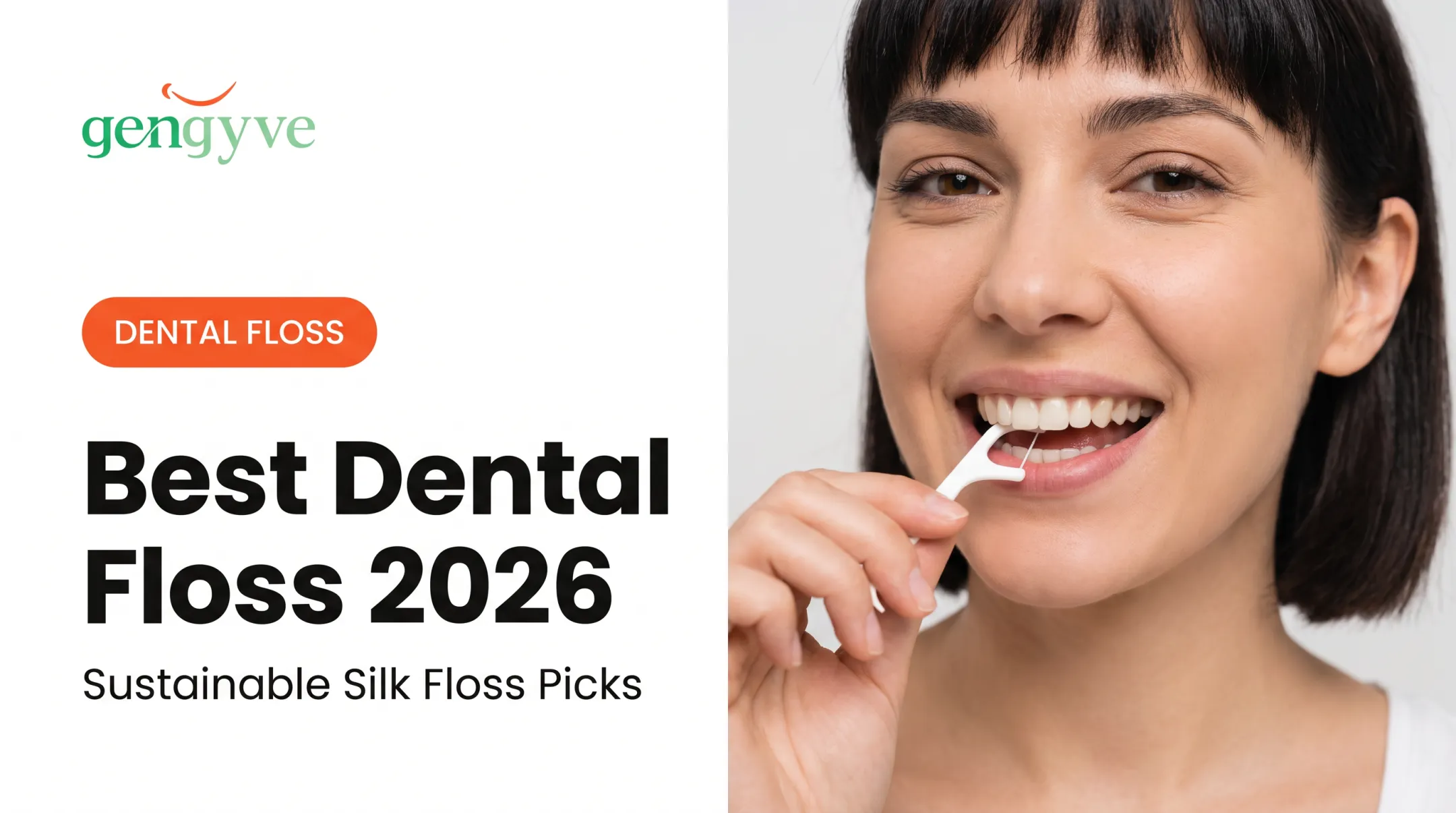
Gengyve's Silk Floss is one refillable option worth a look: it's made from 100% natural silk, stored in a refillable glass container, and packaged without plastic. The instructions are simple: cut about 18 inches, guide it gently between teeth, and curve it into a C-shape against each tooth. After use, rinse the floss or compost it, then refill the dispenser as needed.
Picks and holders aren't the right call for everyone. Very tight contacts, braces, and bridgework often need a tool that can reach spaces a pick simply can't.
Interdental Brushes
Interdental brushes are small, bristled brushes that come in a range of sizes for cleaning between teeth and around orthodontic wires, bridges, implants, and gumline contours. The size matters more than the brand.
The brush should slide in snugly, without force. If it doesn't fit, try a different size or ask a dental professional rather than pushing it into a space that resists.
Strengths include:
- Direct mechanical cleaning action
- Easier handling for some people with limited dexterity
- Better coverage for wider gaps than string floss typically fills
Cochrane's 2019 review found that interdental brushes may reduce gingivitis more than floss at one and three months, though the evidence certainty is low and no clear advantage showed up for periodontitis outcomes. That's a meaningful signal for people managing gum inflammation, not proof that brushes beat floss everywhere.

Limitations exist too. Very narrow contacts can bend the wire or deform the brush, and worn bristles need replacing on the schedule the manufacturer recommends. If you have bleeding gums, implants, or periodontal pockets, ask your dentist about sizing before you buy a multipack and guess.
Water Flossers and Oral Irrigators
A water flosser directs a controlled stream of water between teeth and along the gumline, often with adjustable pressure settings. For some people, that's easier than maneuvering string or a brush by hand.
It tends to help:
- People with braces, bridges, or implants
- Anyone with limited dexterity or arthritis in their hands
- Those who find traditional floss hard to control
It also comes with practical trade-offs: counter space, charging or batteries, refilling the reservoir, and regular cleaning of the unit.
The clinical picture is mixed. A 2024 randomized trial of 30 orthodontic patients found no statistically significant difference between water flossing and string flossing for plaque or bleeding. A separate systematic review and meta-analysis similarly found no significant interproximal-bleeding advantage for powered irrigators over floss, with low certainty overall.
Other trials, including one on implant patients, found better short-term bleeding reduction with irrigation. Results depend on the population and what's being measured, so treat manufacturer claims of outright superiority with some skepticism.
Safe use starts with a comfortable pressure setting, not the highest one. Follow your device's instructions, avoid aiming the stream at painful or injured tissue, and check with a dental professional before using one after oral surgery or during active gum problems.
One distinction matters: a water flosser performs mechanical irrigation, physically dislodging debris. Mouthwash is a liquid rinse. It's not a substitute for that physical action, no matter how thorough the swishing feels.
Specialty Threaders, Super Floss, and Orthodontic Tools
Floss threaders and preassembled specialty floss exist to solve one problem: getting floss into spaces that are otherwise blocked by hardware or bridgework.
Some specialty products, like Super Floss, combine three sections in one strand:
- A stiff end for threading under wires or bridges
- A spongy section for wider spaces
- A regular floss section for standard contact points
These tools take more time and technique than a quick pick, and replacement strands add ongoing cost. Orthodontic patients should follow their orthodontist's specific instructions rather than generic packaging claims, since appliance setups vary. Implant, bridge, and periodontal patients often benefit from a professional demonstration of the exact technique their situation calls for, rather than relying on marketing copy alone.
How to Choose the Right Dental Floss Alternative
The right choice comes down to fit and consistent use. It has nothing to do with which product has the flashiest packaging or the longest features list.
Match the Tool to Your Dental Needs
Different dental situations tend to point toward different tools:
- Tight contacts: waxed floss, floss picks, or thin interdental brushes
- Wider gaps: larger interdental brushes
- Braces: threaders, orthodontic flossers, or water flossers
- Bridges and implants: super floss, specialty threaders, or implant-safe brushes
- Limited dexterity: floss holders or water flossers
Treat these as starting points, not prescriptions. A dental professional can confirm what actually works for your mouth.
A simple decision pathway:
- Identify the hardest area to clean - usually the spot where you feel resistance or see bleeding
- Choose the least complicated tool that reaches it comfortably
- Test the technique for a week or two
- Reassess with a dental professional if bleeding or discomfort continues

Evaluate Comfort, Technique, and Consistency
A tool that causes pain, fraying, or repeated snagging won't become a daily habit. It might also be the wrong size or shape for your mouth, or point to an underlying issue worth a dental visit.
When comparing options, weigh:
- Ease of grip and control
- Visibility while using it
- Pressure control (especially for water flossers)
- Portability for travel or work
- Cleaning requirements and time commitment
This matters even more for kids, older adults, caregivers assisting someone else, and anyone with limited hand mobility.
Technique matters as much as the tool you pick:
- Use gentle pressure
- Clean both the tooth surface and the gumline
- Avoid snapping any tool sharply into the gums
Consider Materials, Safety, and Sustainability
Check what's actually in the product before buying. Floss material, coatings, flavorings, handle plastics, and packaging should all be disclosed, particularly if PFAS, PTFE, or synthetic coatings concern you.
Labels like "natural," "biodegradable," and "eco-friendly" deserve a second look. Verify the actual fiber, coating, handle material, packaging, and disposal method, ideally backed by a recognized certification rather than a label alone.
Reusable handles, refill systems, and biodegradable fibers each come with their own trade-offs; no single material wins on every front. Gengyve's Silk Floss, for example, uses 100% natural silk in a refillable glass container with compostable, plastic-free packaging. That transparency makes it easier to know what you are buying and discarding.
A complementary rinse can round out your routine without replacing interdental cleaning. Gengyve's natural, alcohol-free, chlorhexidine-free mouthwash fits that role for people looking for a gentler daily rinse, but it should sit alongside floss or a floss alternative, not instead of it.
Account for Cost and Long-Term Practicality
Upfront price only tells part of the story. Factor in:
- Floss pick multipacks, generally priced in the $5 range
- Interdental brush multipacks, often around $8
- Entry-level water flossers starting near $50, with countertop models running $70 to $150
The cheapest option isn't a bargain if it's uncomfortable, hard to use correctly, or sits in a drawer unused after week one. If you have complex dental work or ongoing gum concerns, prioritize what your dentist recommends and what you can reliably access over novelty.
What to Check Before Finalizing a Dental Floss Alternative
Before you commit to a product, run through this checklist:
- Look past marketing claims. Terms like "deep cleaning," "professional," or "chemical-free" aren't substitutes for checking materials and instructions.
- Stop when a tool meets resistance. If an interdental brush, threader, or pick won't slide in easily, try a different size rather than forcing it.
- Match the tool to your problem areas. Confirm it reaches the spots giving you trouble instead of assuming one option covers everything.
- See a dentist for warning signs if bleeding persists, gums are swollen or painful, teeth feel loose, or you have an implant, bridge, or recent oral surgery.
- Reassess your choice at dental appointments, especially after orthodontic adjustments, new restorations, or periodontal treatment.

Conclusion
Dental floss alternatives exist because one tool doesn't work for every mouth. Mouth shape, spacing, and restorations all change what works best.
- Floss picks or reusable holders for grip, convenience, and travel
- Interdental brushes for wider gaps and direct mechanical cleaning
- Water flossers for irrigation around braces, bridges, or limited dexterity
- Specialty threaders for navigating orthodontic wires and bridgework
Whichever tool you land on, gentle technique, transparent materials, and professional guidance when something feels off will matter more than the brand on the package. Consistency is what actually protects your gums over time.
Frequently Asked Questions
What dental floss is comparable to Glide?
There's no single product that matches Glide on every measure. Options like TePe's natural-wax floss or woven, shred-resistant flosses each cover part of the equation, but shredding resistance, PFAS-free status, and comfort are separate claims worth checking individually.
What is the highest rated dental floss?
Ratings vary by what's being measured, whether that's ingredient transparency, shred resistance, or clinical plaque removal. Compare professional recommendations and independent testing against your own tooth spacing and comfort rather than chasing one "best" label.
What is the best alternative to floss for braces?
Water flossers, orthodontic flossers, super floss, and threaders all have a role around brackets and wires. Follow your orthodontist's specific technique and product recommendations, since appliance setups differ from patient to patient.
Can a water flosser replace regular dental floss?
It can work well for some people, particularly those with limited dexterity or orthodontic hardware. Clinical evidence on outright superiority is mixed, so base the decision on your own needs and a dental professional's input.
What is the best dental floss alternative for sensitive gums?
A gently sized interdental brush or floss used with light pressure is usually the starting point. Persistent bleeding, pain, or swelling calls for a dental evaluation, not just a product swap.
Does mouthwash replace flossing?
No. Mouthwash can complement brushing and interdental cleaning, but it doesn't physically remove plaque and debris between teeth the way floss or an interdental device does.