
Introduction
If you've been searching for a "P. gingivalis mouthwash," you're probably dealing with bleeding gums, persistent bad breath, or a periodontal pocket your hygienist flagged at your last cleaning. Maybe you have an implant and want to protect it.
Porphyromonas gingivalis is one bacterium tied to these problems. This gram-negative organism thrives in low-oxygen pockets below the gumline.
But here's the catch many searches miss: no rinse reaches everywhere this bacterium hides. Mouthwash can reduce accessible bacteria on the tooth surface and in the mouth generally. It cannot dissolve hardened tartar, reverse bone loss, or clean a 6mm periodontal pocket on its own.
This article breaks down what causes P. gingivalis overgrowth, what happens when it's ignored, and how daily habits plus the right rinse fit into a realistic prevention plan.
Key Takeaways
- P. gingivalis thrives in oxygen-limited subgingival pockets but is only one player in a complex bacterial community
- No mouthwash cures gum disease or substitutes for brushing, flossing, and professional cleanings
- Lab studies showing bacterial reduction don't always translate to clinical pocket improvement
- Daily plaque control, risk-factor management, and dental visits work together with mouthwash, not instead of it
Common Causes of Porphyromonas Gingivalis Overgrowth
What Is Porphyromonas Gingivalis?
P. gingivalis is a Gram-negative, anaerobic bacterium frequently found in subgingival biofilms. Researchers often call it a "keystone pathogen" because it can shift an entire bacterial community toward disease even when present in relatively small numbers, according to a periodontal pathogen review.
Finding this bacterium in your mouth doesn't automatically mean you have active periodontitis. Many people carry it without developing disease. Disease risk rises when the oral microbiome tips out of balance and inflammation-associated organisms dominate.
That imbalance, called dysbiosis, doesn't happen overnight. It builds gradually when plaque control slips, risk factors pile up, or the gum tissue stays inflamed long enough for the ecosystem to shift.
Plaque, Deep Pockets, and Tartar
Plaque that lingers along or below the gumline creates the exact low-oxygen environment P. gingivalis prefers. Common culprits include:
- Crowded or overlapping teeth that are hard to brush thoroughly
- Inconsistent flossing or skipped interdental cleaning
- Ineffective brushing technique that misses the gumline
- Bridges, orthodontic brackets, or implants with hard-to-reach surfaces
Left undisturbed, plaque hardens into calculus (tartar). Once that happens, a toothbrush or rinse can't remove it.
Healthy pocket depths typically measure 1–3 mm; anything deeper can shelter bacteria out of reach of a mouthwash. Bleeding on probing, recession, or loose teeth signal it's time for a dental evaluation, not a stronger rinse.
Risk Factors and Disrupted Routines
Certain health factors make inflammation harder to control, no matter how diligent your hygiene is. The National Institute of Dental and Craniofacial Research points to these contributors:
- Tobacco use, the single biggest modifiable risk factor
- Diabetes
- Dry mouth
- Chronic stress
- Some medications
Your daily routine matters too. Aggressive brushing can traumatize gum tissue, while a harsh alcohol-based rinse that burns or dries the mouth often gets abandoned within weeks. A gentler, sustainable routine beats an intense one you quit using.
What Happens If P. Gingivalis-Associated Gum Disease Is Ignored
Untreated gingivitis can progress to periodontitis, and the two are not interchangeable. Gingivitis is reversible inflammation. Periodontitis involves actual loss of the attachment and bone holding your teeth in place, which doesn't grow back on its own.
Progression typically looks like this:
- Persistent inflammation and bleeding that doesn't resolve with better brushing
- Deepening pockets as attachment loss continues
- Visible gum recession and tooth sensitivity
- Bone loss, confirmed on dental X-rays
- Tooth mobility and, in advanced cases, tooth loss

Having P. gingivalis in your mouth doesn't predict how fast or how severely this happens. Outcomes depend on your overall biofilm composition, immune response, genetics, smoking status, diabetes control, and how consistently you get professional care.
Researchers are also studying links between periodontal disease and conditions like cardiovascular disease, diabetes complications, and cognitive decline. The American Heart Association's 2025 findings note a growing association between gum disease and arterial plaque, but the organization is careful to say causation isn't confirmed. Treat these as reasons to take gum health seriously, not as proof that a mouthwash prevents heart disease.
Warning Signs You Shouldn't Ignore
You can't diagnose P. gingivalis at home. What you can do is recognize signs that warrant a dental visit:
- Gum changes: Bleeding, redness, swelling, or recession that persists despite improved brushing and flossing
- Mouth changes: Ongoing bad breath, an unpleasant taste, visible pus, or an implant that suddenly feels different
- Structural changes: Loose teeth, a shifting bite, or facial swelling
Seek prompt evaluation for severe pain, fever, swelling, or difficulty swallowing. Those symptoms need same-day attention, not a wait-and-see approach with a rinse.
How to Prevent Porphyromonas Gingivalis and Support Gum Health
Effective prevention is layered: disrupt plaque mechanically, manage personal risk factors, use mouthwash as a support tool, and get professional care when something looks off.
Brush and Clean Between Teeth Daily
Use a soft-bristled toothbrush and fluoride toothpaste, angling the bristles about 45 degrees toward the gumline. Brush for two full minutes, twice daily, and replace your brush every three to four months, according to the American Dental Association's toothbrush guidance.
Brushing removes surface plaque, but it won't reach between teeth or into pockets.
That's where daily interdental cleaning comes in. Choose floss, interdental brushes, or a water flosser based on your anatomy, dexterity, and any restorations you have. If flossing causes bleeding, that's usually a sign of inflammation needing better technique and a dental check, not a reason to stop cleaning altogether.
Choose a Mouthwash That Matches the Evidence
Not every rinse ingredient has the same research behind it. Here's a quick comparison:
| Ingredient | Clinical Evidence | Practical Notes |
|---|---|---|
| CPC (cetylpyridinium chloride) | A six-month trial showed roughly 28% lower plaque and 24% lower gingivitis scores | Can reduce plaque with daily use |
| Essential oils | A meta-analysis of over 5,000 participants showed meaningful plaque and gingivitis reduction | Often added alongside brushing, not in place of it |
| Chlorhexidine | Strong short-term plaque reduction per Cochrane review | Clinician-directed; staining and taste changes limit long-term daily use |
| Hyaluronic acid (combined with CPC) | A 21-day randomized trial found reduced plaque accumulation versus placebo | Gingivitis differences weren't statistically significant in that short window |
| Matcha/herbal rinses | A 2024 pilot study found lower salivary P. gingivalis counts | Pocket depth did not significantly improve; small sample size |
No category in this table should be described as guaranteed to eliminate P. gingivalis from a periodontal pocket. Lower bacterial counts in saliva don't automatically mean better clinical outcomes.
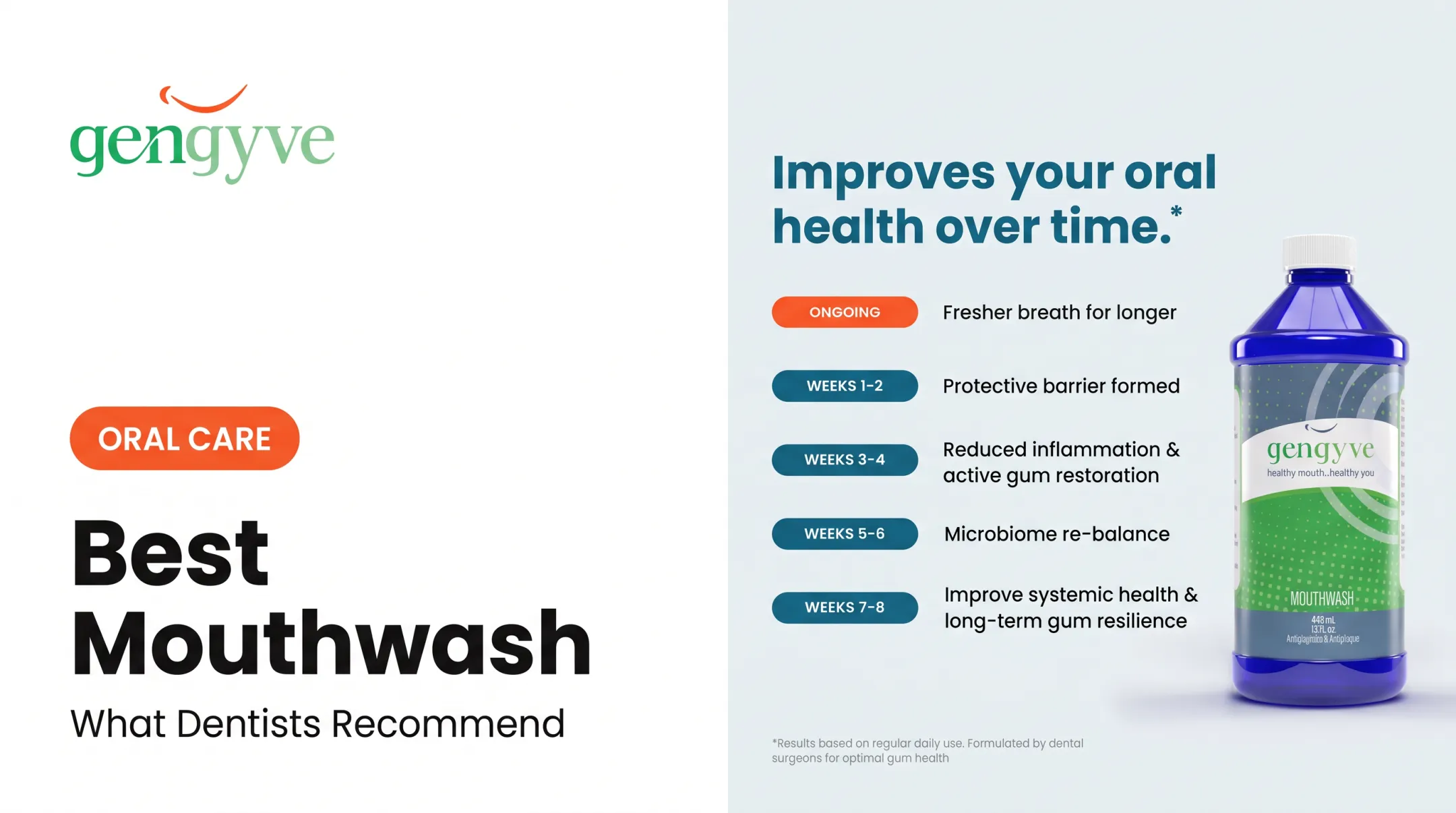
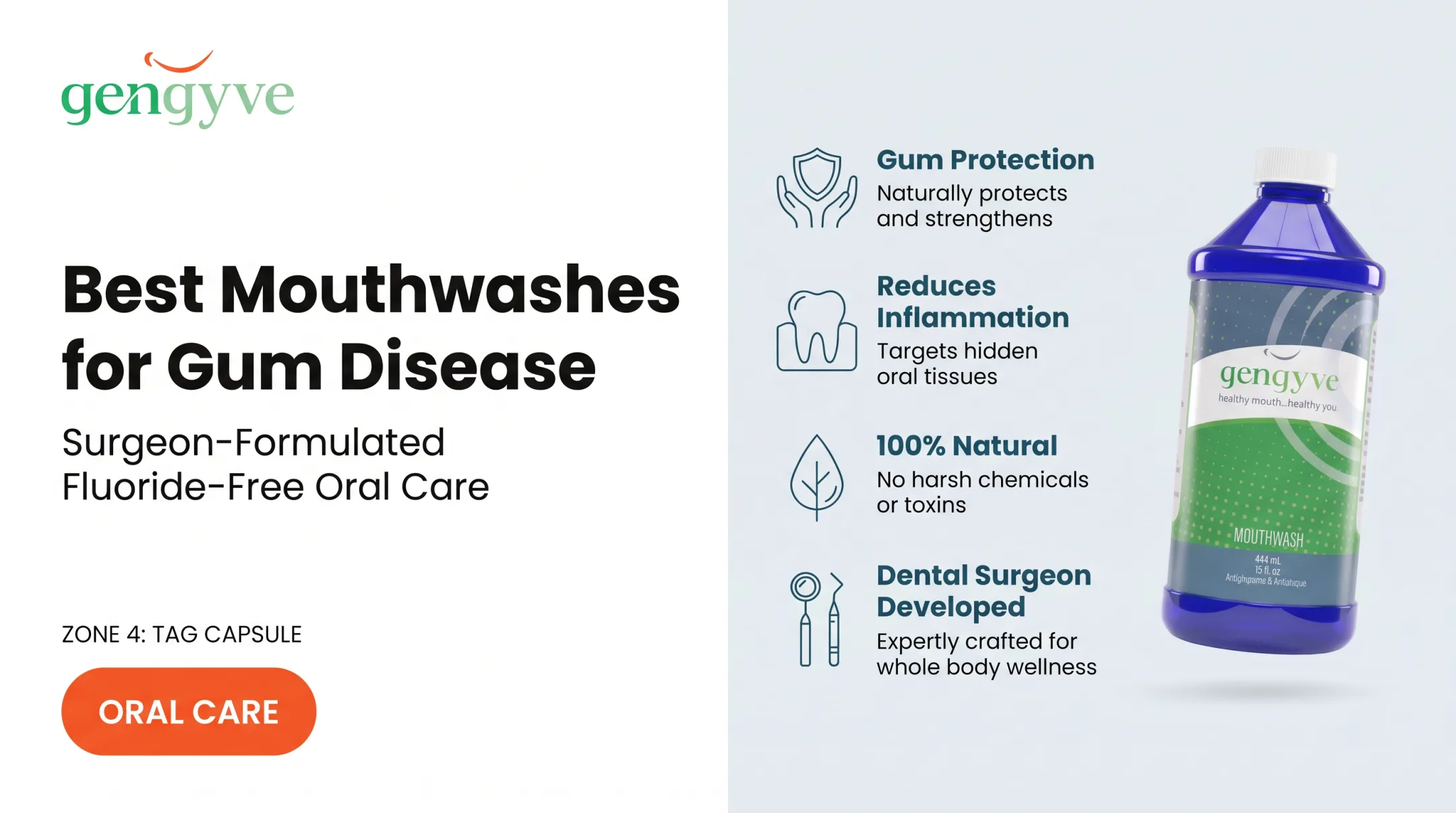
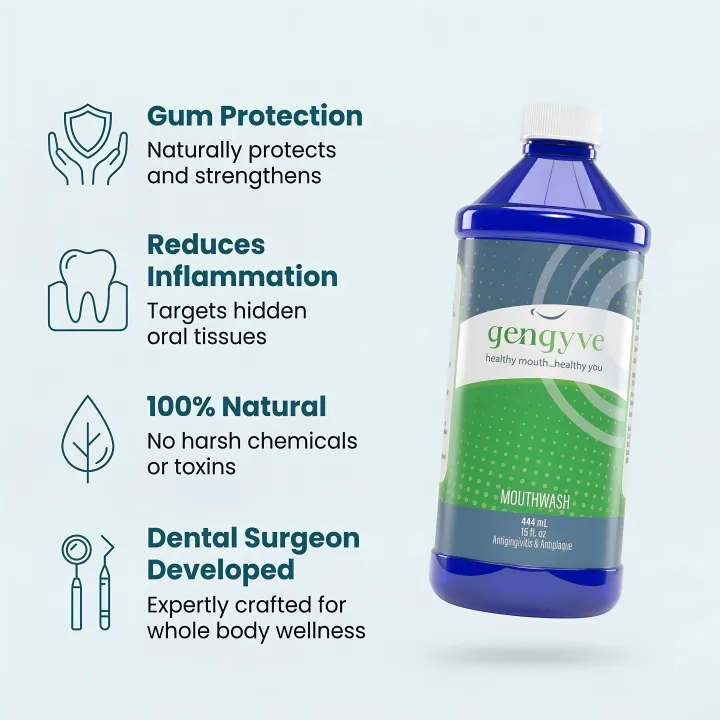
This is where product choice gets personal. Gengyve, developed by Dr. S. Thaddeus Connelly, an oral and maxillofacial surgeon and UCSF professor, combines CPC with hyaluronic acid in a formula free of alcohol, chlorhexidine, and fluoride.
In a 21-day randomized trial comparing it to chlorhexidine and placebo, the CPC-hyaluronic acid rinse limited plaque accumulation without the staining increase seen in the other two groups. That study doesn't prove the rinse treats established periodontitis, but it does show a gentler alternative can still perform on plaque control.

Gengyve is designed as a daily, long-term rinse rather than a short-term prescription product, which matters if you want something you'll stick with twice a day.
Get Professional Care and Manage Risk Factors
A dentist or hygienist can measure things a mouthwash never will: pocket depths, bleeding on probing, bone support, and plaque hiding below the gumline. Depending on findings, care might include:
- Routine cleanings on a schedule your dentist recommends
- Scaling and root planing for deeper pockets
- Periodontal maintenance visits, often every three to six months
- Referral to a periodontist for more complex cases
Alongside professional care, address what you can control. Stop tobacco use. Work with your healthcare team on blood sugar management if you have diabetes. Flag dry mouth or medications to your dentist, since both can raise periodontal risk.
Tips for Long-Term Prevention and Control
Staying ahead of gum disease takes a routine you keep revisiting over time.
- Track trends, not just symptoms. Note bleeding, swelling, bad breath, or implant changes, but remember symptom improvement doesn't confirm the bacteria are gone.
- Build a repeatable routine. Brush twice daily, clean between teeth once daily, and use your mouthwash at the label-directed time and amount. More isn't better.
- Keep records. Track cleaning intervals, pocket measurements from dental visits, tobacco status, and how your gums respond to products over time.
- Review the evidence periodically. After a cleaning or periodontal treatment, confirm your rinse has clinical support for its exact formulation. Skip homemade or overly concentrated rinses that can irritate tissue.
Gengyve is a gentle, alcohol-free, chlorhexidine-free rinse built for daily use without the burning or staining of stronger products. It works as a long-term complement to professional care, not a replacement for cleanings or periodontal treatment.
Many users report less sensitivity and bleeding within a couple of weeks of consistent use. Ongoing dental monitoring stays part of the plan either way.

Conclusion
P. gingivalis is one piece of a much larger puzzle in gum disease, not a single villain you can rinse away. Real prevention combines consistent plaque control, daily interdental cleaning, a mouthwash matched to actual evidence, and professional dental care.
If you're noticing persistent bleeding, swelling, deep pockets, recession, loose teeth, or changes around an implant, don't wait for a rinse to fix it. Call your dentist or periodontist. Mouthwash supports the routine; it doesn't replace the exam chair.
Frequently Asked Questions
What mouthwash kills Porphyromonas gingivalis?
No mouthwash reliably eradicates P. gingivalis from deep periodontal pockets. Chlorhexidine can reduce plaque in studies, but it is usually short-term and clinician-directed. Check each product's clinical evidence before assuming a rinse clears the bacteria.
Can you get rid of Porphyromonas gingivalis?
Treatment can reduce periodontal pathogens and control gum disease, but the goal is a stable, healthy mouth—not a sterile one. Professional cleanings, daily home care, and regular maintenance visits keep bacterial levels in check long-term.
How do you get Porphyromonas gingivalis?
Many people already carry P. gingivalis as part of their normal oral microbiome. Overgrowth is linked to plaque buildup, deep pockets, and risk factors like smoking or diabetes, not a single exposure.