That's the job of interdental cleaning, and string floss and floss picks are the two most common tools for it. Both work. Neither works automatically.
Your choice matters because technique, dexterity, dental work, and gum health all shape how effective any tool actually is in your mouth. A perfect flossing technique with the wrong tool still beats a sloppy technique with the "right" one.
This article compares string floss, floss picks, and water flossers, then walks through how to pick (and use) the option that fits your routine.
Key Takeaways
- String floss gives the most control for wrapping around each tooth's curve
- Floss picks are easier to handle and far better than skipping interdental cleaning altogether
- Technique matters more than the label: clean gently, cover both sides of each tooth
- Braces, bridges, implants, or limited dexterity often call for a specialized tool
- Persistent bleeding, pain, or swelling needs a dentist, not just a new product


What Are String Floss and Floss Picks—and Why Do They Matter?
What Are String Floss and Floss Picks, and Why Do They Matter?
String floss is a thin, flexible strand you guide between teeth by hand. You curve it into a C-shape against each tooth surface, sliding it gently up and down to scrape away plaque at the contact point and along the gumline.
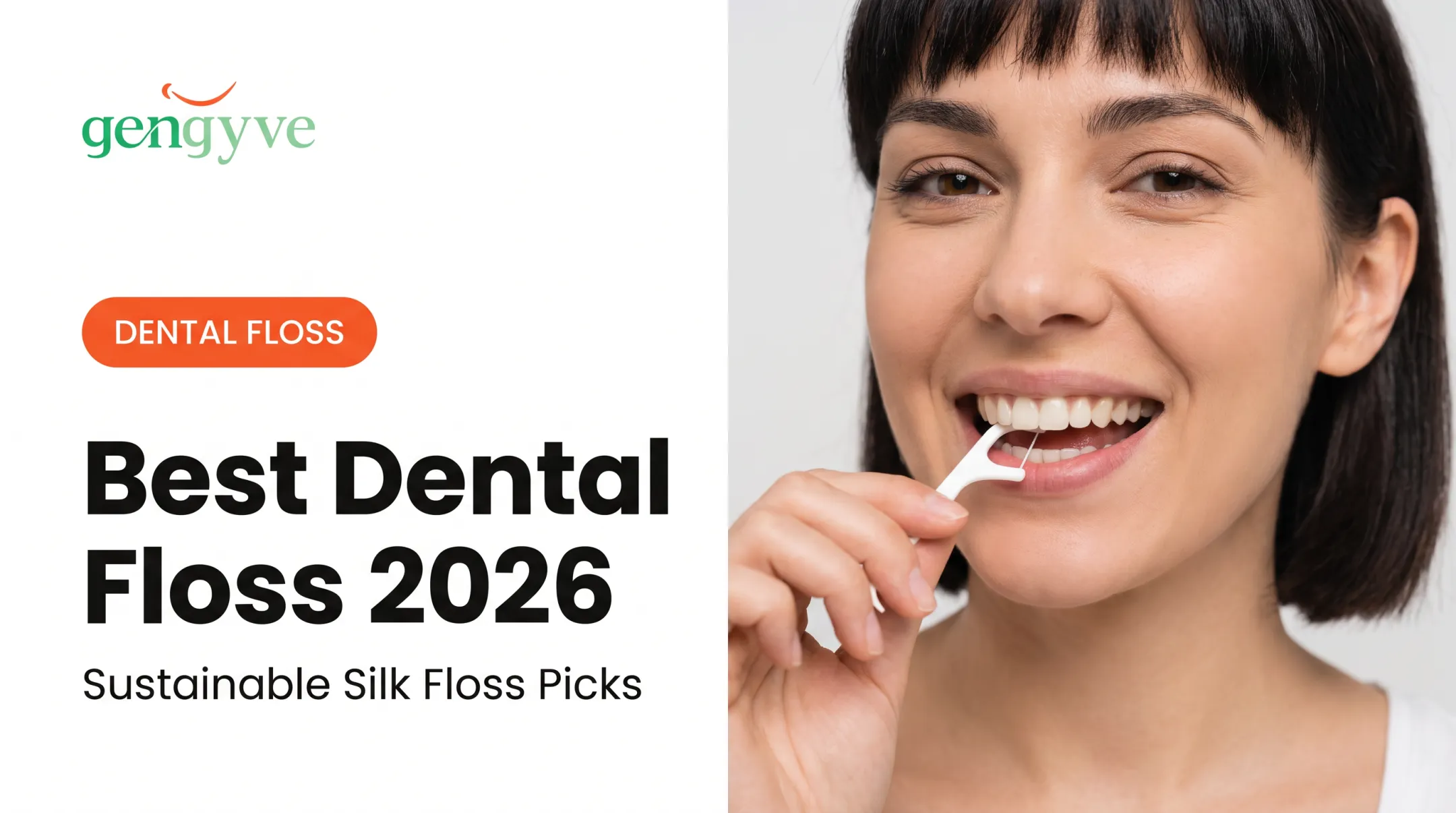
Floss picks take a short length of that same floss and stretch it tight between two prongs on a small plastic handle. Instead of wrapping floss around your fingers, you hold a handle, which simplifies gripping and makes one-handed use possible.
That handle design matters for specific groups:
- Beginners who haven't built finger dexterity for traditional flossing yet
- Children learning the habit for the first time
- Travelers who want a quick, no-prep option
- People with arthritis or limited hand mobility
Both tools exist to reach what a toothbrush physically can't. The ADA's floss guidance recommends cleaning between teeth once daily with floss or another interdental cleaner, a phrase that deliberately includes picks, not just string.
Neither tool replaces brushing or professional cleanings. The right choice for you depends on your tooth spacing, any dental work you have, how much manual control you've got, and, most importantly, whether you'll actually use it every day.
Types of String Floss and Floss Picks
"Better" isn't a fixed label here. The most useful tool is whichever one balances access, comfort, and consistent use for your specific mouth.
String Floss: Waxed, Unwaxed, and Tape
Floss comes in a few common forms:
- Waxed floss glides more easily through tight contacts
- Unwaxed floss is thinner and may fit narrower spaces more precisely
- Dental tape is flatter and wider, often preferred around crowns or wider gaps
The ADA notes there's no measurable effectiveness difference between waxed and unwaxed floss. Pick whichever glides comfortably for you.
Technique basics: Use about 18 inches, winding most around your middle fingers and leaving a few inches to work with. Gengyve's silk floss instructions follow this same approach, guiding a 45-centimeter (about 18-inch) length between teeth and curving it into a C-shape against each tooth before sliding up and down.
String floss offers the most contour control. You can press it into the natural curve of each tooth and use a fresh section for every gap. The trade-off is a real learning curve.
Reaching back molars, managing finger placement, and avoiding snapping the floss against your gums all take practice. People with arthritis or reduced grip strength often find it genuinely difficult.
Floss Picks: Convenience With a Catch
Floss picks trade some control for speed and simplicity. The taut strand and rigid handle make it easier to apply consistent pressure without the finger gymnastics string floss demands.
Better pick technique:
- Ease the floss through the contact point gently without forcing it
- Pause at the gumline rather than passing straight through
- Angle the strand against one tooth, then the other, inside the same gap
- Discard the pick after use rather than reusing it across multiple spaces

A randomized crossover trial comparing a handled flossing aid against finger-held floss in 30 adults found no statistically significant difference in plaque, gingivitis, or bleeding scores between the two methods. In that study, 55% of participants actually preferred the handled device.
That's named-device evidence, not proof every pick on the shelf performs identically, but it does undercut the idea that picks are automatically inferior.
The real downsides are limited contour flexibility and more plastic waste. A short, fixed strand wraps less cleanly around curved tooth surfaces, and each pick is typically reused across several gaps before being tossed.
Water Flossers as a Related Alternative
A water flosser is a powered device that aims a pulsating stream of water between teeth and along the gumline. It doesn't physically contact and scrape the tooth the way string floss or a pick does; it dislodges debris with pressure instead.
ADA-accepted water flossers have been tested as safe and effective for plaque removal and can help reduce gingivitis. They're often suggested for:
- People with braces or other orthodontic appliances
- Those with bridges or implants where string floss is hard to maneuver
- Anyone who struggles with manual flossing dexterity
Evidence on water flossers versus string floss is genuinely mixed depending on the condition studied. One 30-day implant trial found reduced bleeding on probing in 18 of 22 implants using a water flosser compared to 6 of 18 with string floss, a meaningful difference.
Orthodontic trials have produced inconsistent results, with some showing no significant advantage over floss at all. Water flossing and contact-based flossing simply clean differently; one doesn't automatically replace the other without a dentist's input for your specific situation.
How to Choose the Right Interdental Cleaner
The right tool depends on fit and sustainable daily use, not popularity.
Factors to Weigh
Oral anatomy and spacing. Tight contacts, crowded teeth, wider gaps, or deeper gum pockets change which tool actually reaches the plaque. Tape might suit wider spaces; thin unwaxed floss might slide better through tight ones.
Dental work and conditions. Braces, bridges, crowns, implants, retainers, or diagnosed gum disease all change the calculus. Ask your dentist or hygienist for instructions specific to your mouth rather than guessing.
Dexterity and comfort. String floss demands finger control that not everyone has. A handled pick or water flosser removes much of that burden, which matters especially for older adults or anyone with arthritis.
Lifestyle and sustainability. Consider portability, how often you'll realistically use the tool, and how much disposable packaging you're comfortable generating over a year.

A Practical Decision Summary
| Choose this | When |
|---|---|
| String floss | You can manage the technique and want maximum contour control |
| Floss pick | It meaningfully improves whether you'll actually floss daily |
| Water flosser or specialized tool | Dental work or dexterity makes conventional flossing genuinely difficult |
Interdental cleaning works best alongside brushing and a gentle daily mouthwash, not as a replacement for either. Gengyve USA, developed by a practicing oral surgeon, makes an alcohol-free rinse designed to sit comfortably in that same routine without irritating sensitive gum tissue.
What to Check Before Finalizing a Flossing Method
Don't default to the most advanced or popular option if it's uncomfortable or unlikely to stick as a habit. A $30 water flosser gathering dust in a drawer helps nobody.
Watch for warning signs that mean "see a dentist," not "switch products":
- Persistent bleeding during or after flossing
- Swelling, tenderness, or ongoing bad breath
- Pain that doesn't ease up after a few days
- Food repeatedly getting trapped in the same spot
Before settling on a method, confirm it's compatible with any braces, implants, bridges, or specific gum-health instructions your dentist has already given you. Technique drifts over time too. Ask a hygienist to demonstrate the best approach for your trickiest spots, especially back molars, rather than assuming a tool is doing its job just because you're using it daily.
Conclusion
String floss offers flexible, tooth-by-tooth control once you've built the technique. Floss picks trade some of that precision for convenience and accessibility, which for many people means the difference between flossing daily and not flossing at all.
Gentle, correct, consistent use beats brand loyalty or tradition every time. If you're dealing with dental work, gum disease symptoms, persistent bleeding, or dexterity challenges, loop in a dental professional for guidance tailored to your mouth rather than guessing your way through it.
Frequently Asked Questions
How do you properly floss with floss picks?
Ease the pick gently through the contact point without snapping it. Angle the strand against each tooth separately, pause carefully at the gumline, and use a clean pick rather than reusing a contaminated one across multiple gaps.
Are floss picks as effective as string floss?
String floss gives more control around each tooth's curve, but floss picks can work well for many people when used correctly and consistently. Your specific dental needs may shift which option your dentist recommends.
Can a Waterpik replace traditional flossing?
Water flossing and contact-based flossing clean differently, so one doesn't automatically replace the other. If you have braces, implants, bridges, or gum disease, follow your dentist's specific recommendation for your situation.
What is the difference between floss and a flosser?
Floss is the filament material itself. A "flosser" can mean a pre-threaded pick holding that floss, or a water flosser that uses pulsed water instead of physical contact.
Which type of dental floss is easiest to use?
It depends on your tooth spacing, dexterity, and comfort. Some people find waxed floss glides easiest, others prefer dental tape for wider gaps, and many find floss picks or water flossers simpler to handle overall.
How often should you use a water flosser?
Follow the device's instructions and your dentist's advice, generally once daily. Interdental cleaning, whatever tool you choose, works best as a consistent part of your daily oral-care routine rather than an occasional habit.