
The right floss for tight contacts is usually thin, smooth, and strong enough to glide through without you having to force it. But material alone won't fix the problem if the floss feels unpleasant to use every day. According to ADA's floss guidance, the right interdental tool depends on your specific anatomy, not a single "best" product.
This guide compares floss materials, floss picks, and specialty tools for dental work, plus the technique and warning signs worth knowing before you keep pushing through a contact that won't cooperate.
Key Takeaways
- Thin waxed nylon or smooth monofilament floss glides through narrow contacts and resists shredding.
- Floss picks are convenient, but fixed strands give less tooth-by-tooth control than string floss.
- Crowns, bridges, braces, and implants may need threaders, super floss, or dentist-recommended tools.
- Persistent pain, bleeding, odor, or a contact that never clears warrants a dental visit.
Overview of Dental Floss for Tight Teeth
"Tight contacts" simply means the space between two adjacent teeth is narrow enough that floss meets resistance passing through. Brushing alone can't clean this area or the gumline tucked just beneath it, which is why interdental cleaning matters even when your teeth look clean on the surface.
A few features determine whether floss works well in a narrow space:
- Slim profile that doesn't require force to enter the contact
- Smooth surface that reduces drag against enamel and restorations
- Enough tensile strength to avoid snapping mid-use
- Low shred tendency, so fibers don't catch and fray
- Flexibility to curve into a C shape around each tooth
Some resistance is normal. Gentle back-and-forth motion usually works it through. But repeated breakage, sharp pain, or one spot that's always blocked is worth paying attention to.
That kind of pattern can point to plaque buildup, an overhanging filling edge, tooth position, or gum inflammation. A single difficult contact isn't automatically a dental emergency, but it's not something to force through week after week either.

The options below are organized by material and use case, not by brand popularity.
Best Dental Floss Options for Tight Teeth
The goal here is simple: floss that passes with gentle control, stays intact, cleans both tooth surfaces, and works with whatever dental hardware you already have. Here's how the main options stack up.
Thin Waxed Nylon Floss
A thin, lightly waxed nylon strand tends to slide more easily than loose, unwaxed fiber bundles, which makes it a reasonable first try for close contacts. The wax coating reduces drag as the floss moves past tight points of contact.
Strand thickness, coating type, and shred resistance still vary between products. Check actual specifications rather than marketing claims alone.
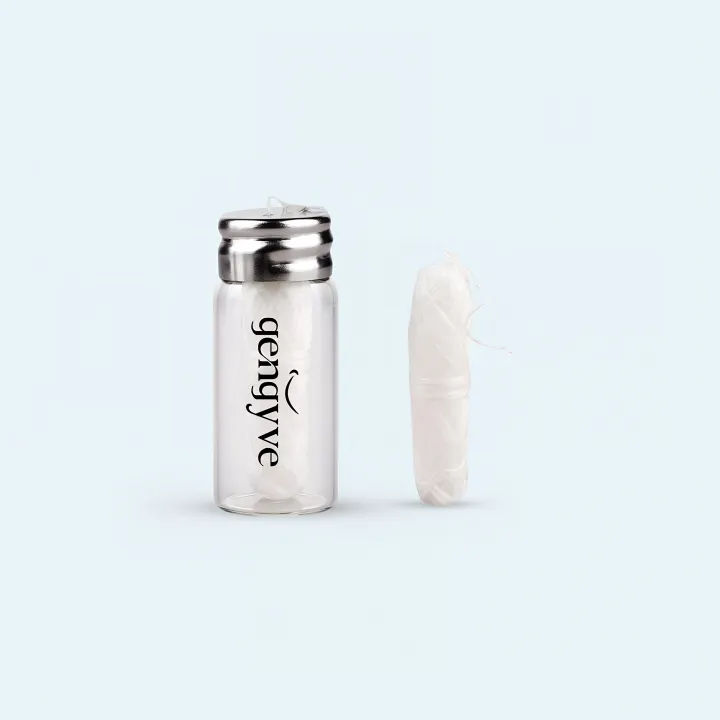
Silk-based options fall into a similar category. Gengyve's Silk Floss, for instance, uses natural silk fiber with a light plant-based wax coating that glides between teeth and stays gentle on sensitive gums.
The simple test for any waxed floss: does it pass without force and come out intact? If a product feels bulky on an especially narrow contact, move on.
PTFE or Other Smooth Monofilament Floss
Monofilament floss, often made from PTFE, is a single smooth strand rather than a woven bundle. That construction is one reason it's frequently chosen for tight or crowded contacts.
A 2023 floss study found that PTFE floss received better subjective fraying ratings than nylon floss. That's a meaningful handling difference, but it's a fraying score, not a verified measure of superior plaque removal.
Smooth doesn't mean you should push harder. Monofilament floss still needs to curve around each tooth gently rather than being forced straight through a tight point.
Thin Unwaxed Floss
Unwaxed floss feels slimmer and gives more tactile feedback, which some people prefer for control. The tradeoff: it's more prone to fraying when a contact is unusually tight or irregular.
This option tends to suit people who:
- Dislike the texture of waxed floss
- Want more feel for where plaque sits along the tooth
- Can pass it through their contacts without repeated shredding
A simple rule applies here. Keep using it if it glides gently and stays whole. Switch to something smoother if it keeps catching or tearing apart mid-use.
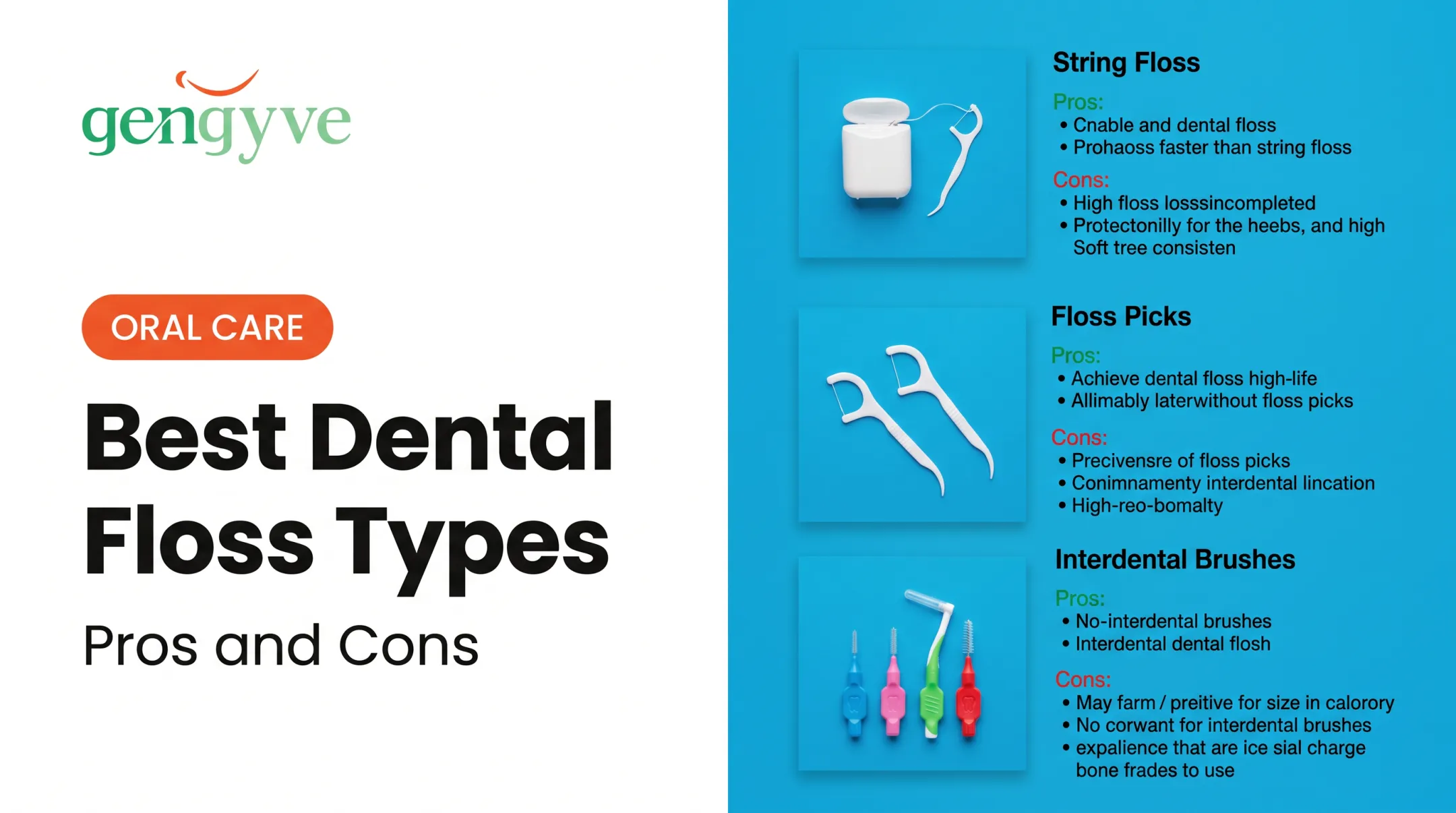
Floss Picks for Tight Teeth
Floss picks solve a real problem: convenience. They're easy to carry, useful for people with limited dexterity, and a reasonable entry point for anyone who avoids string floss entirely.
The catch is the fixed, short strand, which can limit how well you angle it around each tooth surface.
A few technique basics help:
- Guide the pick in gently with a small back-and-forth motion instead of forcing it straight down.
- Clean both sides of each tooth, not just whichever side is easiest to reach.
- Avoid snapping the strand against the gumline.

Look for picks with a thin, smooth, properly tensioned strand, and consider reusable designs if reducing waste matters to you.
Super Floss, Threaders, and Water Flossers for Dental Work
Crowns, bridges, braces, and implants change the calculus. A single crown behaves much like a natural tooth for flossing purposes, but a bridge is different. It connects teeth underneath, so you need to get floss beneath the restoration, not just around it.
Specialty tools break down this way:
| Tool | Best Fit | Main Advantage | Possible Limitation |
|---|---|---|---|
| Floss threaders / super floss | Bridges, braces, fixed retainers | Reaches under connected restorations | More steps, takes longer |
| Water flosser | Braces, limited hand mobility | Covers hard-to-reach spots | Doesn't replicate floss's scraping motion at tight contacts |
| Standard string floss | Natural teeth, single crowns | Full control tooth by tooth | Requires more dexterity |
Water flossers can supplement or substitute for string floss, but they don't fully replace the physical contact floss makes against the tooth surface. For implants, periodontal pockets, or anything post-surgical, follow your dentist or hygienist's specific tool recommendation rather than guessing.
How We Chose the Best Floss
The priority here was fit for narrow contacts over general popularity. That meant evaluating:
- Passage and control: does it enter the contact without force and allow you to curve it against each tooth
- Shred resistance: does it stay intact through repeated use in the same tight spot
- Compatibility: does it work around crowns, bridges, braces, implants, or retainers without extra tools
- Consistency factor: will you actually use it daily, since the best floss on paper is useless if it sits in a drawer
For strength, the ADA's manual interdental cleaner standard requires floss to withstand 10 newtons in laboratory tensile testing. That's a strength benchmark, not a measure of glide or comfort, which is why material comparisons and user experience both matter.
A few common mistakes come up repeatedly:
- Reaching for bulky dental tape on a contact that's genuinely narrow
- Forcing floss through a spot with a damaged or overhanging filling
- Using a floss pick on only one side of each tooth
- Swapping products every week instead of booking an exam when a contact consistently won't clear
Snapping floss into the gum tissue is a particularly avoidable mistake. NIDCR's flossing guidance specifically flags this as a cause of pain and tissue damage, not just an unpleasant habit.
Conclusion
Thin, smooth waxed or monofilament floss is a reasonable starting point for tight teeth. But the "right" choice ultimately comes down to what passes gently, holds together, and fits into your actual routine without a fight.
Floss picks, threaders, super floss, and water flossers each have a place, particularly for braces, bridges, implants, or limited dexterity. None of them should ever be forced into a spot that hurts.
Flossing is one piece of a daily routine that also includes brushing and, for many people, a rinse. After brushing and flossing, you may want an alcohol-free, chlorhexidine-free rinse to round out your routine.
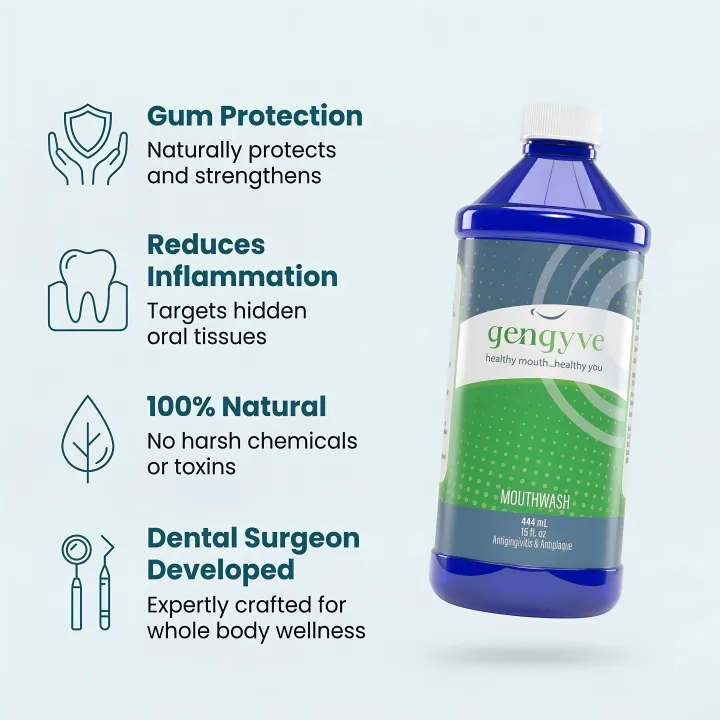
Gengyve's mouthwash, developed by a practicing oral and maxillofacial surgeon, is designed as that everyday addition, not a substitute for flossing or a treatment for any dental condition.
Frequently Asked Questions
What is the best floss for tight teeth?
A thin, smooth, shred-resistant waxed or monofilament floss is a practical starting point. The real answer is whichever floss passes without force and that you'll actually use every day.
What floss picks are good for tight teeth?
Look for a pick with a thin, smooth strand and adequate tension rather than a bulky one. Check current product specs closely, since a fixed pick typically offers less tooth-by-tooth control than string floss.
What is the best floss to use with dental crowns?
A single crown can usually be flossed gently with regular string floss, similar to a natural tooth. A bridge is different and typically needs a threader or super floss to clean underneath it. See a dentist if a contact near a crown keeps catching or hurts.
Why do my teeth feel tight or sore when I floss?
Possible causes include naturally narrow contacts, gum inflammation, forceful technique, or an issue with a filling or restoration. Sharp pain, ongoing soreness, bleeding, swelling, or floss that keeps breaking are all reasons to get it checked.
What is the best dental floss on the market?
There's no single best brand or material for every mouth. Choose based on how tight your contacts are, any dental work you have, comfort, shred resistance, and whether you'll stick with it daily.