If flossing around your retainer feels clumsy at first, you're not doing it wrong. Many people struggle with the threading, the angle, and the fear of snapping floss against sensitive gums. Gum health here depends less on willpower and more on the right tool, a gentle technique, and daily consistency.
This guide walks through the exact steps, the tools worth trying, a simple daily routine, warning signs to watch for, common mistakes, and when it's time to call your dentist or orthodontist.
Key Takeaways
- Guide floss beneath the wire using a floss threader or super floss, never by force
- Clean every tooth connected to the retainer, curving floss into a "C" shape around each one
- Floss gently and daily to avoid cutting gums or stressing the bonded wire
- A water flosser or alcohol-free mouthwash can supplement cleaning, not replace it
- Call a dentist if the wire feels loose, sharp, broken, or gums bleed persistently
How to Floss with a Permanent Retainer
The right technique depends on your specific appliance. Some wires are bonded to every tooth individually; others attach mainly near the end teeth with a gap running along the back of the others. Always follow your orthodontist's instructions for your exact setup. This guide covers the general approach that works for most fixed retainers.


Before You Begin
Gather your supplies first:
- Soft-bristled toothbrush and fluoride toothpaste
- Regular dental floss with a floss threader, or super floss
- A small mirror and good lighting
- Optional: a water flosser for supplemental rinsing
Wash your hands, then inspect the wire under strong light for movement, bending, or sharp edges. Pay special attention behind the lower front teeth, where visibility is poor. If anything feels detached or painful, skip forceful flossing and call your orthodontist instead.
Step 1: Guide the Floss Under the Wire
Thread regular floss through the loop of a floss threader, or use the stiffened end of super floss to slide beneath the wire. Move it slowly between the appropriate teeth.
Never snap the floss against your gums or yank upward on the wire. If it resists, back off and try a slightly different angle rather than forcing it through.
Step 2: Clean Between and Around Each Tooth
Once the floss sits beneath the wire, curve it into a "C" shape against one tooth. Slide it gently up and down, following the tooth's curve toward the gumline.
If your retainer is bonded to each individual tooth, you'll need to rethread for every gap. If it's only anchored at the ends, you may be able to guide floss along the wire while still cleaning each contact point separately.
Step 3: Move to the Next Space
Remove the floss carefully, use a clean section if needed, and repeat across every tooth connected to the wire. Floss your remaining teeth normally, then brush the front, back, and gumline around the retainer with a soft-bristled brush.

Step 4: Rinse and Check Your Work
Rinse with water to flush loosened debris, then check your work in the mirror. Look for trapped food, lingering plaque, or any bleeding.
Some people add an alcohol-free, chlorhexidine-free rinse as a finishing step. Gengyve's mouthwash, for example, is designed for morning and night use alongside normal brushing and flossing, not instead of them. A rinse can freshen breath and soothe tender gums, but it doesn't substitute for the mechanical cleaning you just did.
When and Why to Floss with a Permanent Retainer
Fixed wires create what dentists call plaque-retentive areas: tight spaces near the gumline and between teeth where a toothbrush alone simply can't reach. Left alone, that trapped plaque hardens into tartar and irritates the gum tissue around it.
The AAO's retainer guide is direct about this: brush and floss between the wire and your teeth every day. Pick a consistent time, such as your evening routine, and stick with whatever frequency your dentist or orthodontist recommends for your situation.
Watch for these signs that cleaning needs more attention:
- Gums that bleed persistently, not just occasionally
- Puffy, red, or tender gum tissue
- Bad breath or a lingering bad taste
- Visible tartar buildup near the wire
- Localized soreness around one tooth or area
If any of these show up, flossing harder will not help. See a dental professional for an evaluation.
Choosing the Right Tool and Completing Your Routine
No single tool works best for every retainer or every person. The right choice depends on access, dexterity, cost, and what your dentist recommends for your specific wire.
Floss Threader
A reusable threader guides ordinary floss beneath the wire and costs very little. It's adaptable to almost any retainer design, though it takes some patience and finger dexterity to master at first.
Super Floss or Pre-Threaded Floss
Super floss has a built-in stiffened end that slides under the wire without a separate threader (one less step to juggle). Gengyve's Silk Floss, made from 100% natural silk, glides smoothly between teeth and works well paired with a threader for retainer wearers who want a gentler feel against sensitive gums.
Water Flosser
A water flosser flushes loose food and debris around the wire and can help people with limited hand dexterity. A 2026 clinical trial comparing water flossers and interdental brushes in adults with bonded lower retainers found the water flosser group had lower plaque, gingival, and calculus scores after six months.
The study didn't compare water flossing against string floss, so treat it as a supplement unless your dentist says otherwise.
Interdental Brush and Toothbrush Care
A properly sized interdental brush can reach accessible spaces around the wire, but never force one into a tight contact . It should assist your routine, not replace under-wire flossing. Finish by brushing the front and back surfaces of your teeth, the wire itself, and the gumline with gentle pressure.
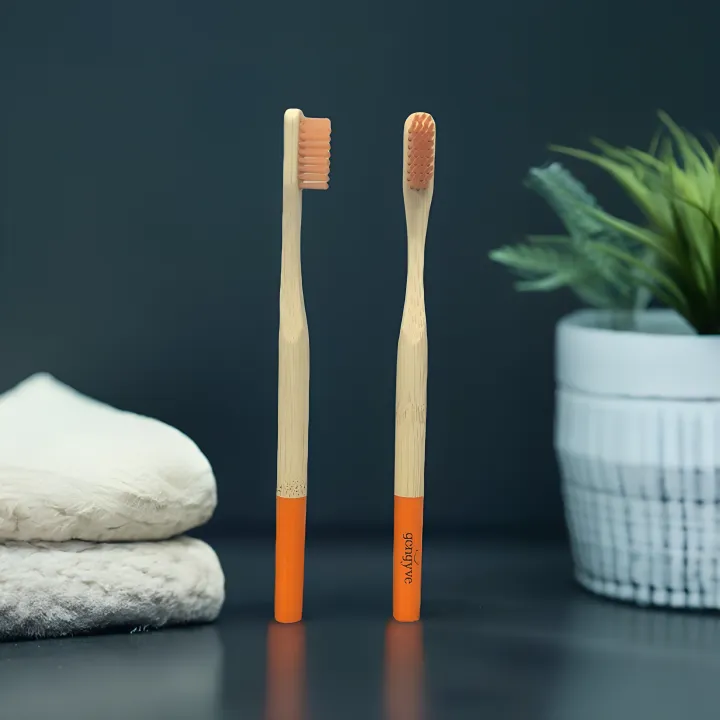
A bamboo toothbrush with soft bristles works fine here; pair it with regular professional cleanings to remove any tartar that's already hardened.

Common Mistakes and Troubleshooting
Most problems trace back to forcing the floss, skipping hard-to-reach spaces, using the wrong tool, or continuing to floss aggressively after the retainer is already damaged.
Floss Is Stuck Under the Retainer
Stay calm and stop pulling sharply. Try gently reversing the path or loosening the floss with small, controlled movements. If it won't release without force, or the wire moves at all, call your dental office.
The Wire Feels Loose, Bent, or Sharp
Don't bend it back, cut it, or keep testing it with your tongue. Contact your orthodontist promptly and follow any interim instructions about eating carefully or wearing a removable retainer if one's provided.
Gums Bleed or Feel Sore
Minor bleeding can happen the first few times you clean inflamed gums thoroughly. But bleeding that's heavy, worsening, or localized to one spot needs professional evaluation, not a harder flossing session.
Food and Plaque Keep Collecting
If buildup persists:
- Check your flossing sequence: are you missing any tooth connected to the wire?
- Improve your lighting and mirror angle
- Ask your hygienist for a hands-on demonstration at your next visit
Using Only Mouthwash or Water
Rinses and water flossers help with debris and freshness, but according to NIDCR's oral care guidance, they complement daily brushing and cleaning between teeth. They don't replace the mechanical plaque removal your retainer needs.

Alternatives and Related Care
There's no shortcut that replaces cleaning beneath a fixed retainer. The real choice is which access tool works for you, or whether your orthodontist thinks the retainer design itself should be reconsidered.
Removable retainers come up sometimes as an alternative, but that's a decision for your orthodontist, not a DIY swap. They're easier to take out for cleaning, but only work if you wear them consistently.
Related care still matters:
- Avoid hard, sticky, or excessively chewy foods if your orthodontist has flagged them as a risk to your wire
- Keep up with regular dental exams, especially if you have gum disease, implants, recent oral surgery, or limited dexterity
- Schedule professional cleanings to catch tartar buildup that daily flossing alone can miss
Conclusion
Flossing with a permanent retainer isn't complicated once you get the motion down: guide the floss beneath the wire, curve it around every tooth, and keep your touch gentle.
The best tool is whichever one you'll actually use correctly every day. A water flosser, interdental brush, or alcohol-free rinse can round out that routine, but none of them replace direct plaque removal.
If you notice persistent bleeding, pain, trapped floss that won't budge, visible tartar, or a wire that feels loose, bent, or sharp, that's your cue to call a dentist or orthodontist rather than waiting it out.
Frequently Asked Questions
How do you floss with a permanent retainer?
Use a floss threader or super floss to guide floss beneath the wire, then curve it into a "C" shape around each tooth and slide it gently up and down. Avoid pulling on the retainer itself.
What tool can I use to floss under a permanent retainer?
Floss threaders, super floss, and water flossers all work, though the best choice depends on your retainer's design, your dexterity, and your dentist's recommendation.
What type of dental floss is best for permanent retainers?
Regular floss paired with a threader, or super floss with a built-in stiffened end, both work well beneath the wire. Consistent, correct use matters more than the specific brand or material.
My floss is stuck in my permanent retainer — what should I do?
Don't yank it or cut it blindly. Try gentle reverse movements first, and contact your dentist or orthodontist if it won't come free or the wire shifts at all.
What is a permanent retainer?
It's a custom, bonded wire placed behind your teeth after orthodontic treatment to help limit movement. Unlike removable retainers, you can't take it out yourself.
Can you chew gum with a permanent retainer?
Gum can stress the wire or trap debris underneath it, so follow your orthodontist's specific advice. Stop immediately if your retainer starts to feel loose or uncomfortable.