
Introduction
Not all mouthwash does the same job. A therapeutic mouthwash contains active ingredients formulated to support a specific oral-health goal—plaque control, gingivitis management, cavity prevention, dry-mouth relief, or comfort for irritated gum tissue.
That's different from a cosmetic rinse, which mostly just masks bad breath for a few hours.
The problem? Store shelves are packed with bottles promising "clinical strength" results, and it's genuinely hard to tell which claims hold up. Does alcohol-free actually matter? Do you need a prescription? Is that "natural" label backed by anything?
This guide breaks down the difference between therapeutic and cosmetic rinses, compares the active ingredients doing the real work, and walks through how to pick a rinse for your specific situation. One thing to keep in mind throughout: mouthwash supports your routine. It doesn't replace brushing, flossing, or a dentist's exam.
Key Takeaways
- Therapeutic rinses are defined by active ingredients tied to a specific benefit, not marketing language
- The right rinse depends on your goal—gingivitis, decay risk, dry mouth, sensitivity, or post-procedure healing
- Prescription rinses and OTC therapeutic rinses aren't interchangeable; follow label and clinician instructions
- Persistent bleeding, swelling, pain, or sores need a dental exam, not just a different bottle
What Are Therapeutic Mouthwashes and Oral Rinses?
"Therapeutic mouthwash," "mouth rinse," and "oral rinse" get used interchangeably, and honestly, the wording on the bottle tells you very little. What matters is what's inside it and what it's actually formulated to do.
Therapeutic vs. Cosmetic: The Real Difference
Cosmetic rinses offer a temporary breath or taste benefit without any chemical or biological action beyond that, according to ADA's mouthrinse page. Therapeutic rinses contain ingredients intended to control or reduce a specific condition, such as plaque buildup, gingivitis, or tooth decay.
The regulatory picture adds another layer. The FDA doesn't have one blanket approval for "therapeutic mouthwash." Instead, different ingredient categories fall under separate OTC monographs:
- Anticaries products (fluoride rinses) fall under FDA Monograph M021
- Oral wound-cleansing products (certain peroxide formulations) fall under Monograph M022
- Some antimicrobial agents, like chlorhexidine, require a prescription
What the ADA Seal Actually Tells You
The ADA Seal of Acceptance is a useful signal, but it's claim-specific. For gingivitis products, current ADA criteria call for two independent, placebo-controlled studies lasting at least three months that measure both gingivitis and plaque.

A product without the seal isn't automatically ineffective. Plenty of solid products simply haven't applied. But you should still check:
- The active ingredient and its concentration
- The specific claim being made (plaque vs. gingivitis vs. decay)
- Directions for use and any warnings
- Whether evidence supports that exact formulation, not just the ingredient category in general
Which Active Ingredients Are Used—and What Do They Do?
Match the ingredient to the problem. A rinse labeled "clinical" or "natural" doesn't tell you anything useful on its own. The active ingredient does.
Antimicrobial Ingredients
| Ingredient | What it does | Trade-offs |
|---|---|---|
| Cetylpyridinium chloride (CPC) | Reduces oral bacteria and plaque | Possible staining, taste changes, burning |
| Essential oils (eucalyptol, menthol, thymol) | Added plaque/gingivitis reduction alongside brushing | Strong taste; not a standalone treatment |
| Chlorhexidine | Prescription-strength plaque reduction | Staining with extended use, altered taste, prescription-only |
A 2025 systematic review found no significant difference between CPC and chlorhexidine for plaque or gingivitis control in studies where participants also brushed normally, though chlorhexidine performed better in non-brushing models.
Chlorhexidine's own prescribing label notes that staining tends to show up after four weeks or longer of continuous use. That is one reason it's typically prescribed for defined, short-term periods rather than indefinite daily use.
Fluoride for Cavity Prevention
Fluoride rinses support enamel remineralization and help prevent decay, but they're not automatically necessary for everyone. A person already getting fluoride from toothpaste, tap water, and professional treatments may not need an additional rinse.
A Cochrane review of fluoride rinses found a 27% reduction in permanent-tooth surface decay among school-age children using supervised fluoride rinses. That is solid evidence, but it is tied specifically to that supervised, pediatric context, not a universal guarantee for adults.
Peroxide and Whitening Rinses
Peroxide rinses address extrinsic staining or serve as temporary wound cleansers. They are not gum-disease treatments. The FDA's wound-cleanser monograph specifies a 3% solution diluted with equal parts warm water, used for no more than seven days unless a dentist says otherwise. That's a specific, limited-use product, not general whitening guidance.

Moisturizing and Barrier-Support Ingredients
For dry mouth or irritated tissue, ingredients like hyaluronic acid and saliva-supportive compounds aim to add comfort and hydration. Evidence here is more preliminary. Small trials show symptom improvement, but they often combine hyaluronic acid with other active ingredients, so isolating its individual effect is tricky.
These products support comfort; they don't heal surgical sites or treat disease independently.
Prescription-Strength Options
Dentists reach for prescription rinses (chlorhexidine being the most common) for periodontal disease, severe inflammation, or post-surgical situations. Duration matters here. These are typically short-term protocols with defined dosing and follow-up, not something to keep using indefinitely without re-evaluation.
How Do You Choose the Right Therapeutic Rinse?
Start with your actual goal. One formula rarely covers every concern.
For gingivitis or bleeding gums: Antimicrobial rinses can be a useful adjunct, but they can't remove hardened calculus or substitute for a periodontal exam and professional cleaning. If bleeding persists beyond a week or two of improved brushing and flossing, book an appointment rather than switching rinses again.
For dry mouth or sensitive tissue: Alcohol-free, non-irritating formulas tend to be easier to stick with. A rinse that burns gets used less often, which defeats the purpose regardless of what the label promises.
For post-surgical or implant care: Use only what your treating clinician recommends, at the timing they specify. Some procedures call for gentle swishing or delayed rinsing rather than vigorous use.

Reading the Label Before You Buy
- Active ingredient and concentration
- Alcohol content (relevant for dry mouth, mucositis, or recovering patients)
- Fluoride concentration, if present
- Age range and directions
- Warnings and contact-time instructions
- Whether evidence actually supports the specific claim made
An Example Worth Knowing
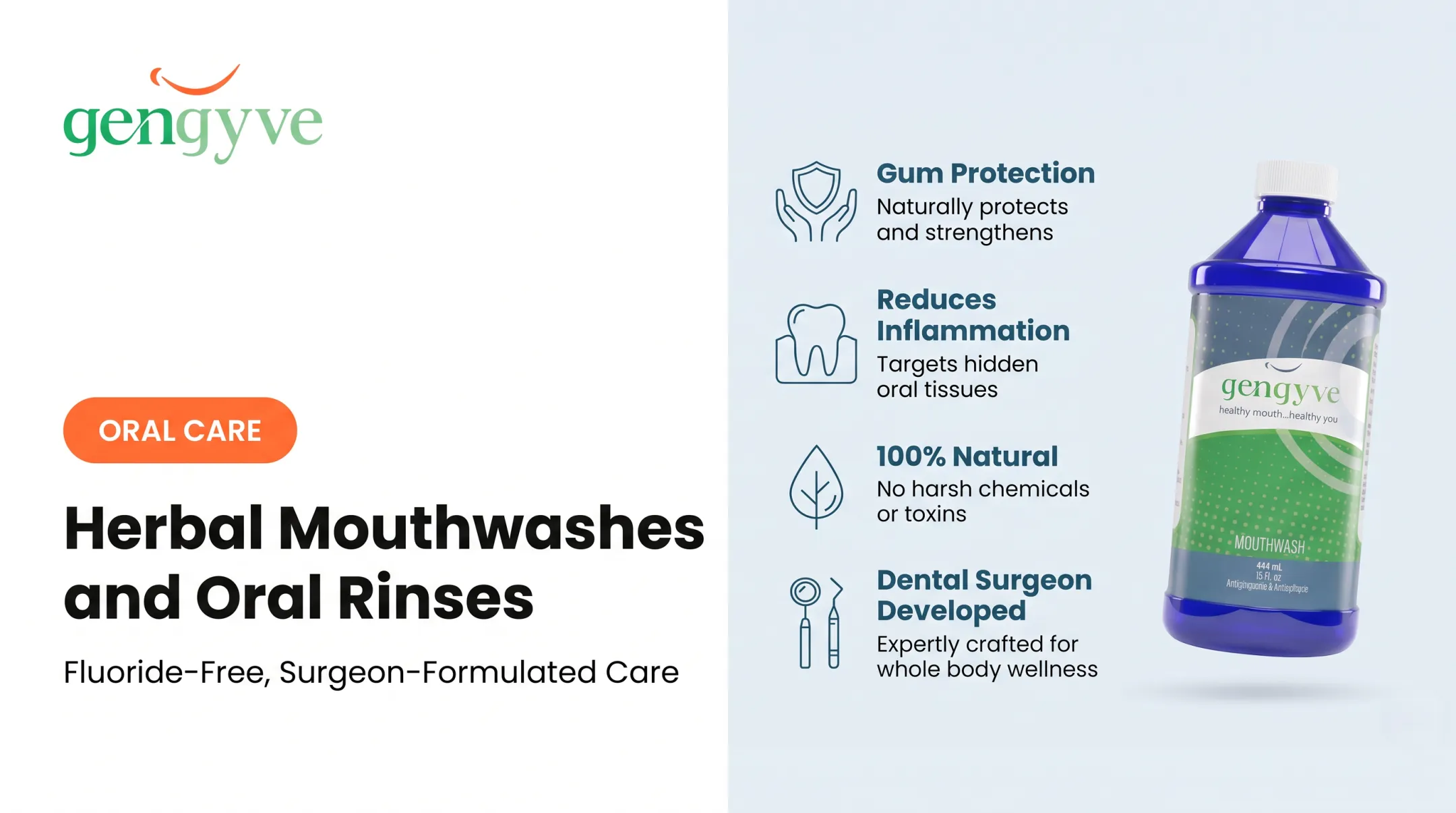
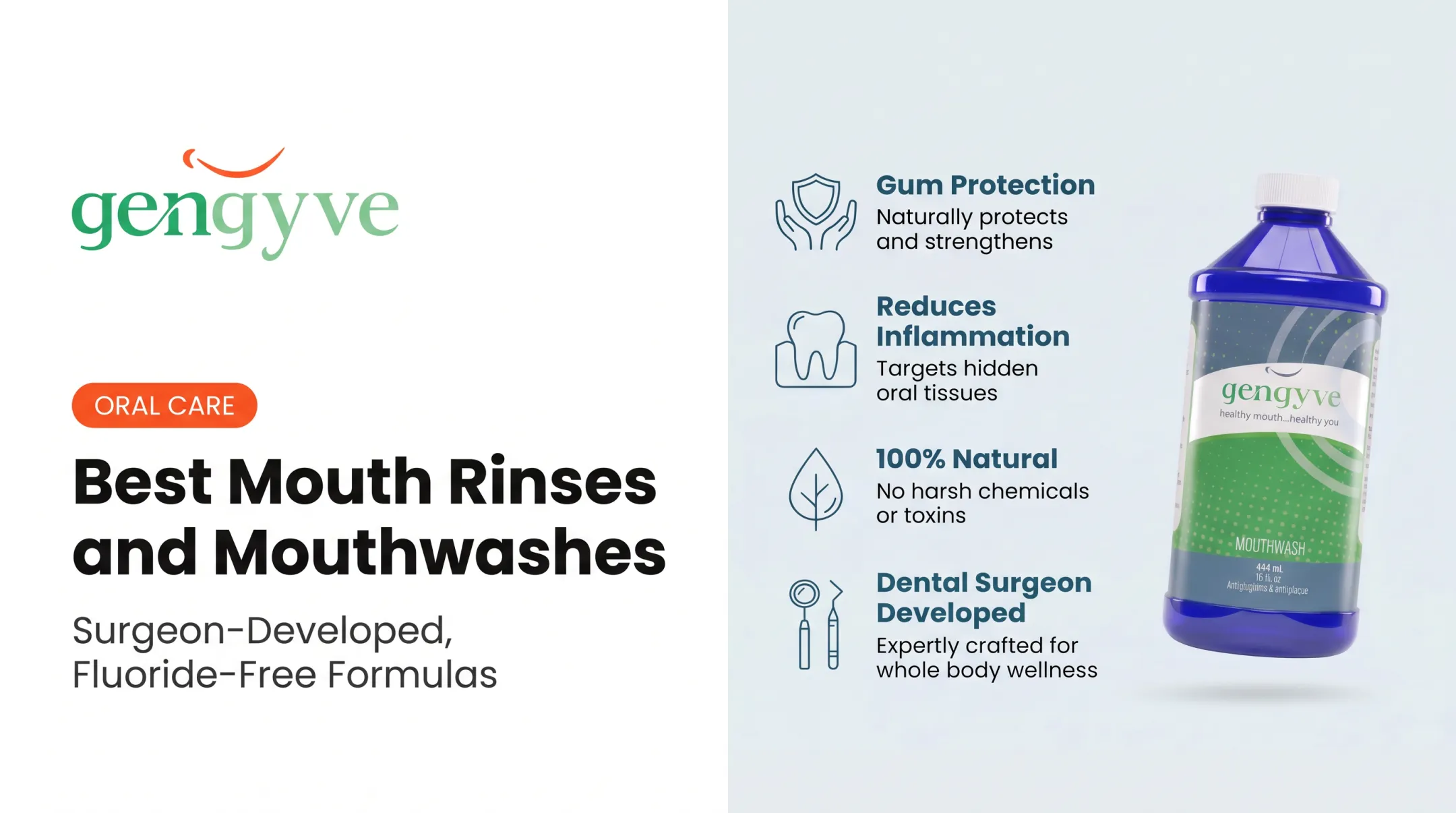
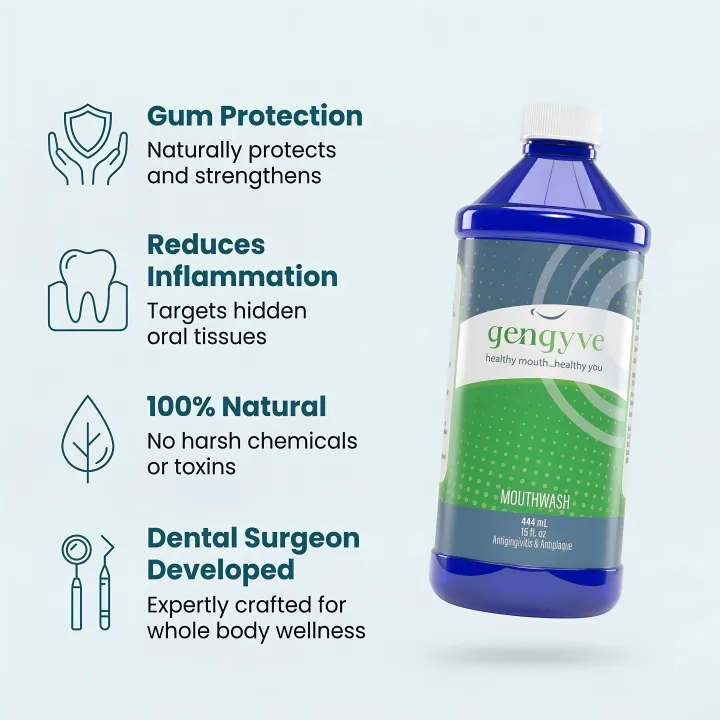
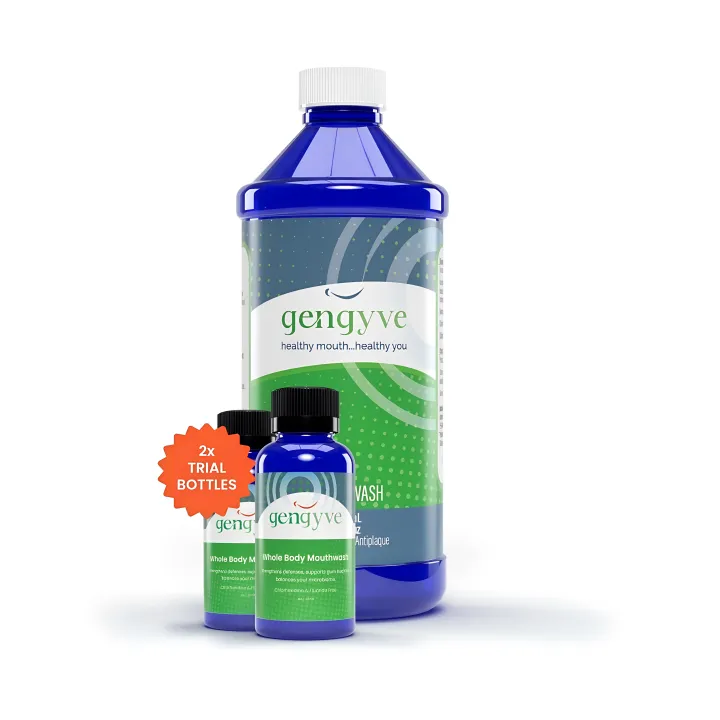
Gengyve USA, developed by a UCSF-affiliated oral and maxillofacial surgeon, is one option built for everyday gum comfort. It's an alcohol-free, chlorhexidine-free, fluoride-free rinse based on cetylpyridinium chloride and hyaluronic acid.
The CPC targets bacteria. Hyaluronic acid is intended to hydrate gum tissue and form a soothing layer over the mucosa, which can help people managing sensitive gums, dry mouth, or recovery after a wisdom-tooth extraction or implant placement.
The formula is designed for twice-daily, long-term use rather than a short prescription course. As with any product, check the current label for full directions and talk to your dentist before using it around a specific procedure.
How Should You Use Therapeutic Mouthwash Safely?
Getting the basics right matters more than most people assume.
The Standard Routine
- Brush and clean between teeth first, as directed by your dentist
- Measure the correct dose: most rinses specify 10-15 mL
- Swish for the stated time, usually 30-60 seconds
- Spit, don't swallow
- Follow any post-rinse instructions about eating, drinking, or rinsing with water
Some products say not to rinse with water immediately after use since it can wash away the active ingredient before it has a chance to work. Others specify waiting 30 minutes before eating or drinking. Always default to the label.
Common Mistakes to Avoid
- Using more than the directed amount, assuming "more is better"
- Diluting a product without checking the label first
- Sharing a bottle meant for one person's specific treatment
- Continuing a prescription rinse past the recommended duration
- Swallowing rinse meant for topical use only
Who Needs Extra Caution
- Children under 6, per ADA guidance, generally shouldn't use mouthrinse unless a dentist directs it
- Pregnant or nursing individuals should check prescription labels (chlorhexidine's label notes limited controlled human pregnancy data)
- People with alcohol sensitivity or mucositis often do better with alcohol-free formulas
- Cancer-treatment patients with oral mucositis should follow oncology-specific guidance; a Cochrane chlorhexidine review notes it is not recommended for preventing radiation-induced mucositis
When to Stop and Call a Professional
Stop using any rinse and contact your dentist or physician if you notice:
- Burning, irritation, or unusual taste changes that don't resolve
- New or worsening swelling, pain, or fever
- Persistent bleeding gums despite consistent brushing and flossing
- Sores that don't heal within a week or two
Mouthwash can't diagnose infection or resolve the underlying cause of these symptoms. It's a supporting tool, not a substitute for timely professional care.
Frequently Asked Questions
What is the best oral rinse for periodontal disease?
It depends on disease severity, your medical history, and your dentist's treatment plan. A rinse is an adjunct to professional periodontal care, not a replacement for debridement or examination.
Does mouthwash actually help with oral hygiene?
The right therapeutic rinse can add real benefit for specific goals like plaque reduction or dry-mouth comfort. Brushing and interdental cleaning still do most of the heavy lifting.
What mouthwash do dentists use?
There's no single answer: dentists recommend different formulations based on each patient's condition, from prescription chlorhexidine for severe gingivitis to gentler daily rinses for maintenance.
What is a therapeutic mouth rinse?
It's a rinse containing active ingredients formulated to address a specific oral-health goal, such as plaque control or decay prevention, rather than just masking odor temporarily like a cosmetic rinse.
Are oral rinses the same as mouthwash?
The terms are generally used interchangeably. What actually differs between products is the ingredients, strength, intended purpose, and regulatory status.
What not to do after mouthwash?
Spit, don't swallow, and check whether the label advises against eating, drinking, or rinsing with water right away. Directions vary by product, so don't assume every rinse works the same way.