Toxicity depends on a handful of variables: how concentrated the product is, how much you were exposed to, which part of your body was involved, whether the product was used or diluted as directed, and your own age and health. A toddler who gulps down an unsecured bottle faces a different situation than an adult who swallows a mouthful during a routine rinse. And neither scenario compares to someone handling raw CPC chemical in a lab or manufacturing setting.
This article covers common exposure scenarios, symptoms that need urgent attention, what to do right after accidental ingestion or contact, and ways to lower your risk. It is not a substitute for Poison Control, emergency care, or advice from your dentist or physician.
Key Takeaways
- CPC is a quaternary ammonium antiseptic, but the ingredient name alone doesn't determine toxicity risk
- Formulation, concentration, and exposure route separate everyday mouthwash use from a genuine poisoning event
- Oral irritation, allergic reactions, and injury are possible after significant or inappropriate exposure
- Never induce vomiting or try home remedies after a suspected ingestion
- Keep products away from children and ask a professional about special health circumstances
Common Causes of Cetylpyridinium Chloride Toxicity
A finished, diluted mouthwash and raw CPC chemical are not the same hazard. Hazard classifications written for concentrated CPC can't be applied wholesale to a bottle of rinse sitting in your bathroom cabinet. The guiding principle: risk climbs with the amount involved, the concentration, how long contact lasts, and which route of entry (mouth, eyes, skin, or lungs) is involved.



Accidental Swallowing of CPC-Containing Mouthwash
Most CPC mouthwashes are designed to be swished and spat out, not swallowed. Problems arise when:
- A child drinks from an unsecured bottle left on a counter
- An adult accidentally swallows more than a small amount while rinsing
- Someone with impaired swallowing control can't reliably spit
There's no single "toxic dose" that applies across every product and person, so guessing isn't useful. Call Poison Control instead. A specialist will likely ask for:
- Product name and ingredient list
- Concentration, if listed
- Estimated amount swallowed and time since exposure
- The person's age, weight, and current symptoms
- Whether anything else was involved
Using a Concentrated CPC Chemical or Improperly Diluted Product
Industrial, laboratory, and manufacturing-grade CPC is a different animal than consumer mouthwash. A safety data sheet for raw CPC monohydrate (above 95% purity) classifies it as toxic if swallowed, a cause of serious eye damage, a skin irritant, and potentially fatal if inhaled as dust or mist, according to Fisher Scientific's SDS.
That classification describes the raw chemical, not a finished rinse at consumer-use concentration. Mixing, transferring, heating, or otherwise altering a labeled product also creates risks the original label was never tested against.
Eye, Skin, or Inhalation Exposure
A splash in the eyes, prolonged skin contact, or breathing in aerosolized product calls for different first aid than swallowing does. Watch for:
- Severe eye pain or vision changes
- Breathing difficulty
- Facial or throat swelling
- Skin irritation that's getting worse, not better
Follow the current product label and Poison Control for the exact steps.
Repeated, Excessive, or Inappropriate Use
Using more product than directed, rinsing more often, extending a treatment beyond its recommended period, or layering multiple antiseptic rinses together can increase irritation even without a true poisoning event. This is different from acute toxicity. A 2019 systematic review of home mouthrinse use documented tooth staining, burning sensations, altered taste, and mouth ulcers among CPC users over two weeks to six months, though some complaints also appeared in placebo groups, according to the adverse events review.
Mouthwash is meant to support brushing and interdental cleaning, not replace them.
What Happens If Cetylpyridinium Chloride Exposure Is Ignored
Outcomes vary a lot depending on the route and dose involved. Don't wait for symptoms to get severe before seeking advice after a potentially significant ingestion or chemical exposure.
There's a real difference between expected, localized product effects (a little tingling, mild taste change) and symptoms suggesting something more serious.
Potential Symptoms and Complications
Possible symptoms, organized by route, include:
- Mouth and throat: irritation, burning, altered taste
- Gastrointestinal: nausea, vomiting, abdominal discomfort
- Eyes: pain, redness, injury
- Skin: irritation or worsening rash
- Respiratory: coughing, difficulty breathing
- Allergic reaction: hives, swelling, wheezing
Not every symptom traces back to CPC specifically. Alcohol content, flavoring agents, or an unrelated condition can cause similar complaints. Children and people with swallowing or breathing impairments face greater risk from accidental exposure, partly because young children have less developed swallowing reflexes.
Warning Signs You Need Immediate Medical Help
Call 911 immediately for:
- Trouble breathing
- Throat or facial swelling
- Severe or persistent vomiting
- Collapse, seizure, confusion, or inability to wake
Don't wait for symptoms to appear if a concentrated chemical was swallowed, inhaled, or splashed into the eyes, or if the amount involved is unknown and the person exposed is a child.
Move away from the source. Remove contaminated clothing if needed, and rinse or flush only as instructed for that exposure route. Do not induce vomiting. Contact Poison Control or emergency services right away.
What to Do After a Suspected Ingestion
- Stop further exposure - take the product away and keep the bottle or label handy
- Note the details - approximate amount swallowed and the time it happened
- Call Poison Control for case-specific instructions
- Don't force fluids, induce vomiting, or give a neutralizing substance unless a poison specialist or clinician tells you to

See a clinician or emergency department for persistent symptoms, large or unknown amounts, concentrated products, vulnerable individuals, or symptoms that keep getting worse.
How to Prevent Cetylpyridinium Chloride Toxicity
Prevention comes down to picking the right product, following the label, storing it securely, and asking a professional when something's unclear. Not every CPC product is automatically dangerous, and none should be treated as automatically risk-free either.

Read and Follow the Product Label
Before you use a CPC product, confirm:
- Active ingredient and concentration (when disclosed)
- Intended age range
- Amount to use, contact time, and frequency
- Warnings against swallowing
Don't use a product longer than recommended, combine it with other antiseptic rinses without professional advice, or pour it into an unlabeled container.
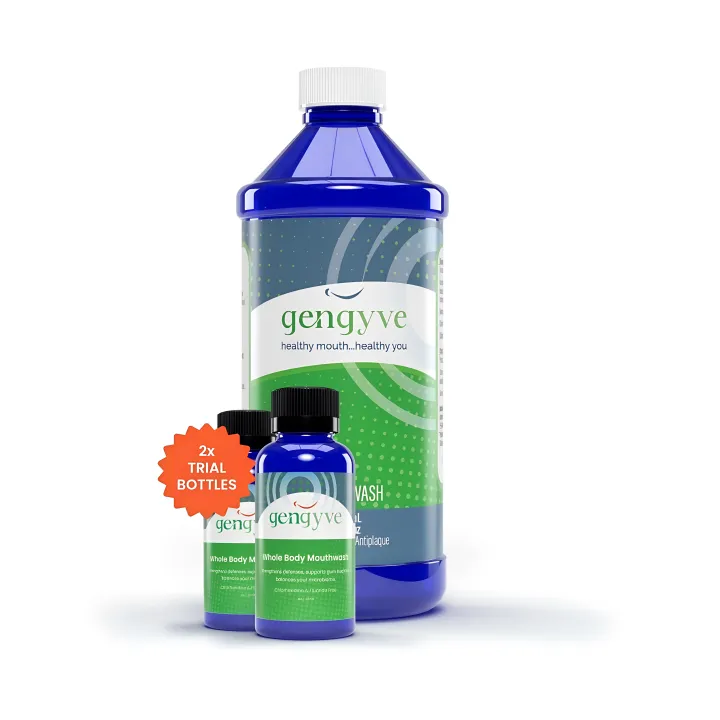
Gengyve USA, for example, markets its CPC and hyaluronic acid mouthwash as alcohol-free and chlorhexidine-free. That description doesn't change the basics: label-directed use still applies, and the product isn't a treatment for suspected CPC poisoning. Always check current label claims directly.
Store Products Securely
- Keep containers original and labeled
- Store out of reach of children
- Use child-resistant storage where it's available
- Supervise young children around any oral-care product
- Avoid cups or bottles that could be mistaken for a drink
Caregivers should get professional guidance for products meant for children or anyone who can't reliably rinse and spit.
Use Mouthwash as an Adjunct, Not a Replacement
Brushing with fluoride toothpaste and cleaning between teeth remain the foundation of oral hygiene. Mouthwash supports that routine; it doesn't replace it.
The ADA's mouthrinse guidance frames rinses as an addition to brushing and flossing, not a substitute. Rinsing more often or using a larger volume does not guarantee better results, and it is not safer by default.
Ask a Professional About Special Circumstances
Talk to a dentist, physician, pharmacist, or Poison Control specialist when any of these apply:
- Pregnancy or breastfeeding
- Allergies or oral disease
- Recent oral surgery
- Swallowing problems or neurological impairment
- Other oral products already in use
Suitability varies by formulation and by person. If you notice ongoing burning, sores, swelling, staining, or altered taste, stop using the product and get it checked out.
Tips for Long-Term Prevention and Control
A few habits go a long way toward catching problems early:
- Review the label every time you switch brands - formulations and concentrations aren't identical across products
- Check expiration dates and packaging integrity before each use
- Note timing if symptoms start right after introducing or changing a product
- Teach children and vulnerable users to rinse and spit, never swallow, and supervise them directly
- Document adverse events - note product name, ingredients, concentration, amount, timing, and symptoms for clinicians or Poison Control
- Rely on current, authoritative sources - FDA guidance, Poison Control, dental associations, and labels, not oral-health benefit claims alone
The FDA's 2003 advisory subcommittee findings on CPC mouthrinses, for instance, supported specific formulations within specific concentration ranges, not a blanket approval covering every CPC product on the market, according to the FDA's 2003 report. That formulation-specific detail is what matters when you judge real-world risk.
Conclusion
CPC toxicity is exposure-dependent. Concentrated chemicals, swallowing a significant or unknown amount, and eye, skin, or inhalation contact all demand more caution than label-directed use of a finished oral-care product.
Do not guess at a toxic dose or reach for a home remedy. Contact Poison Control, emergency services, or a healthcare professional.
You can reduce preventable risk with:
- Careful storage
- Correct dosing
- Reading the label
- Asking a professional when something is unclear None of that replaces daily brushing and interdental cleaning. Mouthwash, CPC-containing or otherwise, works alongside those habits, not instead of them.
Frequently Asked Questions
Is cetylpyridinium chloride toxic if swallowed?
Risk depends on the product's concentration, how much was swallowed, the person's age, symptoms present, and the overall formulation. Contact US Poison Control for guidance specific to your situation rather than estimating safety from the ingredient name alone.
What happens if you accidentally swallow mouthwash with cetylpyridinium chloride?
You might experience irritation or gastrointestinal symptoms like nausea. Keep the bottle available, don't induce vomiting, and contact Poison Control - especially for children, large or unknown amounts, or any symptoms at all.
What are the symptoms of cetylpyridinium chloride poisoning?
Possible symptoms include oral and gastrointestinal irritation, allergic reactions, respiratory symptoms, and eye or skin effects. Trouble breathing, swelling, collapse, or rapidly worsening symptoms are emergency warning signs that need immediate attention.
How much cetylpyridinium chloride is toxic?
There's no universal safe or toxic amount without knowing the exact product, its concentration, the exposure route, the amount involved, and the exposed person's characteristics. Contact Poison Control or emergency care for an individualized assessment.
Should you stop using mouthwash containing cetylpyridinium chloride?
If you notice persistent irritation, allergic symptoms, staining, or other concerning effects, stop using the product and consult a dental or medical professional. This isn't a blanket recommendation against all CPC products.
Is cetylpyridinium chloride safe for children, pregnancy, or breastfeeding?
Suitability depends on the specific formulation and individual circumstances. Check the product label and consult a dentist, physician, pharmacist, or Poison Control specialist before use in these situations.