Many people struggle to tell the difference between a rinse that masks bad breath and one that actually targets the bacteria causing inflamed, bleeding gums. A therapeutic mouthwash can reduce plaque-associated bacteria, swelling, bleeding, and odor when used alongside brushing and interdental cleaning. What it cannot do is remove hardened tartar or substitute for a dental exam.
This guide compares prescription and over-the-counter options available to US readers, points out the best fit for different needs, and flags when it's time to see a dentist instead of trying another rinse.
Key Takeaways
- Chlorhexidine is typically reserved for short-term, dentist-directed treatment, not everyday self-care.
- CPC and essential-oil rinses are the most common daily-use antiseptic options for mild gingivitis.
- The right choice depends on severity, alcohol tolerance, dry mouth, sensitivity, and staining risk.
- Always check the current label, active ingredient, and ADA Seal status instead of relying on brand reputation.
- Persistent bleeding, swelling, pain, pus, or loose teeth need professional evaluation, not a stronger mouthwash.
Overview of Antiseptic Mouthwash for Gingivitis
Not every mouthwash on the shelf is built to fight gum disease. Cosmetic mouthwashes mainly freshen breath and leave a pleasant aftertaste, with no meaningful effect on the bacteria causing inflammation. Antiseptic or therapeutic mouthwashes contain active ingredients designed to reduce the microbial load that triggers gingivitis in the first place.


Antiseptic vs. Cosmetic Mouthwash
Common antimicrobial actives include:
- Chlorhexidine gluconate – prescription-strength, dentist-directed
- Cetylpyridinium chloride (CPC) – widely used in daily OTC rinses
- Essential oils (thymol, eucalyptol, menthol, methyl salicylate) – found in products like Listerine
- Stannous fluoride – combines gum support with cavity protection
These ingredients can reduce plaque and gingival inflammation when paired with brushing and interdental cleaning. They do not replace either habit.
Gingivitis vs. Periodontitis: Know the Difference
Gingivitis means red, swollen, bleeding gums, and it's generally reversible with better plaque control. Periodontitis is a step further: it involves irreversible loss of the bone and tissue supporting your teeth. A rinse can help manage periodontitis symptoms, but it cannot rebuild lost support.
This distinction matters more than most people realize. Roughly 4 in 10 US adults aged 30 and older had periodontitis between 2009 and 2014, according to the CDC's gum disease overview, and that figure climbs to about 60% among adults 65 and older. Catching gingivitis early, before it progresses, is where mouthwash actually earns its keep.

Why Alcohol-Free Formulas Matter for Some Users
Alcohol-based rinses aren't inherently unsafe, but they can be drying and uncomfortable for people with sensitive tissue or dry mouth. The ADA's mouthrinse guidance notes that alcohol-free formulations may be a more comfortable fit for these users, without suggesting alcohol-containing rinses are dangerous for everyone.
With that groundwork laid, here's how the leading options stack up on active ingredient, evidence, tolerability, and who they actually fit.
Best Antiseptic Mouthwashes for Gingivitis
This ranking weighs fit for gingivitis-specific needs, evidence quality, safety, and label transparency, not just how strong the burn feels or how recognizable the brand is.
Gengyve Mouthwash
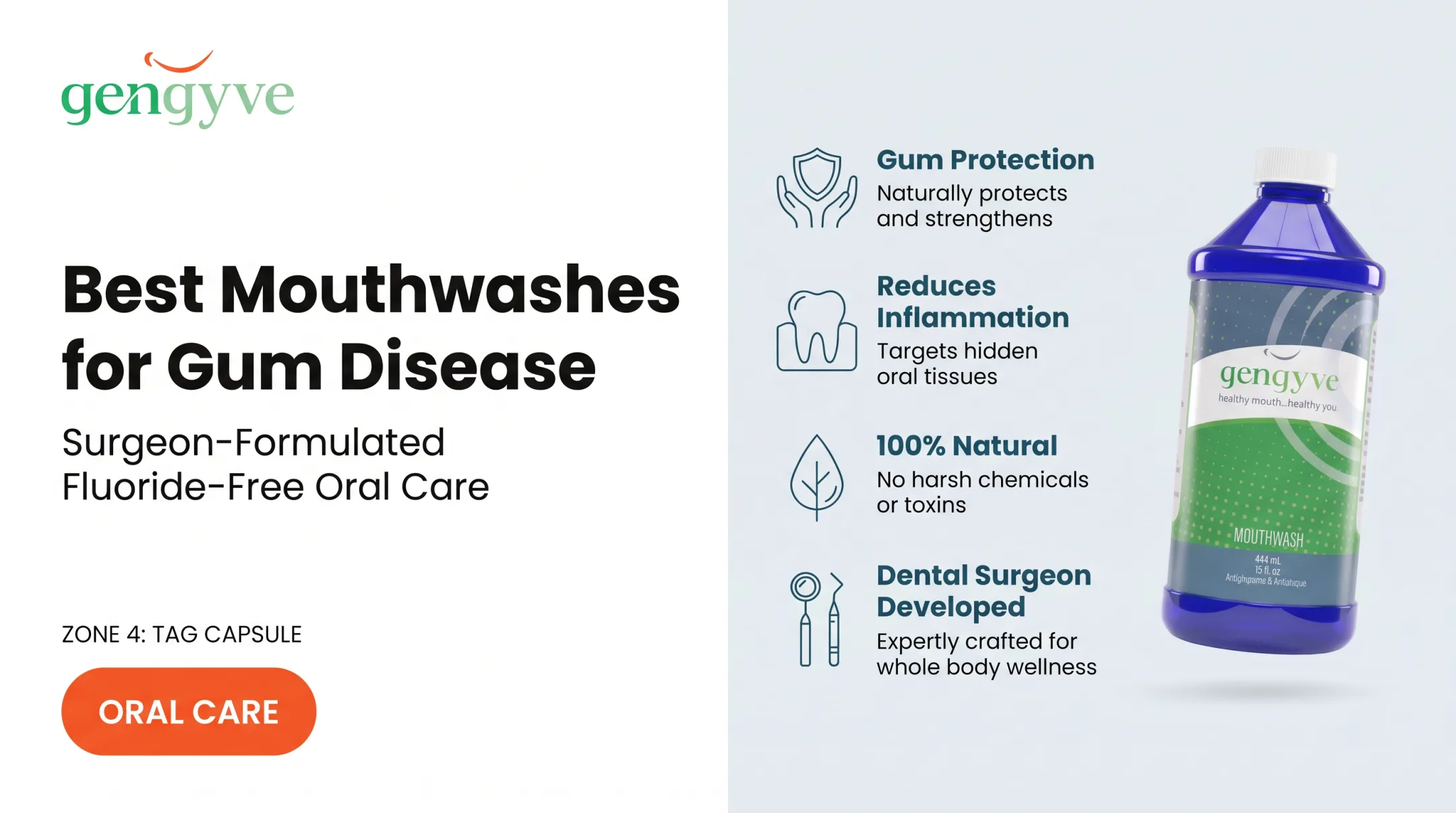
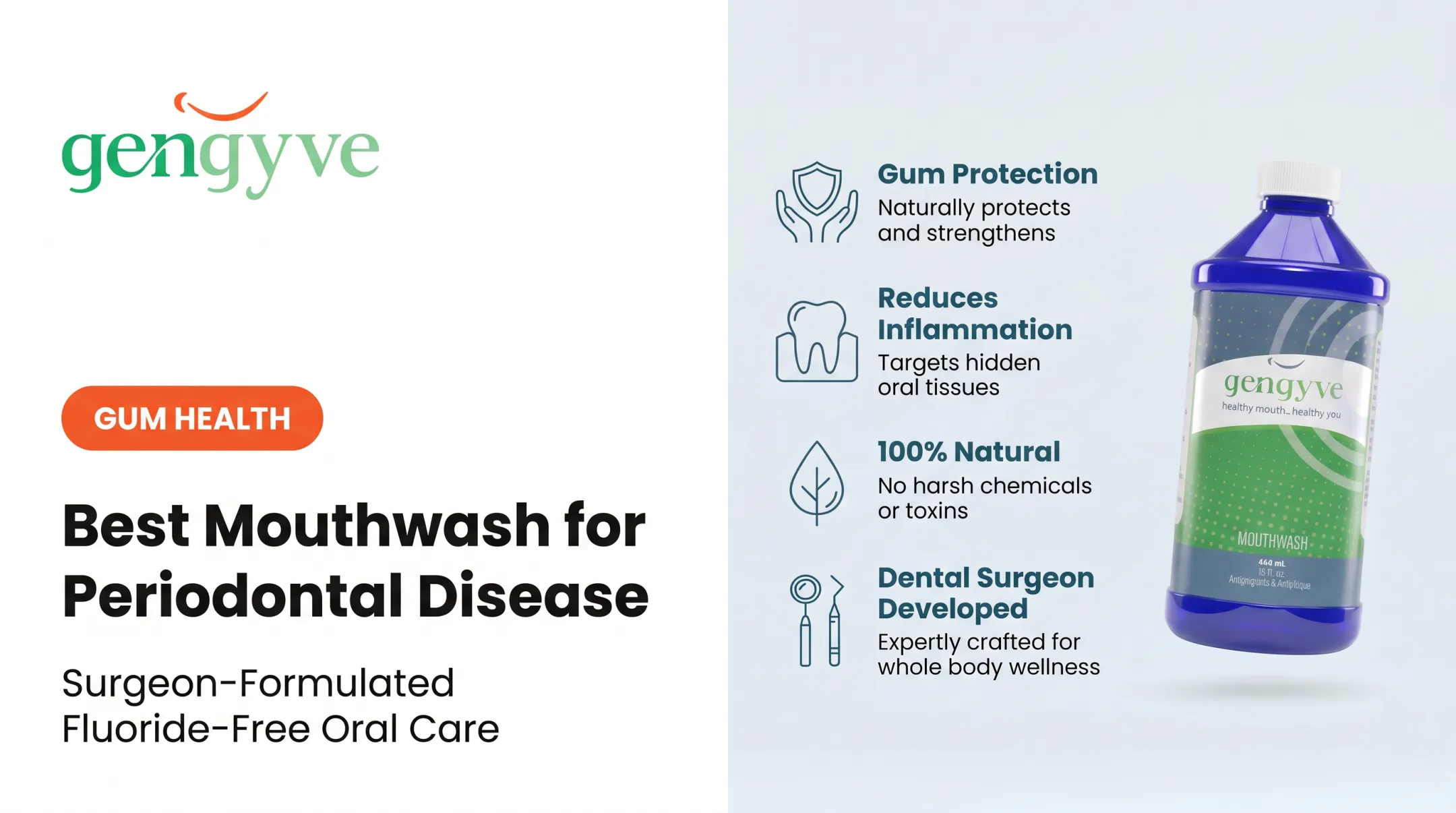
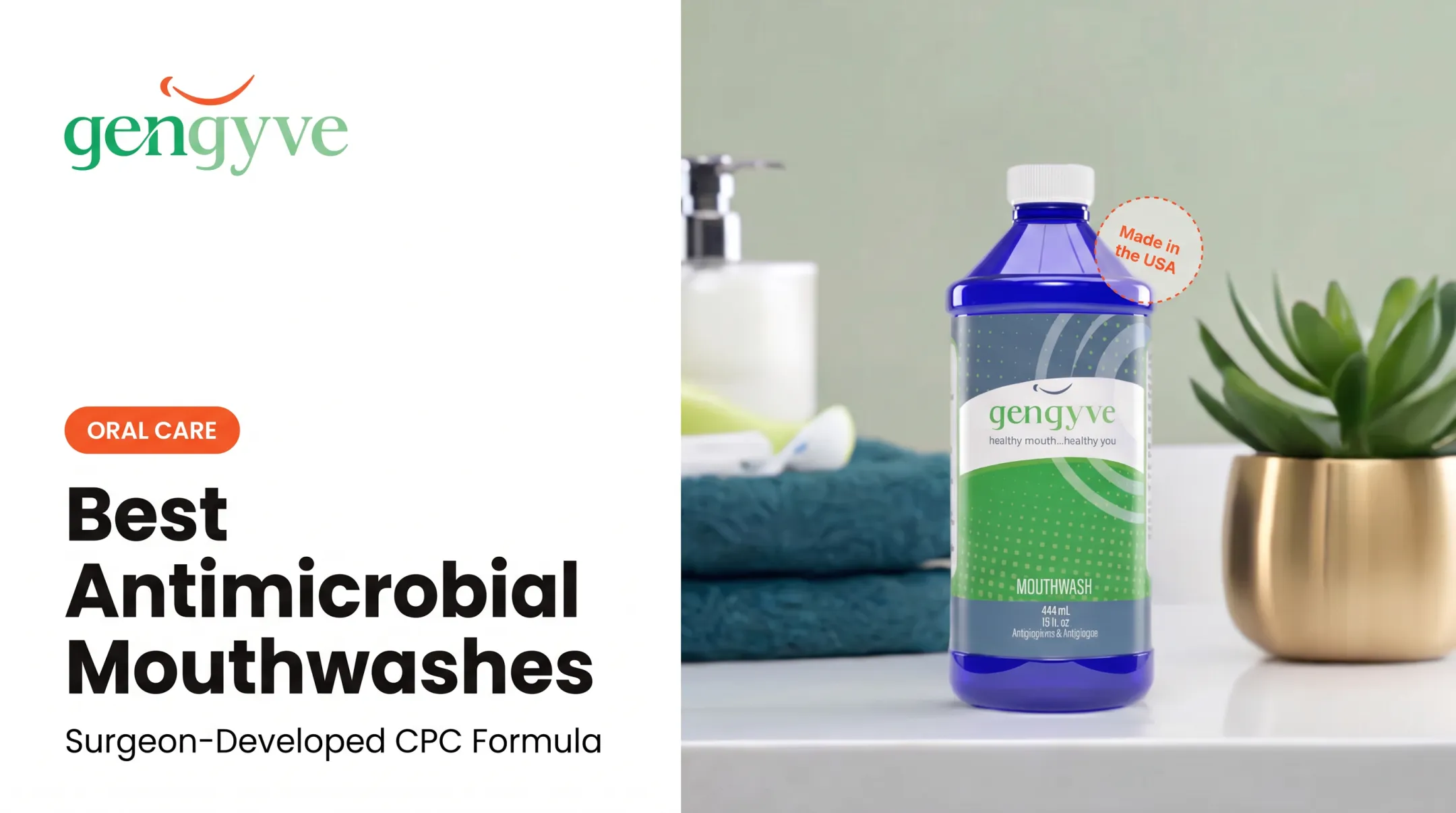
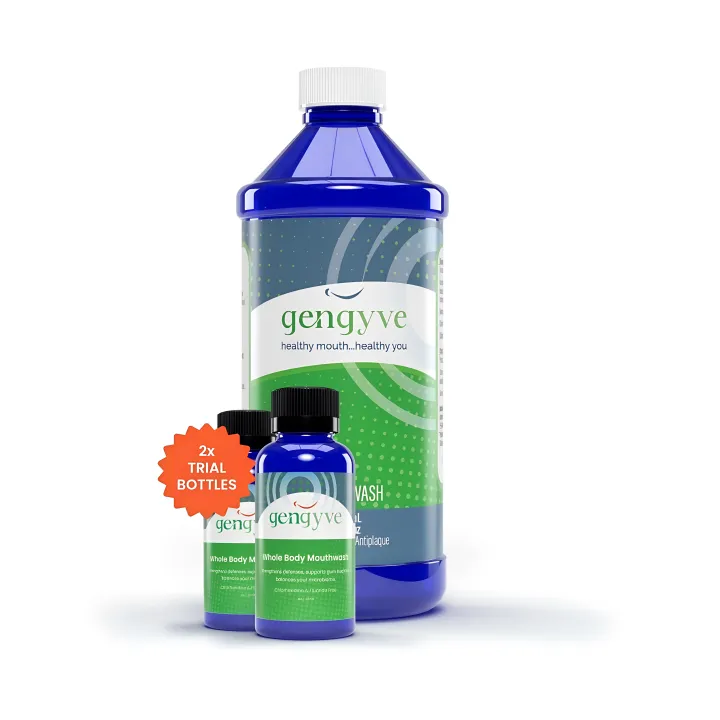
Gengyve is a US-made, FDA-registered OTC rinse (NDC 82161-141, OTC243264R) developed by Dr. S. Thaddeus Connelly, an oral and maxillofacial surgeon and UCSF clinical professor. The current label identifies cetylpyridinium chloride (CPC) 0.05% as the active ingredient, paired with hyaluronic acid, and markets it as an "Antigingivitis & Antiplaque" rinse.
What sets it apart:
- Alcohol-free and chlorhexidine-free, formulated for daily use rather than a limited course
- Hyaluronic acid intended to support a soothing, hydrating layer over gum tissue
- Directions call for a 30-second swish after brushing, twice daily, with no rinsing afterward
- Also positioned for pre- and post-surgical use, including wisdom tooth extraction and implant recovery
Company-reported research includes a 21-day randomized trial of 75 dental students comparing a CPC-hyaluronic acid rinse, chlorhexidine, and placebo. Staining rose in the chlorhexidine and placebo groups but not significantly with the CPC-hyaluronic acid rinse. Gingivitis differences between groups were not statistically significant.
Best fit: Adults who want daily antimicrobial support without the burn, staining, or taste changes associated with chlorhexidine. It's not a substitute for professional periodontal treatment, and no product should be assumed to outrank dentist-directed care for active disease.
Chlorhexidine Gluconate 0.12% Prescription Rinse
Sold under brand names like Peridex, this is the heavyweight of antiseptic mouthwashes, and it's prescription-only for a reason. The FDA-approved indication is specifically for treating gingivitis marked by redness, swelling, and bleeding on probing, used between dental visits as part of a professional care plan.
Standard dosing is 15 mL undiluted, twice daily for 30 seconds, morning and evening after brushing. The label calls for dental reevaluation and professional cleaning at intervals no greater than six months.
The trade-offs are well documented. According to Peridex's prescribing information, 56% of users developed measurable staining on front teeth versus 35% of controls, and 15% developed heavy staining versus just 1% of controls. Other documented effects include increased calculus buildup, altered taste, and rare reports of serious allergic reaction.
Best fit: Short-term, dentist-directed treatment, such as after periodontal surgery. It's not meant for indefinite use, and prescription strength doesn't make it automatically superior for mild, uncomplicated gingivitis.
Listerine Antiseptic (Essential-Oil Rinse)
Listerine Original Intense Antiseptic Antigingivitis/Antiplaque Mouthwash combines four essential oils: eucalyptol (0.092%), menthol (0.042%), methyl salicylate (0.060%), and thymol (0.064%), in a formula containing 26.9% alcohol. It carries the ADA Seal of Acceptance specifically for helping prevent and reduce plaque and gingivitis when used as directed.
A 2015 meta-analysis published in the Journal of the American Dental Association, pooling 29 trials and over 5,100 participants, found adding this type of rinse to brushing reduced gingivitis by 16% and plaque by 27.7% compared to brushing alone. Worth noting: every included study was sponsored by the manufacturer.

Drawbacks to expect:
- Noticeable burning sensation, especially at first use
- Strong taste that some users find hard to tolerate daily
- Alcohol content may dry out already-sensitive tissue
Best fit: Adults who want an accessible, ADA-recognized OTC option and can tolerate the sensation. Alcohol-free variants exist for those who can't.
TheraBreath Healthy Gums (CPC-Based Rinse)
TheraBreath's Healthy Gums Oral Rinse lists CPC 0.05% as its active ingredient, per its current DailyMed label, and is formulated without alcohol. The label claims it helps prevent gingivitis and controls the plaque that leads to bleeding gums, with adult directions of 20 mL swished for 30 seconds, twice daily.
A 2021 systematic review of eight trials found CPC rinses produced significantly greater reductions in plaque and gingival index scores compared to placebo, though the included studies showed high variability in results.
The label itself carries an important warning: stop use and see a dentist if gingivitis, bleeding, or redness persists beyond two weeks, or if there's pain, swelling, pus, or loose teeth.
Best fit: Someone wanting a lower-irritation, alcohol-free daily option. Persistent bad breath despite regular use can signal untreated gum disease, not a reason to switch flavors.
PerioMed (Stannous Fluoride Rinse)
3M's PerioMed 0.63% Stannous Fluoride Oral Rinse combines antigingivitis, anticavity, and antihypersensitivity claims in one product, useful for people whose gum concerns overlap with exposed roots or cavity risk.
Key label details:
- Requires dilution: about 2 pump strokes mixed with water to the 1 oz line before use
- Swish for 1 minute once daily, then avoid food or drink for 30 minutes
- Surface staining is possible but described as removable by a dentist
- Not recommended for sensitivity longer than 4 weeks without dental guidance
Best fit: Users managing gingivitis alongside sensitivity or elevated cavity risk. The extra prep step makes it less convenient than ready-to-use rinses, so a dentist should confirm it matches your specific needs.
How We Chose the Best Mouthwashes
Ranking antiseptic mouthwashes starts with the active ingredient and its intended indication, not marketing copy. We verified current label directions, prescription status, and the strength of supporting evidence for each product before placing it in this list.
ADA Seal verification matters. The Seal applies to specific products and specific claims, not an entire brand lineup. A toothpaste earning the Seal for cavity prevention says nothing about a separate mouthwash's gingivitis claims.

We also weighed tolerability factors:
| Factor | Why it matters |
|---|---|
| Alcohol content | Can dry sensitive or inflamed tissue |
| Staining risk | Affects daily usability long-term |
| Taste/burn | Determines whether people actually keep using it |
| Prescription status | Signals intended duration and supervision needs |
Matching a Rinse to Your Situation
- Active dentist-directed treatment → chlorhexidine, as prescribed
- Mild gingivitis, daily maintenance → CPC or essential-oil rinse
- Dry mouth or sensitive tissue → alcohol-free formula
- Recession or cavity risk → stannous fluoride option
- Post-surgical recovery → alcohol-free, gentle formula as directed by your surgeon
Common Mistakes to Avoid
- Assuming the strongest burn equals the strongest results
- Using chlorhexidine indefinitely instead of the prescribed short course
- Treating a cosmetic rinse like an antimicrobial treatment
- Expecting any mouthwash to dissolve hardened tartar
Always follow the label's directions, avoid swallowing the rinse, and don't exceed the recommended frequency. If you're unsure which product fits your situation, ask a dentist or pharmacist before committing to a routine.
Conclusion
There's no single best antiseptic mouthwash for every case of gingivitis. Chlorhexidine suits a short, supervised treatment course after procedures like periodontal surgery. CPC and essential-oil rinses, plus formulas like Gengyve, suit ongoing daily maintenance, depending on how your tissue tolerates alcohol, taste, and sensation.
The most useful mouthwash is the one you'll actually use correctly and consistently, without new dryness, irritation, or staining getting in the way.
If bleeding, swelling, bad breath, recession, pain, pus, or loose teeth keep showing up, that's a signal to book a dental evaluation rather than cycling through another bottle.
If you want a daily, alcohol-free, chlorhexidine-free option developed by a practicing oral surgeon, Gengyve's CPC and hyaluronic acid mouthwash is worth a look. Check the current label for full directions, and loop in your dentist if symptoms persist.
Frequently Asked Questions
What do dentists recommend for treating gingivitis?
Dentists recommend thorough brushing, daily interdental cleaning, professional plaque or tartar removal, and a therapeutic rinse matched to your condition. Chlorhexidine is dentist-directed for a short course, not a permanent daily fix.
Can mouthwash treat or reverse gingivitis?
A therapeutic rinse can support plaque and inflammation control as part of your routine. It cannot remove hardened tartar or replace mechanical cleaning and professional dental care.
What is the best mouthwash for gingivitis?
It depends on severity, active ingredients, tolerability, dry mouth, and whether you're under active dental treatment. Short-term chlorhexidine suits dentist-directed cases, while CPC or essential-oil rinses suit daily OTC use; no single product is best for everyone.
How can I quickly reduce swollen or inflamed gums?
Gentle brushing, interdental cleaning, and an appropriate therapeutic mouthwash can help, alongside prompt dental evaluation. Severe swelling, pain, pus, fever, or facial swelling needs urgent care, not home treatment.
Is gingivitis contagious, and can it cause bad breath?
Gingivitis itself isn't contagious, though oral bacteria can pass through shared saliva. Inflamed gums often contribute to persistent bad breath, so treating the underlying cause matters more than masking odor.