Here's the reality: the best dentist-recommended toothbrush isn't the most expensive one. It's the one that supports gentle, thorough, consistent plaque removal — and that you'll actually use correctly every day. The American Dental Association's baseline is simple: soft bristles, two minutes, twice daily, whether the brush is manual or powered.
Dentists typically look for soft bristles, a manageable head size, pressure control, and timing features — not a price tag. This guide compares the leading manual and electric options for 2026, helps you match a brush to your specific needs, and explains how to evaluate manufacturer claims, replacement costs, and ADA status before you buy.
Key Takeaways
- Soft bristles and a comfortable head size matter more than brand name or price
- Oral-B and Philips Sonicare lead dentist picks; match the brush to sensitivity, dexterity, braces, age, and budget
- Timers and pressure sensors correct common brushing mistakes for electric-brush beginners
- No toothbrush replaces fluoride toothpaste, interdental cleaning, or regular dental visits
- Always verify current pricing, ADA Seal status, and warranty terms before purchasing
Toothbrushes and Preventive Oral Care
A toothbrush's job is mechanical: dislodge plaque from tooth surfaces and along the gumline before it hardens into tartar or feeds gum inflammation. Paired with fluoride toothpaste and daily flossing, this is still the foundation of cavity and gum-disease prevention.


Manual brushes work well with correct technique — soft bristles, gentle pressure, and a full two minutes covering every surface. Where they fall short is consistency. Most people brush for 45 seconds, not two minutes, and many press too hard.
Electric brushes can help close that gap:
- Built-in timers enforce the full two minutes
- Pressure sensors catch heavy-handed brushing before it damages enamel or irritates gums
- Oscillating-rotating heads physically guide technique for users who tend to scrub rather than brush
- Larger handles assist people with limited hand dexterity, including older adults and those with arthritis
Electric toothbrushes generally use one of two technologies: oscillating-rotating (small round heads that spin and pulsate) or sonic (elongated heads that vibrate at high frequency). The difference between them is smaller than marketing suggests. A Cochrane review covering 17 trials found rotation-oscillation outperformed side-to-side brushing short-term, but the clinical significance of that gap remains unclear. Neither technology is universally "best" for every person.

With that groundwork set, let's look at specific 2026 picks — organized by what they solve rather than by hype.
Top Dentist-Recommended Toothbrushes for 2026
Every product below was evaluated against the same criteria: soft-bristle availability, sensible head size, real pressure feedback, a working timer, replacement-head cost and availability, and a defined use case. Confirm current pricing and ADA Seal status directly with the manufacturer before buying, since both can shift between publication and purchase.
Oral-B Pro 1000: Best Overall Value
The Pro 1000 is Oral-B's entry point into oscillating-rotating cleaning, and it remains a frequent recommendation for anyone moving up from a manual brush. The CrossAction head uses angled bristles and a combination of oscillating, rotating, and pulsating motion to work around individual teeth.
It skips app connectivity entirely, which is exactly the point for buyers who want core powered-brushing features without a subscription-style ecosystem.
| Feature | Detail |
|---|---|
| Movement | Oscillating-rotating-pulsating, CrossAction head |
| Timer | 2-minute built-in timer |
| Pressure sensor | Stops pulsations if you press too hard |
| Charging | Rechargeable handle, standard charger |
| Replacement heads | Compatible with Oral-B CrossAction heads |
| Price | Listed at $49.99 by the manufacturer; confirm current price |
| Warranty | 2 years from purchase with proof of purchase |
| Limitation | No app, limited mode selection, fewer feedback features |
Best for: first-time electric-brush users, budget-conscious shoppers, or anyone who wants pressure feedback without extra bells and whistles.
Philips Sonicare 4100: Straightforward Sonic Cleaning
If the mechanical oscillation of Oral-B models feels too aggressive, Sonicare's sonic vibration is the alternative. The HX3681/26 model vibrates rather than rotates, which some users find gentler and quieter.
Its pressure feedback works differently than Oral-B's: instead of stopping motion, it automatically reduces vibration intensity when you push too hard, paired with the SmarTimer and a 30-second QuadPacer that signals when to move to the next quadrant of your mouth.
| Feature | Detail |
|---|---|
| Movement | Sonic vibration |
| Timer | 2-minute SmarTimer plus 30-second QuadPacer |
| Pressure sensor | Automatically reduces vibration when pressure is excessive |
| Battery | Up to 14 days on standard mode |
| Replacement heads | BrushSync reminder alerts when heads need changing |
| Warranty | 2 years |
| Limitation | Larger, elongated head may feel bulky for small mouths |
Best for: users who dislike the feel of oscillating heads, or anyone who struggles to reach back molars with a bulkier brush — though if that's you, consider a compact head option instead.
Oral-B iO Series: Premium Smart Coaching
The iO range spans from the essential iO2 to the luxury iO10, so specs vary significantly by model. The iO9, a representative mid-premium pick, pairs Magnetic iO Technology — oscillation and rotation with gentle micro-vibrations — with a full-color interactive display and Bluetooth connection to the Oral-B app.
Its 360 Visible Pressure Sensor shows real-time feedback on the display itself, not just a vibration or light. That's genuinely useful for people who brush too hard without realizing it.
| Feature | Detail |
|---|---|
| Movement | Oscillating-rotating with micro-vibrations |
| Pressure feedback | 360 Visible Pressure Sensor with on-handle display |
| Timer | 2-minute timer visible on display |
| Modes | Smart Adapt, Daily Clean, Intense, Gum Care, Sensitive, Whiten, Tongue Clean |
| Charging | Fast Magnetic Charger, full charge in about 3 hours |
| App | Bluetooth sync to Oral-B app and Apple Health |
| Price | Listed at $399.99, frequently discounted to around $260 |
| Limitation | Exclusive iO-head compatibility raises long-term replacement cost |
Best for: people motivated by data and coaching, not those who simply need reliable daily cleaning — the Pro 1000 does that for less.
Philips Sonicare 9900 Prestige: Premium Coaching Alternative
Sonicare's answer to the iO9 is the 9900 Prestige (HX9990 series), built around SenseIQ sensor technology that tracks pressure, motion, and coverage up to 100 times per second and automatically adjusts intensity in response.
With 5 modes and 3 intensities — 15 total settings — plus a USB charging travel case, it's aimed squarely at frequent travelers who still want full feedback away from home.
| Feature | Detail |
|---|---|
| Movement | Sonic, 62,000 bristle movements per minute |
| Sensors | SenseIQ pressure, motion, and coverage tracking |
| Modes | 5 modes × 3 intensities (15 settings) |
| Timer | BrushPacer and SmartTimer |
| Battery | Up to 14 days, lithium-ion |
| Travel | USB charging travel case included |
| Warranty | 2 years, plus 2 years of app software updates |
| Limitation | Premium pricing; confirm exact current price before buying |
Best for: tech-focused buyers and frequent travelers — not a requirement for good oral-health outcomes, since Philips' own performance claims are measured against manual brushing, not against its own mid-range models.
Philips Sonicare for Kids: Built for Growing Habits
For children age 7 and up, the Sonicare for Kids (HX6311/07) uses two power modes — a gentler setting for younger kids and a higher setting as they get older — plus click-on heads in compact and standard sizes.
Its standout feature is the KidTimer, which gradually increases brushing time over 90 days until reaching the full two minutes, rather than demanding it immediately.
| Feature | Detail |
|---|---|
| Age range | 7 and up (replacement heads available for ages 3+ and 7+) |
| Movement | Sonic, 2 power modes |
| Timer | KidTimer, ramps up to 2 minutes over 90 days |
| Extras | 8 stickers for habit motivation |
| Replacement heads | 2-pack, listed at $19.95 |
| Price | Listed at $49.99 |
| Warranty | 2 years |
| Limitation | No pressure sensor; parental supervision still needed |
Character designs and gradual timers help build habits, but they're not a substitute for supervision. Toddlers, kids with oral appliances, or kids experiencing pain or bleeding gums need individualized guidance from a pediatric dentist, not a brush feature.
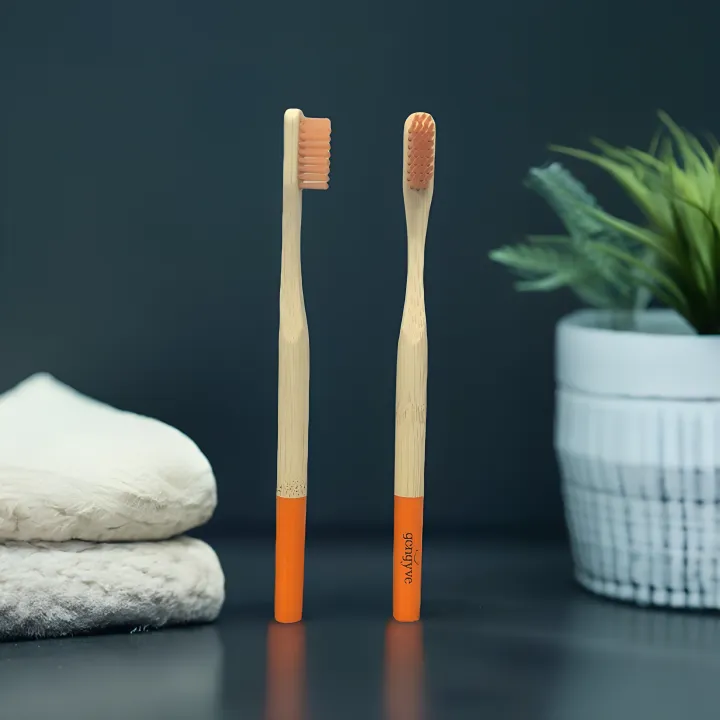
For budget-conscious or eco-minded households, a soft or medium-soft manual brush remains a legitimate choice at any age. Gengyve USA's bamboo toothbrush, for instance, uses medium-soft, BPA-free bristles on a biodegradable handle. It is a straightforward option for travelers or families looking to cut plastic waste, provided you replace it roughly every three months like any manual brush.

How We Chose the Best Toothbrushes
Ranking toothbrushes honestly means looking past marketing copy. Our process cross-checked manufacturer specifications against current availability, reviewed evidence from reputable dental organizations, and compared products by actual use case rather than popularity.
Why soft bristles come first: Hard or medium bristles combined with heavy pressure wear away enamel and irritate gum tissue over time.
A 2023 systematic review comparing oscillating-rotating and sonic technologies found both improve plaque and gum inflammation, with only a slight edge for oscillating-rotating. Bristle softness and technique still matter more than brand technology.
For powered brushes, we weighed:
- A genuine two-minute timer or quadrant pacing (not just a buzz)
- Pressure feedback that's actually noticeable mid-brush
- A head small enough to reach back molars comfortably
- Manageable noise and vibration for sensitive users
Ownership costs often get ignored in roundups, so we included them:
- Replacement-head price and how easy they are to find
- Battery life and charging convenience, especially for travel
- Warranty length and what voids it
- Whether app features are optional or essential to daily use
Matching brush to user matters more than chasing the newest model:
- Small heads suit smaller mouths or tight molar access
- Pressure sensors help aggressive brushers
- Powered assistance helps limited hand dexterity, including older adults
- Orthodontic-compatible heads matter for braces wearers
Common mistakes we flagged:
- Choosing hard bristles
- Scrubbing side-to-side instead of short gentle strokes
- Pressing until bristles visibly flatten
- Buying premium features you won't use
- Assuming any toothbrush can treat active gum disease on its own

Conclusion
The best dentist-recommended toothbrush for 2026 is whichever one combines safe, appropriate features with consistent, gentle use. A $260 smart brush gathering dust in a drawer does less for your gums than a $5 manual brush used correctly twice a day.
After a few weeks with any new brush, check in with yourself: Is the head reaching every surface comfortably? Are you pressing too hard? Are replacement heads easy to find and afford? If something feels off, ask your dentist or hygienist. Your needs change with age, dental work, and oral-health history.
Brushing covers tooth surfaces, but gum health benefits from more than mechanical cleaning alone. An alcohol-free rinse can complement a solid brushing routine for some people.
Gengyve, developed by a practicing oral and maxillofacial surgeon, is one such option: a fluoride-free, chlorhexidine-free rinse built around cetylpyridinium chloride and hyaluronic acid. It complements brushing and flossing; it does not replace either or a dentist's treatment plan.
Before buying any toothbrush, verify current product details directly with the manufacturer. And if you're dealing with persistent bleeding, pain, sensitivity, gum recession, implants, braces, or recent oral surgery, talk to a dental professional rather than relying on a product description alone.
Frequently Asked Questions
What is the best toothbrush recommended by dentists?
Dentists generally favor a soft-bristle brush with a head size that comfortably reaches every tooth surface. There's no single universal "best" model. Technique and consistency matter more than brand, so match the brush to your specific needs.
Which electric toothbrush is recommended by dentists?
Oral-B and Philips Sonicare models are the most commonly recommended electric brands. The specific model matters less than a working timer, pressure feedback, soft bristles, and easy-to-find replacement heads.
Are electric toothbrushes better than manual toothbrushes?
Both can work well with correct technique. Powered brushes help people who brush too briefly, press too hard, or have limited dexterity. A well-used manual brush remains effective for many people.
What features should I look for in a dentist-recommended toothbrush?
Prioritize soft bristles, a suitable head size, a comfortable grip, a two-minute timer, and pressure feedback if you're prone to brushing hard. Also check that replacement heads or brushes are easy to find and afford.
How often should I replace my toothbrush or electric brush head?
Dental guidance generally recommends replacement every 3 to 4 months, or sooner if bristles look frayed or matted. Follow manufacturer-specific guidance for electric brush heads, since some wear faster than others.
What toothbrush is best for sensitive gums or braces?
Look for soft bristles, gentle brushing modes, and reliable pressure control. Orthodontic-compatible heads help with braces. Ongoing bleeding, pain, or irritation needs evaluation from a dental professional, not just a product switch.