The appeal makes sense. Many people deal with gums that bleed during brushing, feel tender after a cleaning, or seem perpetually irritated. Some notice recession along the gumline. These symptoms don't all share one cause, though, and that distinction matters before reaching for a new product.
This guide looks at what HA gum serums may realistically do, what the clinical research actually shows, how to use these products correctly, and when symptoms call for a dentist instead of a tube of gel.
Key Takeaways
- Hyaluronic acid is a moisture-binding molecule that may support hydration and comfort in oral tissue.
- A gum serum works alongside brushing and dental visits, not as a replacement for periodontal treatment or professional cleanings.
- HA may ease irritation in specific contexts, but it hasn't been shown to regrow receded gums or reverse advanced gum disease.
- Choose a product labeled for oral use and follow its directions rather than applying a facial serum in your mouth.
What Is Hyaluronic Acid in a Gum Serum?
Hyaluronic acid is a naturally occurring molecule found throughout the body's connective tissue, including the gums. Its job is straightforward: it binds water, which helps tissue stay lubricated and elastic. In the mouth, that hydration can matter more than people realize.


Dry or friction-prone gum tissue tends to feel more sensitive. Brushing becomes uncomfortable, flossing can sting, and minor irritation lingers longer than it should. A hydrating layer may reduce that friction temporarily, which is the basic rationale behind oral HA products.
Oral Formulas Aren't Facial Serums
A facial HA serum is built for skin, not for mucous membranes that interact with saliva, food, bacteria, and swallowing. An oral-specific gum serum needs to be:
- Flavored and palatable for repeated use in the mouth
- Preserved against a very different microbial environment than skin
- Tested for contact with gum and mucosal tissue, not just cosmetic application
Applying a skincare product inside your mouth skips all of that formulation work entirely.
What the Product Can (and Can't) Do
A topical oral HA product may create a temporary moistening layer over gum tissue. That's different from forming a permanent protective barrier or repairing structural tissue damage on its own.
Formulas also vary considerably. HA concentration, molecular weight, added ingredients, and applicator design all affect how a product performs.
A 2019 gingival fibroblast study found that higher molecular weight HA (1300 kDa) reduced inflammatory signaling triggered by P. gingivalis in lab-grown cells, while lower weights didn't show the same effect. That's a laboratory finding, though, not proof that any specific consumer gel delivers the same result in a human mouth.
How Might Hyaluronic Acid Support Gum Health?
HA's main proposed benefit is comfort through hydration. For people with mild irritation or dryness-related sensitivity, that moisture layer may reduce friction during brushing. Still, feeling better doesn't tell you what caused the problem in the first place.
What the Clinical Trials Actually Found
Research on topical HA in gum care is limited, but a few controlled studies offer useful detail:
| Study | Population | Finding | Limitation |
|---|---|---|---|
| Gingivitis gel trial (2014) | 105 patients, 0.2% gel, 4 weeks | Better inflammation and bleeding scores vs. control | No significant plaque reduction |
| Residual pocket trial (2024) | 56 patients, 0.3% gel, 12 months | 56.8% pocket closure vs. 46.6% with saline | Difference not statistically significant |
| Palatal wound trial (2026) | 18 patients, 0.3% gel, 7 days | Smaller wound area by day 7 | No improvement in pain or eating difficulty |
A 2014 gingivitis trial is one of the more frequently cited studies in this space. A separate, smaller 2005 trial applying an HA spray to 60 people with gingivitis over one week reported similar improvements in inflammation measures without a corresponding change in plaque levels. That pattern shows up across several studies: HA may calm inflamed tissue without actually addressing the bacterial plaque causing it.

Post-Procedure Use
Some dental professionals use HA products as part of recovery after extraction or implant placement. Dr. Derick Flint, a dental surgeon based in Austin, Texas, recommends Gengyve's rinse to his patients following wisdom-tooth extractions and implant procedures. That said, post-surgical protocols vary by provider and procedure. Always follow your own surgeon's specific instructions over general product guidance.
Reading the Evidence Honestly
HA research doesn't support claims about eliminating plaque bacteria, treating active infection, removing calculus, or reversing bone loss from periodontal disease. Those outcomes require professional intervention. When evaluating product claims, prioritize:
- Controlled clinical trials over anecdotal reports
- Systematic reviews over single studies
- Independent professional guidance over marketing copy
- Product-specific testing over general ingredient research
A 2025 systematic review of HA as an adjunct in periodontal therapy noted inconsistent study quality and heterogeneous results across the available trials. Star ratings and before-and-after photos aren't a substitute for controlled data.
How to Choose and Use a Gum Serum With Hyaluronic Acid
A Simple Selection Checklist
Before buying, check the product for:
- Oral-specific labeling: not a repurposed skincare item
- Transparent ingredient list, including HA concentration if disclosed
- Clear directions for frequency, amount, and application method
- Manufacturer information you can actually verify
- Expiration and storage details printed on the packaging
- An applicator design that limits contamination between uses
A pump or single-dose tip that avoids repeated contact with your mouth is preferable to an open jar you dip fingers into repeatedly.
Serum vs. Rinse: Different Jobs
A gum serum targets a specific area, usually applied directly with a fingertip or applicator. A mouthwash, by contrast, distributes ingredients across the entire mouth as a rinse. Neither replaces the other; they solve different problems.
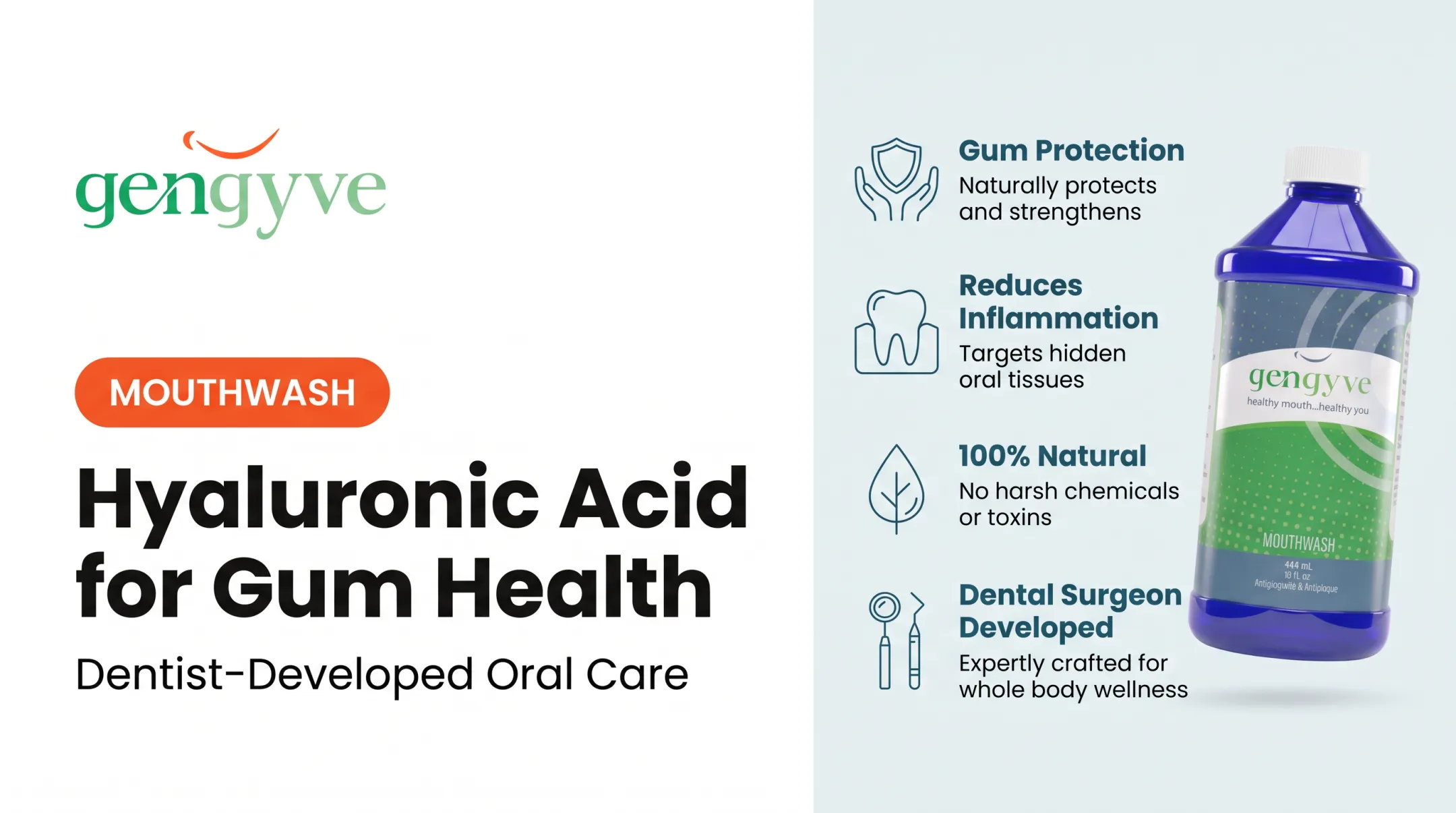
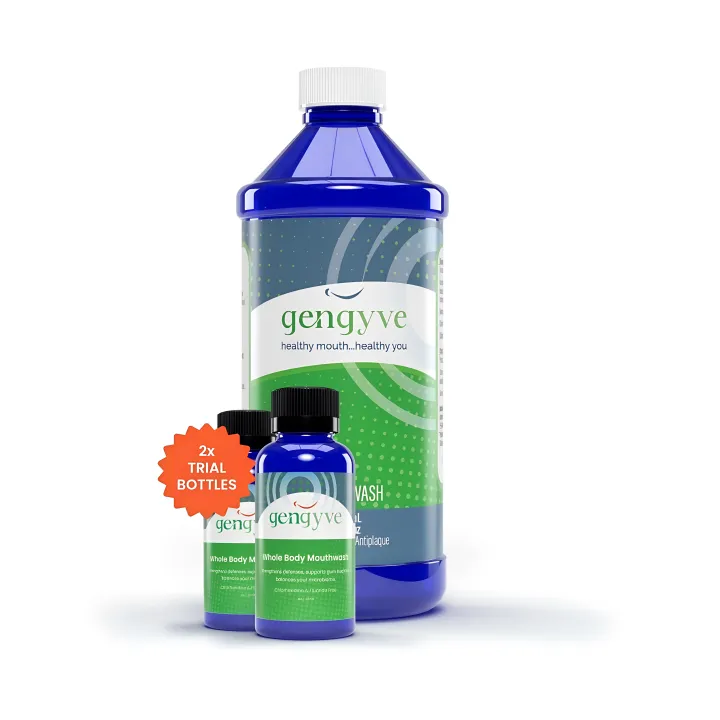
This is where a product like Gengyve's CPC and hyaluronic acid mouthwash fits differently than a spot-treatment serum. Developed with input from practicing dental surgeons, it's formulated as a twice-daily rinse used after brushing. Directions note no burning sensation and no need to rinse afterward.
It's built as an everyday maintenance step rather than a targeted treatment for a specific irritated patch of gum tissue. If you want a gentler daily rinse alongside your existing routine, review the label and discuss it with your dentist, particularly if you have an existing gum condition.

General Application Guidance
- Use only the amount and frequency stated on the label
- Apply with clean hands or the supplied applicator, never a shared one
- Don't swallow the product unless the label specifically says it's safe to do so
- Continue brushing with a soft-bristled brush and cleaning between teeth daily
- Keep scheduled dental appointments regardless of how your gums feel day to day
A serum or rinse supplements these habits. It was never meant to carry your oral care routine on its own.
What Gum Serums Cannot Do—and When to See a Dentist
No over-the-counter HA product should be mistaken for a fix to serious gum problems. Persistent bleeding, swelling, pus, ongoing bad breath, loose teeth, or changes in your bite are signs of something more significant: gingivitis, periodontitis, infection, or trauma. These require examination, not a topical gel.
Gums that have receded don't grow back on their own. According to Cleveland Clinic, professional treatment options include scaling and root planing or gum grafting, depending on severity and cause. Early tissue-healing results from HA trials don't translate into restoring a lost gumline.

Certain situations call for extra caution before using any new oral product:
- Pregnancy or breastfeeding
- Known allergies to HA or other ingredients
- Recent oral surgery or extensive wounds
- Chemotherapy or radiation-related mouth problems
- Severe dry mouth or use of multiple oral medications
Stop using any product if it causes worsening burning, swelling, rash, or ulceration, and contact your dentist if symptoms persist beyond a few days.
Frequently Asked Questions
Is hyaluronic acid good for the mouth?
Oral-formulated HA may support moisture, comfort, and tissue healing in specific situations. Evidence varies by study and outcome measured, and it doesn't replace brushing, flossing, or professional dental care.
Can hyaluronic acid be used to repair gums?
HA may support hydration and early-stage healing in some research, but that's different from structurally repairing damaged tissue. Gums showing real damage or disease need a dental professional's assessment first.
What is an oral gel with hyaluronic acid?
It's a topical product applied directly to gums or other oral tissue, usually with a fingertip or applicator. Unlike a facial serum, it's formulated for oral safety; unlike a mouthwash, it targets one area rather than rinsing the whole mouth.
What is the best gel for repairing gums?
Choose an oral-specific product with clear ingredients and directions you can actually follow. The right treatment ultimately depends on what's causing your gum issue, which is something only an exam can determine.
Can anything regrow receding gums?
Topical serums shouldn't be assumed to regrow lost gum tissue; current research doesn't support that claim. Persistent recession needs evaluation by a dentist or periodontist, who can recommend cause-specific treatment, including grafting if appropriate.