
Many shoppers want to shrink that footprint but face a real dilemma: pick products that cut plastic and packaging, or stick with what dentists actually recommend for cavity prevention and healthy gums. The good news is you rarely have to choose one over the other.
This guide compares eco-conscious toothbrushes, toothpaste, floss, and mouthwash. It explains what sustainability claims actually mean, then ends with a practical checklist and a few everyday habits that cut waste without disrupting your routine.
Key Takeaways
- Eco-friendly dental care weighs ingredients, manufacturing, packaging, transport, durability, and disposal together.
- Labels such as "natural," "non-toxic," and "plastic-free" don't guarantee sustainability or effectiveness.
- Prioritize products that support proven oral-hygiene practices while cutting unnecessary single-use packaging.
- Small habits, like turning off the tap and following local disposal rules, add up alongside better product choices.
What Makes a Dental Care Product Eco-Friendly?
Eco-friendly dental care isn't just about the product in your hand. It covers the entire lifecycle: where materials come from, how much plastic ends up in a landfill, what the packaging is made of, and what happens after you throw it away.
That's different from "sustainable dentistry," which describes how a dental office operates, including water conservation and waste management. This guide focuses on products you buy, not practice-level sustainability.
When evaluating a product, weigh these factors:
- Material sourcing: Is the handle, floss, or packaging made from renewable or recycled material?
- Plastic reduction: Does it limit single-use plastic in the product itself, not just the box?
- Packaging: Is it minimal, recyclable, or genuinely reusable where you live?
- Manufacturing impact: Some lower-waste formats, like toothpaste tablets, can carry higher production footprints than they appear to on the shelf.
- Product lifespan: A durable brush head that lasts longer may beat a "green" one you replace twice as often.
- End-of-life disposal: Can it actually be composted or recycled, or does it need special handling?
Performance can't take a back seat here. A biodegradable toothbrush that doesn't clean well, or a fluoride-free toothpaste chosen for the wrong reasons, can lead to more cavities and more dental visits. Sustainability and oral health work together, not against each other.
Reading the Fine Print on Green Claims
Words like "natural," "organic," "clean," and "non-toxic" sound reassuring, but they mean very different things, and some mean almost nothing at all.
- "Natural" has no formal FDA definition for personal-care products; ingredient origin alone doesn't guarantee safety or sustainability.
- "Organic" carries weight only when backed by USDA's National Organic Program, which requires at least 95% organically produced ingredients for an unqualified claim.
- "Biodegradable" is considered deceptive under FTC guidance if a product doesn't fully decompose within a year of typical disposal, according to the FTC's Green Guides.
- "Recyclable" claims require that recycling access actually reaches most communities where the product is sold, not just that the material is theoretically recyclable somewhere.
Certifications like Cradle to Cradle or USDA BioPreferred add real evidence, but check what each one measures. A biobased-content certification says nothing about compostability, and a company-level badge doesn't certify any individual product.
Best Eco-Friendly Dental Care Products by Category
There's no single "greenest" dental product. The right choice depends on performance, materials, packaging, and how easily you can dispose of it where you live.
Toothbrushes
Four main options compete for your bathroom cup:
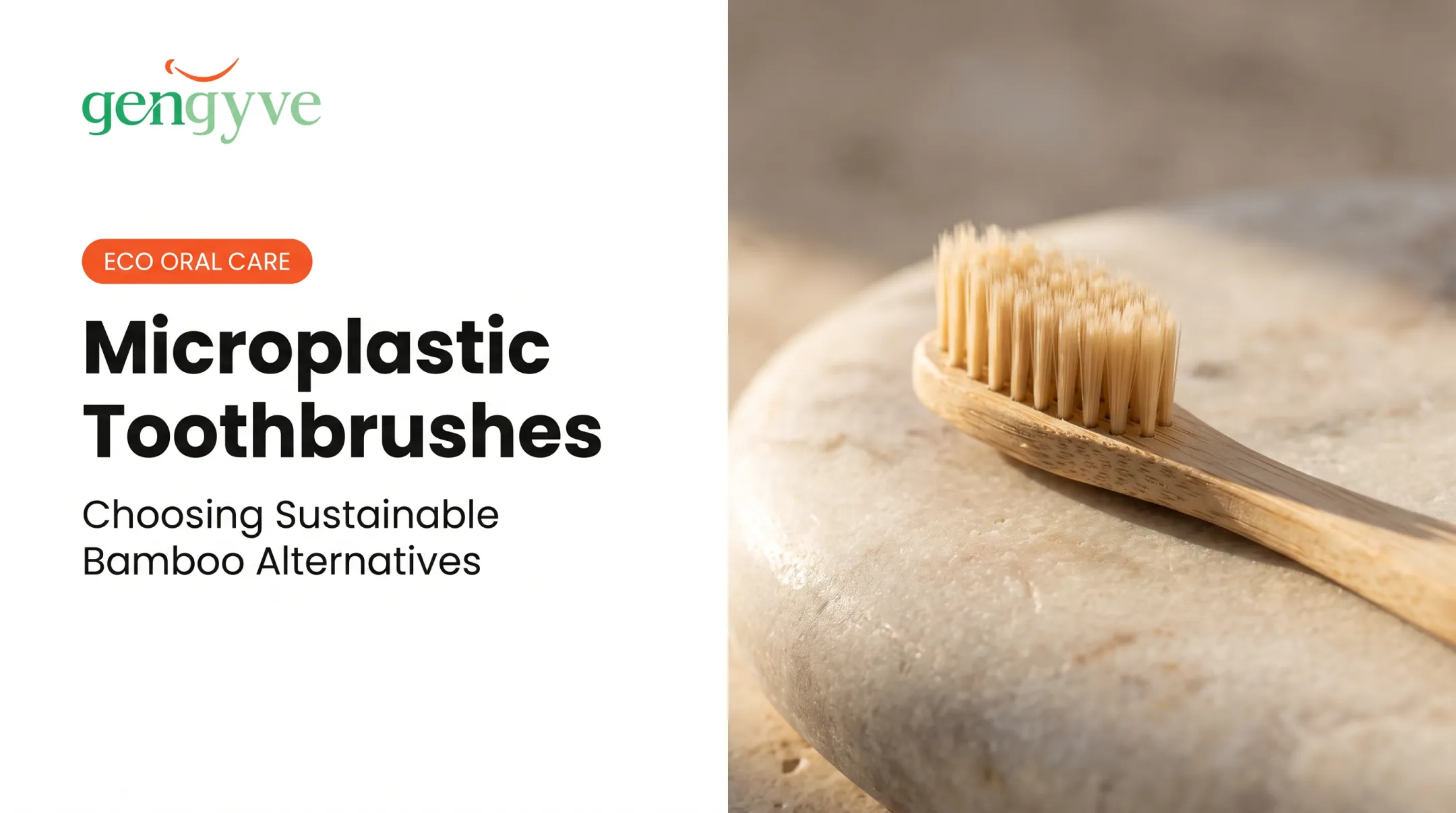
- Bamboo-handled brushes: Low impact across most environmental categories, though bristles still need separate disposal.
- Replaceable-head plastic brushes: Keep the handle and swap the head, with lifecycle impact ratings comparable to bamboo.
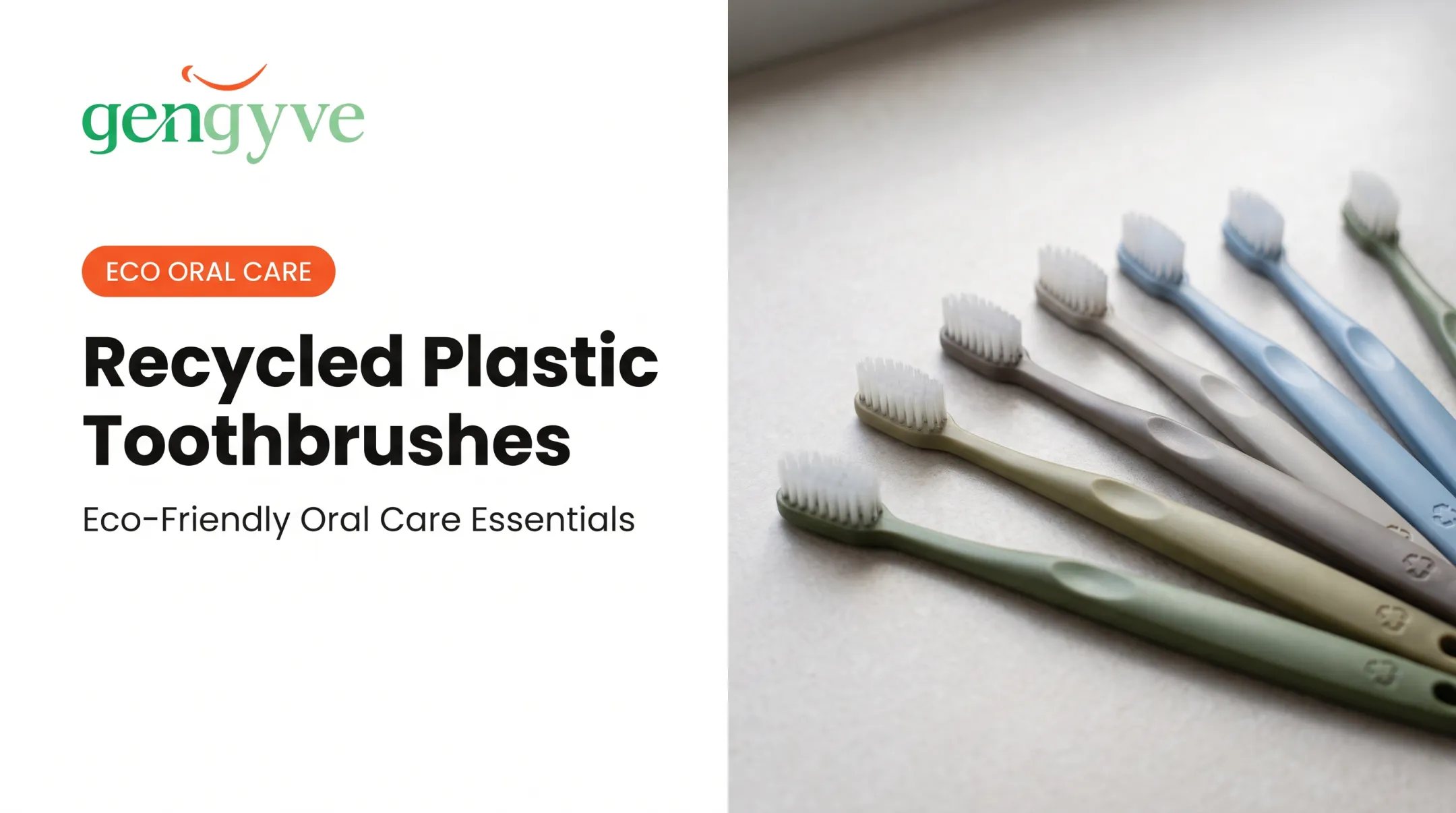
- Recycled-plastic handles: Lifecycle models show roughly 90% lower carbon footprint versus conventional manufacturing, assuming collection and reprocessing actually happen.
- Electric toothbrushes: Durable and gentle for limited dexterity, but had the highest footprint across 15 of 16 impact categories in one UK comparison, largely due to electronics and batteries.
Bristles are the catch with any manual brush. Most are nylon and aren't accepted in standard curbside recycling.
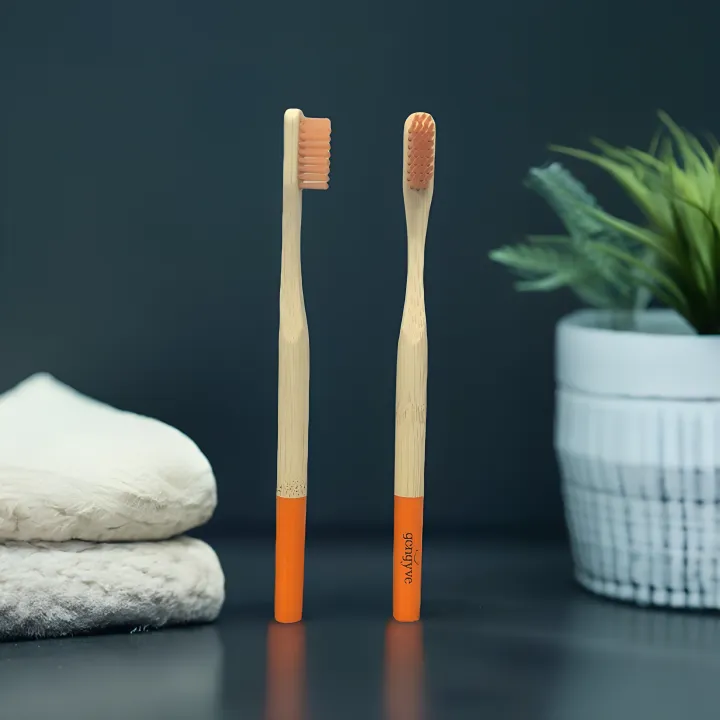
Gengyve's $4.97 bamboo toothbrush pairs a biodegradable bamboo handle with BPA-free, medium-soft bristles. Care instructions direct users to remove the bristles with pliers, recycle them separately, and compost the handle. Check your municipality's rules before assuming any bristle is curbside-recyclable.
Whatever brush you choose, replace it every 3 to 4 months, or sooner if bristles fray, according to the ADA's guidance. A worn brush cleans poorly regardless of material. Durability only pays off if you still swap it on schedule.

Toothpaste
Conventional tubes often combine plastic and aluminum layers that are hard to separate for recycling, and local programs vary on whether they'll even take them. Tablets and powders in reusable glass jars solve the tube problem, but they aren't automatically the lower-impact choice. One Thailand-based lifecycle study found tablets scored higher on total environmental impact than cream over a six-month comparison.
The bigger priority is active ingredients that actually work for your mouth. The FDA's anticaries monograph recognizes sodium fluoride, sodium monofluorophosphate, and stannous fluoride as proven cavity-fighting ingredients. Fluoride-free formulas suit some people, but skip them for high cavity risk without talking to a dentist first. Kids, sensitive teeth, and active decay all call for a personalized conversation, not a label-driven guess.
Dental Floss
Nylon floss is still the most common option, but silk and plant-fiber flosses are gaining ground as plastic-free alternatives. Material identity alone doesn't equal compostability. Silk floss packaged in a plastic dispenser still generates plastic waste, and even plant-based flosses degrade only under specific composting conditions, not in a backyard bin.
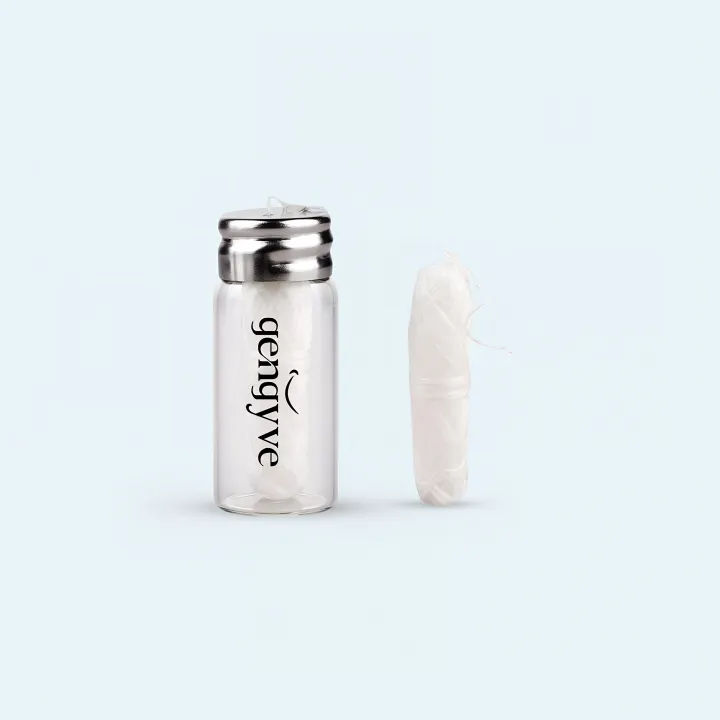
Gengyve's $6.97 silk floss pairs natural silk with a refillable glass container and compostable packaging, which sidesteps the usual plastic-dispenser problem. But the most sustainable floss on paper isn't useful if it shreds, snaps, or feels unpleasant enough that you stop flossing daily. Comfort and consistency matter as much as material.
Mouthwash
Compare mouthwash on formula and purpose first, packaging second. Cosmetic rinses only freshen breath; therapeutic rinses target plaque, gingivitis, or decay with active ingredients. Alcohol-based rinses can dry out oral tissue, which is why many people look for alcohol-free formulas instead.
Don't assume homemade rinses are safer or greener. Saltwater or DIY blends skip the packaging, but they also skip any evidence of antimicrobial or anti-plaque benefit, and they may not suit someone recovering from oral surgery or managing gum disease. If you have implants, mucosal irritation, or a healing extraction site, check with your dentist before adding any new rinse, homemade or store-bought.
How to Choose Products That Are Sustainable and Effective
Rather than fixating on one green feature, run every purchase through this checklist:
- Confirm the purpose: Does the product need to fight cavities, manage gum disease, or just maintain routine hygiene?
- Check the ingredients: Are active ingredients evidence-backed for your needs, not just marketed as "natural"?
- Assess the packaging: Is it recyclable where you actually live, minimal, or genuinely refillable?
- Look at certifications: What does each one cover: the product, the ingredient, or just the company?
- Weigh durability: Will it last as long as, or longer than, a conventional alternative?
- Review shipping materials: Bulk or consolidated orders generally beat frequent small shipments.
- Follow disposal instructions: Does the brand tell you exactly how to recycle or compost each component?
A single green feature can mislead. A plastic-free product with a short lifespan or no real disposal path might land worse on total impact than a recyclable plastic one you use for years. Compare the whole picture, not one data point.
Favor formats that cut material use when they match how you already care for your mouth:
- Concentrated rinses
- Refillable containers
- Multi-bottle orders that lower per-unit packaging
These only help if they fit your routine. A refill system you abandon after one cycle saves nothing.
Before trusting a sustainability claim, look for specifics:
- Where are materials sourced?
- What percentage is biobased or recycled?
- Is it commercially compostable or home compostable?
Vague claims without documentation are a red flag.
Personal needs still come first. Sensitive teeth, bleeding gums, dry mouth, orthodontic appliances, implants, and children's developing teeth each call for different ingredients and formats. A fluoride-free toothpaste or an alcohol-free rinse may be right for one person and wrong for another.
No product replaces the fundamentals: brushing twice daily for two minutes, cleaning between teeth, and keeping regular dental visits. Sustainable products support that routine; they don't substitute for it.

Everyday Habits That Reduce Dental-Care Waste
Product choice is only half the equation. A few small habits cut waste just as much as what you buy.
- Turn off the tap while brushing. The EPA estimates this alone can save 8 gallons of water per day, according to EPA WaterSense data.
- Use only what you need: a pea-sized amount of toothpaste or a capful of rinse is plenty.
- Avoid overstocking: bulk buying only helps if you'll actually use the product before it expires.
- Use items for their full lifespan: replace a toothbrush at 3-4 months, not on a whim.
- Choose refills where practical: a refillable floss dispenser or concentrate cuts packaging per use.
- Consolidate orders: fewer, larger shipments reduce transport-related waste compared to frequent small ones.
Before tossing anything in the recycling bin, check your city's actual rules. Multilayer toothpaste tubes and floss containers aren't universally accepted, and compostable items mixed into regular recycling can contaminate the entire stream.
The same thinking applies to dental visits. Ask your practice whether they use digital forms instead of paper, recycle or responsibly dispose of materials, and offer sustainably sourced take-home products. Small questions like these push the whole industry toward lower-waste norms.
A Dental-Surgeon-Developed Mouthwash Option
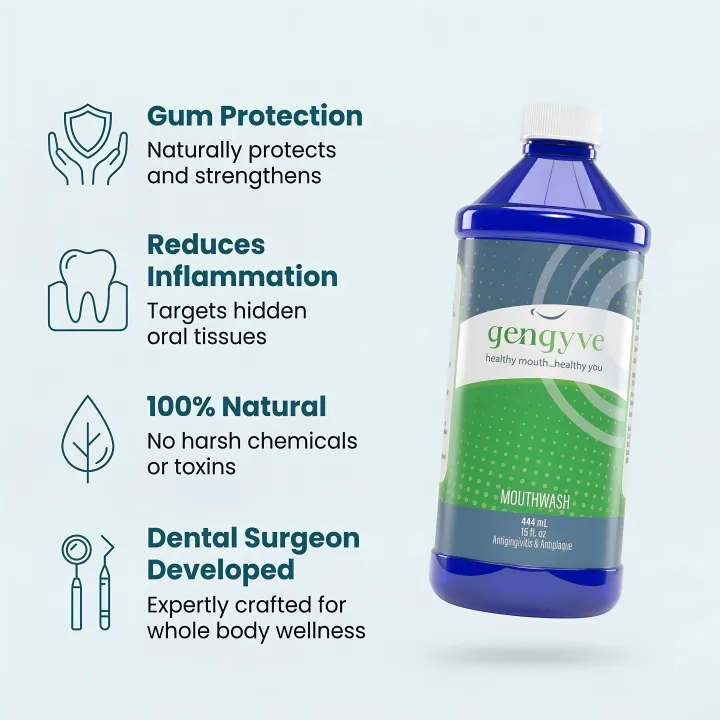
If you want a natural rinse with real clinical thinking behind it, Gengyve USA is worth a look. The company was founded by S. Thaddeus Connelly, DDS, MD, PhD, FACS, an oral and maxillofacial surgeon and Full Clinical Professor at UCSF with more than 60 peer-reviewed publications to his name.
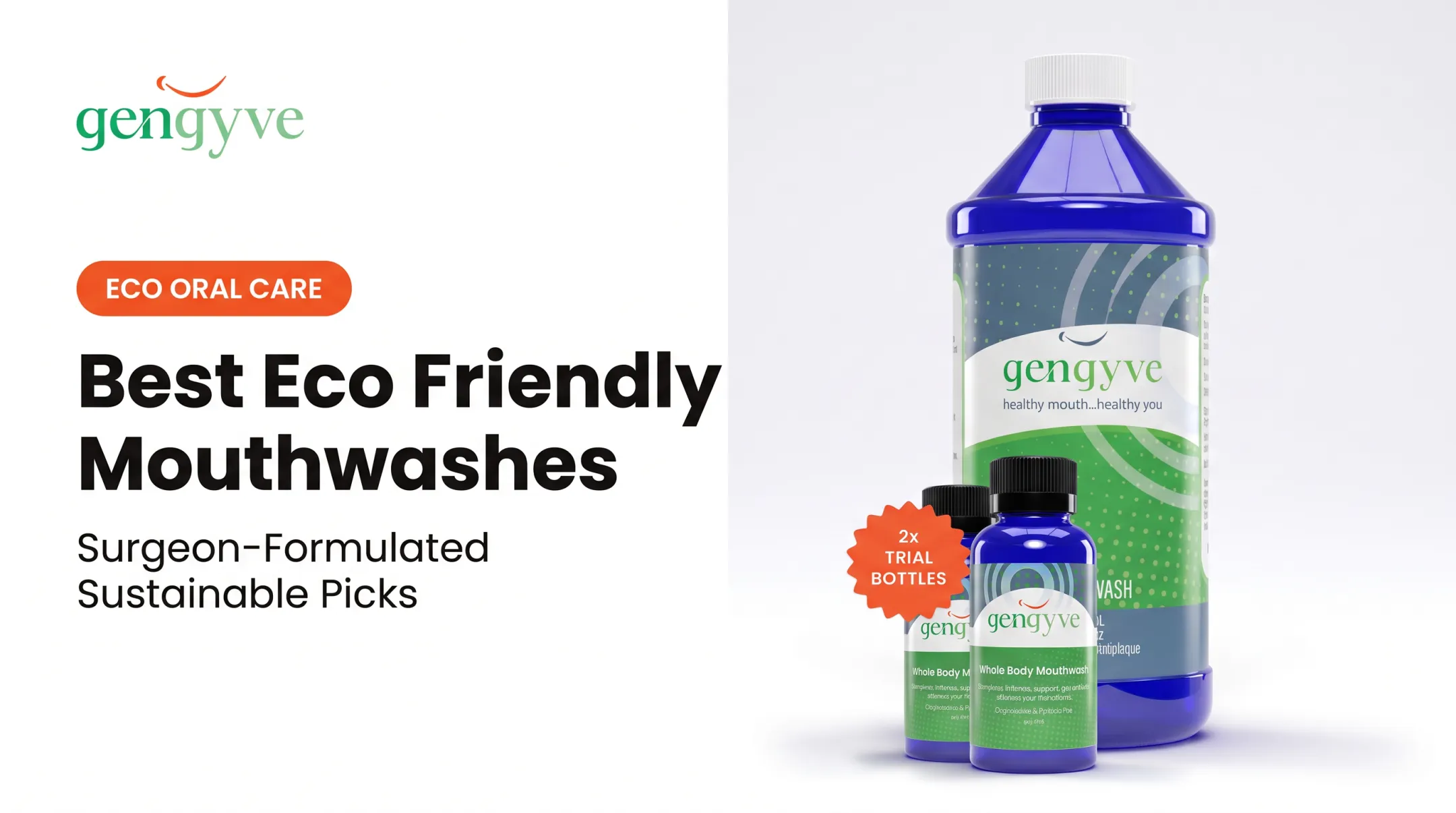
Gengyve's $19.99 daily mouthwash combines cetylpyridinium chloride (CPC) and hyaluronic acid in a formula that's natural, alcohol-free, and chlorhexidine-free, with clinical-trial-backed research behind the ingredient pairing. It's built to support daily oral care without the harsh burn common to alcohol-based rinses, a detail that matters for anyone managing sensitive gums or recovering from dental work.
Evaluate Gengyve, or any mouthwash, the same way you'd evaluate the rest of your routine:
- Formula transparency: Are active and supporting ingredients clearly listed?
- Intended use: Cosmetic freshening, therapeutic gum support, or post-procedure care?
- Clinical support: Is there published research behind the formulation?
- Packaging and sourcing: What's the bottle made from, and where do ingredients come from?
- Disposal: Does the brand provide clear end-of-life guidance for the container?
Gengyve's ingredients, including hyaluronic acid, pullulan, and castor oil, are sourced from renewable resources, which is a meaningful signal on the ingredient side. Still, treat any single product as one option among several, not a universal fix. If you're managing gum disease, healing from oral surgery, or dealing with mucosal irritation, loop in your dentist before adding any new rinse to your routine.

Readers curious about a dentist-developed option can review the product details directly rather than relying on secondhand claims.
Frequently Asked Questions
What are some natural oral care products available?
Natural oral care includes bamboo or replaceable-head toothbrushes, lower-waste toothpaste formats like tablets or refillable tubes, silk or plant-fiber floss, and naturally formulated mouthwashes. Always verify effectiveness and disposal claims rather than assuming "natural" means proven or compostable.
What are some eco-friendly mouthwash options?
Compare mouthwash by formula, packaging, ingredient transparency, intended use, and clinical evidence rather than "natural" branding alone. Gengyve's dental-surgeon-developed, alcohol-free rinse is one option worth reviewing, though it isn't universally appropriate for every oral-health condition.
What is the most environmentally friendly toothbrush?
Bamboo handles and replaceable-head plastic brushes generally score lowest across lifecycle-impact studies, while electric brushes tend to score highest due to their electronics and batteries. The best choice ultimately depends on consistent replacement, proper bristle disposal, and daily use.
What is the most eco-friendly dental floss?
Nylon, silk, and plant-fiber flosses each have trade-offs, and material alone doesn't guarantee compostability. Check the coating, container, and your local disposal rules before assuming any floss can be composted at home.
What is the cleanest non-toxic toothpaste?
"Clean" isn't a regulated or guaranteed term for toothpaste. Review the active ingredients, available evidence, and ingredient transparency, and weigh them against your own dental needs instead of relying on marketing language.
What is sustainability in dentistry?
Sustainability in dentistry means reducing environmental impact through responsible products, water and energy conservation, safer materials, and efficient waste management, all without compromising patient care or clinical outcomes.