Introduction
Plaque never really goes away. You brush it off in the morning, and by evening a fresh film of bacteria has already settled back onto your teeth and gumline. Many people struggle not with whether to brush, but with how well their toothbrush actually does the job once it's in their hand.
The right toothbrush doesn't guarantee a cavity-free mouth, but it does change how consistently and thoroughly you can clean. Bristle softness, brush movement, pressure control, and how well a brush reaches your back molars all matter more than the price tag on the box.
This guide compares powered and manual toothbrush categories, walks through what the research actually shows, and covers the technique that makes any brush more effective at removing plaque.
Key Takeaways
- Oscillating-rotating powered brushes show the strongest evidence for plaque and gingivitis control; a correctly used manual brush still works
- Soft bristles, a built-in timer, light pressure, and full gumline coverage matter more than pricey features
- No toothbrush cleans between teeth effectively, so daily flossing or another interdental cleaner is essential
- Brushing removes soft plaque only; hardened tartar requires a professional dental cleaning
Overview of Toothbrushes for Plaque Removal in the US
Dental plaque is a soft, sticky biofilm made up of bacteria that forms continuously on your teeth and along the gumline. Left in place, it can trigger gum inflammation, contribute to cavities, and eventually harden into tartar that a toothbrush can no longer touch.


Research comparing powered and manual brushes consistently favors powered options, with caveats. A 2014 Cochrane review of 56 studies and more than 5,000 participants found powered brushing reduced plaque and gingivitis more than manual brushing. The authors still noted that the real-world clinical importance of that difference remains uncertain.

Because that clinical edge is modest and product lines shift often, this article won't crown a single "best" product:
- Brush technology (oscillating-rotating, sonic, manual) matters more than brand
- Individual models change constantly, along with pricing and availability
- Many underlying trials have some manufacturer funding, which doesn't invalidate the findings but does call for context
The sections below break down toothbrush types rather than individual products, matched to different budgets, abilities, and oral health needs.
Best Toothbrush Types for Plaque Removal
Each category below is evaluated against the same checklist: plaque-control evidence, bristle design, pressure management, timer function, reach into tight spaces, replacement-head cost, and overall value for the person actually using it.
Oscillating-Rotating Electric Toothbrushes
These brushes use a small, round head that rotates in one direction, then the other, cleaning one tooth surface at a time as it moves around the mouth. That targeted motion is part of why this category has the deepest body of supporting research.
The Cochrane review mentioned earlier found this specific brush type produced statistically significant improvements in both plaque and gingivitis scores compared with manual brushing, across short-term (1–3 months) and longer-term follow-up periods. At least 37 of the underlying trials received some manufacturer funding, so "well-studied" isn't the same as "fully independent."
Useful features to look for:
- Two-minute built-in timer with 30-second quadrant alerts
- Pressure sensor that signals when you're pressing too hard
- Compact head that can actually reach your back molars
- Affordable, widely available soft replacement heads
This category tends to help people who struggle with technique, consistently miss the gumline, or have limited hand dexterity. One caution: a pressure sensor only helps if you pay attention to it. Pressing hard out of habit can still irritate gums, powered brush or not.
Before buying, check:
- Battery life between charges (a week or more is typical for most mid-range models)
- Replacement-head cost per year, since this often exceeds the brush's upfront price
- Water resistance rating if it'll live in a shared bathroom
- Noise level and vibration intensity, especially for sensitive users
Sonic or High-Frequency Electric Toothbrushes
Sonic brushes vibrate at a much higher frequency than oscillating-rotating models, creating rapid bristle movement and fluid agitation that can help dislodge plaque in spots the bristles don't directly touch.
A 2022 network meta-analysis of healthy adults found both sonic and oscillating-rotating brushes outperformed manual brushing in single-use plaque removal tests, per Thomassen's 2022 analysis.
Head-to-head results between the two powered categories are genuinely mixed. A separate 2021 review of 24 trials and nearly 3,000 patients found little to no difference between oscillating-rotating and sonic brushes at four weeks. Neither technology wins outright.
What to prioritize when choosing a sonic brush:
- Soft bristle head (not medium or firm)
- Pressure feedback, if you tend to brush hard
- A timer that paces you through all four quadrants
- Manageable vibration intensity for comfort
Some people simply find the sweeping sonic sensation more comfortable than the oscillating motion. If you have significant gum recession, dental implants, or you're recovering from oral surgery, ask your dentist before switching brush types. General healthy-adult research doesn't automatically apply to those situations.
Rechargeable and Battery-Powered Electric Toothbrushes
Power source and cleaning motion are two separate decisions. A rechargeable brush might be oscillating-rotating or sonic. A disposable battery-powered brush usually offers fewer settings but costs less upfront.
Typical trade-offs:
- Rechargeable models cost more initially but often include a timer, pressure sensor, and multiple cleaning modes
- Battery-powered brushes are cheaper and more portable but may lose motor strength as the battery drains
- Replacement-head compatibility varies widely between brands, so check before committing
A basic powered brush with soft bristles, a timer, and a pressure warning will likely do more for your plaque control than an advanced model loaded with features you'll never use. Buy for consistency, not specs. Before purchasing any specific model, verify current battery life claims and replacement-head pricing directly with the manufacturer, since these details change often.
Soft-Bristled Manual Toothbrushes
A manual toothbrush, used correctly, remains a legitimate plaque-removal tool. The research gap between manual and powered brushing is smaller than marketing often suggests, and manual brushes offer something powered models can't: complete control over every movement.
Look for a compact head and soft, end-rounded bristles. Hard bristles and aggressive scrubbing don't clean better. They just increase the risk of irritated gums and worn enamel over time.
Manual brushing technique that actually works:
- Divide your mouth into four sections and spend roughly 30 seconds on each
- Angle bristles toward the gumline at 45 degrees, using small, gentle strokes
- Clean outer surfaces, then inner surfaces, then chewing surfaces
- Finish with a few gentle strokes across your tongue
- Don't rush the gumline; that's where plaque accumulates fastest

Why people choose manual brushes:
- No charging or battery replacement required
- Costs a fraction of a powered brush
- Easy to pack for travel
- Simple to replace every few months
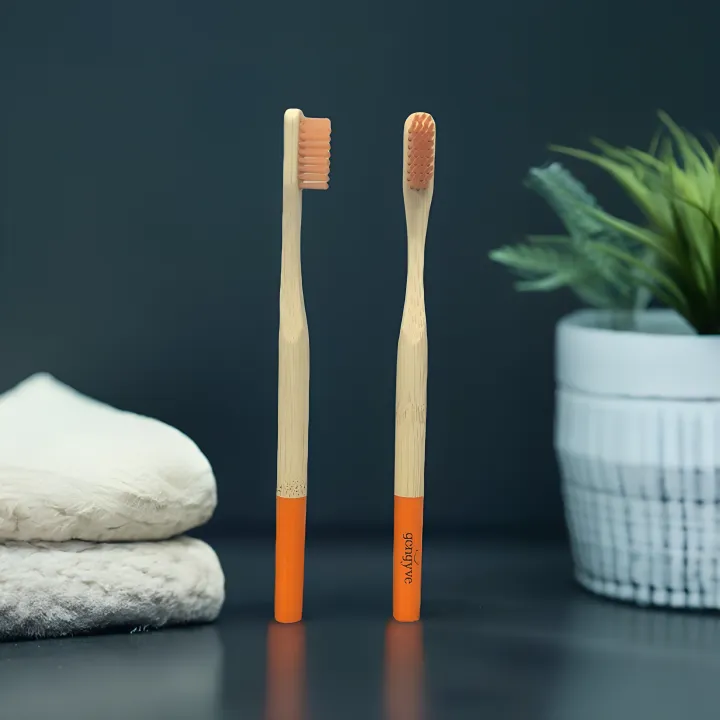
This is where a sustainable option fits well for many households. The Gengyve Bamboo Toothbrush, for instance, uses a lightweight biodegradable handle with BPA-free, medium-soft bristles, priced at $4.97 for a single brush.
One verified buyer described it as "easy on the gums and tooth," which lines up with the gentle-pressure approach dentists recommend. Like any manual brush, it should be replaced roughly every three months or sooner if bristles start to splay.
Manual brushes work less well for people with limited dexterity, coordination challenges, or active orthodontic treatment. If brushing thoroughly feels physically difficult, a powered brush (or hands-on guidance from a hygienist) is usually the better call.
Specialized Brushes for Braces, Sensitive Gums, Implants, and Limited Dexterity
Some brush designs are built around specific anatomy or appliances rather than general plaque removal. These include orthodontic heads shaped to clean around brackets, extra-soft bristles for sensitive tissue, angled necks for hard-to-reach molars, and wider ergonomic handles for limited grip strength.
What these features do and don't do:
- A specialized brush can make cleaning easier, but it doesn't treat gum disease, recession, or sensitivity on its own
- Research on fixed braces actually found no significant difference between manual and powered brushing for plaque or gingival health in adolescent patients over a 12-month period
- A similar implant study found no meaningful plaque difference between sonic and manual brushing around dental implants
In other words, general healthy-adult research doesn't automatically carry over to braces, implants, or surgical recovery. If you fall into one of these categories, ask your dentist or hygienist which bristle firmness and technique fits your specific situation.
See a dentist rather than switching brushes if you notice:
- Bleeding that doesn't improve after a week of gentle brushing
- Persistent swelling or pain
- Loose teeth
- Visible hardened deposits near the gumline
How We Chose the Best Toothbrush Types
This article prioritized systematic reviews, randomized trials, and professional dental guidance over individual product marketing.
Common mistakes people make when choosing a toothbrush:
- Picking hard or firm bristles, assuming they clean more aggressively
- Equating vibration speed or intensity with better plaque removal
- Ignoring how much pressure they apply while brushing
- Paying for features (app connectivity, multiple modes) they won't use consistently
- Overlooking the ongoing cost of replacement heads
Practical performance matters just as much as clinical evidence. We weighed:
- Bristle quality and head size
- Gumline access and pressure control
- Timer accuracy and handle comfort
- Charging requirements and long-term cost per brush
Independent-sounding reviews can still rest on manufacturer-funded trials. That doesn't make the findings wrong, but it is a reason to check who funded a study, how many people were enrolled, and how long it ran.
The toothbrush is still one piece of a larger routine. According to the American Dental Association, effective home care includes:
- Brushing twice daily for two minutes with fluoride toothpaste
- Cleaning between teeth daily
- Replacing your brush every three to four months (sooner if bristles fray)
- Keeping up with professional cleanings
A gentle oral rinse can round out that routine without replacing any of the above. Gengyve, for example, is a dental-surgeon-developed, natural, alcohol-free, chlorhexidine-free rinse designed for daily use alongside brushing and flossing. It's not a substitute for mechanical plaque removal, and it won't remove tartar. Use it to support a routine you already follow, not as a shortcut around brushing and flossing.

Conclusion
There's no single "best" toothbrush that works for every mouth. The best one is whichever design actually gets used thoroughly, gently, and consistently.
Powered brushes, particularly oscillating-rotating models, offer a measurable edge for many people. A well-used manual or bamboo brush remains a completely valid choice for others.
When comparing options, weigh the evidence, bristle softness, pressure control, timer function, and replacement costs—not just shelf price or packaging claims.
If you're dealing with persistent bleeding, sensitivity, gum recession, braces, implants, or recovery from a dental procedure, talk to your dentist before assuming a new brush will fix it.
If you're building out a complete daily routine, a gentle rinse like Gengyve can be a reasonable addition alongside brushing and flossing, not a replacement for either one.
Frequently Asked Questions
Can plaque be removed with a toothbrush?
Yes. Thorough brushing with a soft-bristled brush removes soft plaque from accessible tooth surfaces. Toothbrushes can't reach between teeth effectively, so daily flossing or another interdental cleaner is still necessary.
What type of toothbrush is best for removing plaque from teeth?
Oscillating-rotating and sonic electric brushes both show evidence of outperforming manual brushing on average. That said, a soft-bristled manual brush used with correct technique remains effective, so personal consistency matters more than brush category.
Are electric toothbrushes better than manual toothbrushes for plaque?
Research shows a modest average advantage for powered brushes, particularly oscillating-rotating models, in reducing plaque and gingivitis. The benefit depends heavily on using the brush correctly and consistently, not just owning one.
Can a toothbrush remove tartar?
No. Brushing removes soft, fresh plaque, but once it hardens into tartar, only a dentist or dental hygienist can remove it with professional tools, according to the NIH's gum disease guide.
How often should you replace a toothbrush or brush head?
Replace a manual brush or powered brush head every three to four months, or sooner if bristles look frayed, splayed, or matted. Check current manufacturer guidance for your specific brush model.
What toothbrush is best for sensitive gums?
Soft or extra-soft bristles paired with gentle pressure are the standard recommendation for sensitive gums. If sensitivity, bleeding, or recession persists, ask a dental professional for personalized guidance before switching products.