The best manual toothbrush supports gentle plaque removal along the gumline. No toothbrush cures gingivitis or established periodontitis, though, and persistent symptoms need a dental evaluation. According to NIDCR data, 42.2% of dentate US adults aged 30 and older had periodontitis in 2009-2014 survey data.
This guide covers five US manual toothbrushes, how to choose among them, and safe brushing habits. Medical context comes from the work of Dr. S. Thaddeus Connelly, an oral and maxillofacial surgeon and UCSF Full Clinical Professor who founded Gengyve USA.
Key Takeaways
- Soft bristles and light pressure matter more than fancy features.
- Your best pick depends on your needs: sensitivity, heavy-handed brushing, reach, or low waste.
- Brushing helps most alongside daily interdental cleaning and professional care.
- Don't stop brushing because of bleeding until you know the cause.
Overview of Manual Toothbrushes for Gum Disease in the US Market
A manual brush disrupts plaque at the gumline while limiting trauma to inflamed tissue. It does not remove tartar. The ADA states tartar needs professional removal, and deep pockets need scaling and root planing from a dental professional.


Features that matter
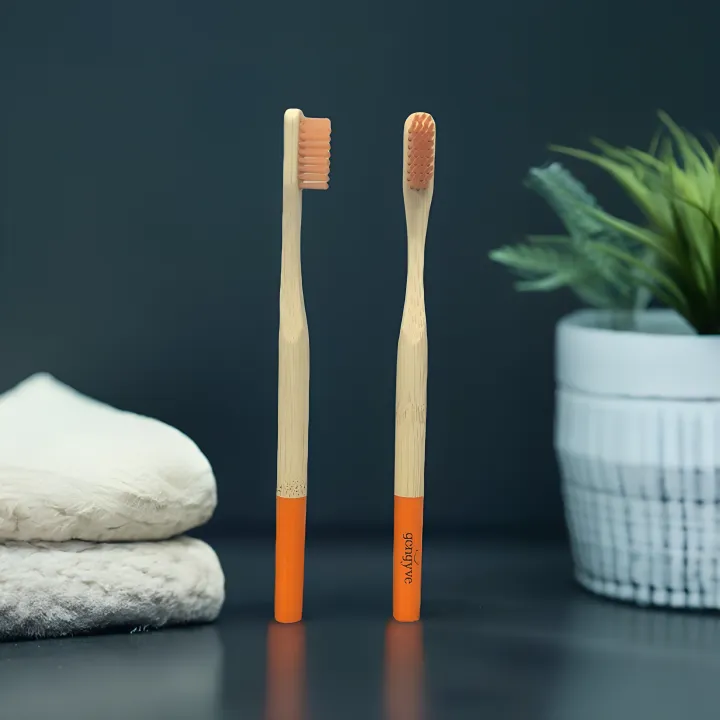
The ADA recommends soft bristles and a head small enough to reach every surface. Look for:
- Soft or extra-soft bristles free of sharp or jagged ends
- A head you can maneuver around back molars
- A comfortable, durable handle you can control
What a brush can't reach
Brushing alone misses surfaces between teeth. The ADA recommends cleaning between teeth daily, with floss or interdental brushes, plus regular professional cleanings.

The five brushes below differ in design and format. None has a demonstrated ranking for bleeding control or periodontitis treatment, so compare specifications and comfort rather than brand names.
Best Manual Toothbrushes for Gum Disease in the US
This is a use-case shortlist, not a claim that any brush treats periodontal disease. None of the five currently appear in the ADA's live manual-toothbrush Seal category, so Seal acceptance is unconfirmed. Check specs and Seal status before buying.
Nimbus Microfine Xtra Soft Toothbrush
Nimbus uses two-level tapered bristles: about 1,480 filaments in the Regular head and 1,360 in the slimmer Compact. That density and softness suit people with sensitive or bleeding gums.
Trade-offs: ultra-soft bristles may feel less "scrubby," and you still need careful technique. Nimbus recommends replacement every 2-3 months, sooner if bristles separate or bow.
| Feature | Details |
|---|---|
| Bristles | Two-level tapered, extra soft |
| Head/handle | Regular or Compact head, adult handle |
| Best fit | Sensitive, bleeding, or receding gums |
| Replacement | 2-3 months |
| Availability | 5-packs |
| ADA Seal | Not in live category |
Radius Source Manual Toothbrush
Radius Source has a wide, replaceable head with 3,000+ plant-based nylon bristles, in Super Soft Flossing, Soft, and Medium. Choose Super Soft or Soft. The ADA's general advice is soft, not medium.
Radius claims 93% less plastic by replacing only the head. That's a manufacturer claim, not an independent lifecycle result. Manufacturer guidance is 3-6 months for replacement, longer than the ADA's 3-4 months, so swap sooner if bristles fray. Its ADA status is also conflicting: the 2025 guide lists it, but the live category does not.
| Feature | Details |
|---|---|
| Bristles | Super Soft Flossing (tapered), Soft, Medium |
| Head/handle | Wide replaceable head, reversible ergonomic handle |
| Best fit | Heavy brushers, sensitive gums |
| System | Heads in 2- and 12-packs |
| ADA Seal | Conflicting evidence |
Oral-B CrossAction Manual Toothbrush
CrossAction Max Clean Soft has opposing angled bristles and replacement-indicator bristles. It's widely sold, with Soft in 1- and 2-count formats, which helps on a budget.
Pick the Soft version only. A "deep clean" feeling isn't proof of better gum care. A 2000 clinical series found an earlier CrossAction removed more plaque than seven other brushes after 60 seconds in healthy participants. That doesn't show current-model results or periodontitis benefit.
| Feature | Details |
|---|---|
| Bristles | Angled, Soft option |
| Head/handle | Indicator bristles |
| Best fit | Budget-conscious shoppers |
| Availability | 1- and 2-count |
| ADA Seal | Not in live category |
Tom's of Maine Whole Care Soft Toothbrush
Tom's Whole Care has soft, angled, BPA-free bristles and an angled neck. That may help you place the brush at the gumline and reach molars. The page gives conflicting recycled-plastic figures (80% and 8%), so skip that claim. Recycling runs through a Tom's TerraCycle program.
| Feature | Details |
|---|---|
| Bristles | Soft, angled, BPA-free |
| Handle | Angled neck, plastic |
| Best fit | Targeted brushing, back teeth |
| Sustainability | Recycling program; recycled-content figure unclear |
| ADA Seal | Not in live category |
Colgate 360 Soft Manual Toothbrush
The current soft model (Advanced Whitening/Optic White) is "multi-action," with a cheek and tongue cleaner and an ergonomic handle with 40% recycled plastic. Multi-level bristles on this exact model are unconfirmed.
Extra features can encourage more pressure. With active inflammation, favor gentleness over aggressive scrubbing.
| Feature | Details |
|---|---|
| Bristles | Soft, multi-action |
| Extras | Cheek/tongue cleaner, ergonomic handle |
| Availability | 1-pack; 2-pack in Colgate shop |
| ADA Seal | Not in live category |

How We Chose the Best Manual Toothbrush
We weighed manufacturer specifications, ADA and AAP guidance, and systematic reviews. Popularity wasn't treated as clinical proof.
Bristles
Soft or extra-soft only. A 13-study review found more gingival lesions with hard bristles than with soft or medium, though certainty was low. Worn bristles also clean less well.
Head and handle
Compact heads reach back teeth; broader heads spread pressure. Choose whichever lets you keep a light touch. Neither tapered nor end-rounded filaments have clear evidence favoring one over the other.
Fit for specific concerns
- Gingivitis: gentle daily plaque control can often reverse it.
- Recession: exposed roots can be sensitive; evidence linking brushing to recession is inconclusive.
- Braces: AAO suggests 2 minutes after meals and before bed.
- Implants: AAP advises twice-daily brushing, daily interdental care, and an annual periodontal evaluation.
- Diagnosed periodontitis: follow your periodontist's plan.
Replacement and storage
Replace every 3-4 months, sooner if matted or frayed. Rinse, store upright, and let it air-dry rather than sealing it in a closed container.
Common mistakes
- Scrubbing harder or choosing hard bristles
- Skipping the gumline
- Brushing under 2 minutes
- Ignoring between-teeth cleaning
- Stopping all hygiene when gums bleed
Instead, brush 2 minutes twice daily, angle the bristles about 45 degrees toward the gumline, and use gentle short strokes. See a dentist or periodontist if symptoms persist.

Conclusion
The best manual toothbrush for gum disease usually has soft bristles, an easy-to-control design, and a comfortable fit that keeps you brushing gently and consistently.
It supports, but doesn't replace, diagnosis, periodontal treatment, and interdental cleaning. Seek care if bleeding, recession, swelling, pus, pain, or loose teeth persist.
As an optional addition to a full routine, Gengyve USA offers an alcohol-free, chlorhexidine-free mouthwash developed by dental surgeons. It doesn't replace brushing or professional care.
Frequently Asked Questions
What is the best manual toothbrush for gum disease?
A soft or extra-soft, well-made brush that lets you control pressure and reach the gumline comfortably. The best model depends on your symptoms and your dentist's advice.
Is an electric or manual toothbrush better for gum disease?
Either works when used correctly. A Cochrane review found powered brushes reduced plaque modestly more over time, and the ADA notes they may help people with dexterity problems. Manual brushes cost less and travel easily.
Do dentists recommend autobrushes for gum disease?
Sometimes, for selected patients. The choice depends on dexterity, comfort, plaque control, appliances, implants, and your gum condition.
How should I brush my teeth if I have periodontal disease?
Use a soft brush, light pressure, and a 45-degree gumline angle. Clean between teeth daily and follow your periodontist's plan.
Why is my toothbrush making my gums bleed?
Causes include gum inflammation, brushing too hard, damaged bristles, a new flossing routine, or medication. See a dentist if bleeding is regular or worsening.
What kills periodontitis bacteria?
No toothbrush or rinse eliminates it. Periodontitis involves a plaque biofilm that needs professional treatment such as scaling and root planing, plus daily plaque disruption at home.