
Recycled plastic toothbrushes appeal to a specific kind of shopper: someone who wants the familiar feel and durability of a plastic handle, but doesn't want that handle made entirely from new, virgin material. It's a reasonable middle ground.
But here's the catch. Recycled plastic, recyclable plastic, and biodegradable plastic are three different things. A toothbrush can check one box and completely miss the other two. This article breaks down what recycled content actually delivers, where it falls short, and how it stacks up against bamboo, bio-based, and electric alternatives.
Key Takeaways
- Recycled plastic toothbrushes reuse plastic in the handle, not necessarily the whole product.
- "Recycled," "recyclable," and "biodegradable" are separate claims that require separate proof.
- Soft bristles, good technique, and timely replacement matter more for oral health than handle material.
- Mixed-material handles often can't go in curbside bins, so check take-back programs first.
- A lower-impact handle doesn't guarantee a lower-impact brush once bristles, packaging, and shipping count.
What Are Recycled Plastic Toothbrushes?
A recycled plastic toothbrush uses previously manufactured plastic, instead of entirely new petroleum-based material, to form the handle. That plastic generally comes from one of two sources:
- Post-consumer recycled content: material that already served its purpose for a household or end-user (think recycled yogurt cups) before being reprocessed
- Pre-consumer (post-industrial) recycled content: scrap generated during manufacturing, diverted before it ever reached a consumer
These are not interchangeable terms, and a product's marketing should specify which one it uses, along with the percentage and resin type. One well-documented example on the market uses a 100% recycled #5 plastic (polypropylene) handle paired with new, virgin nylon bristles, a useful reminder that a recycled claim rarely covers the entire brush.
How a Toothbrush Is Actually Built
Most toothbrushes combine several materials that rarely get listed on the front of the package:
- A molded plastic handle (often polypropylene or similar resin)
- Nylon bristles, sometimes with a softer silicone option
- Rubberized or textured grip sections for comfort
- Small metal staples that anchor the bristle tufts into the head
A recycled-plastic handle can be just as durable as a virgin-plastic one. Durability comes down to handle design, bristle quality, and manufacturing standards, not the origin of the resin.
Recycled Content Doesn't Mean Easy to Recycle
Here's where many shoppers get tripped up. A handle made from recycled plastic still has nylon bristles and metal staples fused into it. Separating those materials at a recycling facility is difficult, which means the finished toothbrush often can't go through standard recycling streams, even though its raw material once did.
Before trusting any sustainability claim, check:
- Is the recycled content certified or documented with a specific percentage?
- Is the packaging recyclable, or just the handle?
- Does the manufacturer offer a take-back or mail-in program?
What Are the Environmental Benefits and Limitations?
Using recycled plastic can meaningfully reduce the resources needed to produce a new handle. According to APR's 2020 LCA, recycled polypropylene pellets require roughly 8.9 MJ of energy per kilogram, compared with 74.4 MJ for virgin PP, and generate 0.53 kg of CO2e versus 1.84 kg CO2e for virgin material.

Those are resin-production numbers, not a finished-toothbrush footprint. The full picture includes several more stages:
- Raw-material sourcing and recycling processing
- Manufacturing and assembly (bristles, staples, grip)
- Packaging and shipping to the consumer
- Everyday use over roughly 3-4 months
- Disposal, whether landfill, incineration, or a specialty program
One lighter-impact component at step one doesn't guarantee a lighter-impact product once you account for every other step.
The Mixed-Material Problem
Most municipal recycling programs are built around single-material items like bottles, tubs, and jugs. A toothbrush combining plastic, nylon, and metal usually doesn't qualify, regardless of what the handle is made from. Always check your local program's rules before tossing a toothbrush in the bin. Assuming curbside acceptance is the single most common mistake here.
Recycled Plastic vs. Bamboo and Bio-Based Handles
Neither option is a clear winner across the board. Bamboo handles are biodegradable, but the bristles attached to them are almost always nylon, and nylon doesn't break down the same way. Bio-based plastics, including ones derived from castor oil, use renewable feedstocks, which is not the same thing as biodegradable.
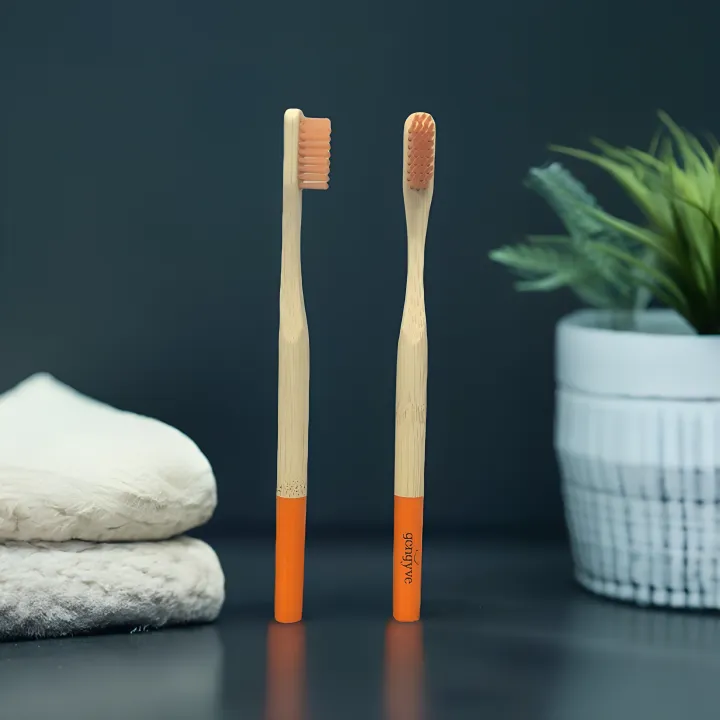
Gengyve's own bamboo toothbrush illustrates the trade-off well: the handle is 100% bamboo with BPA-free, medium-soft bristles, but the bristles still need to be removed with pliers before the handle can be composted. Reuse, recycling, and composting each apply to a different part of the brush, not the whole thing at once.
Spotting Greenwashing
Vague language like "eco-friendly" or "sustainable" tells you nothing concrete. Look instead for:
- A specific recycled-content percentage and resin type
- Named certifications or verifiable program documentation
- Clear, actionable end-of-life instructions (not just a leaf logo)
How Do Recycled Plastic Toothbrushes Compare With Other Options?
| Toothbrush type | Material sourcing | Durability/availability | End-of-life handling |
|---|---|---|---|
| Recycled plastic manual | Recycled resin handle, often virgin nylon bristles | Widely available online; handle durability comparable to virgin plastic | Usually needs a take-back program, not curbside |
| Virgin-plastic manual | New petroleum-based resin | Broadly available, lowest upfront cost | Same mixed-material recycling barrier |
| Bamboo manual | Renewable bamboo handle, typically nylon bristles | Growing availability, comparable handle lifespan | Bristles must be pulled before composting the handle |
| Bio-based plastic | Plant-derived feedstock (for example, castor oil) | Niche availability | Renewable origin doesn't equal biodegradable |
| Replaceable-head manual | Durable handle kept in use, disposable head | Reduces handle waste over time | Head recycling pathways are inconsistent across brands |
Recycled Plastic vs. Conventional Virgin-Plastic Brushes
The main differences come down to sourcing and footprint, not performance. Both brush types offer similar bristle options, price points, and expected lifespans. The recycled version simply draws on existing plastic instead of new material for its handle.
Recycled Plastic vs. Bamboo
Bamboo reduces plastic in the handle, but it rarely eliminates it entirely, since bristles are typically nylon. Gengyve's 2-piece bamboo toothbrush addresses part of this by using a detachable head, so only the bristle-bearing component needs to be replaced every three months or when bristles start fraying.
Replaceable Heads and Electric Brushes
Keeping one durable handle and swapping only the head can cut down on handle waste, provided the head itself has a real recycling pathway. That pathway isn't guaranteed from brand to brand.
Electric toothbrushes deserve a separate note. A 2020 toothbrush study modeling five years of use found electric brushes carried the greatest environmental impact in 15 of 16 categories studied, with climate-change potential roughly 11 times that of bamboo.

Powered brushing remains the right call for people who need it due to dexterity, mobility, or dental-professional recommendations. No sustainability consideration should override a genuine medical need.
How to Choose and Dispose of a Recycled Plastic Toothbrush
Selection Checklist
Before adding a recycled plastic toothbrush to your cart, confirm it has:
- Soft bristles suited to your gums and enamel
- A comfortable grip for a full two-minute brush
- A head size that fits your mouth comfortably
- A clearly stated recycled-content percentage and resin type
- Minimal, ideally recyclable packaging
- A replaceable head option to reduce handle waste
When to Replace It
ADA's guidance recommends swapping your toothbrush roughly every 3 to 4 months, or sooner if bristles look matted or splayed. Either manual or powered brushes work fine, so the handle material shouldn't be the deciding factor in your oral-health routine.
Disposing of It Responsibly
- Check the resin code and manufacturer instructions printed on the handle or packaging
- Contact your local recycling authority to confirm whether mixed-material items are accepted
- Search for a toothbrush or oral-care take-back program, since several brands run their own mail-in collection
- Skip curbside recycling unless your local program explicitly lists toothbrushes as accepted
Give It a Second Job First
A clean, retired toothbrush still has some life left for household tasks, such as:
- Scrubbing grout lines or faucet edges
- Cleaning jewelry or small hardware
- Detailing shoe soles or bike chains
Just don't put it back anywhere near your mouth. Cleaning reuse and formal recycling are separate steps.

Frequently Asked Questions
Is it safe to use a plastic toothbrush?
Yes, a plastic toothbrush is generally safe when it's designed for oral use, has soft bristles, stays clean, and gets replaced on schedule. If you have specific dental concerns, ask your dentist for personalized guidance.
Is a plastic toothbrush recyclable?
It depends on your local program and the toothbrush's mixed materials, including bristles and metal staples. Check for a manufacturer take-back program or verified specialty recycler rather than assuming curbside pickup will take it.
Do plastic-free toothbrushes exist?
Bamboo and wood handle options reduce plastic significantly, but bristles, coatings, adhesives, and packaging may still involve plastic or need specialized processing. Few products are entirely plastic-free from handle to bristle.
Are recycled plastic toothbrushes better for the environment?
They can reduce demand for virgin plastic, but overall impact depends on recycled content, manufacturing, packaging, product lifespan, and whether there's a credible disposal pathway. No single material choice settles the question on its own.
How should I dispose of a recycled plastic toothbrush?
Follow the manufacturer's instructions, check your local recycling rules, and use an oral-care take-back program where one's available. Don't place it in a curbside bin without confirming your program accepts it first.