Some readers need overnight moisture. Others want something portable for a dry afternoon at work, or a rinse that doubles as part of a broader oral-care routine. The right pick depends on what's actually causing the dryness and how severe it is.
This guide compares mouthwashes, gels, sprays, lozenges, and adhesive discs by format, ingredients, and intended use. If your dry mouth is persistent, painful, or tied to medication or medical treatment, talk to a dentist or doctor before relying on any over-the-counter product.
Key Takeaways
- Match products by format and mechanism, not brand recognition, since moisture and stimulation solve different problems.
- Saliva substitutes coat and moisturize tissue; xylitol-based products may encourage saliva flow instead.
- Worth investigating: Gengyve, ACT Dry Mouth, Oasis, Mouth Kote, and XyliMelts.
- Not every mouthwash suits chronic dryness, oral wounds, or medication-related symptoms.
Overview of Biotene Alternatives for Dry Mouth in the US Market
Xerostomia is the clinical term for the sensation of oral dryness, and it can happen even when saliva output looks normal on paper.


When saliva does drop, oral tissue can feel sticky, speaking and swallowing get harder, bad breath becomes more noticeable, and the risk of tooth decay climbs.
Product categories work differently:
- Mouthwashes and rinses: broad oral coverage and convenient for daily routines; check alcohol, fluoride, and strong flavoring that can irritate sensitive tissue
- Gels and sprays: targeted moisture; gels suit nighttime or concentrated use, sprays suit portability and quick reapplication
- Lozenges, gum, and adhesive discs: may stimulate saliva or release moisture gradually; sweeteners, chewing needs, and duration vary widely
What Causes Dry Mouth
Causes range from medication side effects and dehydration to mouth breathing, diabetes, Sjögren's syndrome, and cancer treatment. NIDCR's dry mouth page notes that hundreds of medications, including common ones for blood pressure, depression, and bladder control, can reduce saliva output.

Never stop a prescribed medication without clinician guidance, even if you suspect it's drying your mouth.
Comparison criteria used below:
- Purpose and format
- Active ingredients
- Alcohol status
- Sugar and sweetener content
- Available evidence
- Ease of use and best-fit user type
Top Biotene Alternatives Compared
This is a practical comparison, not a ranking. The best alternative depends on your symptoms, preferred format, and any guidance from a dental or medical professional.
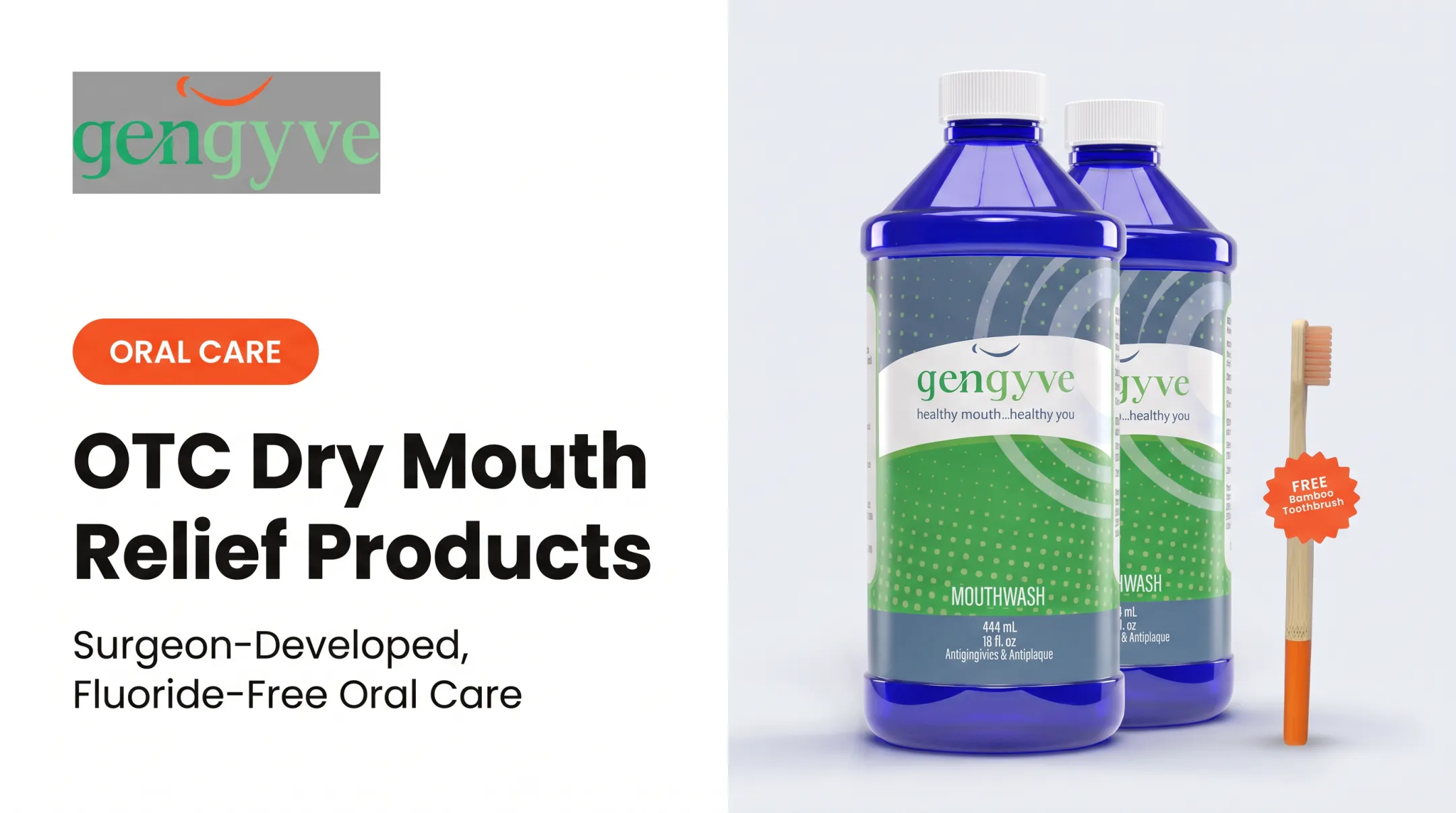
Gengyve Mouthwash
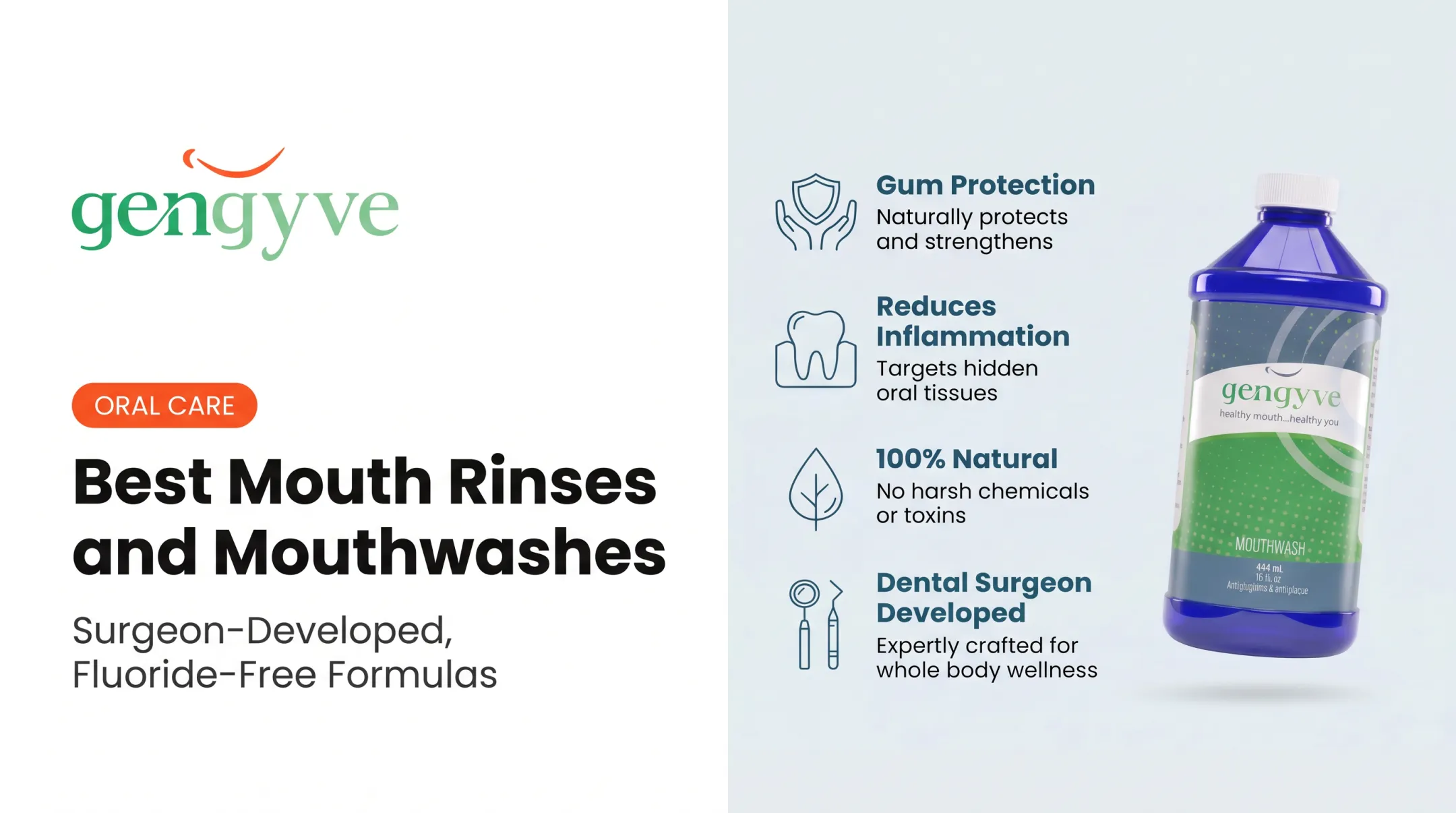
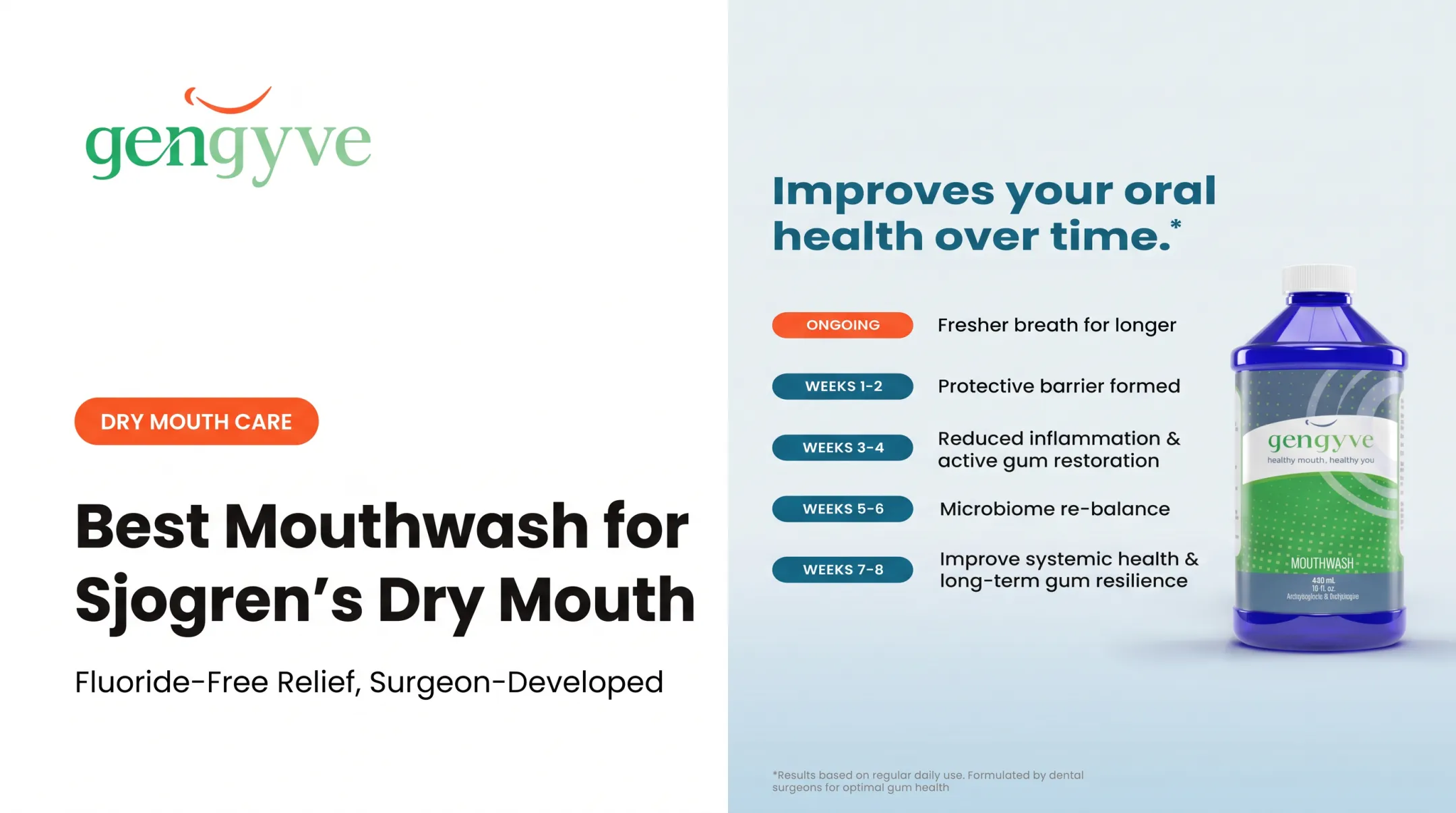
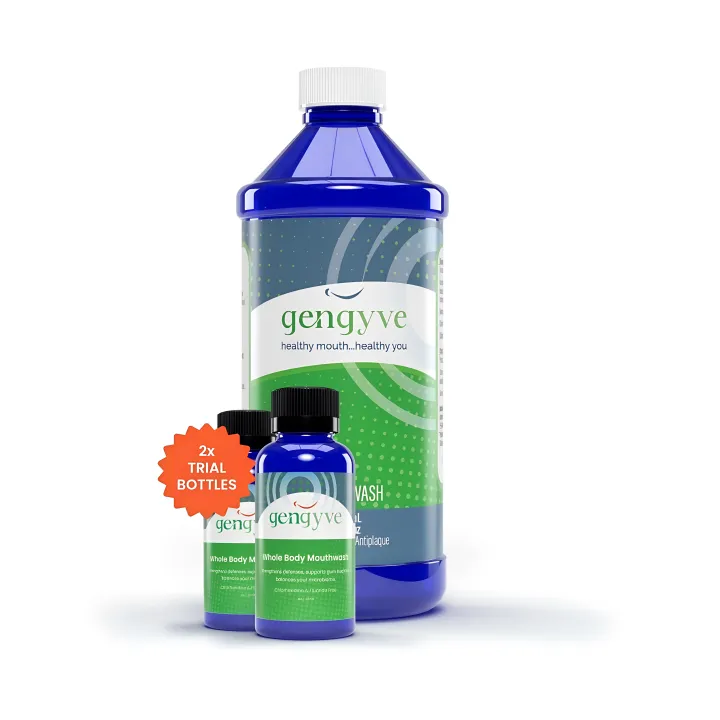
Gengyve is a US-developed mouthwash created by practicing dental surgeons and educators, positioned for everyday gum comfort rather than as a targeted dry-mouth treatment. It's alcohol-free, chlorhexidine-free, and fluoride-free, built around cetylpyridinium chloride (CPC) and hyaluronic acid, with pullulan, PVP, and castor oil supporting the formula.
What to compare:
- Format: daily rinse, swish for 30 seconds after brushing
- Ingredients: CPC plus hyaluronic acid for hydration and gum comfort, with no alcohol or chlorhexidine
- Fit: suited to people wanting gentle, long-term daily oral care alongside dry-mouth relief
A 21-day trial comparing CPC-hyaluronic acid, chlorhexidine, and placebo rinses in dental students found less plaque accumulation than placebo, though gingivitis differences weren't statistically significant. That's evidence about plaque and gum health, not a xerostomia-specific clinical claim.
Gengyve isn't a cure for dry mouth or a substitute for prescribed treatment, and anyone using it during dental procedures should tell their dentist.
ACT Dry Mouth Products
ACT sells a dry-mouth rinse and separate xylitol lozenges, and the two aren't interchangeable. The rinse contains 0.02% sodium fluoride labeled for anticavity use, plus glycerin, sorbitol, xylitol, and sucralose. Adults and children six and older use 10 mL twice daily, swishing for one minute before spitting.
The lozenges list xylitol, isomalt, glycerin, and sucralose, with no fluoride confirmed on the ingredient panel reviewed. They're marketed alcohol-free and sugar-free.
- Fluoride protection: the rinse, not the lozenges
- Portability: the lozenges, dissolved slowly rather than chewed
- Check the current label for age guidance and swallowing instructions before use
Oasis Moisturizing Products
Oasis makes an oral demulcent spray in mild mint, built around glycerin as the moisturizing active, with xylitol and xanthan gum listed on retailer ingredient panels. It's a spray format suited to quick, portable reapplication rather than overnight coating.
Comparison points:
- Moisture ingredient: glycerin, a common humectant in this product category
- Use case: daytime portability over concentrated overnight relief
- Availability has varied by retailer, so confirm current stock and the on-bottle label before buying
Claims about soothing duration or saliva stimulation should be checked against the current package, since retailer listings don't always reflect manufacturer-verified specifics.
Mouth Kote Spray
Mouth Kote is a spray-format oral moisturizer from Parnell Pharmaceuticals, built around xylitol, sorbitol, and Yerba Santa extract, with no alcohol and no added sugar. It's designed for direct application to dry tissue rather than a full mouth rinse.
The manufacturer reports an average relief duration of about 1 hour 55 minutes in patients with significant dry mouth. That's a company-reported figure, not an independent trial result, so treat it as a reference point rather than a guarantee.

- Delivery: direct spray, easy to carry and reapply
- Ingredients: no alcohol, no sugar, flavored lemon-lime
- Trade-off: sprays generally offer less coating duration than a gel or rinse
XyliMelts Dry Mouth Discs
XyliMelts are small adhesive discs that stick to a molar or gumline and release 550 mg of xylitol gradually. The tan side goes against the tooth or gum, the white side faces the cheek, and you hold it in place for about 10 seconds to let it adhere.
Use pattern:
- Daytime: use as needed
- Bedtime: two discs, one on each side, for overnight coverage
- Manufacturer-stated relief: 4 to 8 hours, depending on individual saliva production
XyliMelts carry a specific warning: not recommended for children under 5 because of choking risk. People with significant swallowing difficulty should use them only with supervision, and denture compatibility hasn't been clearly established on current labeling, so check with a dentist if you wear one.
Other Options Worth Considering
A few more categories round out the field:
- Sugar-free xylitol gum: chewing itself stimulates saliva flow, independent of any active ingredient
- Artificial saliva gels: thicker coating, generally reserved for more severe dryness
- Prescription sialogogues like pilocarpine (Salagen) and cevimeline (Evoxac): these stimulate the body's own saliva production systemically and aren't interchangeable with over-the-counter moisturizers
Prescription options come with contraindications (uncontrolled asthma and narrow-angle glaucoma, for example) and possible side effects like sweating or nausea, so they require a prescriber's evaluation.
One more thing worth flagging: "sugar-free" doesn't mean risk-free. FDA's sugar alcohols fact sheet notes that xylitol, sorbitol, and isomalt can cause gas, bloating, or diarrhea when used frequently, since they're incompletely absorbed.
How We Chose the Best Biotene Alternatives
Matching mechanism to need came first. A rinse for daily routine care solves a different problem than a disc meant for overnight relief, so each product was evaluated against what it's actually built to do: moisture, stimulation, cavity protection, or sensitive-tissue comfort.
Our process also included:
- Label verification: alcohol, fluoride, sugar, sweeteners, and any antimicrobial or healing claims checked against current manufacturer or DailyMed listings
- Usability review: portability, taste, application method, reapplication frequency, and denture or appliance compatibility where documented
- Safety screening: allergy risk, swallowing difficulty, age restrictions, and relevance to conditions like Sjögren's syndrome or cancer treatment
- Evidence check: terms like "clinically proven" or "healing" were only used where product-specific evidence or authoritative guidance supported them

ADA's mouthrinse guidance notes that alcohol can be drying, which supports choosing alcohol-free formulas for xerostomia specifically, separate from any claims about overall effectiveness.
Formulas and availability change over time. Always check the current package label, and talk to a dentist, physician, or pharmacist if symptoms persist or worsen.
Conclusion
There's no single best Biotene alternative for everyone. Rinses, sprays, gels, lozenges, discs, and prescription options each solve a different piece of the dry-mouth puzzle. The right choice depends on your symptoms and your dentist's input.
Prioritize ingredients, format, and safety over flavor or brand familiarity. Keep using fluoride toothpaste and your regular dental checkups regardless of which moisturizing product you add.
If you want a gentle, alcohol-free daily mouthwash developed by practicing dental surgeons, Gengyve is worth a look. Check the current label, and bring up persistent dry mouth with your dentist, especially if it's tied to medication or another medical condition.
Frequently Asked Questions
What are some alternatives to Biotene for dry mouth?
Options include alcohol-free mouthwashes, moisturizing sprays and gels, sugar-free lozenges and gum, adhesive discs like XyliMelts, and clinician-prescribed saliva stimulants. The best choice depends on what's causing your dryness and how severe it is.
Who should not use Biotene?
Suitability depends on the specific Biotene product and its current label. People with allergies, swallowing difficulties, young children, complex medical conditions, or persistent symptoms should check with a healthcare professional first.
What is the best alternative to Biotene mouthwash?
It depends on your need: Gengyve for a gentle, alcohol-free daily rinse, a spray for portability, a gel for concentrated overnight moisture, or an adhesive disc for gradual relief. No single product is universally superior.
Is alcohol-free mouthwash better for dry mouth?
Alcohol can dry out already-sensitive oral tissue, so alcohol-free formulas are often more comfortable for people with dry mouth. Still, review the full ingredient list and intended use, and get professional guidance if symptoms persist.
Are Biotene alternatives safe to use every day?
Many over-the-counter products are designed for daily use when followed as directed. Check labels for sweeteners, fluoride content, allergy risks, age restrictions, and any interaction with your specific medical conditions.
When should I see a dentist or doctor about dry mouth?
See a professional if symptoms are persistent, worsening, or painful. Also seek care for difficulty eating or swallowing, recurrent cavities, oral sores, or dryness linked to medication or medical treatment.