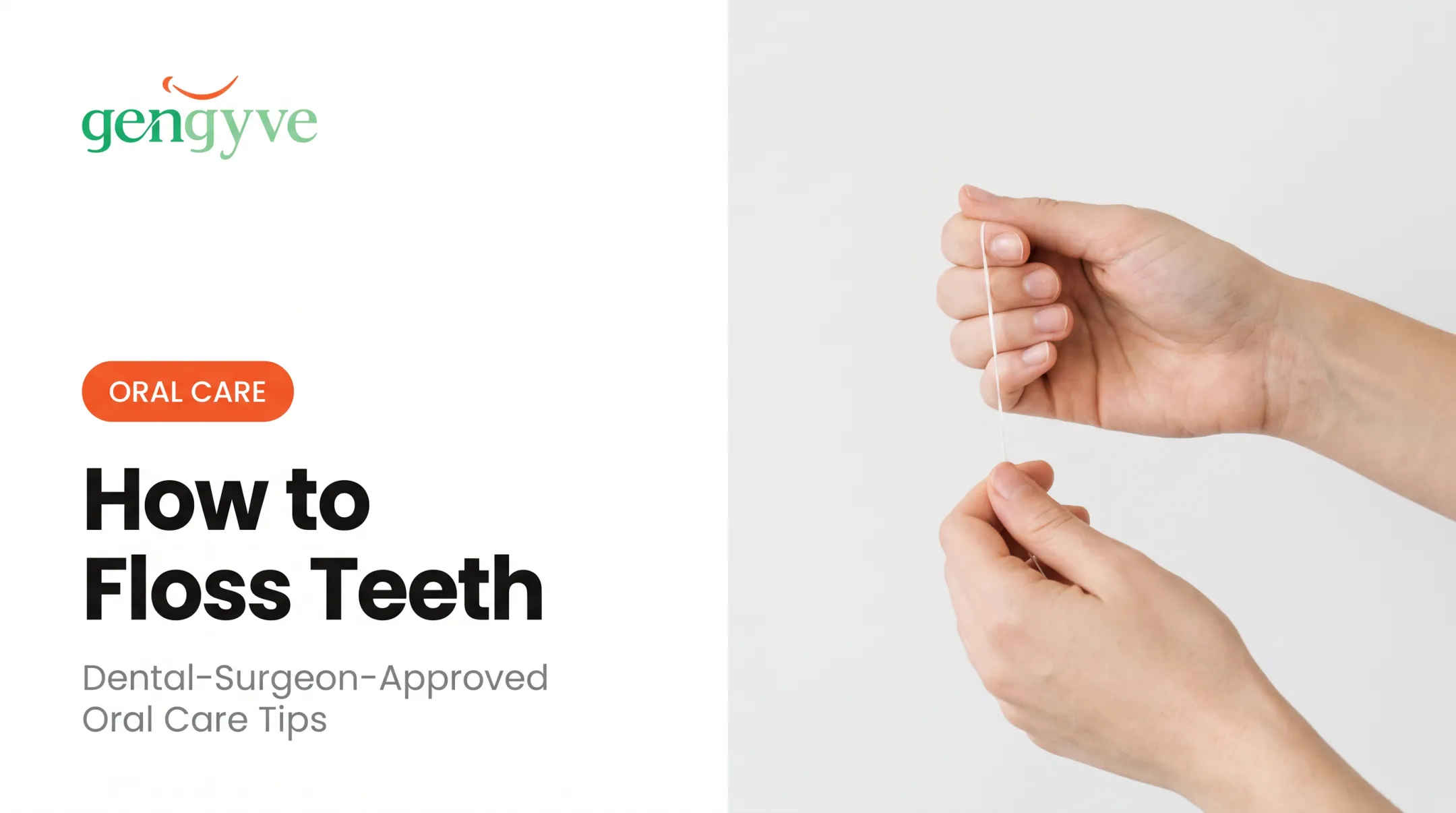
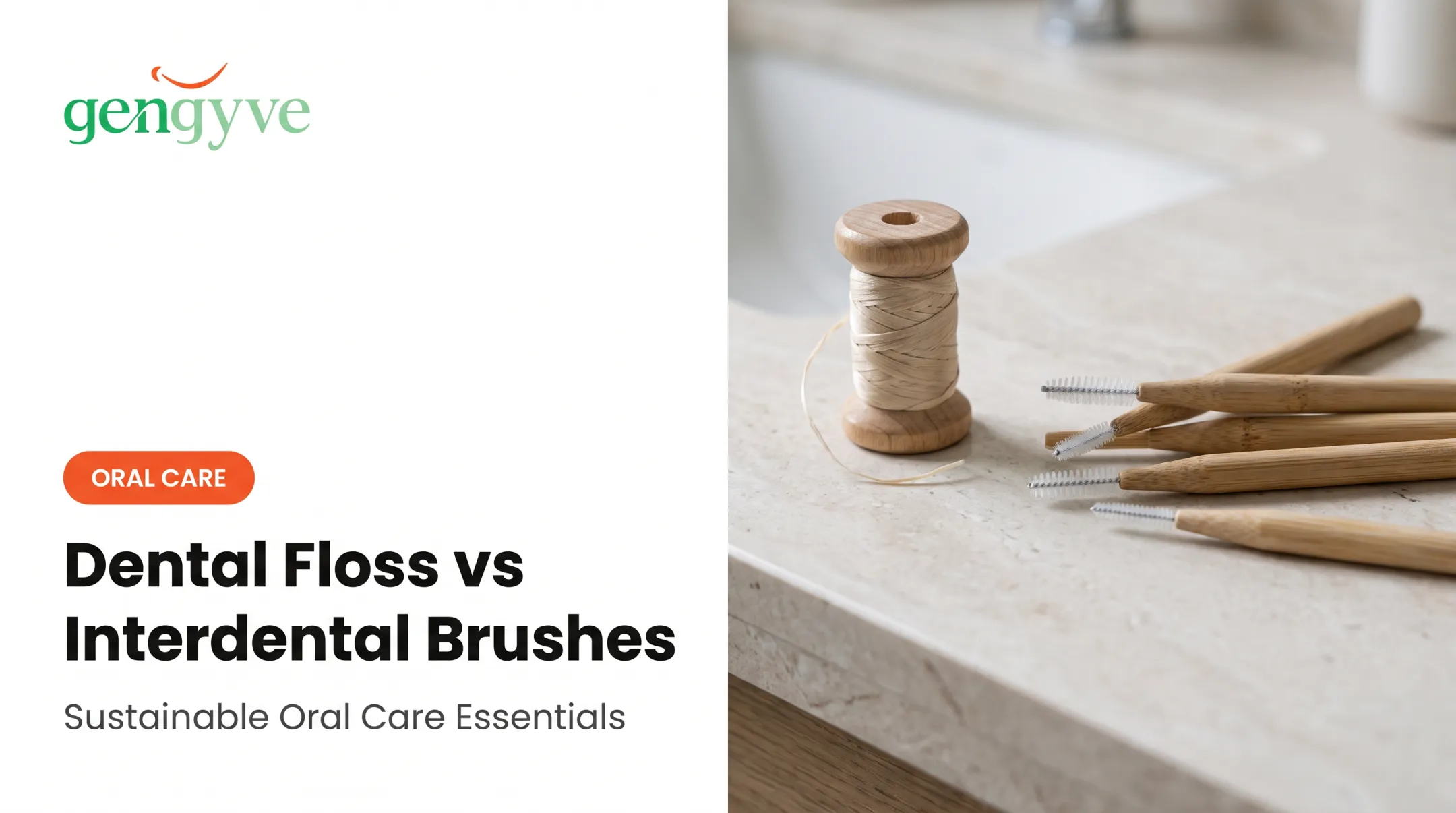
A toothbrush simply can't reach those tight contact points. Food particles and bacteria settle there, and over time that buildup contributes to gum irritation and decay.
This guide covers how often to floss, whether morning or night is better, what to do with braces, bridges, or implants, and when bleeding gums mean it's time to call a dentist.
Key Takeaways
- Clean between your teeth once daily; consistency matters more than the exact hour
- Nighttime flossing clears the day's buildup, but any time you'll stick with it works
- Use a gentle C-shape motion around each tooth, never snap floss into the gums
- Water flossers, interdental brushes, and floss holders are valid alternatives to string floss
- See a dental professional for bleeding, pain, swelling, or loose teeth that don't resolve
Why Daily Flossing Matters
Plaque forms constantly, and it collects fastest in places your toothbrush bristles can't fully reach. Interdental cleaning, whether with floss, a brush, or a water flosser, physically disrupts that plaque at the contact points between teeth and just below the gumline.


Plaque, Gum Disease, and Calculus
Left alone, plaque irritates gum tissue. Redness, swelling, and easy bleeding are the hallmarks of gingivitis, which is usually reversible with consistent brushing and flossing.
If plaque isn't removed, it hardens into calculus (also called tartar). Here's the catch: once calculus forms, no amount of home flossing will remove it. Only a dentist or hygienist can.
Untreated gingivitis can progress into more serious periodontal disease, which may involve painful chewing and loose teeth.
What the Research Actually Shows
The ADA's guidance, updated in 2026, recommends brushing twice daily and cleaning between teeth once daily with floss or another interdental cleaner. That's the clearest, most consistent piece of professional advice available.
The evidence is more nuanced than that headline advice suggests. A 2019 Cochrane review found that flossing plus brushing may reduce gingivitis compared with brushing alone, though the certainty of that evidence was low. No trials in that review actually measured whether flossing prevents cavities between teeth.
Flossing still matters. Coverage, gentleness, and consistency across your entire routine matter just as much as how many times a day you floss.

A mouthwash can support that routine without replacing it. Gengyve's alcohol-free rinse, developed by a dental surgeon, is designed as a step after brushing and flossing, not a substitute for physically clearing debris from between your teeth.
How Often and When to Floss in Different Situations
The standard routine is straightforward: once daily, unless your dentist or hygienist has given you a different schedule based on your specific needs.
Morning, Midday, or Night?
There's no universal rule. The ADA treats the order of flossing and brushing as flexible, as long as the cleaning itself is thorough.
Mayo Clinic guidance leans toward flossing before brushing so toothpaste can sweep away loosened debris. Either approach is fine.
Nighttime flossing has a practical edge: it removes the day's accumulated food and plaque before hours of overnight bacterial activity. But if you know you'll forget at night, morning or midday flossing that actually happens beats a nighttime routine you skip.

Special Situations Need Different Tools
Dental work and spacing differences change which tool fits best.
| Situation | What to use |
|---|---|
| Tight natural contacts | Traditional floss |
| Braces or orthodontic appliances | Floss threaders, interdental brushes, or a water flosser |
| Fixed bridges | Floss threaders or a water flosser |
| Crowns or other restorations | Individualized combination of floss, interdental brushes, or water flossers |
| Implants | Tools matched to the restoration, as advised by your dental team |
| Periodontal maintenance | Interdental brushes where they fit, per professional instruction |
A quick decision guide:
- Traditional floss for close, natural contacts
- Floss threaders or specialty tools for braces and bridges
- Interdental brushes or water flossers for wider spaces or tough access
If you're recovering from oral surgery, don't apply your usual routine to the surgical site. Follow your surgeon's specific instructions about when and how to clean that area.
Signs to Adjust Your Routine or Seek Advice
Sometimes your mouth tells you the current routine isn't cutting it. Watch for:
- Food repeatedly getting stuck in the same spot
- Persistent bad breath that doesn't improve with brushing
- Visible plaque along the gumline
- Bleeding every time you floss, not just occasionally
Mild bleeding when you restart flossing after a gap is common and often settles within about a week as gums heal. Persistent, worsening, or painful bleeding is different; it shouldn't be brushed off.
Red Flags That Need a Dentist's Attention
According to Mayo Clinic, these symptoms warrant a prompt dental visit:
- Spontaneous bleeding or pus between teeth and gums
- Noticeable gum recession or loose teeth
- Facial swelling or significant tenderness
- Symptoms that persist despite good home care
Never force floss through a contact that resists, and don't keep using a technique that hurts. A dental professional can demonstrate a better approach or recommend a different tool entirely.
Flossing Best Practices and What to Avoid
Technique matters as much as frequency. Here's the approach recommended by the ADA and reflected in Gengyve's own Silk Floss instructions:
- Cut about 18 inches (45 cm) of floss and wind most of it around your middle fingers, leaving a few inches to work with
- Guide it gently between teeth using a back-and-forth motion, never snapping it into the gums
- Curve it into a C shape against one tooth and slide it beneath the gumline, without forcing it
- Move it up and down along the tooth surface, then repeat on the neighboring tooth
- Use a clean section for each gap, including the back surfaces of your last molars

Skipping the back teeth is one of the most common mistakes. So is sawing aggressively at tight contacts, which can injure gum tissue instead of cleaning it.
Building a Routine That Sticks
- Pair flossing with an already-established brushing habit so it becomes automatic
- Keep floss somewhere visible, not buried in a drawer
- Choose a tool you'll actually use correctly, whether that's string floss, a pick, or a water flosser
- After flossing, rinse the strand or compost it (Gengyve's natural silk floss is compostable after use)
Brushing twice daily with fluoride toothpaste, plus routine dental visits, still forms the backbone of good oral hygiene. Flossing is one piece of that routine, not a replacement for the rest.
A mouthwash like Gengyve's natural, alcohol-free formula can round out the routine by supporting freshness after brushing and flossing. It won't mechanically remove plaque between teeth, so it's a complement to interdental cleaning, never a substitute for it.
Conclusion
Most people should aim to clean between their teeth once a day, using whichever tool lets them do it thoroughly and gently. There's no mandatory morning-versus-night rule. What matters is picking a time you'll actually stick with and a technique that doesn't injure your gums.
If you're dealing with ongoing bleeding, pain, swelling, orthodontic appliances, implants, or recent oral surgery, don't guess. Ask your dentist or hygienist for guidance tailored to your mouth.
Frequently Asked Questions
How often should I floss a day?
Most people should clean between their teeth at least once daily. If you have braces, implants, or gum disease, your dentist may recommend a specific tool or schedule instead.
Is it better to floss morning or night?
Either works. Nighttime can help clear the day's buildup before you sleep, but the most important factor is doing it thoroughly and consistently, regardless of the time.
What is the 2-2-2 rule for teeth?
It isn't an official dental standard. People often use it as shorthand for brushing twice a day for two minutes, usually paired with daily flossing. Follow your dentist's advice rather than a mnemonic alone.