Over-the-counter dry mouth relief products fall into a few distinct categories: they moisturize oral tissue, stimulate whatever saliva you still produce, or support your broader oral-care routine when saliva runs low. Persistent dryness affects more than comfort. It can make chewing and swallowing harder, dull your sense of taste, worsen breath, and raise your risk of cavities and gum problems.
This guide breaks down the main product types, the ingredients worth knowing, and when it's time to loop in a dentist or physician instead of relying on the drugstore aisle alone.
Key Takeaways
- OTC dry mouth products work as saliva substitutes, saliva stimulants, or supporting oral-care items; they are not interchangeable.
- Sprays and rinses suit quick daytime relief; gels and dissolving tablets often work better overnight.
- Sugar-free, alcohol-free formulas are the safer choice for most users, and fluoride adds cavity protection for many users.
- Severe, persistent, or treatment-related dry mouth needs a professional evaluation, since OTC products ease symptoms without fixing the underlying cause.
What Are OTC Dry Mouth Relief Products and Why Do They Matter?
Dentists distinguish between two related but different things: xerostomia, the subjective feeling of a dry mouth, and hyposalivation, an objectively measured drop in saliva flow. You can feel dry without hyposalivation showing up on a test, and vice versa.


OTC dry mouth relief products are nonprescription rinses, sprays, gels, dissolving tablets, lozenges, and gums designed to ease that sensation or limit its downstream effects. They generally do one of two things:
- Replace moisture temporarily by coating tissue with a substitute that mimics saliva's lubrication
- Stimulate remaining salivary function through chewing, sucking, or flavor
Which approach helps depends partly on whether your salivary glands can still produce fluid. Stimulants are pointless if gland function is severely compromised; substitutes become the more reliable option in that case.

Why Reduced Saliva Is a Real Oral-Health Risk
Saliva does more than keep your mouth comfortable. It clears food debris, buffers acid, and delivers minerals that help teeth resist decay. When saliva drops:
- Natural cleansing slows down, letting plaque and food particles linger
- Teeth become more vulnerable to acidic and sugary foods
- Cavity risk and gum irritation both climb
- Oral tissue can feel raw, sticky, or prone to minor infections
Common Causes of Dry Mouth
Several factors can dry out your mouth:
- Medications such as antihistamines, antidepressants, antihypertensives, and diuretics
- Mouth breathing, dehydration, and tobacco or cannabis use
- Cancer treatments, including head-and-neck radiation and chemotherapy
- Uncontrolled diabetes, autoimmune conditions like Sjögren's disease, and hormonal shifts during pregnancy or menopause
If a medication seems to be the culprit, talk to the prescribing clinician before changing anything. Stopping a prescription on your own isn't the answer.
Types of OTC Dry Mouth Relief Products
Not every dry mouth product solves the same problem. The right pick depends on whether you want immediate moisture, saliva stimulation, overnight comfort, or protection against cavities and gum issues.
Saliva Substitutes and Moisturizing Rinses
These liquid moisturizers, sprays, and rinses coat oral tissue to ease that sticky, dry feeling. They're practical for:
- Daytime use between meetings or while traveling
- Moments before speaking or presenting
- Situations where chewing gum or sucking a lozenge isn't convenient
Relief here is temporary by design. Formats vary in how they're used, so always check whether a product is meant to be rinsed and spit out versus sprayed directly onto the tongue. Follow the label's specific duration claims rather than assuming one product's results apply to another.
Saliva Stimulants
Sugar-free gum, lozenges, and dissolving tablets work differently. Chewing and taste trigger your glands to release more of their own saliva, provided some secretory capacity remains. Xylitol is a common ingredient in these products, though a 2023 systematic review found that benefits came from gum chewing and flavor overall, not from isolated xylitol alone, and results varied by patient.
A few precautions matter here:
- Excessive xylitol or other sugar alcohols can cause gas or stomach upset in sensitive users
- Jaw discomfort can develop with prolonged chewing
- Some products carry choking warnings and age restrictions, so read labels carefully
- Ask your dentist or orthodontist whether a specific gum or lozenge works with braces, retainers, or dentures
- Keep xylitol products away from pets, since it's toxic to dogs
Gels and Overnight Moisturizers
Thicker gels can be applied directly to the tongue, gums, or other dry spots. They're often positioned for more pronounced dryness or for use before bed, when saliva flow naturally slows further.
Before assuming a thicker gel automatically works better, compare:
- How it's applied (spread versus left to dissolve)
- Whether directions call for swallowing or spitting
- Whether the label specifically markets it for overnight use, and for how long relief is claimed to last
Supporting Oral-Care Products
Fluoride toothpaste, fluoride rinses where appropriate, soft-bristled toothbrushes, and gentle alcohol-free mouthwashes don't restore saliva production. Instead, they help limit the consequences of having less of it, like plaque buildup and tooth sensitivity.
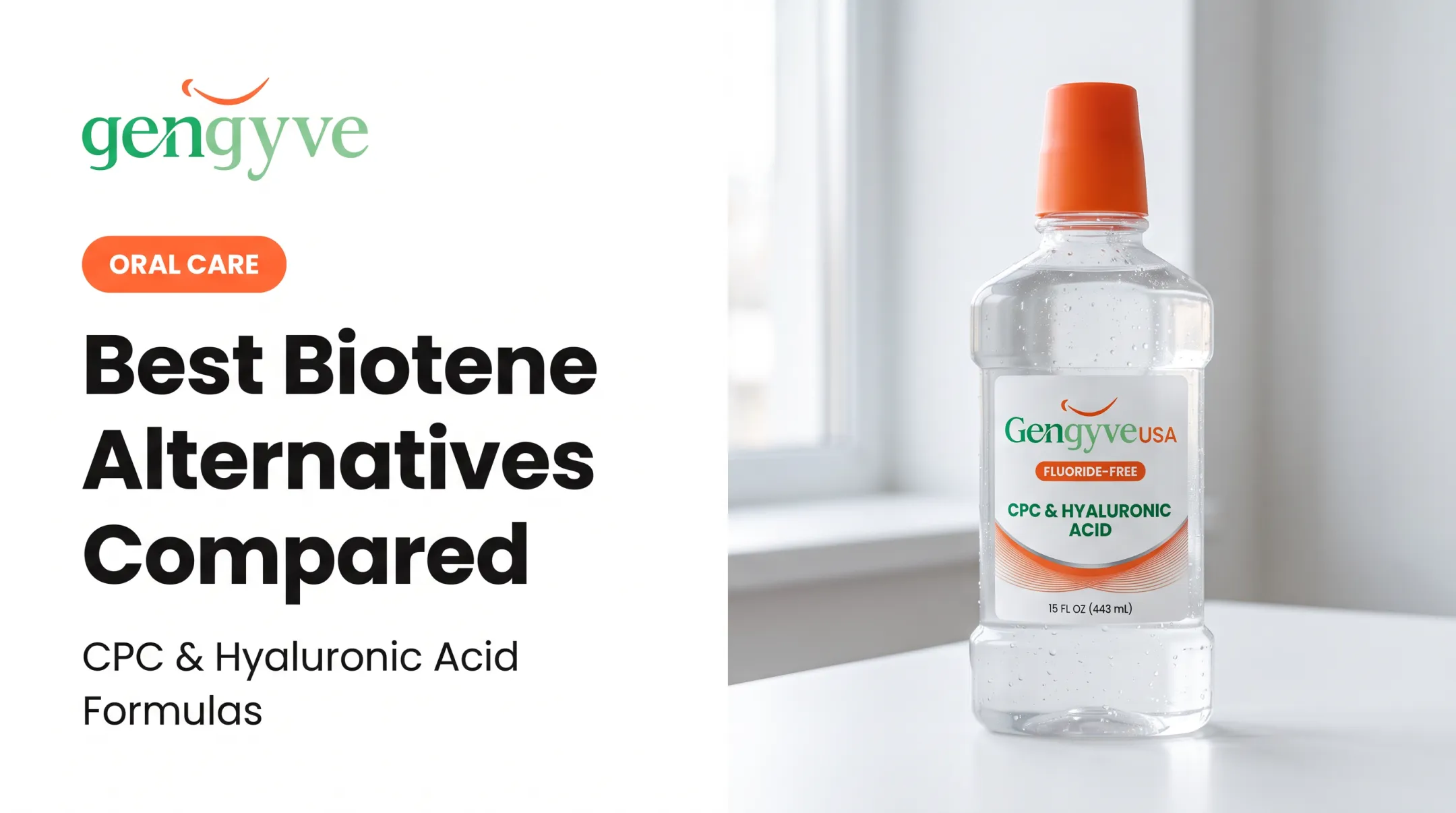
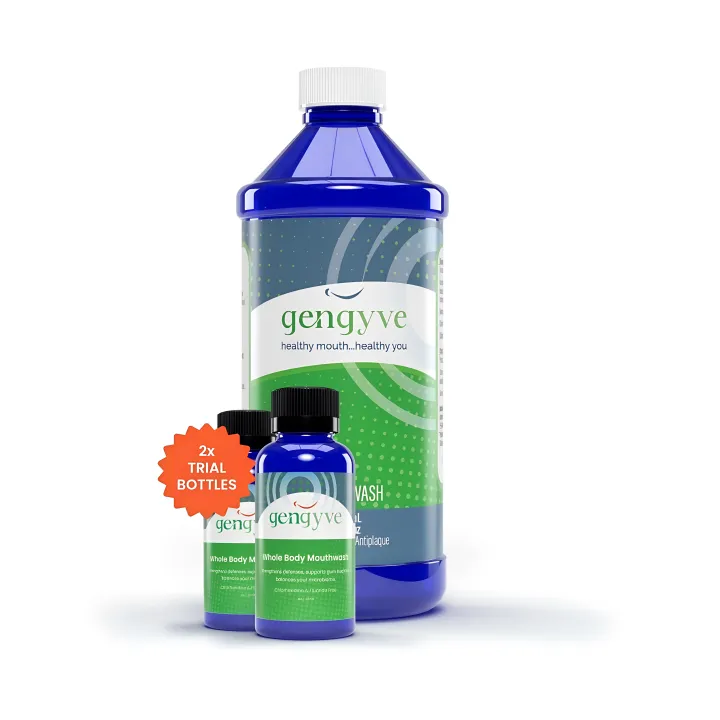
This is where a product like Gengyve fits. It's a daily rinse built around cetylpyridinium chloride (CPC) and hyaluronic acid, developed by a practicing oral and maxillofacial surgeon. The formula is alcohol-free and chlorhexidine-free, with hyaluronic acid for hydration plus pullulan and polyvinylpyrrolidone (PVP) for tissue adhesion.
Use it as a supporting oral-care rinse in a gentle daily routine, not as a dedicated saliva substitute or a treatment for the underlying cause of dryness.

Limitations and Trade-Offs Across Product Types
| Product Type | Best For | Main Trade-Off |
|---|---|---|
| Substitute rinse/spray | Quick daytime moisture | Relief is short-lived |
| Saliva stimulant gum/lozenge | Remaining gland function | Won't help if secretion is severely reduced |
| Overnight gel | Nighttime dryness | Doesn't guarantee relief through the entire night |
| Supporting oral-care products | Ongoing protection | Doesn't address the underlying cause |
None of these categories can diagnose or resolve medication side effects, gland damage, infection, or gum disease on their own.
How to Choose the Right OTC Dry Mouth Relief Product
The best product isn't the one with the flashiest packaging. It depends on your symptoms, how much natural saliva you still produce, your oral-health risks, and your daily routine.
Identify the Primary Goal
Ask yourself what you need most: immediate moisture, stimulation of natural saliva, overnight relief, easier speaking and swallowing, fresher breath, or cavity protection. Many people reasonably mix categories — a portable spray during work hours and a dentist-recommended protective routine before bed, for instance.
Check the Ingredients and Formulation
Look for sugar-free and alcohol-free formulas first. Sugar feeds the bacteria that cause cavities, and alcohol can feel irritating or drying for some people, even in small amounts. Beyond that, you'll commonly see:
- Xylitol — a sugar alcohol used as a sweetener in many gums and lozenges
- Glycerin — included in moisturizing formulas for water retention
- Carboxymethylcellulose (CMC) and hydroxyethyl cellulose (HEC) — polymers that thicken a product's texture
- Fluoride — added for cavity resistance, not moisture
Marketing language doesn't always match the evidence. A 2020 laboratory study on saliva substitutes, for example, found that glycerin didn't show strong lubricating properties on its own, despite its reputation in formulations.
Match the Product to the Situation
Different moments call for different formats:
- Work or travel — a compact spray or rinse
- Meals and speaking — moisturizing rinses or lozenges
- Sleep — gels labeled specifically for overnight use
- Dentures or orthodontic appliances — confirm compatibility with your dentist first
- Post-surgery, radiation, or chemotherapy — follow your clinician's specific instructions rather than general product labels
Consider Severity and Oral-Health Risk
Some symptoms deserve professional attention instead of another trip to the pharmacy:
- Frequent nighttime thirst that disrupts sleep
- Burning sensations or mouth sores
- Recurrent cavities or signs of fungal infection
- Difficulty swallowing that doesn't improve
If you fall into any of these categories, ask a dentist about fluoride toothpaste or other cavity-prevention steps tailored to your situation rather than guessing.
Use Credible Quality Signals
Read the full ingredient list, directions, warnings, and expiration date before buying. Skip products that lean entirely on vague words like "natural" or "clinically tested" without backup. The ADA Seal of Acceptance for dry-mouth products requires clinical safety evidence and two independent efficacy studies, but it only confirms temporary moisturizing relief — not a cure, and not benefits from mechanical stimulation alone.

What to Check Before Finalizing an OTC Dry Mouth Product
Before checking out, run through a short mental checklist:
- Don't choose a product just because it promises the strongest or fastest relief. Match ingredients and format to your actual symptoms and tolerance first.
- Watch for ingredients that could aggravate dryness, irritation, cavities, digestive discomfort, or allergies. Label warnings exist for a reason.
- Don't let an OTC product delay needed care when symptoms persist or feel severe.
- See a clinician for unexplained dryness, severe pain, sores, trouble swallowing, recurrent cavities, or dryness tied to cancer treatment or a new medication.
- Never stop, change, or reduce a prescription on your own, even if you suspect it's causing dry mouth. Ask the prescribing clinician whether an alternative exists.
Conclusion
OTC dry mouth relief products break down into a handful of distinct categories:
- Saliva substitutes for temporary moisture
- Saliva stimulants that work with remaining gland function
- Gels and overnight moisturizers for nighttime comfort
- Supporting oral-care products that protect teeth and gums while saliva is reduced
The right choice weighs symptom relief, ingredients, convenience, and professional guidance together rather than picking whichever product has the biggest claims on the box. A gentle daily rinse like Gengyve can complement a broader oral-care routine when paired with a dry-mouth-specific plan built with your dentist.
Frequently Asked Questions
What are the best over-the-counter products for dry mouth?
It depends on your symptoms. Saliva-substitute rinses and sprays suit quick daytime moisture, sugar-free gum or lozenges work if you still produce some saliva, and gels offer longer-lasting or overnight comfort.
What provides immediate relief for dry mouth?
Small sips of water, a moisturizing oral spray or rinse, or a sugar-free lozenge can all help right away. That relief is temporary, though, so persistent dryness still needs a proper evaluation.
What do dentists recommend for dry mouth?
Most dentists suggest regular checkups, alcohol-free and sugar-free products, fluoride-based cavity protection when appropriate, gentle brushing, and staying hydrated , plus investigating whatever is causing the dryness in the first place.
What can I use as a substitute for saliva?
OTC artificial saliva products include moisturizing sprays, rinses, gels, and dissolving tablets. They temporarily mimic lubrication but don't fully replicate everything natural saliva does.
Are there medications that can increase saliva production?
Yes. Prescription options like pilocarpine and cevimeline can stimulate saliva production for some people, but only a physician or dentist can determine whether one is appropriate and safe given your health history.
What vitamin deficiency can cause dry mouth?
Deficiencies in vitamin B12 or iron have been linked to dry mouth and other oral symptoms in some studies. Since dry mouth has many possible causes, a medical evaluation and blood testing are better starting points than self-treating with supplements.